
Font size
 Worksheets
NT Science: Chapter 7 Food Safety
Total questions: 23
Worksheet time: 16mins

Name the method of food preservation shown in the picture.
drying
heating
canning
Which of the following is NOT a method of food preservation?


Which of the followings are food preservation methods?
Freezing, vacuuming sealing, boiling
Freezing, dehydrating, canning
Dehydrating, frying, canning
Which of the following foods are suitable for freezing?
Berries, ice-cream, eggs
Berries, chicken, fish
chicken, honey, vegemite
The removal of water from a substance is called
fermentation
dehydration
fermentation
salting
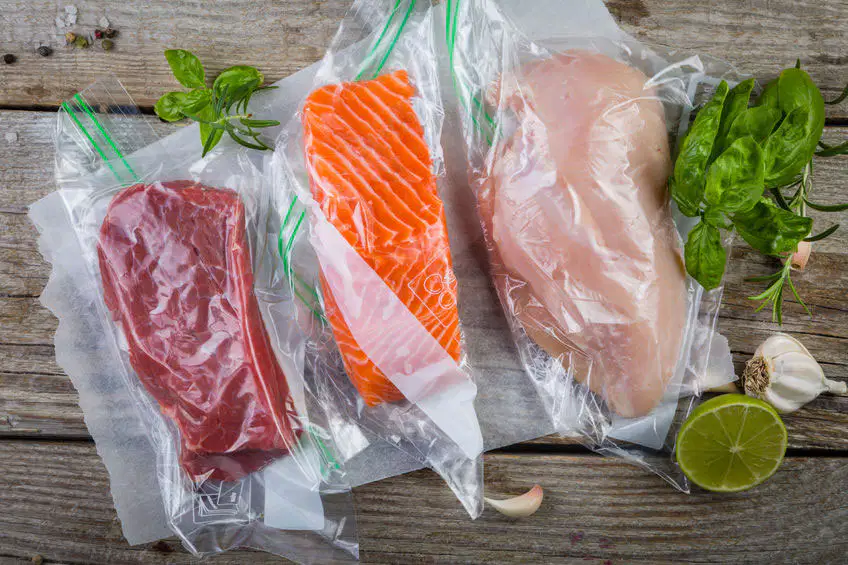
Vacuum packing is
air free packing
water free packing
high temperature treatment
salt-free packing
Jams, jellies and squashes are examples of
preservation by sugar
preservation by canning
preservation by dehydration
preservation by vinegar
Freezing is a food preservation method because
low temperature slows down the growth of microbes.
low temperature removes water content
low temperature kills the bacteria

Name the technique used for preservation of the food shown in the picture.
smoked
dehydrate (drying)
airtight container
salt
Placing foods in acidic solutions like vinegar to prevent growth of spoilage organisms is known as ........................
pickling
pasteurisation
fermentation
drying
How does freezing work to preserve food?
Provides an acidic environment.
Removes oxygen exposure.
Removes water content.
Removes water content by freezing water particles.

What food preservation technique has been used here?
Pickling.
Adding Salt.
Adding Lactic Acid.
Adding Sugar.
What method of food preserving deprives microorganisms of moisture?
canning
pickling
drying
freezing
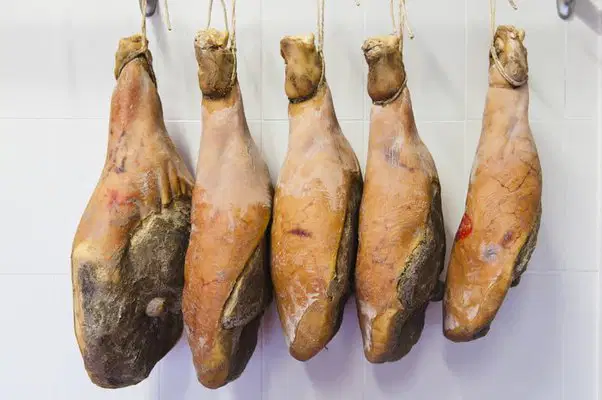
What effect do salting have on food such as meat ?
It increase the amount of moisture in the meat
It affects the pH and prevent spoilage
It dehydrates the meat and slows down spoilage
Natural preservatives include -
salt
sugar
vinegar
acetic acid
Salting is used to preserve foods such as...
Fish & Meats
Fruits & Veggies
Baked Goods
Herbs & Minerals
Cooked food gets spoiled easily due to ___________
moisture
flavour and spices
Why is food preservation important ?
to make food taste better
to extend the shelf life of the food product
to change the texture or flavour of the food.
Bacteria and fungi grow well at ____________ and ________.
high temperature and moist condition
low temperature and moist condition
room temperature and moist condition
none of the above
_______________ is the name of the process invented by Louis Pasteur for the preservation of milk.
Refrigeration
Pasteurization
Pickling
Canning

The picture showed a mouldy bread. What type of microorganism cause the bread to spoil?
Bacteria
Virus
Protozoa
Fungi
Ramli bought a fried rice and decided to have the meal on the next day. He put the food on the table. On the next day, the food was smelly and the rice's texture changed. Give an inference based on the observation on the food.
Ramli did not put the food in the fridge
Microorganisms grow and reproduce on the food
The food was not cooked well.
The food is not healthy.

