
 Worksheets
1st Nine Weeks Vocabulary - 8th
Total questions: 10
Worksheet time: 6mins
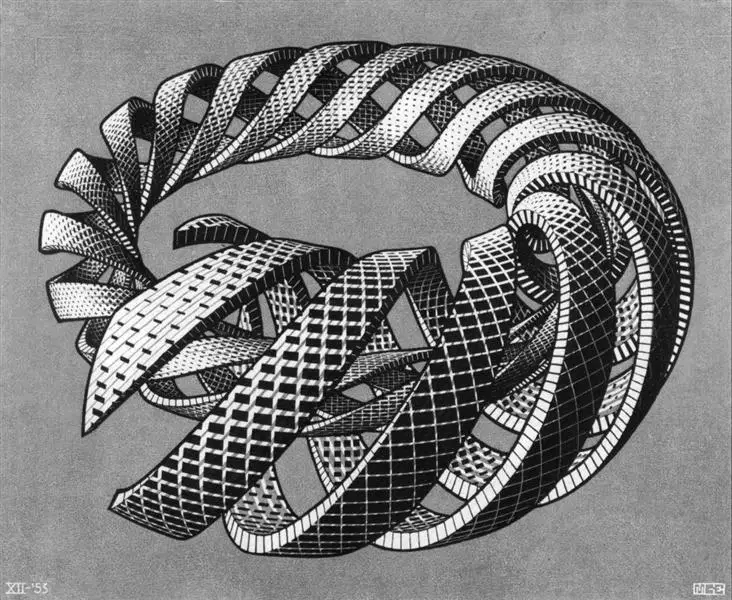
What is Op Art?
a style of visual art that uses optical illusions to create images that appear to be moving, blurring, or warping
a style of art that requires you to wear special optics like 3D glasses
a style of art that's optional
a style of art that follows social media and global trends

A line that defines the outline or silhouette of an object or figure, emphasizing its shape and form is a ________ line.
expressive
contour
contrasting
outline

A painting or drawing of an arrangement of objects is called a _____ ____.
(a)
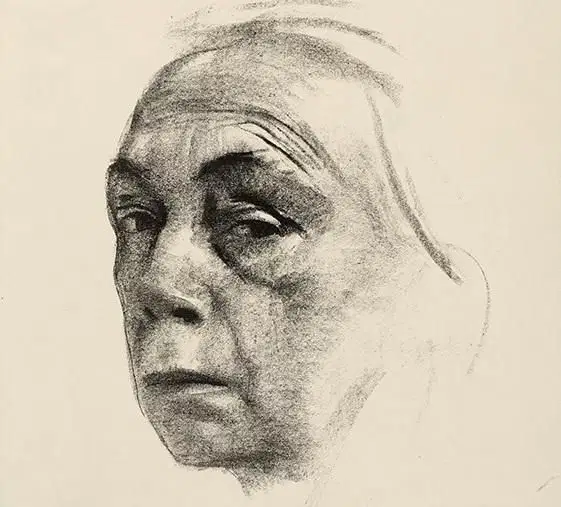
____________ is a shading technique that gently intermigles two or more colors or values to create a gradual transition to soften lines.
Blending
Ombre
Stippling
Scrumbing
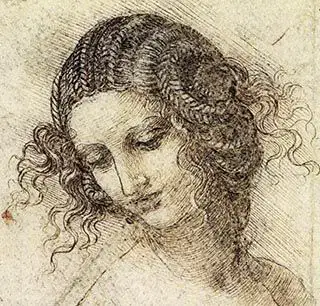
This shading technique uses closely spaced parallel lines to create tonal or shading effects
Hatching
Blending
Scratching
Stippling

This shading technique involves drawing lines that cross over each other in different directions to create light and dark areas.
Cross-Hatching
Scrumbing
Scribbling
Hatching
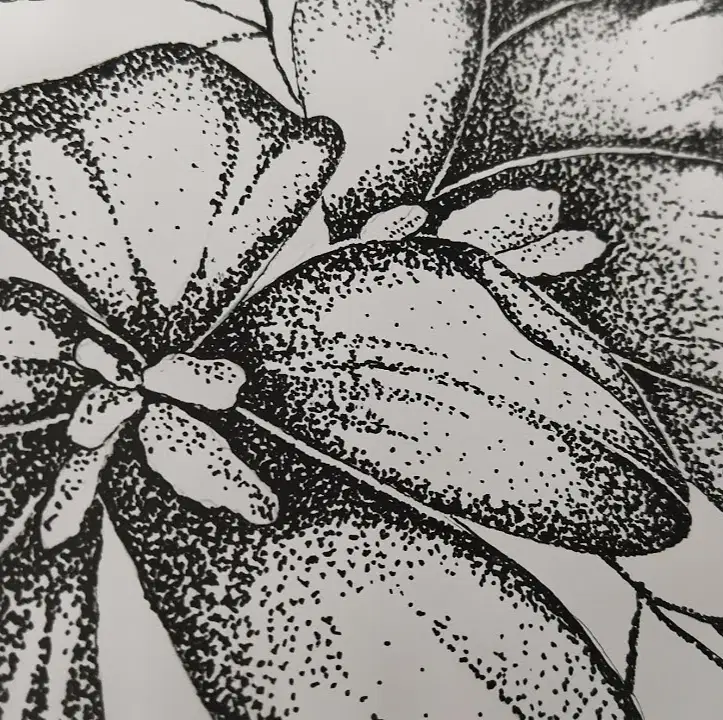
______________ is a shading technique that involves drawing a picture using many small dots of the same color.
Stippling
Blending
Swiping
Dotting
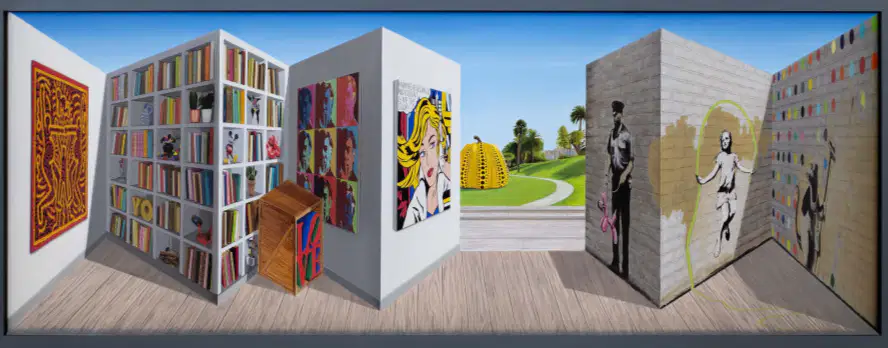
The art of drawing solid objects on a two-dimensional surface so as to give the right impression of their height, width, depth, and position in relation to each other when viewed from a particular point is called _____________________.
Perspective
Opinion
Abstract
Realism
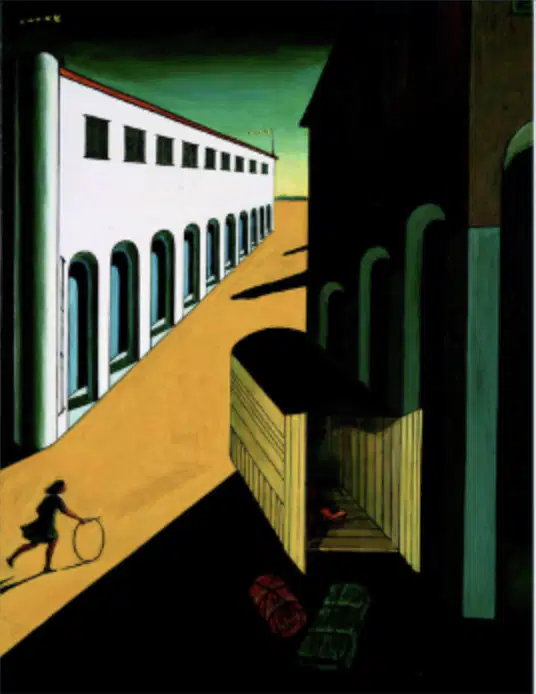
The visual boundary where the sky appears to meet the land or water.
Horizon Line
Vertical Line
Land Line
Water Line

The point at which receding parallel lines viewed in perspective appear to come together.
Vanishing Points
Disappearing Points
Perspective Points
Ruler Points

