
 Worksheets
SUMMATIVE TEST
Total questions: 45
Worksheet time: 31mins
What is the purpose of Pre-Historic painting?
for study purposes
for historical purposes
for religious purposes
for collection purposes
The three are Romanesque Architectural types, EXCEPT:
Castle
Church
Monastery
School
The style of their sculptures showed all points of human anatomy and proportion.
Byzantine
Greek
Gothic
Roman
It was created during the Gothic Era to transform the vast stone interiors with warm and glowing color and at the same time to instruct Christians in their faith.
Roman
Byzantine
Gothic
Romanesque
It consists of two or more large, upright stones set with a space in between and capped with horizontal stone.
Menhir
Dolmens
Cromlech
Mastaba
The following are distinctively Romanesque Architecture, EXCEPT:
Tombs for the dead
High-riding domes
Massive piers and walls, with few windows
Vast open spaces at the centers of churches
A pre-historic sculpture of a lady with the hood. It is a fragmentary ivory figure from the Upper Paleolithic era that realistically represents the human face and hairstyle.
Venus of Brassempouy
Venus of Willendorf
Venus of Hedgetone
Venus of Monaco

(a)

(a)

(a)

(a)
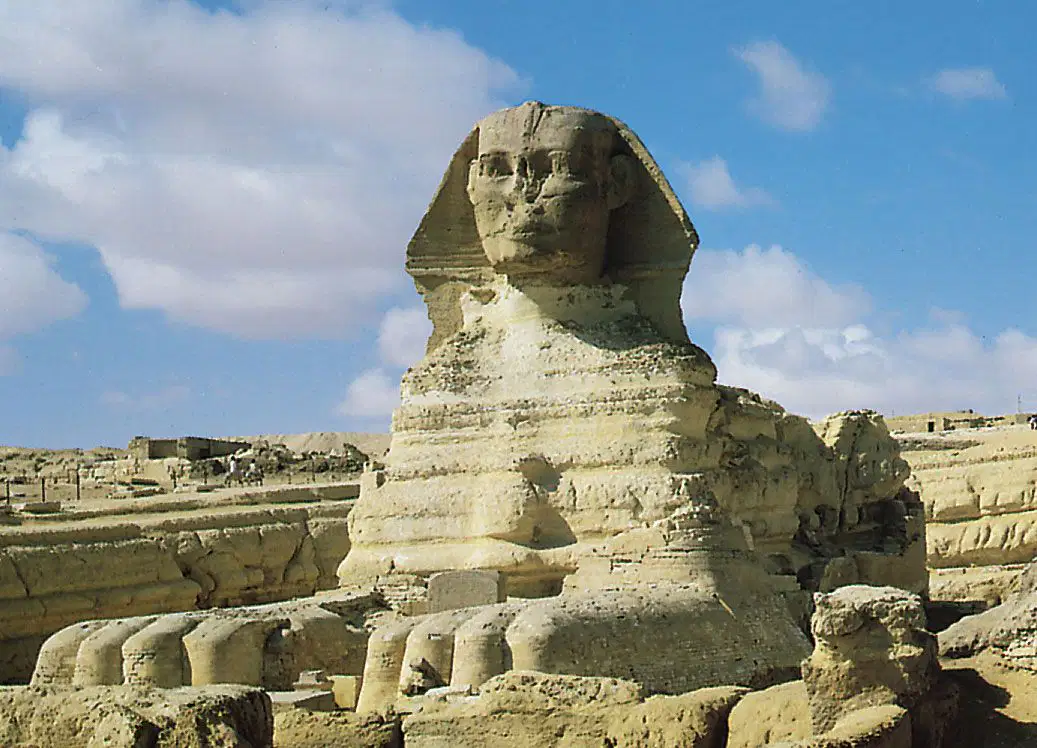
(a)
A very large stones used in the pre-historic architecture.
Dolmens
Menhir
Cromlech
Megaliths
A huge stone standing vertically on the ground, usually standing in the middle of the field or arranged in rows.
Menhir
Dolmens
Cromlech
Mastaba
Below are the common methods of Greek painting, EXCEPT:
Vase Painting
Panel Painting
Tomb/Wall Painting
Mosaic
What is the dominant subject of Byzantine painting?
Large animals
Christian subjects
Animals
Everyday life
Most of their sculptures are made of monumental terra-cotta.
Greek
Romanesque
Roman
Gothic
The following are characteristics of Egyptian sculptures, EXCEPT:
Symbolic elements were widely used such as forms, hieroglyphics, etc.
Subjects were animals and human.
Relief compositions were arranged vertivally.
Sculptures were stiff and bodies were hidden with robes.
This architecture were characterized especially by massive domes with square bases and rounded arches and spires with the use of extensive glass mosaics.
Romanesque
Gothic
Byzantine
Roman
The most famous Byzantine architecture that dedicates to the holy wisdom of God and it is located in Constantinople (Turkey).
Hagia Sophia
Worchester Church
Notre Dame
Parthenon
The holiest part of the church plan is the:
Apse
Sanctuary
Clerestory
Greek Cross Plan
Below are the sections of Mass, EXCEPT:
Kyrie
Gloria
Sanctus and Benedictus
Oratorio
Baroque music is known for its grandiose and elaborate ornamentation. Which of the following Baroque Music forms was developed through imitative counterpoint?
Fugue
Concerto Grosso
Oratorio
Chorale
This era was also known as the "Golden Age of A Capella Choral Music".
Renaissance
Baroque
Medieval
Classical
An Italian Baroque composer, Catholic priest and a virtuoso violinist known as "The Red Priest".
Thomas Morley
George Friedrich Handel
Antonio Vivaldi
Johann Sebastian Bach
A group of European musicians during the Medieval Period who performed music all over the Europe whom do not bound by any religious traditions.
Barocco
Troubadours
Musikero
Secular Group
A form of sacred musical composition that sets texts of the Eucharistic liturgy into music.
(a)
A secular vocal polyphonic music composition which originated in Italy and is written and expressed in a poetic and sung during courtly social gatherings.
Mass
Madrigal
Oratorio
Chorale
A Portuguese word which means "pearl of irregular shape"
(a)
It refers to the period when the Christian Church was highly influenced with the culture and political affairs in Europe.
(a)
The architecture of this period became more sensuous and more ambitious. Most of the churches and basilicas have high-riding domes.
(a)
An arch in each of the corners of a square base that transforms it into an octagon.
(a)

(a)
A method of painting by the Greek using water-based pigments on a freshly applied plaster usually on a wall surfaces.
Encaustic
Fresco
Kerch Style
carving

(a)
The following are the materials used by the Egyptians in their massive buildings, EXCEPT:
Mud
Wattle
Stones
Concrete
Why do Greeks have built many temples?
Architectural style
Belief of many gods
many problems
Pride
In the Roman architecture, it was the most widespread material and eventually the stone of choice for the most extraordinary state funded building projects.
Concrete
Marble
Terracotta
Pumice
A type of water system that brought fresh water into the city.
(a)

(a)
One of the famous secular composer during the Medieval Period.
(a)
It refers to the extended musical setting of sacred music.
Fugue
Chorale
Oratorio
Canon
The following are the characteristics of Renaissance music, EXCEPT:
Mostly homophonic
Imitation among voices is common
Melodies are easier to perform
Use of word painting in texts and music
He was the composer of the famous composition "Messiah"
George Friedrich Handel
Antonio Vivaldi
Johann Sebastian Bach
Thomas Morley

A Roman architecture
(a)
![[ReusBeginning: Vocab [WKS 25 - 32] [WORDS 121-160]](https://cf.quizizz.com/image/image-loader.svg)
