
 Worksheets
FORMS OF COMMUNICATION
Total questions: 12
Worksheet time: 6mins

Which of the following is an example of verbal communication?
Facial expressions
Hand gestures
Spoken words
Eye contact

Which type of communication involves the use of symbols or signs that are not words?
Verbal communication
Non-verbal communication
Written communication
Digital communication

Tone of voice is a key element in which type of communication?
Non-verbal communication
Verbal communication
Written communication
Visual communication
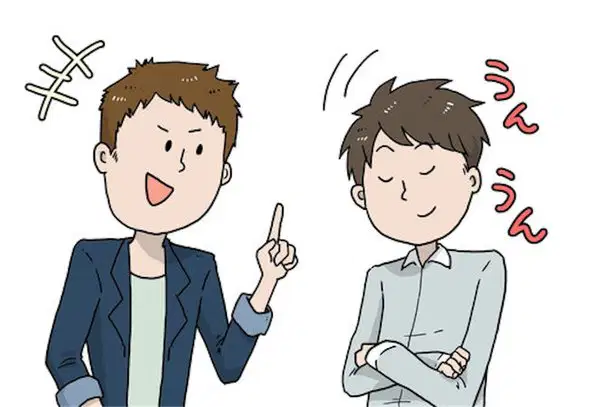
Which of the following is an example of non-verbal communication?
Writing an email
Speaking on the phone
Nodding your head
Listening to music
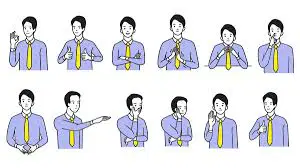
Body language is an important aspect of:
Verbal communication
Non-verbal communication
Written communication
Digital communication

Which form of communication is primarily concerned with the interpretation of body posture, gestures, and facial expressions?
Oral communication
Non-verbal communication
Written communication
Visual communication
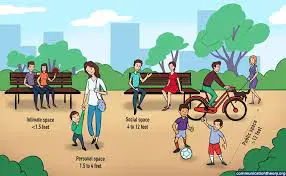
Proxemics refers to:
The use of touch in communication
The use of space in communication
The use of time in communication
he use of silence in communication

Which of the following is NOT a form of non-verbal communication?
Eye contact
Handshake
Tone of voice
Writing a letter
Kinesics is the study of
Written communication
Body movements
Spoken language
Digital communication

Which type of non-verbal communication is associated with the sense of touch?
Proxemics
Haptics
Chronemics
Kinesics
Articulation refers to:
The clarity and distinctness of speech
The rhythm of speech
The volume of speech
The pitch of speech

The study of how people use and perceive the physical space around them in communication is called:
Haptics
Kinesics
Proxemics
Chronemics

