
 Worksheets
Intro to Ecology
Total questions: 22
Worksheet time: 29mins
The process by which plant cells use energy from the sun to convert carbon dioxide and water into make sugar and oxygen is called __________.
Phototropism
Cellular Respiration
Mitosis
Photosynthesis
What is the chemical formula for carbon dioxide?
C6H12O6
H2O
O2
CO2
ATP
What is the chemical formula for glucose?
C6H12O6
H2O
O2
CO2
ATP
What is the chemical formula for water?
C6H12O6
H2O
O2
CO2
ATP
What is the chemical formula for oxygen?
C6H12O6
H2O
O2
CO2
ATP
Where does photosynthesis occur?
Golgi Body
Chloroplast
Nucleus
Mitochondria
Cell Wall
How does carbon dioxide get into plant cells?
absorbed with water through the leaves
taken in through stomata on the underside of leaves
plants do no take in carbon dioxide
absorbed through roots
Which statement about photosynthesis is NOT correct?
Photosynthesis makes food for plants, some Bacteria, and some Protists.
Photosynthesis provides oxygen for organisms to breathe.
Photosynthesis provides food for consumers to eat.
Photosynthesis uses oxygen to make energy for plants to grow.

Which organelle is responsible making food (Glucose) using sunlight?
Cell Membrane
Nucleus
Chloroplast
Mitochondria
Is Glucose (C6H12O6) a Reactant (Ingredient) or Product of Photosynthesis?
Product
Raw Material
Neither
How does most of the water needed by the plant get into its leaves?
It enters through the stomata
The roots absorb it and then it travels up the stem
It's made during a chemical reaction in the leaf
The flowers capture water and deliver it to the leaves

Which characteristic is shown in the image?
Organisms grow and develop
Organisms react to stimuli
Organisms can adapt
Organisms use and obtain energy
Organisms are made up of cells

Which characteristic is shown in the image?
Organisms reproduce
Organisms react to stimuli
Organisms can adapt
Organisms use and obtain energy
Organisms are made up of cells

In the image shown, what is the stimulus?
the plant bending towards the light
the light source
In the image shown, what is the response?
the plant bending towards the light
the light source
Abiotic means
living
nonliving
What is a example of a ABIOTIC factor?
Panda
Bacteria
Butterfly
Weather
Temperature is an example of what kind of factor?
biotic
abiotic
dead
living
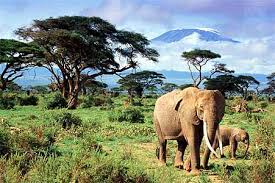

Are rocks biotic or abiotic factors?
biotic
abiotic

