
 Worksheets
Quiz aulas 55 e 56
Total questions: 8
Worksheet time: 40mins
Quando você está conversando, o que você quer transmitir é simplesmente falado, ou tem alguma intenção por trás das palavras?
Considerando que intenção é intencionar a ação, vamos ver o que é intencionalidade comunicativa!
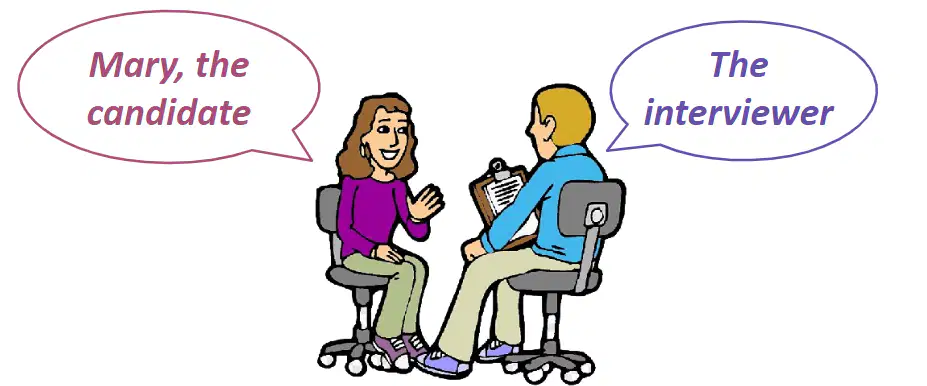
Situation: during a job interview for an administrative assistant position at a company.
Read the dialogue
The interviewer: “Good afternoon, Mary. Thank you for coming to the interview today. Could you tell us a little about your professional experience and why you are interested in this position?"
Mary: “Good afternoon! Thanks for the opportunity. I have significant experience in data analysis and digital marketing strategies, and I am very excited about the possibility of applying these skills at this particular company. I'm looking for an opportunity to contribute to a dynamic and innovative team like yours."
The intention of Mary's response is
to show how inexperient she i and express her enthusiasm about learning more being part of the company's team.
to highlight her experience relevant to the position and express her enthusiasm about being part of the company's team.
to highlight her experience relevant to the position and express that wants to quit the job since she doesn't like it.
Compreender a intenção por trás das palavras é crucial
porque a comunicação humana vai além
do significado literal das frases.
Crie um diálogo em inglês levando em consideração a intencionalidade comunicativa e os traços linguísticos apropriados para UMA das situações sugeridas abaixo:
Conversation between friends
Conversation between interviewee and interviewer
Conversation between father/mother and son/daughter
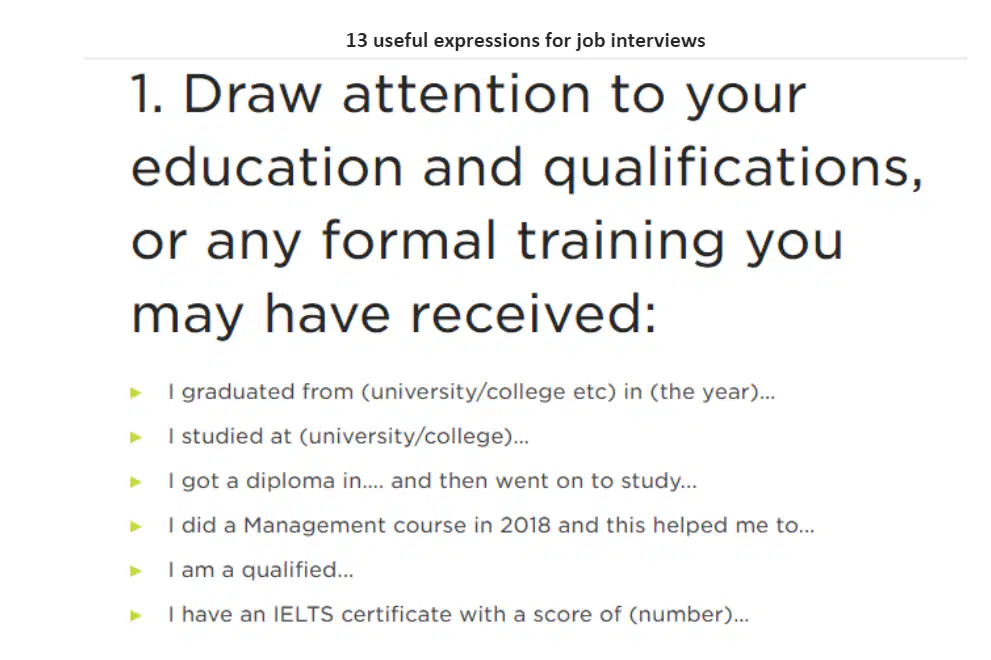
Qual é o efeito de sentido da expressão ‘education’ no texto fornecido?
Diploma de boas maneiras.
Eventos sociais na universidade.
Atividades físicas durante a faculdade.
Conhecimento obtido em escola ou educação superior.
A frase “I did a Management course in 2018” denota que o indivíduo
melhorou seus conhecimentos em informática.
aumentou seu interesse por ciências sociais.
tornou-se especialista na área de gestão.
desenvolveu habilidades culinárias.
Imagine que você está dando um jantar especial para comemorar um evento da sua empresa. Qual a melhor forma de iniciar seu discurso?
Escolha um dos períodos abaixo e formule uma frase.
"Good evening everyone"
"We are here tonight to"
"I'de like to begin with"
Elogiando pessoas:
Assinale a melhor forma de elogiar uma pessoa por seu trabalho
Our growth is thanks to your hard work
You just did your job
You didn't work hard enough to help us
O que a frase "I demanded high standards and you went beyond them." quer dizer?
Useful questions for polite interactions
When we ask a stranger or an acquaintance for help or for permission, there are different ways that we can ask politely to show respect. These three phrases will help you sound polite when asking questions in English.
Do you mind if I…?
You can use this expression to ask if an action would disturb someone. For example, “Do you mind if I close the window?” Or “do you mind if I smoke here?”I was wondering if…
This is an indirect way of asking a question. For example, instead of asking “Can I borrow your notes?” you can say “I was wondering if I could borrow your notes.” When you use this phrase, you have to use the next verb in the past tense: “I was wondering if you wanted to watch the game with me.”Could you give me a hand?
Giving someone a hand means helping someone, usually with something physical. If you need help, you can ask “Could you give me a hand?” If you see someone who might need help, for example someone is trying to move a heavy object, you can ask “Can I give you a hand with that?” When we are asking for help, we usually use ‘could’ because it sounds more polite than ‘can’.Qual é o efeito de sentido da expressão "Do you mind if I...?" no texto fornecido?
Expressar um pedido de ajuda.
Solicitar permissão de forma direta.
Indicar uma ação que pode incomodar alguém.

