
Font size
 Worksheets
Land Bridge Theory & European Arrival
Total questions: 18
Worksheet time: 13mins

Scientists once theorized that the ancestors of today's (a) reached (b) by walking across the (c) and made their way southward by following passages in the (d) as they searched for (e) .

Who were the first people to live on the land that became the United States, and where did they likely come from?
Hunters, who most likely migrated to North America from South America.
Hunters, who most likely migrated to North America from Asia.

How did the arrival of Christopher Columbus in 1492 change the history of the Americas?
The voyage revealed a new species of animal that the Europeans had been searching for, far and wide, for centuries.
The voyage revealed vast new lands to the Europeans.

All of the following were negative effects on Native Americans after European exploration and colonization began, EXCEPT:
widespread disease
death in warfare
strengthened friendship between the European colonizers
forced slavery

Though Christopher Columbus was an Italian explorer, which European country did he represent during his voyages to the Americas?
Great Britain
France
Spain
Portugal

Which of the following is not an area the Spanish established colonies after Columbus' discoveries?
West Indies
Central America
India
South America
Mexico

Who was the first Spanish explorer to reach the shores of what is now the United States, and where did he land?
Giovanni da Verrazzano, who landed in North Carolina.
Christopher Columbus, who landed in South Carolina.
Juan Ponce de León, who landed in Florida.
Juan Ponce de León, who landed in Louisiana.

What was the name of the French explorer who sailed up the Saint Lawrence River, and in what year did this happen?
Jacques Cartier, 1534.
Christopher Columbus, 1492.
Giovanni da Verrazzano, 1534.
John Cabot, 1492.

When and where did the English establish their first permanent settlement on the continent?
St. Augustine, Florida in 1607.
Columbus, Ohio in 1607.
Charleston, South Carolina in 1607.
Jamestown, Virginia in 1607.
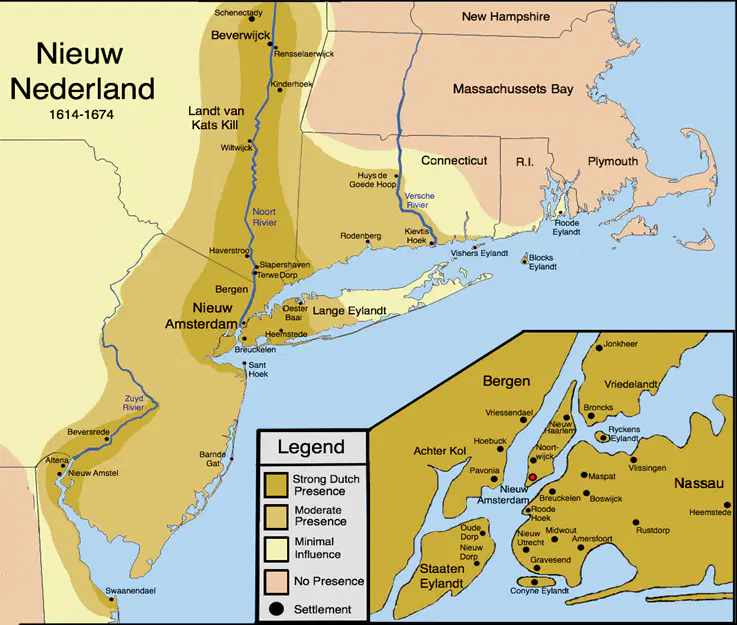
What was the name of the Dutch colony founded in the area of the Hudson River in 1624?
New Frankfurt
New Netherland
New Burgesses
New Danbury
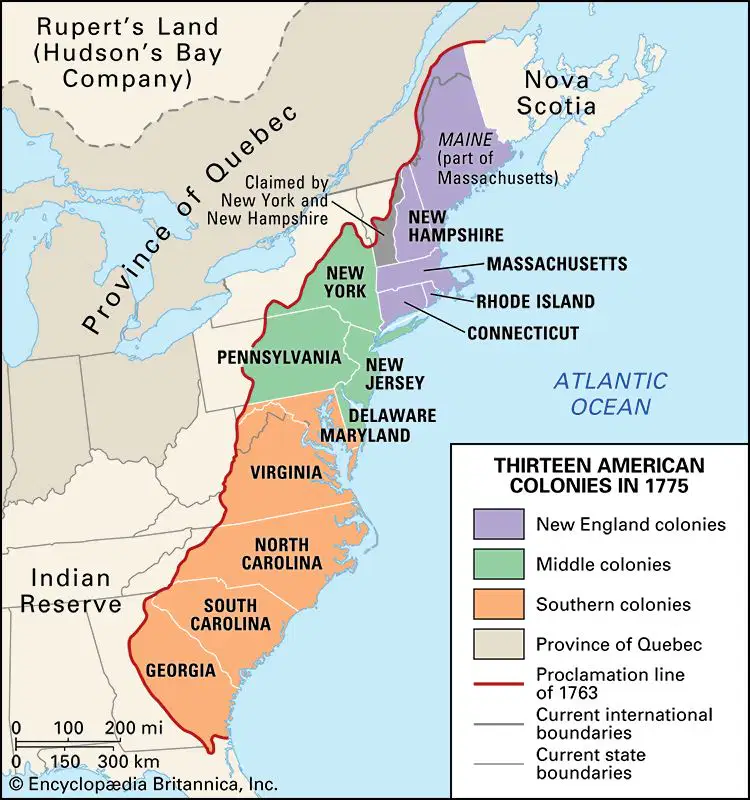
All of the following were some areas in which the colonies made advancements that led to rapid population growth, EXCEPT:
dancing
self-government
travel
religious freedom
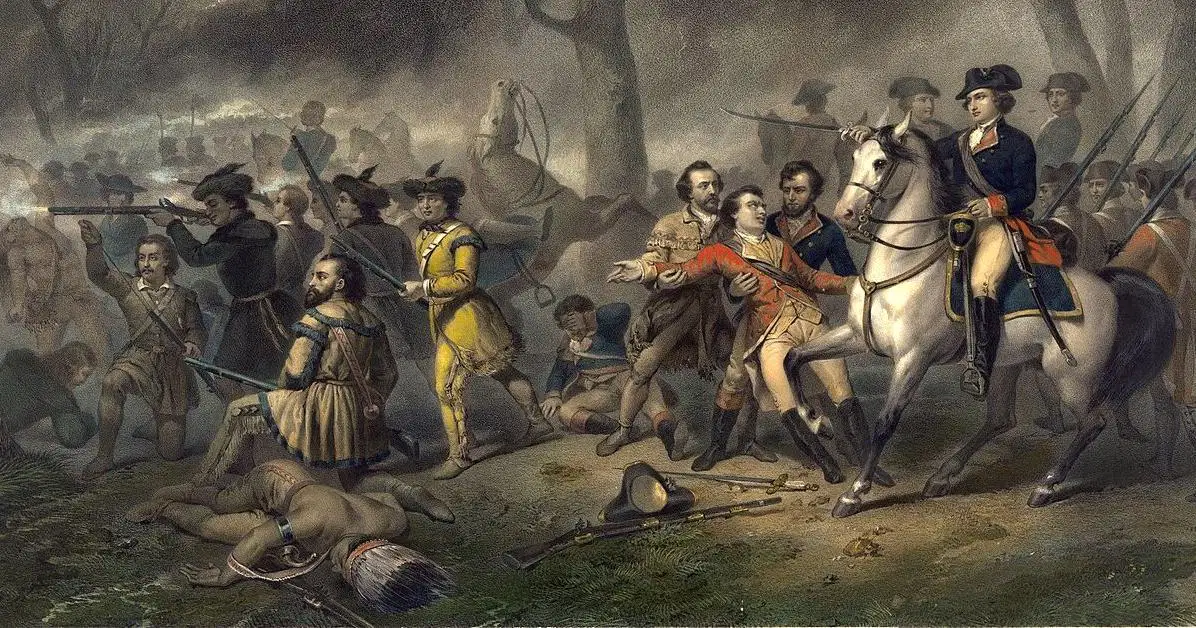
Which of the following was not a main reason for conflict between the English and French settlers in North America?
fur trade
alliances with the Native Americans
fishing rights
religious retribution

What was the outcome of the French and Indian War?
The war ended in 1763 with the defeat of France and its Native American allies.
The war ended in 1763 with the victory of France and its Native American allies.

After the French and Indian War, which European country had become the supreme power in North America?
Britain
France
Spain
Portugal
Organize the U.S. states into their right regions.
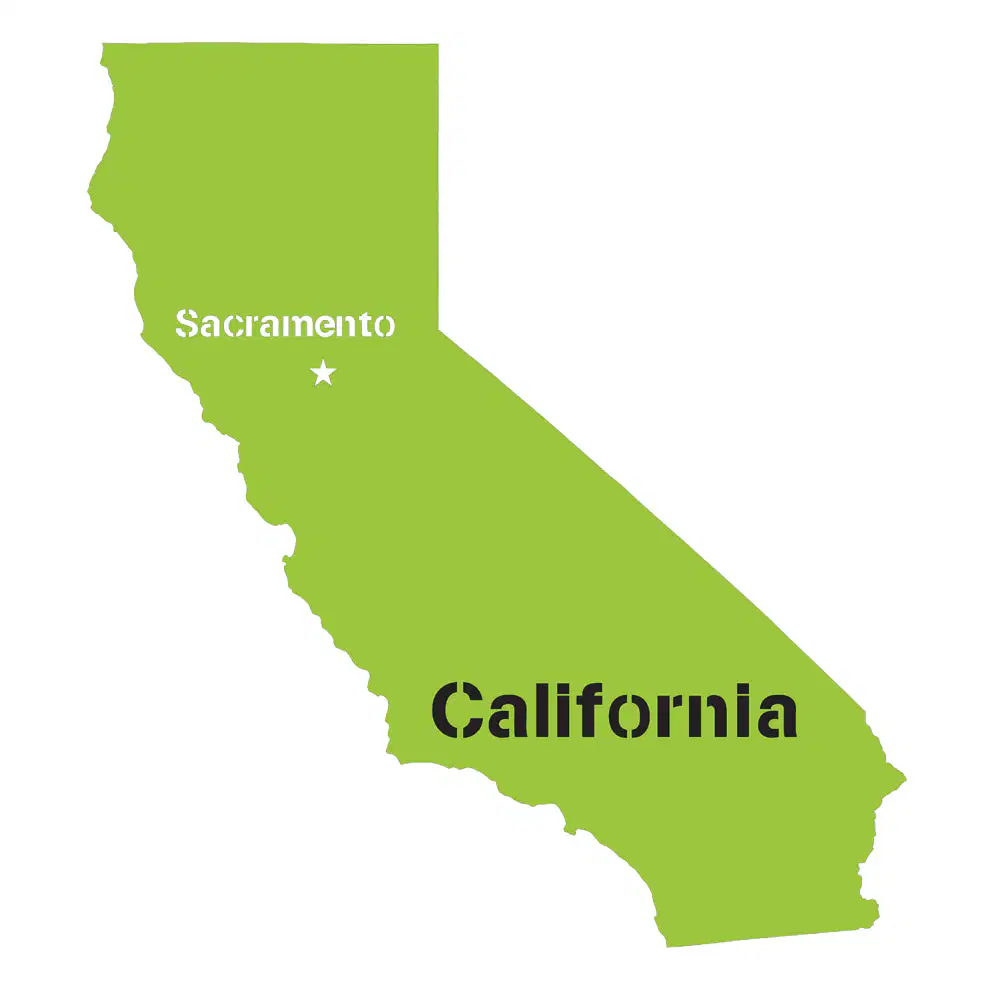
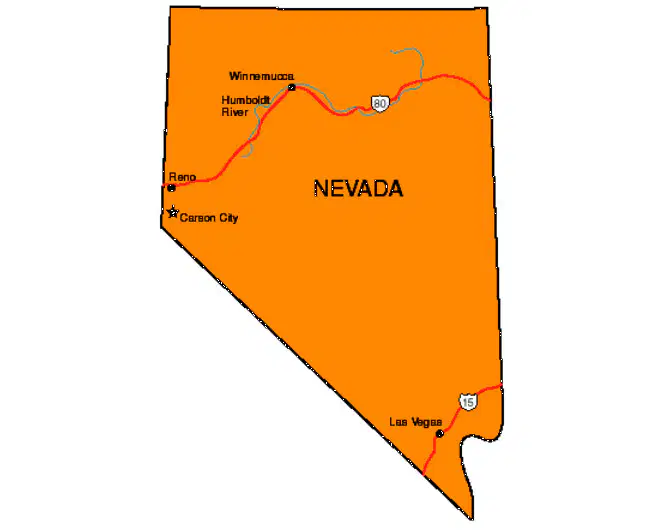
Nevada
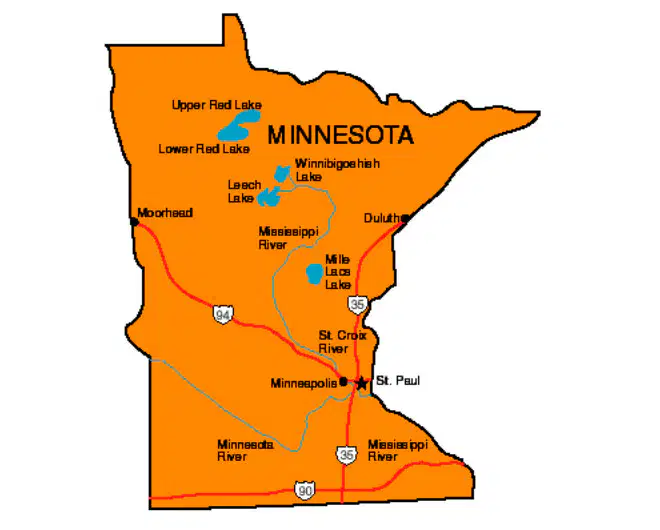
Minnesota
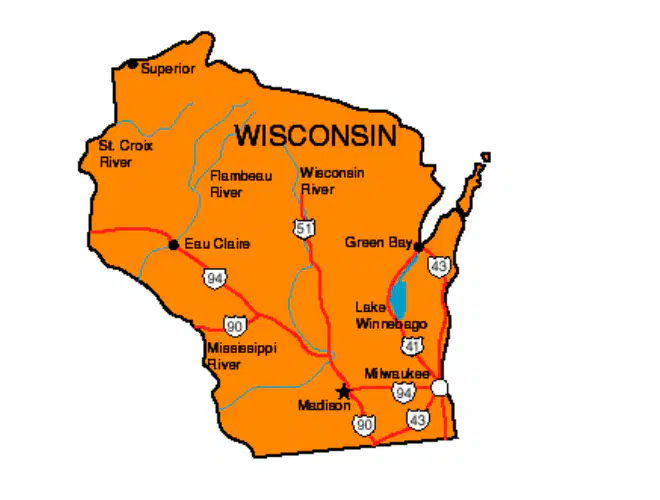
Wisconsin

Alabama

Virginia
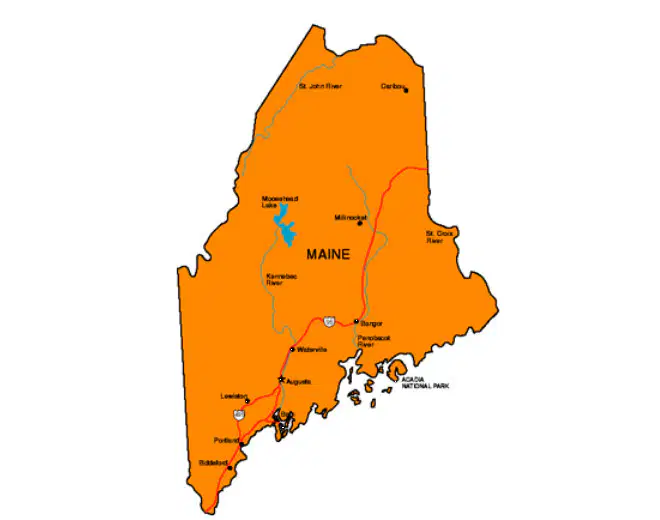
Maine

Pennsylvania
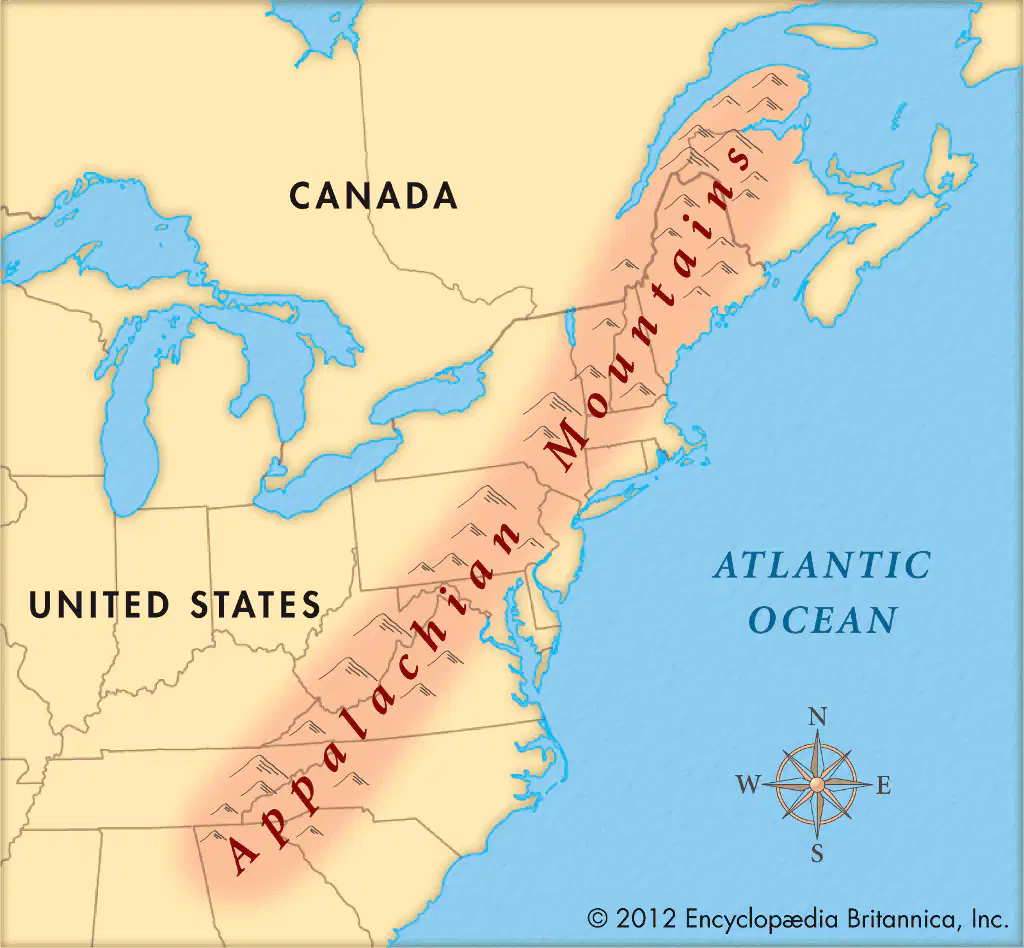
The Appalachian Mountains pass through all of the following states, EXCEPT:
Pennsylvania
New York
Missisisippi
Oregon

The Rocky Mountains pass through which group of states?
Alabama, Georgia, Kentucky, & Maryland
Arizona, Texas, New Mexico, & Oklahoma
Montana, Colorado, Wyoming, & Utah
Kentucky, Tennessee, Alabama, & Georgia
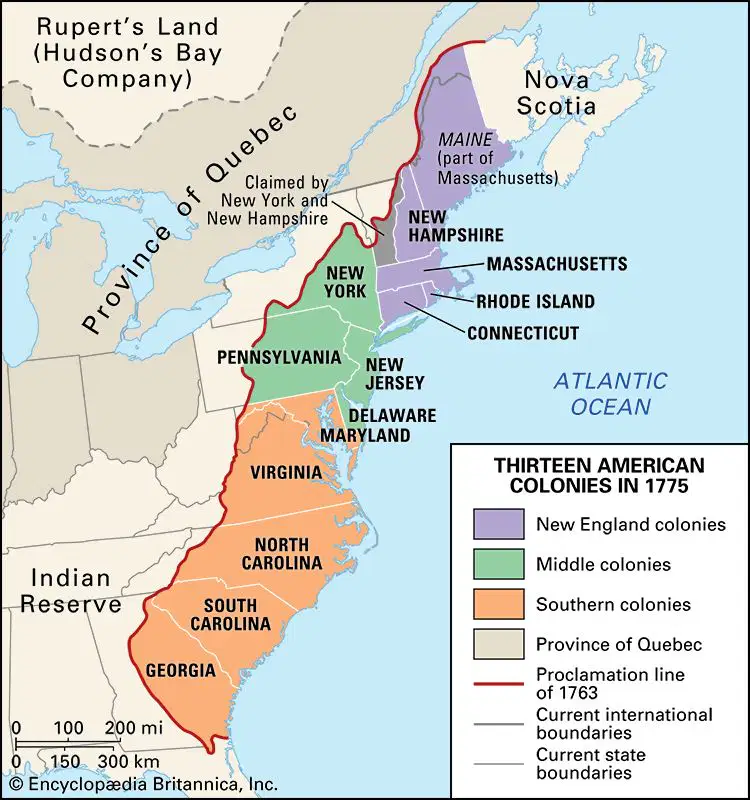
What was the ratio of Blacks to whites in South Carolina by 1765?
1 to 1
2 to 1
3 to 1
4 to 1

