
Font size
 Worksheets
Engines-201 warmup review for DSL-202
Total questions: 78
Worksheet time: 44mins
Combustion is a ________ reaction between fuel and oxygen that releases heat
chemical
fuel
atomic
light
What component moves up and down in a cylinder to convert force of combustion into rotational movement?
valve
piston
flywheel
bearing
Diameter of a cylinder, reference point for measuring cylinder wear
Bore
stroke
top dead center
bottom dead center
Total linear distance travelled by a piston between top and bottom of cylinder
bore
stroke
top dead center
bottom dead center
Bore + Stroke =
stroke ratio
pressure ratio
bore ratio
piston travel

if a bore is larger than the stroke=
over square
under square
square

if stroke is longer than bore=
square
under square
over square

if bore and stroke are equal to each other=
square
under square
over square
definition= T.D.C.
top dead center
total diesel control
top dead control
traction distance center
Definition: B.D.C.
bottom dead center
below dead center
bottom drain control
bottom dead control
Space remaining in a cylinder when the piston is at TDC.
clearance volume
zero point
total cylinder volume
compression ratio
Cylinder displacement + clearance volume=
total cylinder volume
clearance volume
displacement
volume
Converts reciprocating motion of pistons into rotational motion at the flywheel
camshaft
crankshaft
piston
valves
Creates seal between piston and cylinder wall
piston ring
piston bearing
valve
bleeder
Which component contains the valves?
head
block
rings
oil pan
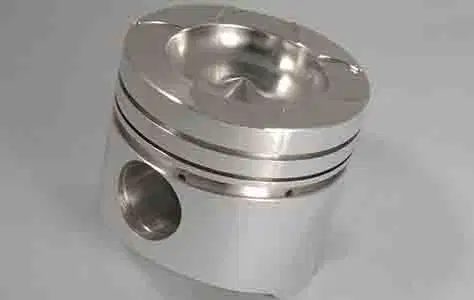
what is this component?
piston
cam shaft
bearing
rocker arm
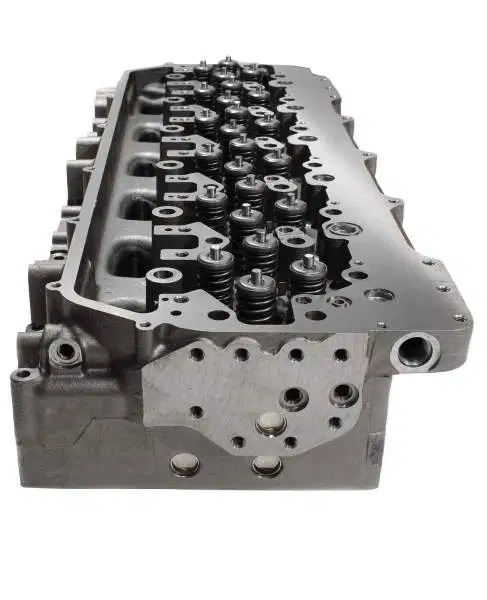
What component is this picture?
cylinder head
engine block
engine cylinder
camshaft

What component is this picture?
crankshaft
camshaft
bearing
rocker arm
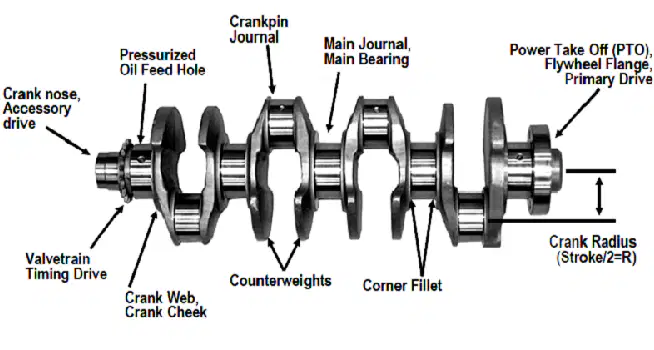
What component is this picture?
crankshaft
camshaft
main bearing
flywheel

What is the term for vertical lines dragged into a cylinder wall that will allow oil blow by.
scoring
dragging
lifting
hatching
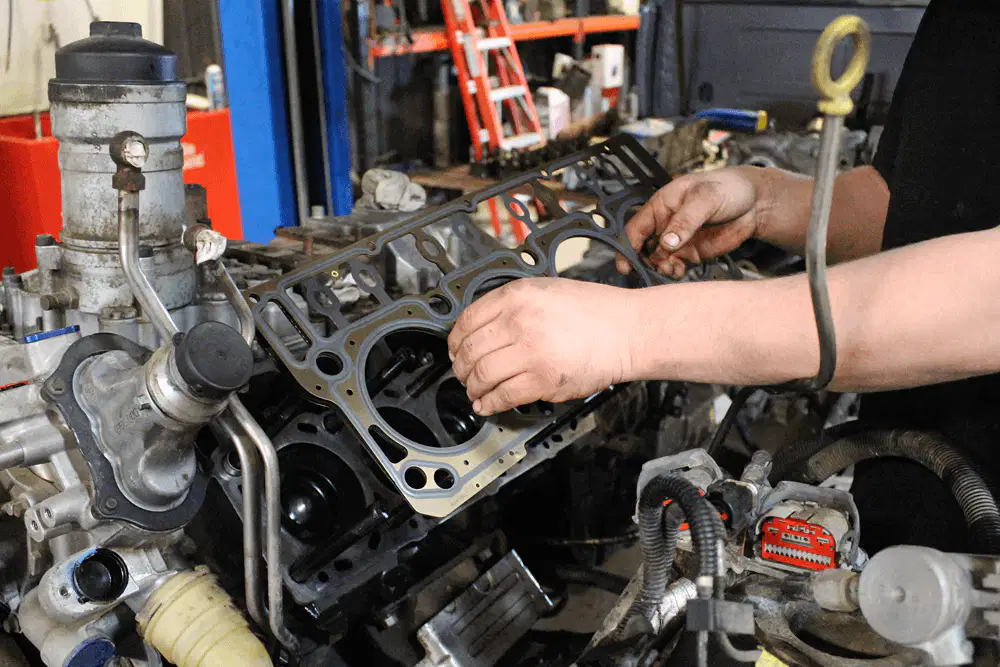
What is the best option when building a engine for correct rebuild?
technical guides for that specific engine
Grumpy old man mechanic in the corner
Youtube
What is the function of the camshaft in an engine?
To convert reciprocating motion into rotational motion
To open and close the engine's valves
To support the crankshaft
To house the pistons

What is the term used for aligning all internal components so they function together flawlessly?
(a)
How does EGR help in reducing engine emissions?
By increasing the combustion temperature.
By recirculating a portion of the exhaust gases back into the intake manifold.
By reducing the amount of fuel injected.
By increasing the air intake.
Every 1 psi increase in cooling system operating pressure will increase the cooling system’s boiling point by ____ºF.
1
2
3
4
Thermostat operational movement is controlled by a(n) __________.
Engine control module
Electrical temp sensor
Mechanical wax pellet
Dingle valve
What is the thermal efficiency formula used in the document?
Thermal Efficiency = Fuel Energy - Heat Loss
Thermal Efficiency = Fuel Energy / Heat Loss
Thermal Efficiency = Heat Loss / Fuel Energy
Thermal Efficiency = Fuel Energy + Heat Loss
What happens to the rejected heat in a diesel engine?
It is absorbed by the engine.
It is transferred to the cooling system.
It is released into the atmosphere.
It is stored in the fuel tank.
Which of these is a function of diesel engine lubrication.
Sealing piston rings
Cooling and cleaning components
polish components
Storing an adequate supply of oil
What are the two sources from which lubricating oil can be derived?
Mineral oil and synthetic oil
Mineral oil and biological sources
Synthetic oil and biological sources
Crude oil and synthetic oil
What does "SAE" stand for in the API Service Symbol?
Society of Automotive Engineers
Standard Automotive Equipment
Service and Engine
Society of Engine Experts
What does the API Service Symbol indicate on oil containers?
The price of the oil
The temperature tolerance of the oil
The certification and performance level of the oil
The brand of the oil
What does the "SAE 30" in the API Service Symbol represent?
The oil's viscosity grade
The oil's certification level
The oil's brand
The oil's price
Which API standards are included in the global standard for engine oil for diesels?
A) DLD-1, DLD-2, DLD-3
B) DLD-4, DLD-5, DLD-6
C) DLD-7, DLD-8, DLD-9
D) DLD-10, DLD-11, DLD-12
Which of the following best describes a fluid with high viscosity?
A) Flows easily
B) Flows with difficulty
C) Evaporates quickly
D) Changes color rapidly
Which of the following statements is true about SAE 50 oil?
It has a lower viscosity rating at high temperatures compared to SAE 20W/50
It is a multigrade oil
It has a higher viscosity rating at high temperatures compared to SAE 20W
It is suitable for use in cold climates
What is the main purpose of viscosity additives in multigrade oils?
To change the color of the oil
To improve the oil's smell
To maintain the oil's viscosity over a range of temperatures
To increase the oil's boiling point
The most common diesel engine type classification based on working Cycle is the ____________.
2 stroke
3 stroke
4 stroke
6 stroke
Internal Combustion engines can be classified by the type of ignition they have. What type of ignition classifications is a gas engine?
(a)
Internal Combustion engines can be classified by the type of ignition they have. What type of ignition classifications is a diesel engine?
(a)
What is the difference between an OHC engine and an OHV engine?
Spelling
Nothing means the same thing
Location of the cam shaft
Fuel Type
Engine design is a type of engine classification that include rotary, reciprocating, inline, opposed piston, V & W Configurations. Which Type is the most common design configuration?
V
Inline
W
Rotary
Engines can be classified by their air intake process. They are __________________.
Natural Aspiration
Super Charged
Turbo Charged
Fusion Generation
Cold Air Aspiration
Super Charged
Turbo Charged
Crankcase Compressed
Natural Aspiration
Super Charged
Turbo Charged
Crankcase Compressed
Natural Aspiration
Backdraft Aspiration
Turbo Charged
Crankcase Compressed
True or False: A classification of engines is the method of fuel delivery. Those methods are
1.Common rail fuel injection pump.
2.Distributor (rotary) fuel injection pump.
3.In-line fuel injection pump.
4.Distributor injection pump.
True
False
Air Cooled is which type of engine classification?
Fuel Input
Air intake system
Cooling Type
Design
Which component is responsible for timing the opening and closing of the engine's valves?
Crankshaft
Camshaft
Piston
Connecting rod
Which of the following is NOT a function of diesel engine lubrication systems?
Reduce friction to minimize wear and heat
Cool and clean components
Increase the supply of oil
Minimize corrosion
Which of these is a function of diesel engine lubrication.
Sealing piston rings
Cooling and cleaning components
polish components
Storing an adequate supply of oil
What are the two sources from which lubricating oil can be derived?
Mineral oil and synthetic oil
Mineral oil and biological sources
Synthetic oil and biological sources
Crude oil and synthetic oil
What does "SAE" stand for in the API Service Symbol?
Society of Automotive Engineers
Standard Automotive Equipment
Service and Engine
Society of Engine Experts
What does the API Service Symbol indicate on oil containers?
The price of the oil
The temperature tolerance of the oil
The certification and performance level of the oil
The brand of the oil
What does the "SAE 30" in the API Service Symbol represent?
The oil's viscosity grade
The oil's certification level
The oil's brand
The oil's price
Which of the following best describes a fluid with high viscosity?
A) Flows easily
B) Flows with difficulty
C) Evaporates quickly
D) Changes color rapidly
Which of the following statements is true about SAE 50 oil?
It has a lower viscosity rating at high temperatures compared to SAE 20W/50
It is a multigrade oil
It has a higher viscosity rating at high temperatures compared to SAE 20W
It is suitable for use in cold climates
What is the main purpose of viscosity additives in multigrade oils?
To change the color of the oil
To improve the oil's smell
To maintain the oil's viscosity over a range of temperatures
To increase the oil's boiling point
What percentage of engine maintenance and breakdown is related to cooling system maintenance?
30%
40%
50%
60%
What is the thermal efficiency formula used in the document?
Thermal Efficiency = Fuel Energy - Heat Loss
Thermal Efficiency = Fuel Energy / Heat Loss
Thermal Efficiency = Heat Loss / Fuel Energy
Thermal Efficiency = Fuel Energy + Heat Loss
What does EGR stand for in the context of cooling systems?
Engine Gas Recirculation
Exhaust Gas Recirculation
Emission Gas Reduction
Energy Gas Recirculation
Why must the cooling system capacity be increased for engines with EGR?
To reduce noise.
To handle the additional heat load.
To improve fuel efficiency.
To decrease engine size.
What is the significance of cooling exhaust gas from 1200°F to 400°F in engines with EGR?
To increase fuel efficiency.
To reduce engine noise.
To prevent engine damage.
To improve exhaust emissions.
What is the temperature of the exhaust gas before it is cooled in engines with EGR?
1000°F
1100°F
1200°F
1300°F
What is the primary function of the EGR system in an engine?
To increase engine power.
To reduce nitrogen oxide emissions.
To improve fuel economy.
To decrease engine noise.
Which component is directly affected by the increased heat load due to EGR?
Fuel injectors
Turbocharger
Radiator
Air filter
How does EGR help in reducing engine emissions?
By increasing the combustion temperature.
By recirculating a portion of the exhaust gases back into the intake manifold.
By reducing the amount of fuel injected.
By increasing the air intake.
Every 1 psi increase in cooling system operating pressure will increase the cooling system’s boiling point by ____ºF.
1
2
3
4
Thermostat operational movement is controlled by a(n) __________.
Engine control module
Electrical temp sensor
Mechanical wax pellet
Dingle valve
Which of the following statements is true about synthetic oil?
It is derived from crude oil
It is less stable at high temperatures
It provides better lubrication at extreme temperatures
It is not suitable for high-performance engines
What is the primary purpose of the piston rings in an engine?
To support the crankshaft
To create a seal between the piston and cylinder wall
To house the pistons
To transfer cam lobe action to valves
what component attaches to the rear of crankshaft to transfer energy to the drive train?
flywheel
piston
camshaft
valve
What component maintains the flow of exhaust/intake of air into a engine.
oil pan
cylinder head
piston
valve cover
What component is "not" supported by the cylinder head?
crankshaft
camshaft
fuel injectors
intake
What component is not used for a overhead cam setup?
valve bridge
pushrod
valve
spring
What can be a sign of worn valve guides?
oil consumption
misfire
hardstart
incorrect timing
What is the purpose of a valve spring?
keeps valves open when cam is on base circle
keeps valves closed when cam is on base circle
increases valve stroke
decreases valve stroke
Torque to yield bolts are single use; stretched past yield point.
true
false
Torque-turn method requires initial torque, additional degrees of turning
true
false
Is it common for a head gasket to be multilayer?
true
false
What is the purpose of a head gasket in an engine?
Seal the combustion chamber
Lubricate engine parts
Regulate engine temperature
Control fuel injection

