
Font size
 Worksheets
COLD WATER DISTRIBUTION SYSTEM
Total questions: 25
Worksheet time: 14mins
As much as possible, water main should be laid above the elevation of concrete sanitary sewers, or crossover points, and at least 2 meters horizontally from such sanitary sewer when they are parallel. Should this be impossible for some reasons, the sewer main must be encased in concrete.
True
False
Lead pipe should be used for distribution of soft acid water or for water having high concentration of dissolved oxygen or chlorides.
True
False
Wells that are supplying water for public use should be located at a minimum distance of ____________ radius from residential areas
400 meters
300 meters
200 meters
100 meters
All residents within this zone limit are not required to have sanitary sewage facilities.
True
False
There should be no concrete sanitary sewers existing within the _________ radius of the well.
10 meters
15 meters
20 meters
25 meters
No outdoor privy, cesspools, septic tank or drain fields shall be located within _________ radius from the well.
30 meter
35 meter
40 meter
45 meter
Mainly found in hot water pipework systems. As the pipe gets hotter and expands, it causes creaking sounds which are often repeated as it cools and contracts. The use of relevant pipe clips, brackets or pads between pipes, fittings and pipework surfaces should help to deal with expansion and contraction.
Flow Noise
Water Hammer
Expansion Noise
Defective Pipe
This is probably the most common cause of complaint from customers. When a valve is closed suddenly, shock waves are transmitted along the pipework making a loud hammering noise. The problem is made worse where cold water supply pipework is not adequately clipped.
Expansion Noise
Defective Pipe
Water Hammer
Flow Noise
Pipework noise becomes significant at velocities over 3 m/s, so the system should be designed to operate below 3 m/s even if it means increasing the diameter of the pipe.
Flow Noise
Expansion Noise
Defective Pipe
Water Hammer
It happens when the water supply is connected to a device that creates pressure, such as a boiler, pressure washer, etc. The pressure created can be greater than the water supply, thereby creating backflow.
Back-siphonage
Back-water
Back-pressure
Back-flow
It happens when there is a loss of pressure in the water supply. This will cause the water in your facility to flow backwards back into the water supply and/or into other plumbing connections within your facility. This situation can occur when a fire hydrant is opened, when there is a water main break, etc.
Back-pressure
Back-siphonage
Back-water
Back-flow
A pipe from the street water main or other source of water supply to the building served.
Main Pipe
Auxiliary Pipe
Service Pipe
Supply Pipe
A device used to measure in liters or gallons the amount of water that passes through the water service.
Stop Valve
Water Meter
Shut-off Valve
Electric Meter
The principal water distribution pipe running from the water meter from which the various branches and risers to the fixtures are taken
Distribution Line
Horizontal Supply Main
Stack Pipes
Branch Pipes
A water supply pipe extending vertically to one full story or more to convey water into pipe branches or plumbing fixtures.
Vertical Main Pipe
Branch Pipe
Riser
Distribution Line
a.k.a. ‘Full-way Valve’ used mainly to completely close or completely open the water line (does not control flow of water). Best suited to the main supply and pump lines wherein operation is infrequent.
Check Valve
Shut-Off Valve
Gate Valve
Globe Valve
2 common types of gate valves
Plug Type
Double Disc
Conventional Disc
Controls the flow of water with a movable spindle, Can reduce water pressure (throttling), Only one side of the valve is an inlet
Globe Valve
Check Valve
Shut-off Valve
Gate Valve
Main function is to prevent reversal of flow (backflow) in the line
Gate Valve
Globe Valve
Check Valve
Shut-off Valve
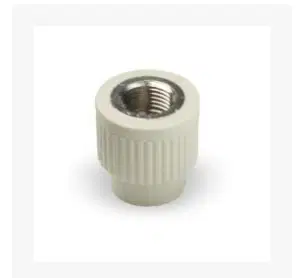
TYPE OF PPR FITTING
(a)
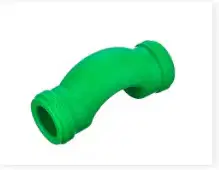
TYPE OF PPR FITTING
(a)
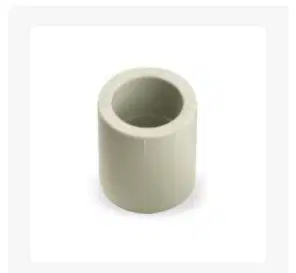
TYPE OF PPR FITTING
(a)
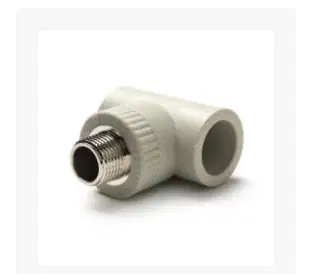
TYPE OF PPR FITTING
(a)
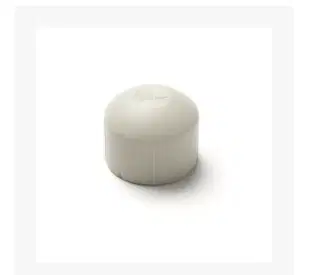
TYPE OF PPR FITTING
(a)
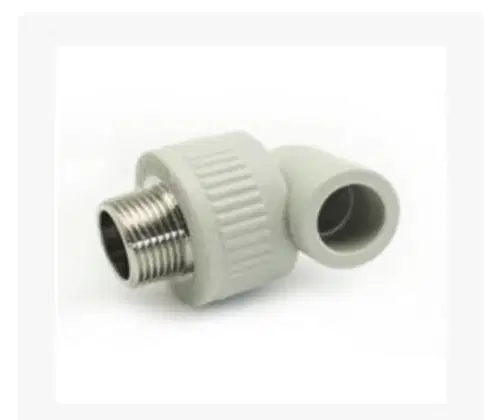
TYPE OF PPR FITTING
(a)

