
 Worksheets
Unit 2 Study Guide
Total questions: 71
Worksheet time: 2hrs 35mins
American's created the Articles of Confederation to be weak on purpose because they feared a _____________ central government.
strong
weaker
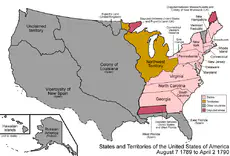
The Northwest Ordinance outlawed _____________ north of the Ohio River
Slavery
Alchohol
Indentured Servitude
Piracy
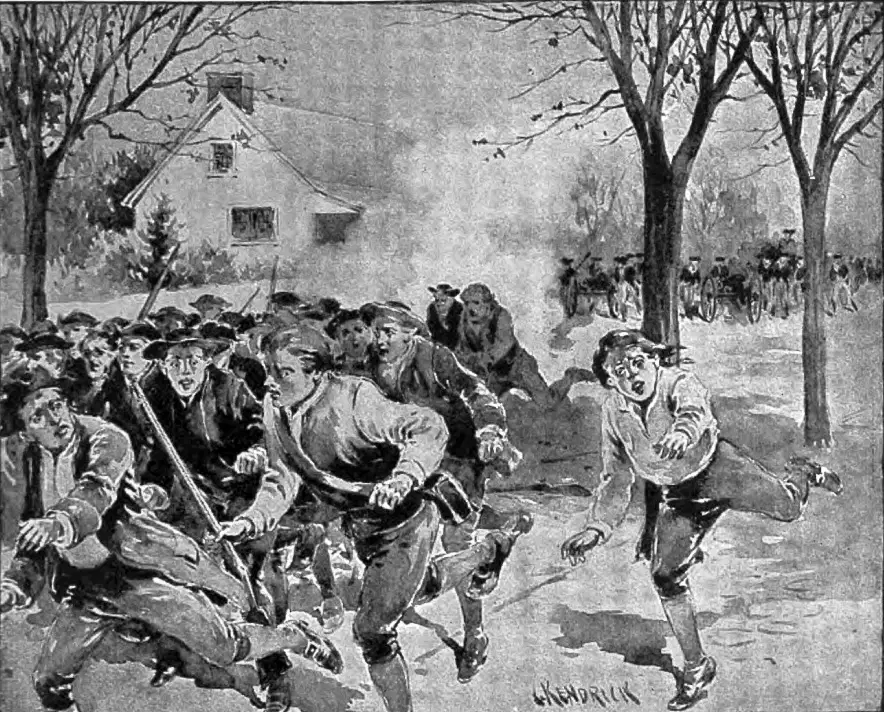
_____________ Rebellion exposed the weakness of the central government.
Stono
Haitian
Bacon's
Shay's

True/False: Thomas Jefferson said the rebellion was a good thing because people should challenge the government from time to time to ensure their freedoms.
True
False
__ of 13 states had to amend the Articles of Confederation. This made it very challenging to make amendments early on.
9
12
13
7

Once the Articles of Confederation were considered "cooked", they held the Constitutional Convention in __________________ to try and revise the articles.
Philadelphia
New York
Baltimore
Washington DC
The New Jersey and Virginia Plan were both trying to establish ____________within their state. They also tried to settle issues between power of states and the national government.
taxes
representation
armies
housing
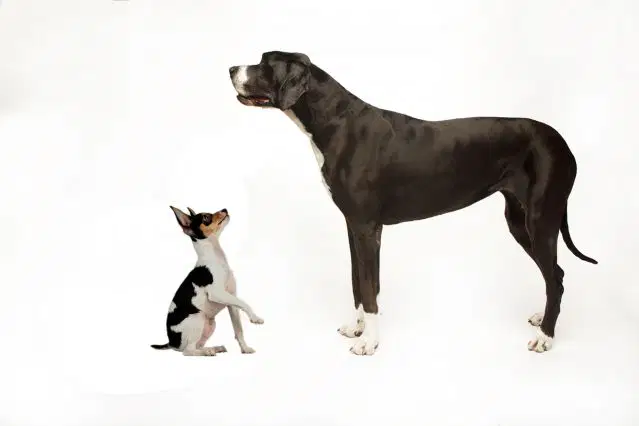
The Virginia Plan granted more power to states with______________populations.
Larger
Smaller
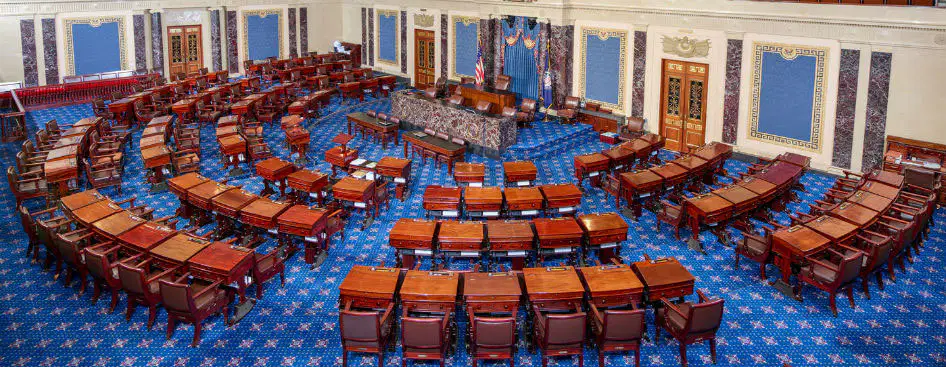
A bicameral legislature means 2 houses. Today we have the House of Representatives and the ______________. (Traced back to the New Jersey Plan)
The Senate
Congress
Supreme Court
President
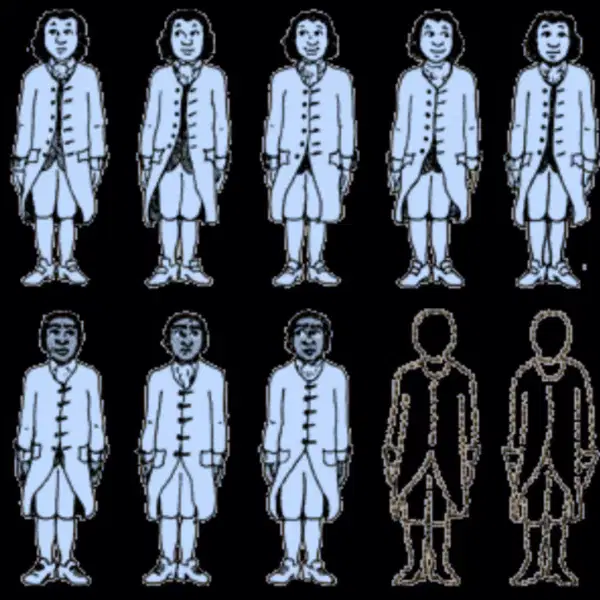
True or false: Slaves were counted fully in the population count for the southern states.
True
False
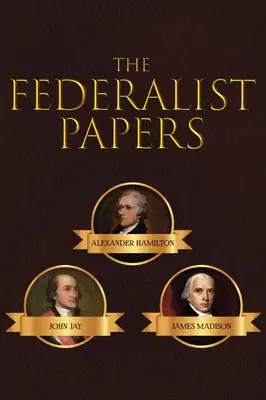
The Federalist Papers were trying to convince folks to support _________________________.
Ratifying the Constitution
Declaring War on Britain
Taxation
The House of Burgesses
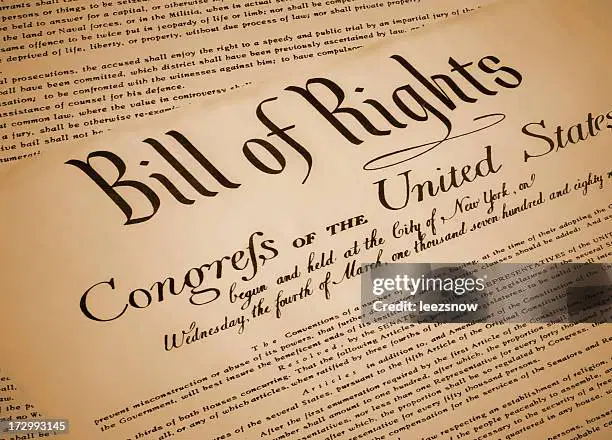
True or False: Alexander Hamilton supported the Bill of Rights initially.
True
False
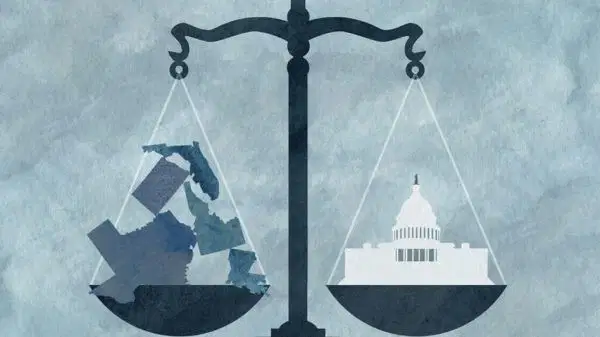
True/False: Federalism is the power to govern in limited forms by the national government.
True
False
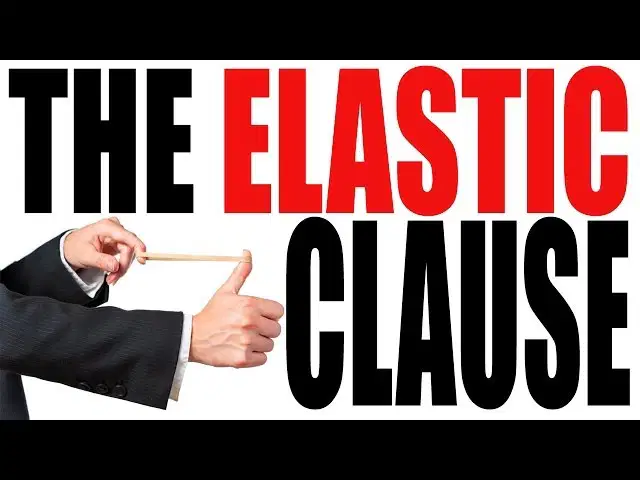
The allows Congress to exercise powers not specifically listed in the Constitution.
Bill of Rights
Mayflower Compact
Elastic Clause
Declaration of Independence

True/False: Thomas Jefferson and Alexander Hamilton were best friends and agreed on everything.
False
True


Which principle means that government powers are divided between the national and state governments?
Separation of Powers
Federalism
Checks and Balances
Republicanism
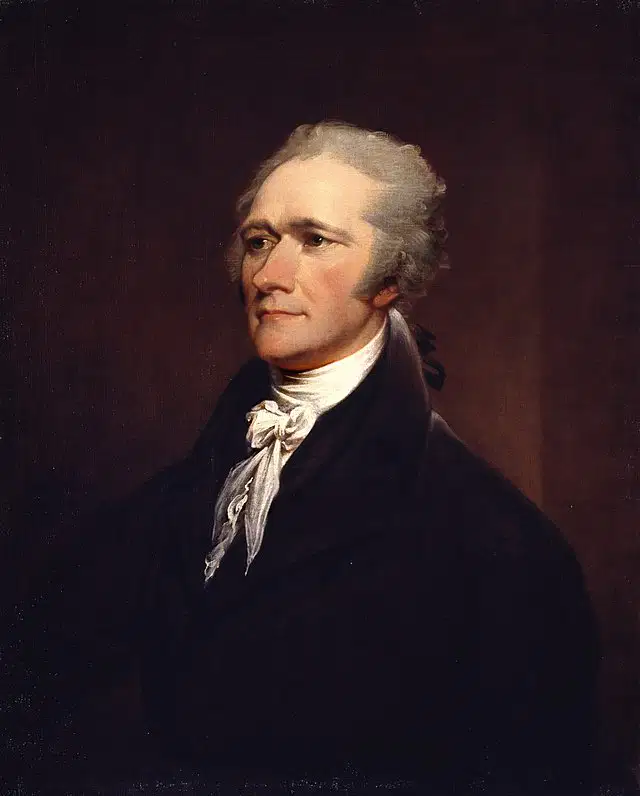
This group supported strong central (national) government
Federalists
Anti-Federalists

This group supported stronger state governments
Federalists
Anti-Federalists

What event in Europe was dividing Federalist and Anti-Federalist?
War of 1812
Spanish Civil War
French Revolution
30 Years War
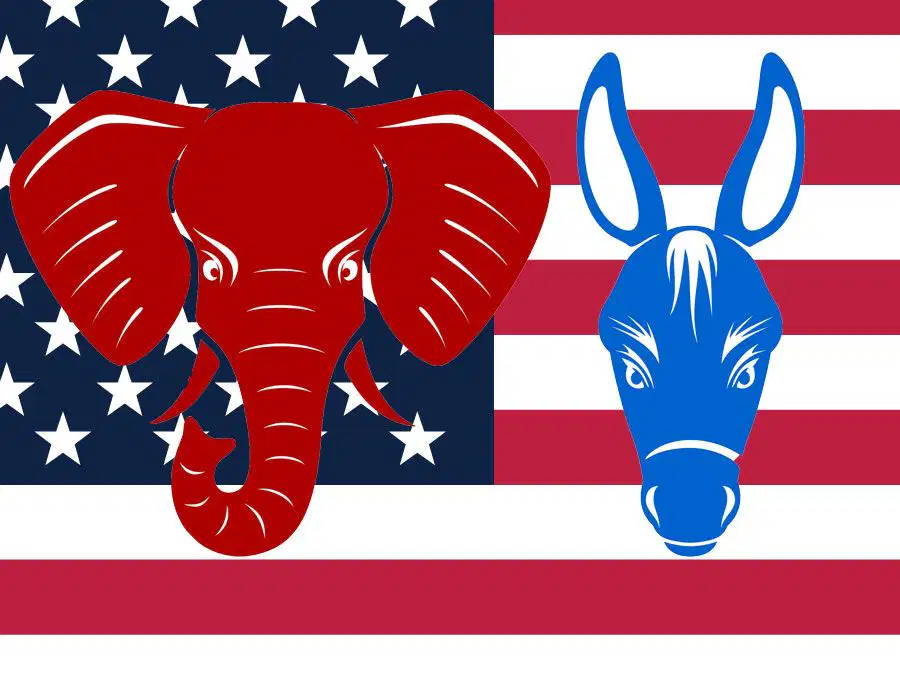
Which Party believed in a strict reading (interpretation) of the U.S. Constitution? (Were followers of Jefferson) Also believed in decentralized government with specific political powers.
Independents
Democratic Republicans
Federalists
Whig Party

What were the three parts of Hamilton's Financial Plan?
Paying off the national debt, creating a national bank, and imposing taxes on goods
Limiting the power of the federal government, creating a national bank, and imposing taxes on goods
Paying off the national debt, creating a state bank, and imposing taxes on goods
Paying off the state debt, creating a national bank, and imposing taxes on imports
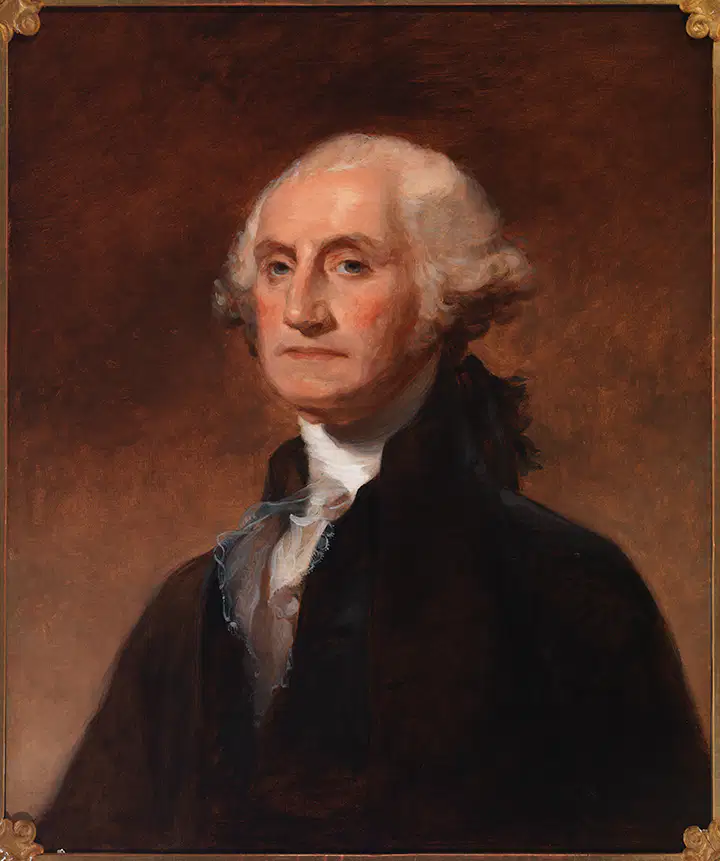
What did Washington's Farewell address stress?
The importance of unity among the states
The importance of getting involved in foreign affairs
The importance of political parties
The importance of limiting the power of the federal government

Where did they move the capital after James Madison, Jefferson and Hamilton made a deal?
Philadelphia
Washington DC
State of Washington
Charleston

What group was affected by Shays' Rebellion?
Democratic-Republicans
Federalist
Manufacturers
Farmers

What Constitution was in place for the Whiskey Rebellion?
Articles of Confederation
The U.S. Constitution

Who stopped the Whiskey Rebellion? This would be significant in exemplifying the new power of the federal government.
State militia
Federal militia (along with George Washington)
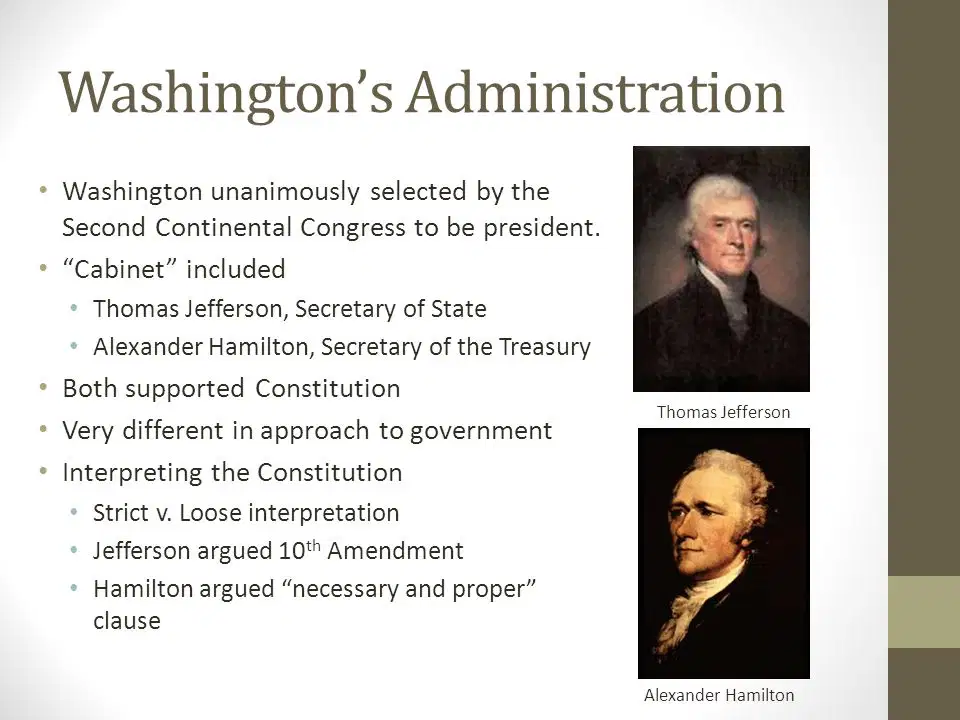
What were the (2) political parties created during Washington term in office?
Democrats and anti-federalist
Federalist and Democratic Republicans
Republicans and anti-federalist
All of the above
Which party was led by "Merchants and which party was led by Farmers"? _______________ (Merchants) and _____________ (Farmers).
Federalist, (Merchants) and Democratic Republicans (Farmers)
Elite, (Merchants) and Democratic Republicans (Farmers)

Which party "Opposed" Hamilton Financial Policies?
Republicans
Federalist
Democratic Republicans
A & B
Who set the "Precedent" (Standards) for a two term Presidency?
G. Washington
A. Hamilton
T. Jefferson
J. Adams
A major principle of US foreign policy know as _______ first espoused in the famous farewell address by George Washington
Emancipation
Belligerence
Interposition
Neutrality
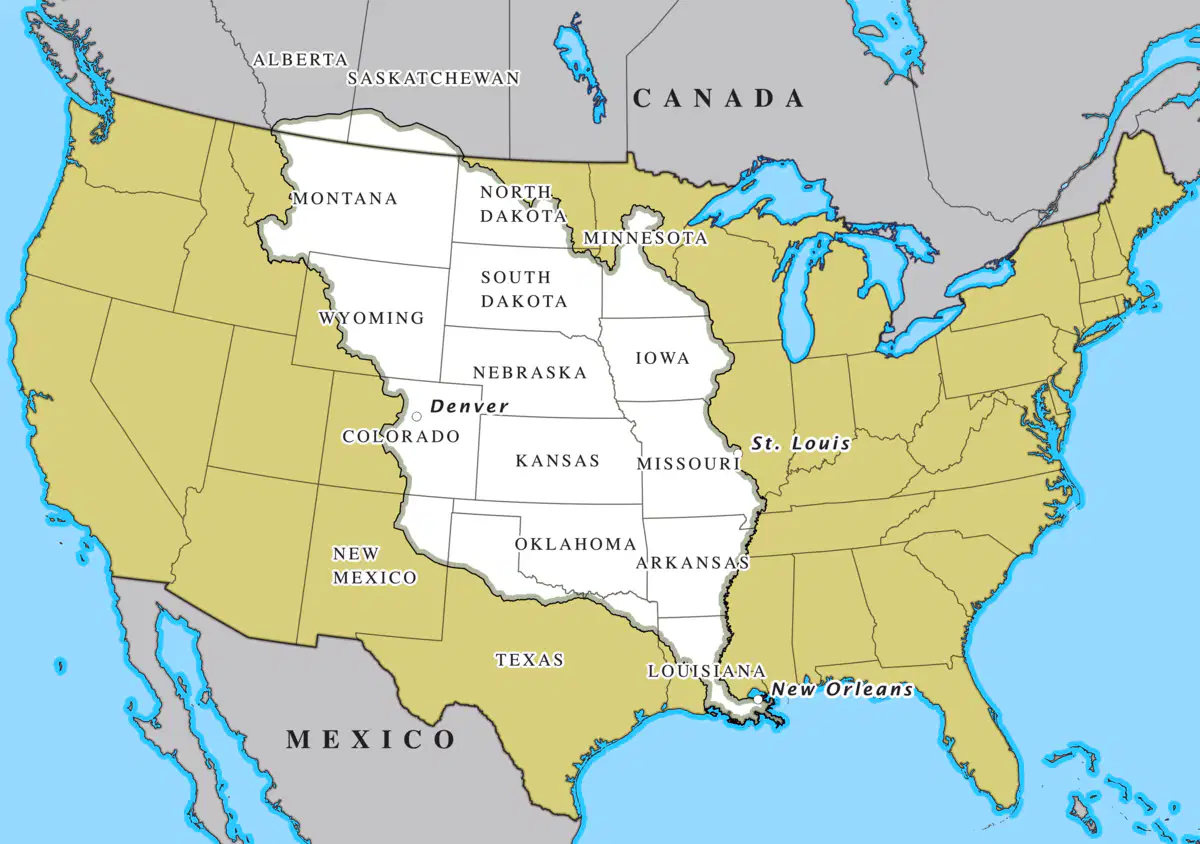
The Louisiana Purchase of 1803
was a major cause of the Spanish-American War
resulted in increase conflict between the US and France
resulted in the removal of all British military forces from North America
Almost doubled the area of the US and gave it control of the Mississippi River
Which of these was a precedent set by the first President of the United States, George Washington
the popular election of the President
the tradition of only serving two terms
naming the nine Justices to the Supreme Court
addressing the Chief Executive as a "Your Highness"

True/False: George Washington though political parties would divide the nation and open the nation to foreign influences.
True
False
George Washington believed Political Parties were beneficial to the nation
True
False

What was George Washington's advice on Foreign Policy?
The Nation should remain neutral and avoid permanent alliances
The Nation should end slavery
The Nation should expand from East to West
The Nation should colonize Latin America
How did France respond to the Jay treaty that they thought favored Britain?
They seized American ships in the West Indies
They declared War on the United States
The refused to see Pinckney the representative from America to France
They demanded that America Increase its aid to Britain
In the War between France and Britain Washington wanted America to
Side with France
Side With Britain
Remain Neutral
Help Both
When American reprenatives got to France what did the French agents ask for?
Land
War
The end of all Hostilities
a bribe
How did America respond to the French request for a bribe?
They gave them the bribe
They asked to negotiate the bribe
They refused to pay the bribe and readied for war
They tried to get Britain to pay the bribe
After America's refusal to pay a bribe how did France respond?
They declared War
They ignored America
They labeled us their enemy
They accepted a new American delegation and became friends
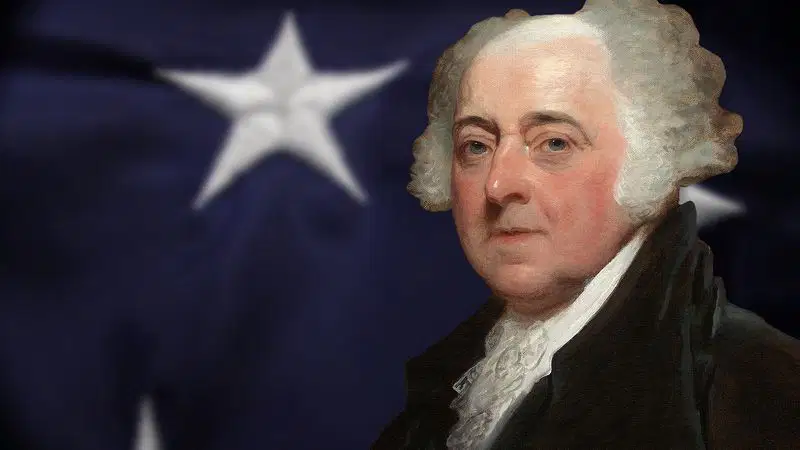
Which of these BEST describes the purpose of the Alien and Sedition Acts?
They prevented people from becoming citizens of the United States.
They provided a means to safely protect the country from French invasion.
They were meant to punish the Federalists who supported the National Bank.
They were aimed at people who were criticizing President Adams' foreign policy.
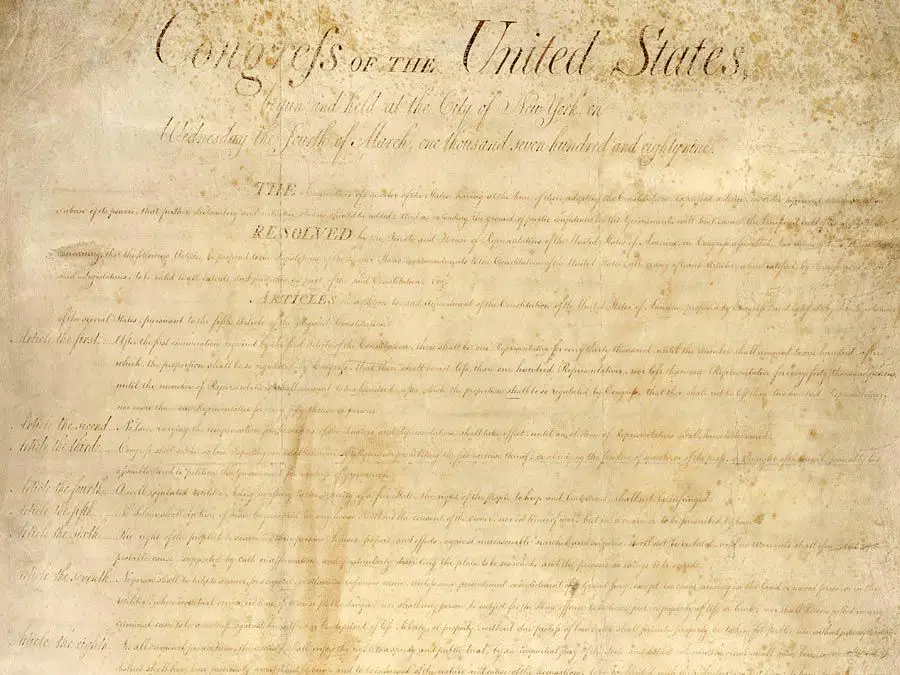
When studying the Constitution and early United States History, the Alien and Sedition Acts of 1798 can be viewed as a violation of which of these?
Checks and Balances
Popular Sovereignty
the Fifth Amendment
the First Amendment
What was the Nullification Crisis?
A conflict between the federal government and the states over the power of nullification and states' rights
A conflict between England over the power of nullification
A conflict between the federal government and the states over Slavery
A conflict between the federal government and the states over water rights
19th
17th
11th
12th
Which political party did Marshall most likely fit into?
Anti-federalist
Democratic Republican
Federalist
Whig
What was a common theme of Marshall's rulings?
Preservation of states' rights
Constitutionality of federal power
Checks and balances
Extension of democracy
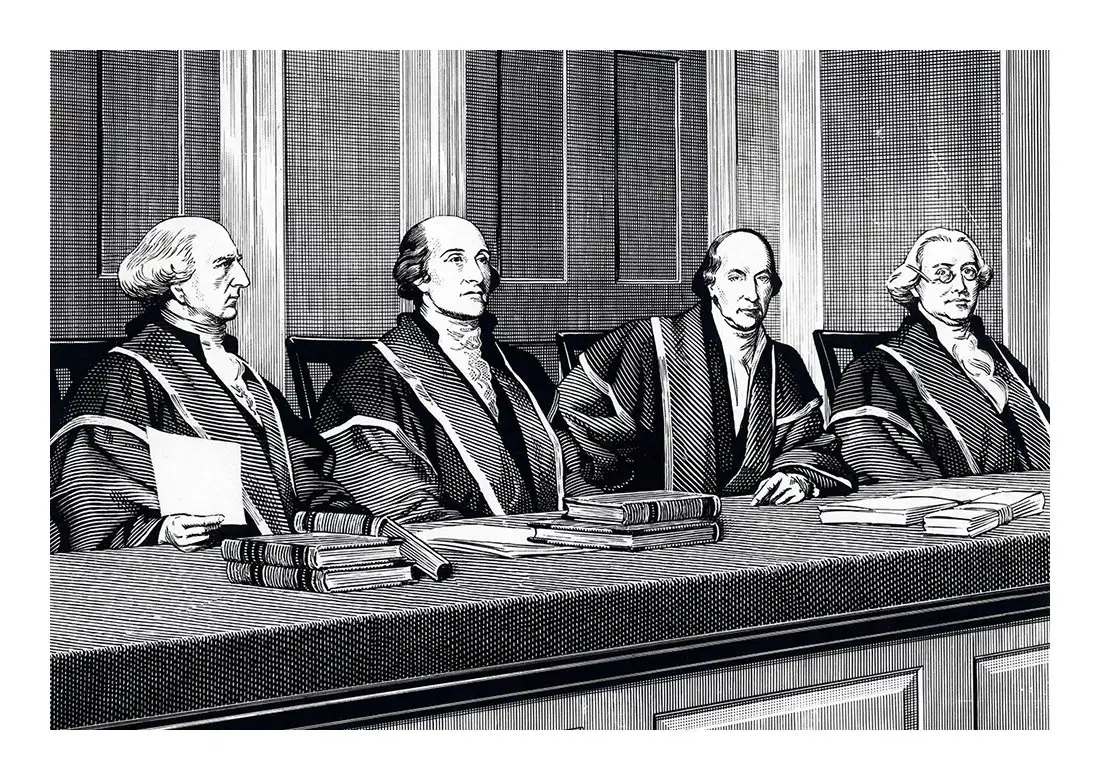
What is the significance of Marbury v. Madison?
It was the first time the Supreme Court struck down an act of Congress for being unconstitutional.
It established the power of the executive branch over the judicial branch.
It allowed Congress to pass unconstitutional laws.
It declared the Constitution to be invalid.
The Louisiana Purchase of 1803
was a major cause of the Spanish-American War.
pushed the Spanish below the Rio Grande in North America.
resulted in increased conflict between the U.S. and France.
almost doubled the area of the U.S. and gave it control of the Mississippi River.
What effect did the Louisiana Purchase have on the United States in 1803?
It led to the French & Indian War
It led to the Battle of the Alamo
It doubled the size of the United States, from the Atlantic Ocean to the Mississippi River, and control of the port of New Orleans.
It led to the War of 1812
Was the Embargo Act a success?
Yes
No
The War of 1812 was fought in all of these areas EXCEPT
The American Northeast
Great Britain
The Atlantic Ocean
The Great Lakes
Who was the President of the United States during the War of 1812?
George Washington
James Madison
James Monroe
Thomas Jefferson
an official ban on trade
Embargo
Impressment
Blockade
Neutrality
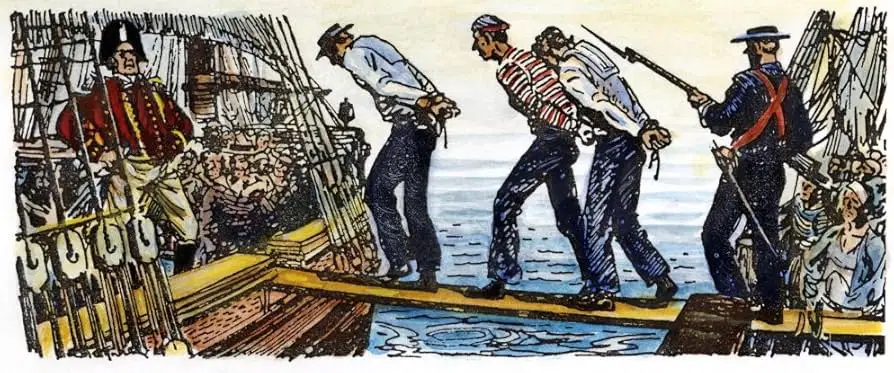
The forcing of people into service, as in the navy.
reservation
nationalism
impressment
annex
Which politician represented the western region of the United States?
John C. Calhoun
Henry Clay
Daniel Webster
Which politician represented the southern region of the United States?
John C. Calhoun
Henry Clay
Daniel Webster


This term refers to stealing a nation's military
domination
impressment
annex
vengeance

What event caused Andrew Jackson to have a deep rooted hate for the British?
Stamp Act
War of 1812
Battle of New Orleans
American Revolution

This future American President rallied troops to win an important battle at New Orleans
James K. Polk
Zachary Taylor
Andrew Jackson
John Tyler
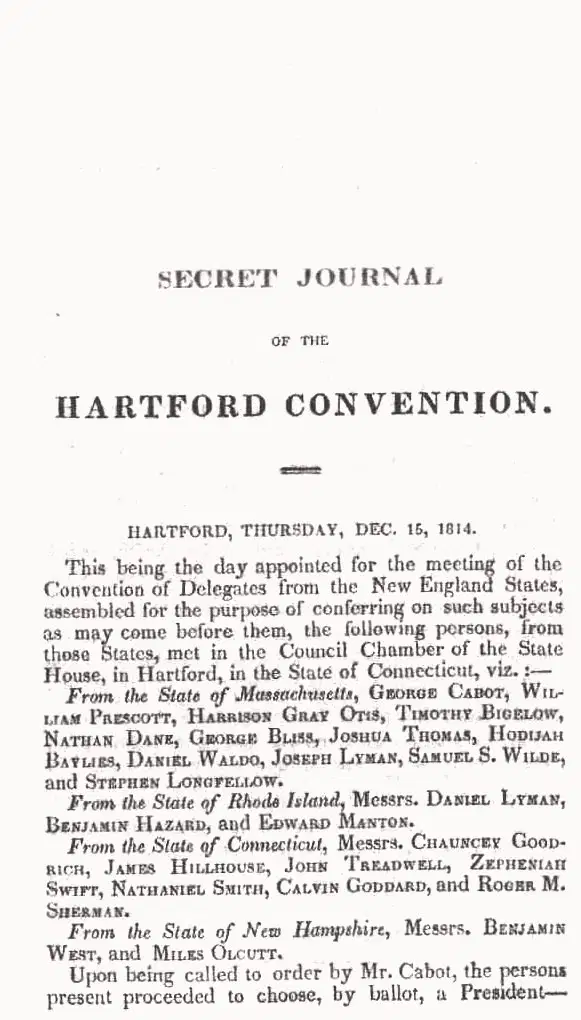
Federalist threatened secession at the ____________________
Hartford Convention
Constitutional Convention
Compromise of 1820
Treaty of Ghent

What event caused America to pile up a huge national debt from the years 1777-1783? The federal government tried taxing, but did not have the power to do so.
Civil War
Revolutionary War
War of 1812
French Indian War
The Connecticut Plan (Great Compromise) created a ________________legislature. This satisfied both Virginia and New Jersey plans.
unicameral
bicameral
executive
judicial
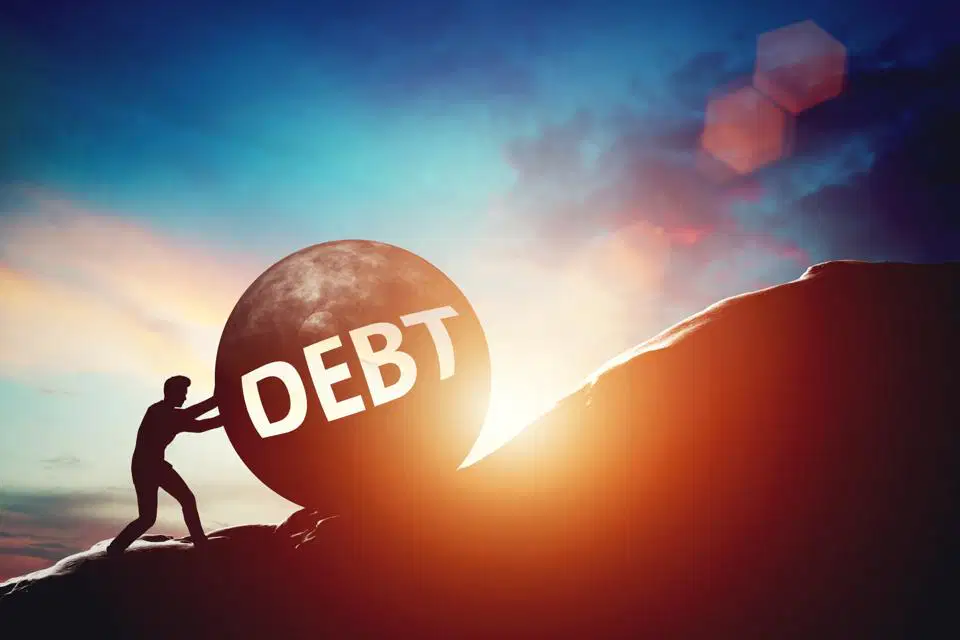
True/False: Alexander Hamilton believed by assuming states debts, the federal government would become stronger.
True
False

True/False: Wealthy planters and poor farmers united to resist northern industry.
True
False

Natives were ultimately crushed at the battle during the Northwest Indian War.
Fallen Timbers
Horseshoe Bend
Wounded Knee
Choctaw
True/False: Losing presidential candidates used to become the vice president by default. Nowadays that is not the case.
True
Flase

What event is depicted here?
French Indian War
Puritans arriving to new world
XYZ Affair
Quasi War

