
 Worksheets
Exposure Triangle & Manual Settings
Total questions: 20
Worksheet time: 15mins
Sophia is learning photography and wants to understand the three parts of the exposure triangle. Which of the following are the three parts of the exposure triangle?
White balance, aperture, ISO
Aperture, shutter speed, ISO
Shutter speed, ISO, focal length
Exposure compensation, aperture, shutter speed

Which camera component regulates the light exposure by adjusting the lens opening?
ISO
Shutter speed
White balance
Aperture
Benjamin and Maya are learning photography. Why is understanding the exposure triangle important for their photography?
It helps you achieve consistent exposure in different lighting conditions.
It allows you to create intentional creative effects.
It helps you understand the limitation of your camera’s sensor.
All of the above.
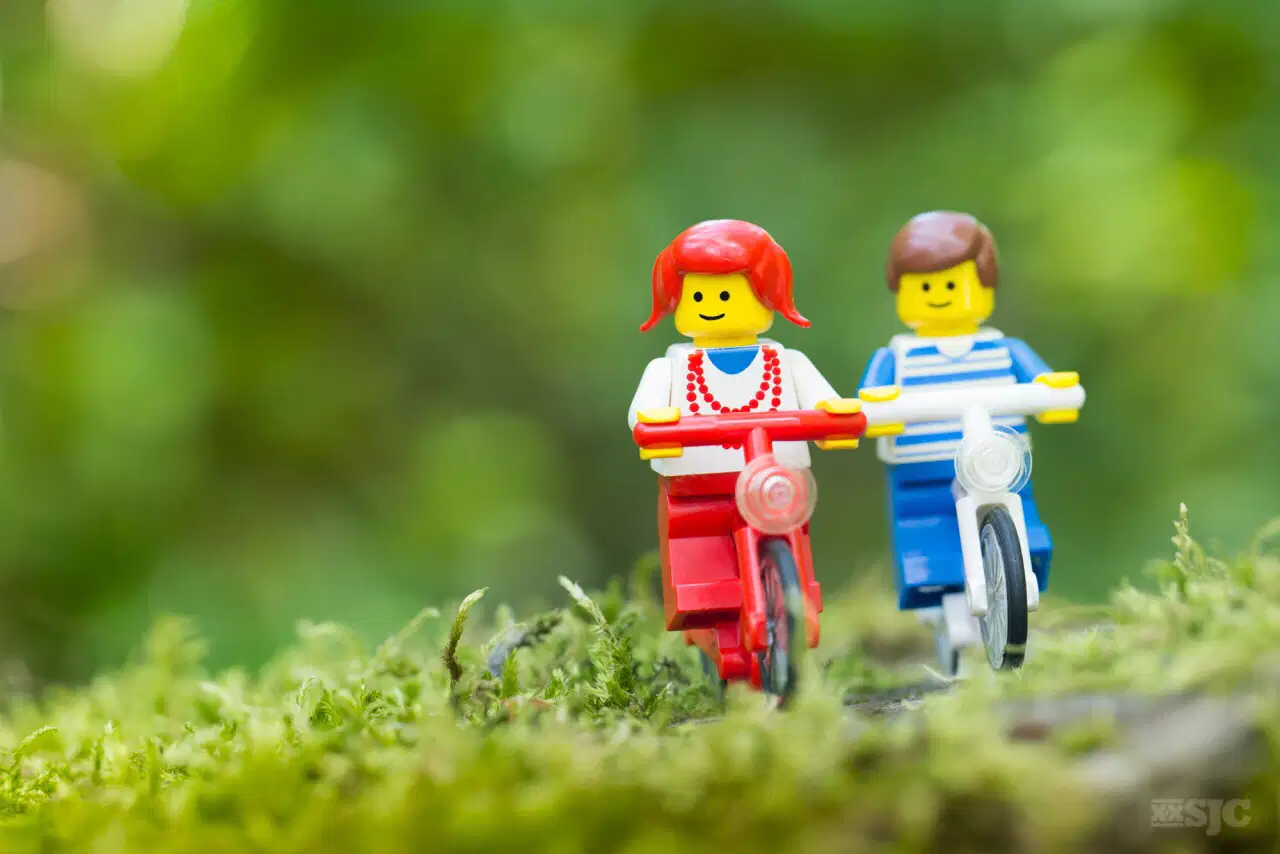
What happens to the depth of field when using a wide aperture?
The depth of field becomes shallow
The depth of field becomes deep
The shutter speed increases
The ISO value increases
Aria is taking a photography class and wants to understand how to use the shutter speed on her camera. What does the shutter speed control?
Controls the depth of field
Determines the color temperature of the image
Controls the amount of time the sensor is exposed to light
Adjusts the focus of the lens

What are some methods to fix an underexposed image captured in manual mode? (multiple correct answers)
Increase the ISO
Decrease the shutter speed
Increase the Aperture
You're taking a photo of a group of people and want to ensure that everyone, including the background, is in focus. Which of the following settings will help you achieve this?
Using a wider aperture (lower f-stop)
Using a smaller aperture (higher f-stop)
Moving closer to the group
Using a zoom lens
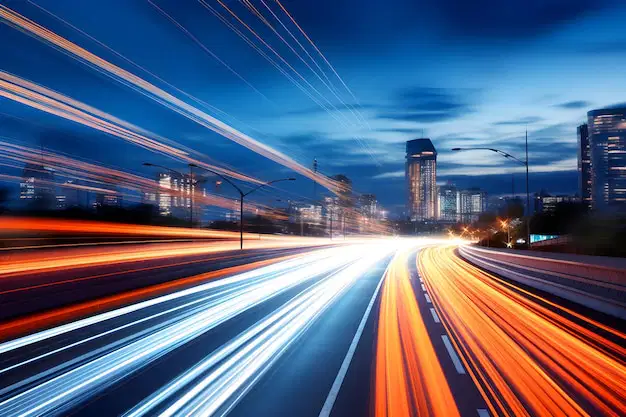
To capture a night scene with light trails from moving cars, which shutter speed setting would be most suitable?
1/500 sec
1/125 sec
1/30 sec
10 seconds
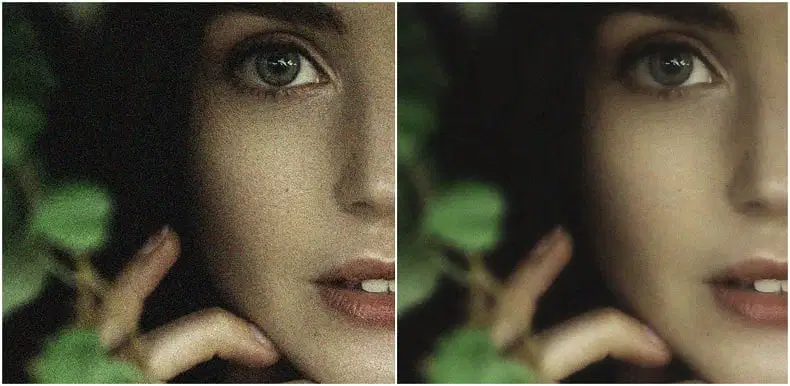
Olivia is photographing a dimly lit scene with a high ISO setting. Which of the following is a negative of using a high ISO in her photos?
Increase image noise
Decreased depth of field
Increased motion blur
Decreased exposure

Luna is photographing a sunset with a bright sky and a dark foreground. She wants both the sky and foreground to be properly exposed. Which of the following is her best solution?
Use a very high ISO setting
Use a combination of a wide aperture and a slow shutter speed
Use a combination of a narrow aperture and a fast shutter speed
Use a very low ISO setting


If I raise the number of my ISO, does my image/video get brighter or darker? (a)
What does the term "depth of field" refer to in photography?
The color depth of the final image
The distance between the nearest and farthest objects in a scene that appear acceptably sharp in an image
The field of view of the camera's lens
The depth of the camera's sensor
Which setting adjusts the amount of depth of field in the image?
ISO
Aperture
Shutter Speed
Which aperture setting will let in the least amount of light?
f 8
f 1.8
f 4
f 5.6
Which ISO setting would you likely use in a very brightly lit environment?
ISO 100
ISO 800
ISO 1600
ISO 3200

This diagram represents shutter speed
True
False
Which ISO allows the most light?
ISO 100
ISO 400
ISO 1600
ISO 6400
What effect does a wide aperture (e.g., f/2.8) have on depth of field?
It increases the depth of field, making more of the scene in focus.
It decreases the depth of field, blurring the background and foreground.
It has no effect on depth of field.
It makes the entire scene out of focus.

