
NEW
Font size
 Worksheets
Unit 1 Test review
Total questions: 34
Worksheet time: 52mins
Do molecules generally move faster at 45 C or 106 C?
45 C because molecules have more energy than in 106C
106 C because molecules have more energy than in 45C
106 C because molecules have less energy than in 45C
45C because molecules have less energy than in 106 C
When you place the metal in boiling water, heat flows from the _________ to the _______.
metal to the boiling water
bottom of the metal to the top half of the metal
bottom of the water to the top of the water
boiling water to the metal
Law of conservation
Energy can not be created or destroyed. It just changes forms.
Energy can only be created by the sun
Some energy is lost to the environment.
Temperature is ...
the measure of the average kinetic energy of the molecules of an object
The amount of thermal energy it takes to raise one gram of a substance by one degree Celsius.
An object’s internal energy
Thermal energy always travels from ______ temperatures to ______ temperatures.
Higher / Lower
Lower / Higher
Higher / Higher
What is an example of endothermic process?
Chemical Ice Pack
Boiling Water
Bonfire
In an endothermic reaction, energy is _________.
absorbed
released
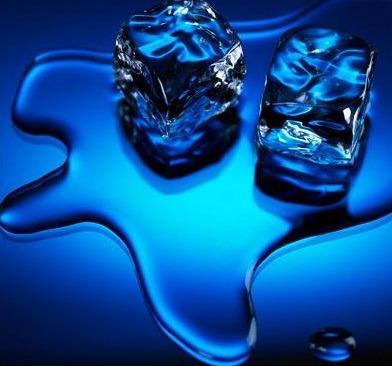
____ reactions usually feel cold.
endothermic
exothermic
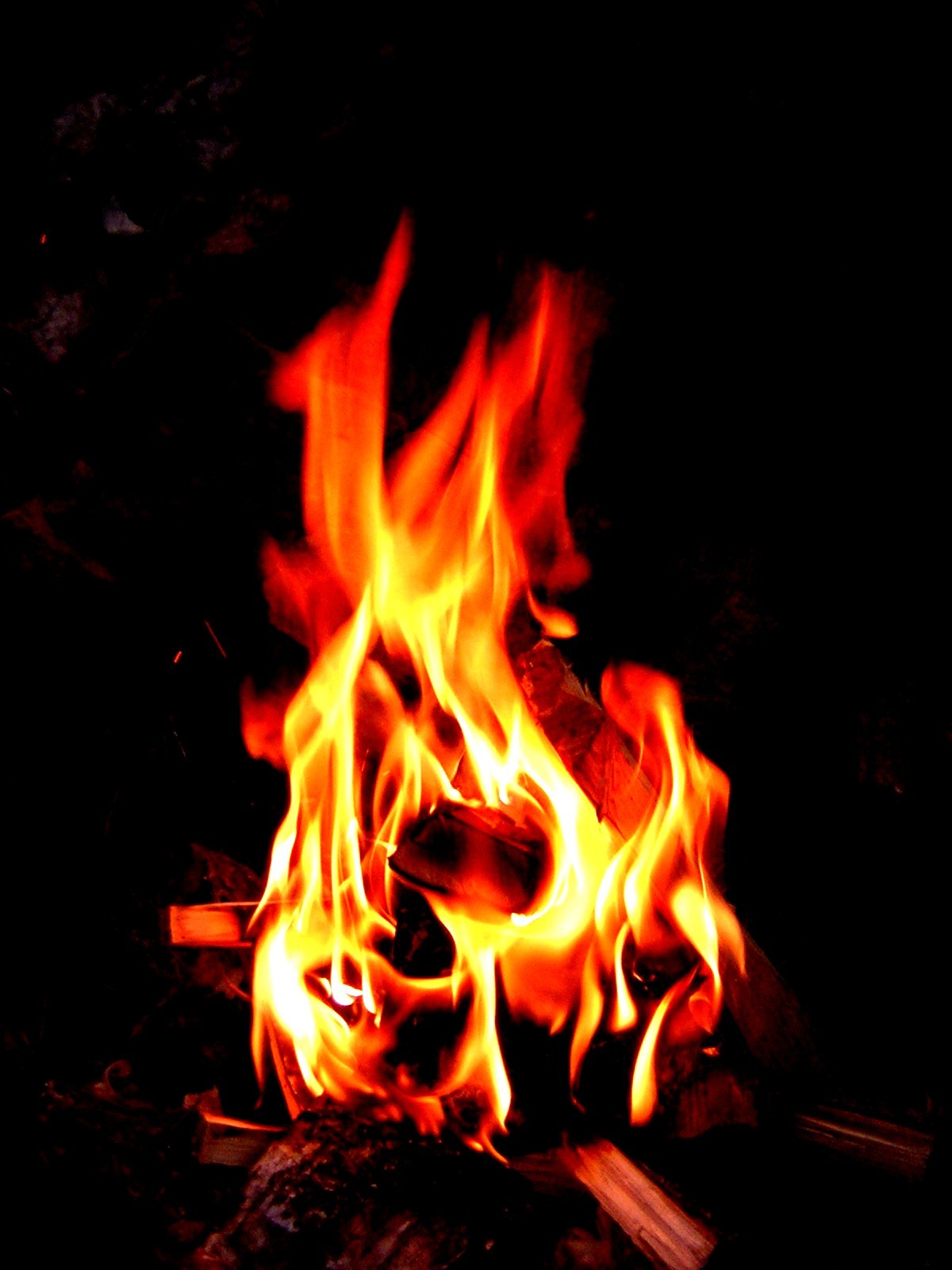
_____ reactions usually feel hot!
endothermic
exothermic
Exo means out or ________.
absorbed
released

In an endothermic reaction, heat is ...
taken in
given out
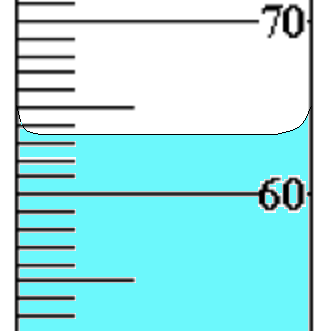

Which of the choices is the best measurement to write for the blue line pictured when using proper metric measurement technique?
3.57
30.57
30.7
35.7
27000000
What is the energy due to motion?
Kinetic Energy
Potential Energy
When Kinetic Energy is High then Potential Energy is _______
High
Low
When Potential Energy is High then Kinetic Energy is _______
High
Low
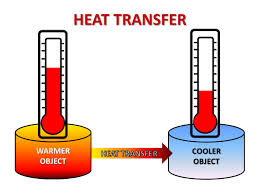

The average kinetic energy of the atomes or molecules within a substance.
thermal energy
kinetic energy
temperature
gas
The total energy of all the particles in a sample of matter is called —————
Total Energy
Thermal Energy
Kinetic Energy
Particle Energy
Temperature of a material depends upon the average —————— of its particles
Kinetic energy
Thermal energy
Heat energy
Particle energy
Thermal Energy depends upon the energy of the particles as well as the number of particles.
Which would have more thermal energy, a small cube of Ice at zero Celsius or a large cube of ice at zero Celsius?
The large ice cube because it has more particles than the small ice cube
The small cube of ice because it will melt faster than the large ice cube
Neither, they are cold so they do not have thermal energy
both have the same thermal energy because they are both at zero Celsius.
While temperature refers to an average of the kinetic energy of particles, thermal energy refers to ———— kinetic energy
Transferred
Total
Added
Lost
The condition where two substances in physical contact with each other exchange no heat energy. They are said to be the same temperature.
Thermal Energy
Cooler to Warmer
Energy Transfer
Thermal Equilibrium
A 100g sample of a metal was heated to 100oC and then quickly transferred to an insulated container holding 100g of water at 22oC. The temperature of the water rose to reach a final temperature of 35oC. Which of the following can be concluded?
The metal temperature changed more than the water temperature did; therefore the metal lost more thermal energy than the water gained.
The metal temperature changed more than the water temperature did, but the metal lost the same amount of thermal energy as the water gained.
The metal temperature changed more than the water temperature did; therefore the heat capacity of the metal must be greater than the heat capacity of the water.
The final temperature is less than the average starting temperature of the metal and the water; therefore the total energy of the metal and water decreased.
4 L = ____ mL
40
400
4,000
40,000
15 meters = ______ centimeters
What number will make the equation true?
150
1,500
15,000
15
5 kg = ______ g
5
50
500
5,000

