
 Worksheets
Year 10/11 Trial ILT
Total questions: 20
Worksheet time: 10mins
In the periodic table....
Metals are on the left, non-metals on the right
The transition metals are at the far left
Groups are columns, periods are rows
Group 0 is at the far right end
Number of electrons
Number of outer shell electrons
The scientist John Dalton lived over 200 years ago. John Dalton suggested an early model of atoms. When Dalton first described atoms he said that ...
(Select all that apply).
all elements are made of atoms
atoms are not formed of any smaller particles
all atoms of the same element are identical.
atoms are tiny hard spheres that cannot be broken down in smaller parts
The atomic number identifies the number of __________.
electrons
atoms
protons
neutrons
Subatomic particles that have a negative charge
electrons
protons
quarks
neutrons

The number 16 for the atomic element sulfur is the
ionic number
isotope
atomic mass
atomic number

How many protons does sulfur have?
32
16
48
12
Subatomic particle that has a positive charge
electron
poitron
neutron
proton
In what part of an atom can the protons and neutrons be found?
nucleus
neutrine
electron cloud
proton cloud

In Rutherford's gold foil experiment to determine the structure of an atom one observation was: Most of the alpha particles passed straight through. What is the explanation for this?
Nearly all the mass of at atom is found in the nucleus
An atom has electrons on shells
The nucleus is positive
An atom is mostly made up of empty space

What is an isotope?
A different element that has the same number of neutrons
The same element with a different mass as it has a different number of neutrons
The same element with a different mass as it has a different number of protons
A different element that has the same number of protons
No effect
repel each other
attract each other
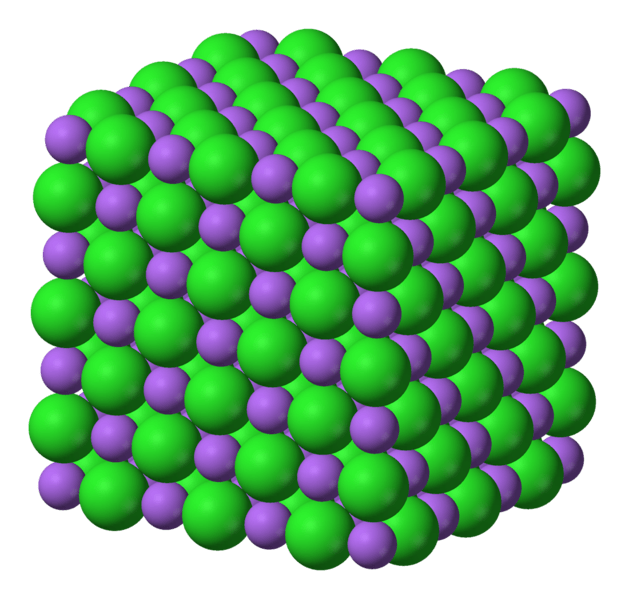
Which state of matter does this picture show?
Solid
Liquid
Gas
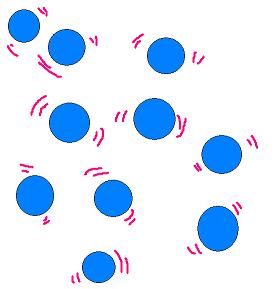
Which state of matter does this picture show?
Solid
Liquid
Gas
As temperature increases, what happens to particles?
They speed up
They slow down
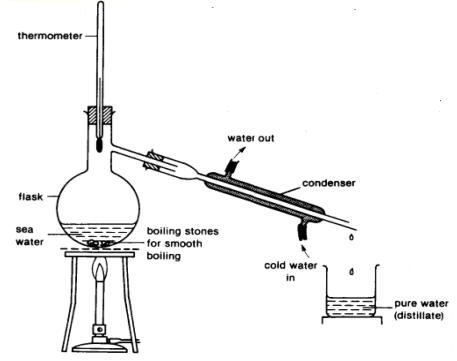
What is the name of this separation technique?
Simple distillation
Fractional distillation
Boiling
Evaporation
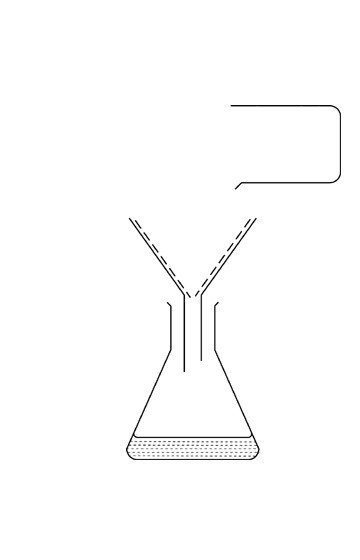
What is the name of this separation technique?
distillation
filtration
evaporation
chromatography
Which of the below is NOT a cause of water pollution?
Pesticides and herbicides
Sewage
Construction
Saltwater

