
 Worksheets
Soal Pompa
Total questions: 243
Worksheet time: 12hrs 28mins
What are the two main categories of pumps based on their working principle?
a) Positive Displacement and Submersible
b) Centrifugal and Diaphragm
c) Reciprocating and Axial Flow
d) Gear and Vane
Which of the following is a primary component of a centrifugal pump?
a) Piston
b) Impeller
c) Diaphragm
d) Plunger
What does NPSH stand for, and why is it important in pump operation?
a) Net Pump System Head, measures pump efficiency
b) Necessary Pump Speed Head, determines pump speed
c) Net Positive Suction Head, prevents cavitation
d) Non-Pressure System Head, measures pump pressure
What causes cavitation in pumps?
a) Excessive vibration during pump operation
b) Formation of bubbles in the liquid due to low pressure
c) Increased pump efficiency
d) Reduced pump speed
What is the difference between NPSHa (Available) and NPSHr (Required)?
a) None above are correct
b) NPSHa is the available head at the pump suction, and NPSHr is the required head to prevent cavitation
c) NPSHa is the pump's efficiency, and NPSHr is the pump's power
d) NPSHa is the pump's discharge pressure, and NPSHr is the pump's flow rate
What is the main role of an impeller in a centrifugal pump?
a) To control the pump's flow rate
b) To convert mechanical energy into kinetic energy
c) To regulate the pump's suction head
d) To measure the pump's efficiency
Why is it important for Ina, Dewi, and Titi to ensure the proper alignment of a centrifugal pump?
a) To prevent excessive vibration during pump operation
b) To increase the pump's flow rate
c) To reduce the pump's discharge pressure
d) To measure the pump's efficiency
What is the purpose of a volute casing in a centrifugal pump?
a) To increase the pump's discharge pressure
b) To convert kinetic energy into pressure energy
c) To regulate the pump's flow rate
d) To measure the pump's efficiency
Why is it important for Joko, Nur, and Surya to prime a centrifugal pump before operation?
a) To prevent excessive vibration during pump operation
b) To increase the pump's flow rate
c) To remove air from the pump and create suction
d) To measure the pump's efficiency
What is the purpose of a wear ring in a centrifugal pump?
a) To prevent excessive vibration during pump operation
b) To increase the pump's flow rate
c) To maintain hydraulic efficiency and reduce internal recirculation
d) To measure the pump's efficiency
What is the importance of specific speed in centrifugal pump selection?
a) It determines the pump's efficiency
b) It indicates the pump's flow rate
c) It helps in selecting the right type and size of pump for a particular application
d) It measures the pump's discharge pressure
What is the purpose of an intercooler in a compressor system?
a) To increase the temperature of the compressed air
b) To decrease the pressure of the compressed air
c) To remove moisture and cool the compressed air
d) To regulate the flow rate of the compressed air
Why is it important to maintain proper lubrication in a compressor?
a) To increase the temperature of the compressed air
b) To decrease the pressure of the compressed air
c) To reduce friction and wear between moving parts
d) To regulate the flow rate of the compressed air
What is the function of a diffuser in a centrifugal compressor?
a) To increase the temperature of the compressed air
b) To decrease the pressure of the compressed air
c) To convert kinetic energy into pressure energy
d) To regulate the flow rate of the compressed air
When the fluid is forced away from the center, or the eye of the impeller, a ____ is created thus resulting to flowing of more liquid.
centrifugal force
positive displacement
vacuum
negative displacement
Type of a centrifugal pump that borrows characteristics from both radial flow and axial flow pumps.
Radial Flow Pump
Mixed Flow Pump
Axial Flow Pump
It is a type of pump casing design that has an offset impeller creating a curved funnel with an increasing cross-sectional area towards the pump outlet which causes the fluid pressure to increase towards the outlet.
vortex
volute
diffuser
rotary
It is used for a wide variety of industrial applications thanks to their increased efficiency and ability to pump fluids at higher pressures.
Multistage centrifugal pumps
Single stage pump
Circulator pump
It is a rotating component of a centrifugal pump that accelerates fluid outward from the center of rotation, thus transferring energy from the motor that drives the pump to the fluid being pumped.
Impeller
Coupling
Shaft
Stuffing Box
Centrifugal pumps can also develop a phenomenon called “cavitation”.
True
False
When the sealing is achieved by means of packing, the chamber is referred to as a ___________.
Stuffing Box
Nozzle
Casing
Seal Chamber
A pump moves fluids from ___ pressure to ____ pressure.
lower, higher
lower, atmospheric
higher, lower
higher, atmospheric
When the sealing is achieved by means of a mechanical seal, the chamber is commonly referred to as a ___________.
Stuffing Box
Nozzle
Casing
Seal Chamber
Type of a centrifugal pump where the liquid enters at the center of the impeller and is directed out along the impeller blades in a direction at right angles to the pump shaft.
Radial Flow Pump
Mixed Flow Pump
Axial Flow Pump
Type of a centrifugal pump where the impeller pushes the liquid in a direction parallel to the pump shaft.
Radial Flow Pump
Mixed Flow Pump
Axial Flow Pump
Multistage centrifugal pump consists of two or more __________.
Impellers
Suction head
Pump
Multistage centrifugal pumps have the following two advantages except ______.
to produce a high head
has higher unbalanced thrust and radial forces at off-design flow rates
to produce a large quantity of liquid
Ferrous particles in liquid are not problematic when you are using magnetic drive.
True
False
Low flow of liquid due to not priming properly cannot lead to overheating of the pump.
True
False
A dead-head is caused when a centrifugal pump operates with no flow through the pump due to a closed discharge valve or blockage in the line.
True
False
Its goal is to ensure that the pump is actually not moving the fluid downstream by confirming that there is no flow downstream or, in the case of liquid centrifugal pumps, the pump is primed or not in air lockup.
True
False

1. What type of centrifugal pump is this?
Frame-Mounted End Suction Pumps
Inline End Suction Pumps
Close-Coupled End Suction Pump
no correct answers
2. What is HVAC stand for?
heating vent air conditioning
heating vending air conditioning
heating ventilating air conditioning
heating vend air conditioning
3. What is the rotating component of a centrifugal pump that accelerates fluid outward from the center of rotaion?
couplers
rotor
impeller
vavle
4. End suction pumps usings a rotating impeller to convert mechanical energy into
hydraulic energy
chemical energy
gravitational energy
electrical energy
5. fill the blank
(a) captures the liquid's velocity as it enters the outermost diameter of an impeller and converts it into pressure.
6. the strengths of firefighting centrifugal pump are:
Provide a strong water flow and continuous
Operate stable and easy to fix
can match with some support device such as air tank
all answers are correct
7. which element is the best suited for centrifugal pumps as the mechanics involved lead to high liquid shear?
the level of velocity
the level of acceleration
the level of height
the level of light
8. Is end suction centrifugal pump suitable for handling abrasive or corrosive fluids without proper modifications?
True
False

9. what type of this centrifugal pump?

10. what type of this centrifugal pump?
Pump is a device that
add energy to the fluid
extract energy from the fluid
Gear pump is commonly used in application of
high flow rate fluid
high pressure fluid
high viscosity fluid
____________ is not a positive displacement pump type
Piston pump
Human heart
Gear pump
Centrifugal pump
A ______________ pump is designed for relatively low discharge and a high head flow
mixed flow
axial flow
radial flow
___________is the moving part of a centrifugal pump
Volute
Impeller
Diffuser
Suction nozzle
What is the function of snail-shaped volute
to increase the velocity and to decrease the pressure
to decrease the velocity and increase the pressure
NPSH is
Normal Pressure Suction Head
Net Positive Suction Head
Normal Pump Suction Head
Priming is necessary for
gear pump
piston pump
centrifugal pump
diaphragm pump
______________ is a problem to be avoided for reliable operation of a centrifugal pump.
Priming
Pump design
Cavitation
Centrifugal pump capacity can be increased by increasing the
speed
impeller diameter
number of pump joined in parallel
all of the above
Which of the following is an application of pumps?
Filling tanks
Emptying trenches
Supplying water to boilers
All of the above
What category of pumps uses impellers to generate centrifugal force?
Dynamic pumps
Centrifugal pumps
Rotary pumps
Positive displacement pumps
What do the density and specific gravity affect in pump selection?
The liquid's viscosity
Net positive suction head
The horsepower required by the pump
The pressure that exists at the suction end of a pump
What type of pump uses an impeller on a rotating shaft to generate pressure and move liquids to the outer casing within the pump and then out through the discharge shaft?
Axial pump
Rotary pump
Centrifugal pump
Reciprocating pump
Which of the following is an advantage of a vertical centrifugal pump?
It takes up more space.
It can withstand higher operating temperatures.
The motor is situated on top of the pump and must be removed to work on it.
All of the above
What specialty pumps would you use with liquids that are difficult to seal?
Canned pumps
Axial pumps
High-speed centrifugal pumps
Jet pumps
Which of the following is an advantage of using lobe pumps?
They are suitable for low-viscosity liquids.
They have high suction abilities.
They can handle slurries with a large particle size.
They do not require factory service for repairs.
What type of reciprocating pumps are driven by a motor, air, hydraulics, or direct-acting steam?
Piston pumps
Plunger pumps
Diaphragm pumps
Rotary pump
What type of sealing arrangement for pumps is used in nontoxic, nonflammable, and nonpolluting applications?
Mechanical packing
Mechanical seal
Physical seal
Physical packing
What type of seal system has a primary seal and a backup seal?
Seal pot
Seal flush
Tandem seal
Double seal
What type of loads are perpendicular to the shaft?
Axial
Radial
Mechanical
Stationary
How is the amount of head determined in a pump?
By the height of the liquid
By the weight of the liquid
By the viscosity of the liquid
By the temperature of the liquid
What is the vertical distance between the centerline of a pump and the surface of the liquid on the suction side of the pump?
Head
Total head
Discharge static head
Suction static head
Which of the following affects the discharge flow rate?
Piping size
Downstream vessel size
Discharge head
All of the above
Which of the following is contained in the manufacturer's supply performance pump curve for centrifugal pumps?
Head
Flow rate
Efficiency
All of the above
How is efficiency calculated with regards to the performance pump curve?
The efficiency is the maximum flow rate at zero flow.
The efficiency is the ratio of the liquid horsepower to the brake horsepower.
The efficiency is normally based on evaluation with water.
The efficiency is calculated using atmospheric pressure, vapor pressure, liquid height, and pressure drop.
If the specific gravity of the material is less than 1.0, what is true of horsepower?
Less horsepower is required.
More horsepower is required.
No horsepower is required.
Horsepower will depend on the viscosity of the liquid.
What problem can occur if the valves beyond the pump are incorrectly closed or blocked?
Leakage
Cavitation
Overheating
Overpressurization
What problem can occur when the pressure on the eye of a pump impeller falls below the vapor pressure of the liquid being pumped?
Leakage
Cavitation
Overheating
Overpressurization
Which of the following is a cause of cavitation?
Flow rate too low
Suction pluggage
High liquid level
Decrease in liquid temperature
Which of the following is a consequence of abnormal speed in a pump?
Cavitation
Overheating
Mechanical failure
All of the above
Which of the following is a consequence of excess vibration in a pump?
Cavitation
Overheating
Mechanical failure
All of the above
What can cause vibration?
Cavitation
New bearings
Low pump speed
All of the above
Which of the following should process technicians do when monitoring and maintaining pumps?
Monitor oil levels
Make sure water is collecting under the oil
Check suction pressure across strainers/screens
All of the above
Which of the following is a typical step in the startup procedure for a pump?
Warm up equipment.
Check the seal flush system.
Drain the pump.
Close the pump suction.
Which of the following is a typical step in the lockout/tagout procedure for a pump?
Warm up equipment.
Ensure the flow rate is as expected.
Drain the pump.
Shut off the pump.
Which of the following is a typical step in the shutdown procedure for a pump?
Cool down the equipment.
Ensure the flow rate is as expected.
Drain the pump.
Close the suction and discharge valves.
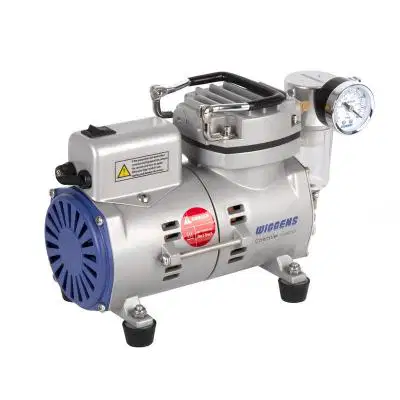
What are the key components of a piston pump that require regular lubrication for maintenance?
Piston, cylinder, and seals
Fan, belt, and filter
Shaft, bearing, and gearbox
Valve, hose, and motor
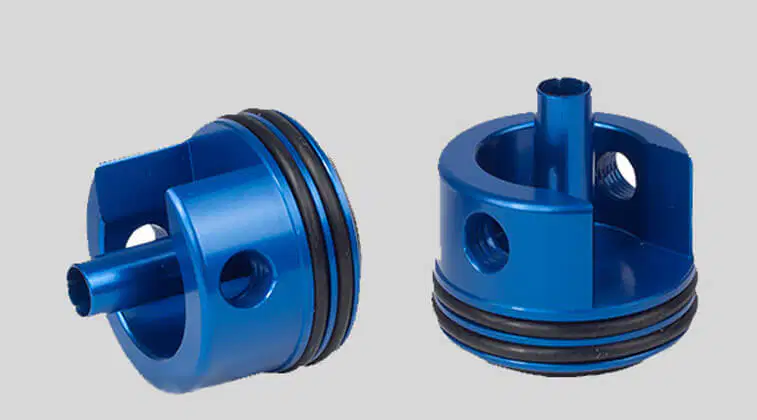
How often should the piston seals and O-rings be inspected and replaced in a piston pump?
Annually or as recommended by the manufacturer
Every 2 months
Never
Every 5 years
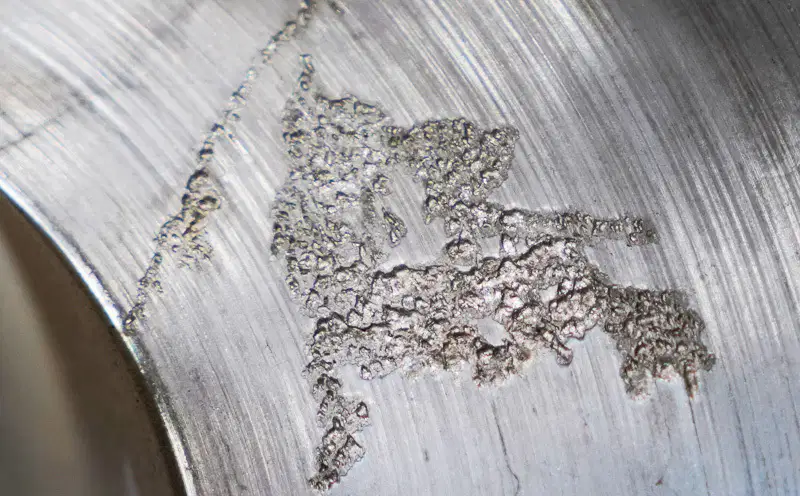
What are the common causes of piston pump cavitation and how can it be prevented?
The common causes of piston pump cavitation include dirty pump filters, high pump speed, and excessive fluid temperature. It can be prevented by not cleaning pump filters, increasing pump speed, and using fluids with higher temperature.
The common causes of piston pump cavitation include low pump speed, excessive NPSH, and low fluid viscosity. It can be prevented by increasing pump speed, ensuring inadequate NPSH, and using fluids with low viscosity.
The common causes of piston pump cavitation include low pump speed, excessive NPSH, and low fluid viscosity. It can be prevented by increasing pump speed, ensuring adequate NPSH, and using fluids with low viscosity.
The common causes of piston pump cavitation include high pump speed, insufficient NPSH, and excessive fluid viscosity. It can be prevented by reducing pump speed, ensuring adequate NPSH, and using fluids with suitable viscosity.
What are the potential reasons for a drop in pressure output in a piston pump?
Worn out seals, air leakage, or malfunctioning pressure relief valve
Dirty filters
Low fluid level
Excessive fluid level

What are the steps to take when a piston pump is experiencing excessive noise during operation?
Increase the pump speed, replace the oil, and ignore the noise
Check for cavitation, inspect for loose or worn parts, and ensure proper lubrication
Replace the pump with a larger one, add more pressure to the system, and ignore the noise
Reduce the pump speed, tighten all the bolts, and add more water to the system
How can air leakage in the suction line be identified and resolved in a plunger pump?
Replace the entire pump instead of inspecting the suction line
Check for air bubbles in the pump inlet and use a pressure gauge to monitor suction pressure. Then, inspect and repair any loose fittings, damaged gaskets, or cracks in the suction line.
Ignore the air bubbles and continue using the pump
Use a pressure gauge to monitor discharge pressure
What are the safety considerations when working with positive displacement pumps in a confined space?
Using the pump in an enclosed space without ventilation
Ignoring the presence of hazardous gases
Wearing heavy clothing and gloves
Ventilation, monitoring for hazardous gases, and having a rescue plan in place
What are the precautions to take when handling hazardous fluids with a positive displacement pump?
Use the pump without proper ventilation
Dispose of the fluids in regular trash
Wear appropriate personal protective equipment, ensure proper ventilation, use a containment system, and follow proper disposal procedures.
Handle the fluids with bare hands
small pump connected to a fire sprinkler system to maintain pressure in the sprinkler pipes.
JOCKEY PUMP
SUMP PUMP
ROTARY PUMP
CENTRIFUGAL PUMP
This pumps are used for a variety of jobs. They can empty clogged sinks and drain rain from window wells
UTILITY PUMP
JOCKEY PUMP
ROTARY PUMP
SUMP PUMP

ROTARY PUMP
SUMP PUMP
JOCKEY PUMP
UTILITY PUMP

ROTARY PUMP
SUMP PUMP
JOCKEY PUMP
UTILITY PUMP
This pumps are used to pump grey-sewage liquid from a septic tank to a leach field. Unlike sewage pumps which handle larger solids,
EFFLUENT PUMP
SUMP PUMP
UTILITY PUMP
ROTARY PUMP
are an essential part of many water-based fire protection systems. They are used to increase the pressure (measured in psi and bar) of a water source when that source is not adequate for the system it's supplying
BOOSTER PUMP
ROTARY PUMP
FIRE PUMP
EFFLUENT PUMP

EFFLUENT PUMP
FIRE PUMP
SUMP PUMP
BOOSTER PUMP

FIRE PUMP
SUMP PUMP
ROTARY PUMP
BOOSTER PUMP
This pump acts like an intermediary between the water source and endpoints like taps, faucets, and showers.
BOOSTER PUMP
SUMP PUMP
ROTARY PUMP
FIRE PUMP
ThIs pumps are used where basement flooding happens regularly and to solve dampness where the water table is above the foundation of a home.
ROTARY PUMP
FIRE PUMP
SUMP PUMP
BOOSTER PUM

SUMP PUMP
BOOSTER PUMP
EFFLUENT PUMP
FIRE PUMP

SUMP PUMP
UTULITY PUMP
CENTRIFUGAL PUMP
FIRE PUMP
This pump is a wastewater conveyance device. This pumps can be installed in the basement or in the yard. If installed in the yard, the holding tank must be buried deep enough that the pump and sewage pipes are below the frost line.
FIRE PUMP
GRINDER PUMP
BOOSTER PUMP
FIRE PUMP
This pump is a pumping system used to remove waste water and sewage from a home when a bathroom, laundry room or any other type of plumbing fixture is located below the grade of the main sewer or septic line.
SEWAGE EJECTOR PUMP
WELL PUMP
BOOSTER PUMP
HAND PUMP

GRINDER PUMP
HAND PUMP
WELL PUMP
FIRE PUMP

WELL PUMP
SEWAGE EJECTOR PUMP
UTILITY PUMP
HAND PUMP
This pumps push water from a well into a storage tank where it sits until you need it. This pumps use a pressure tank system that sends water from the reservoir or storage tank into your home’s plumbing.
HAND PUMP
WELL PUMP
ROTARY PUMP
SUMP PUMP
This pumps are water-lifting devices that can be operated manually to withdraw water from surface water sources, groundwater sources and reservoirs, or to pump water into distribution systems.
HAND PUMP
WELL PUMP
CENTRIFUGAL PUMP
WATER PUMP

ROTARY PUMP
WELL PUMP
HAND PUMP
SEWAGE EJECTOR PUMP

WELL PUMP
HAND PUMP
SUMP PUMP
BOOSTER PUMP
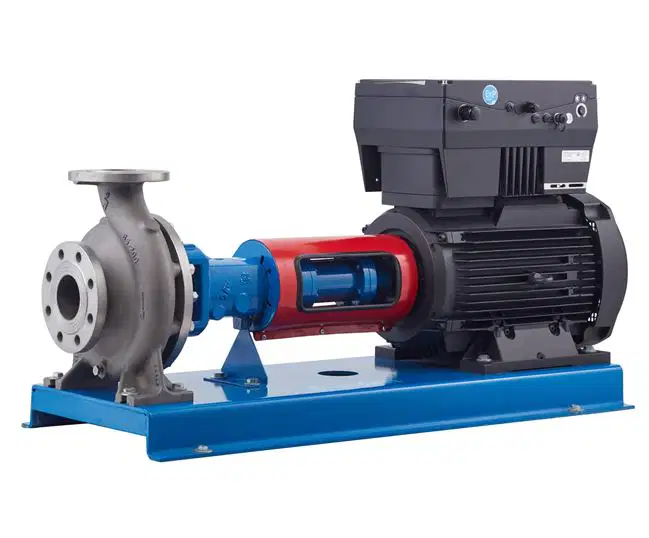
What type of machine is a centrifugal pump?
Mechanical
Hydraulic
Electrical
None of them
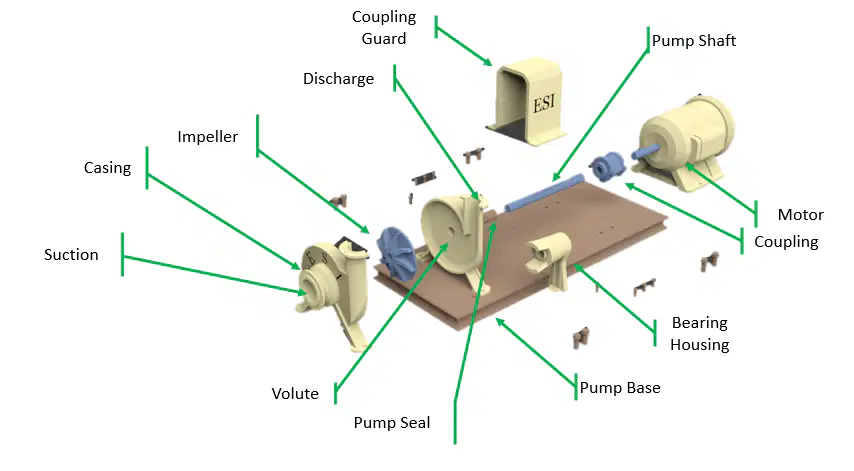
This is one of the components of a centrifugal pump: (a) pipe

How many types of centrifugal pump are there?
10
8
7
11
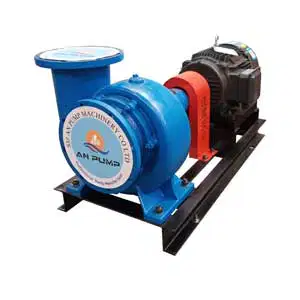
(a) pumps operate at a much larger flow rate with a decent increase in the head.
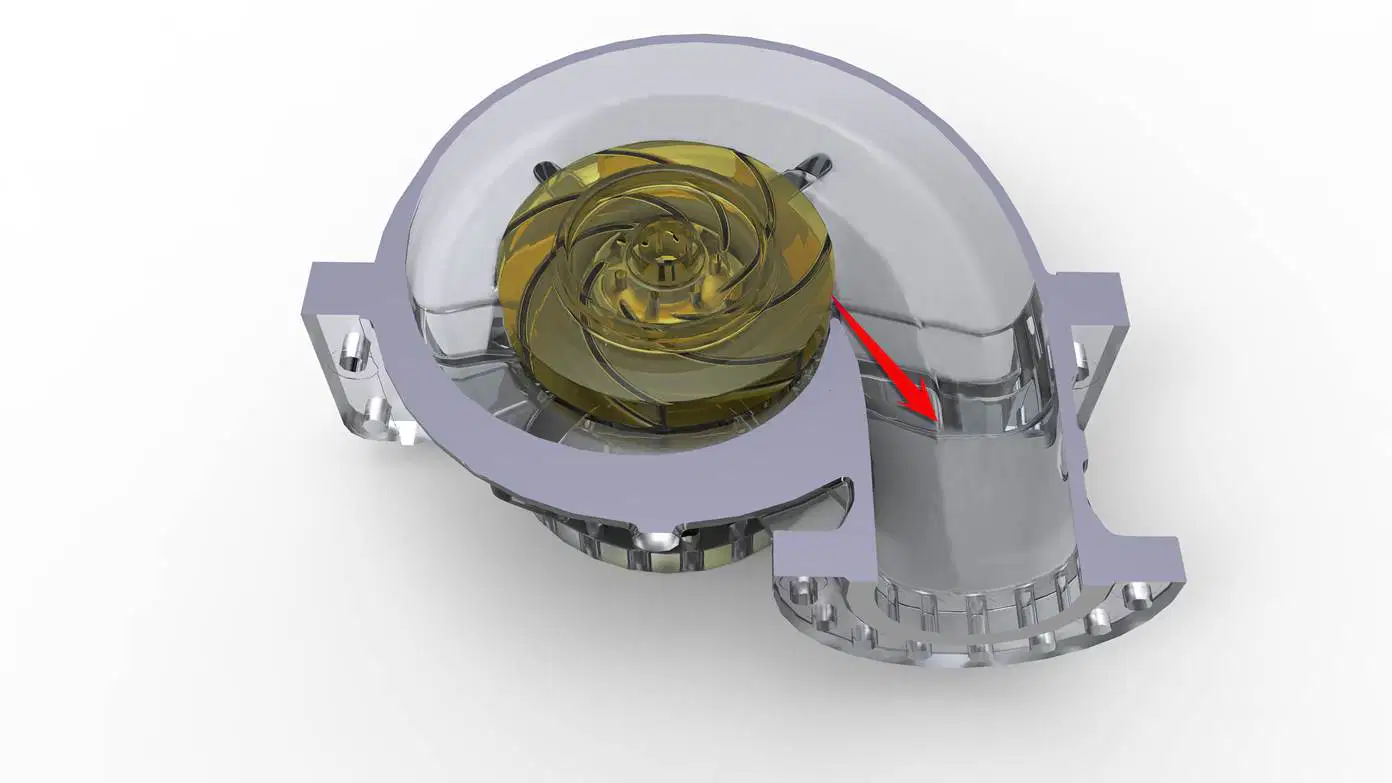
In centrifugal pumps that have a single volute casing, the flow is discharged from the impeller and goes into one volute, which winds completely around the impeller
Vertical Pumps
Radial Pumps
Double Suction Pump
Single Volute Pump
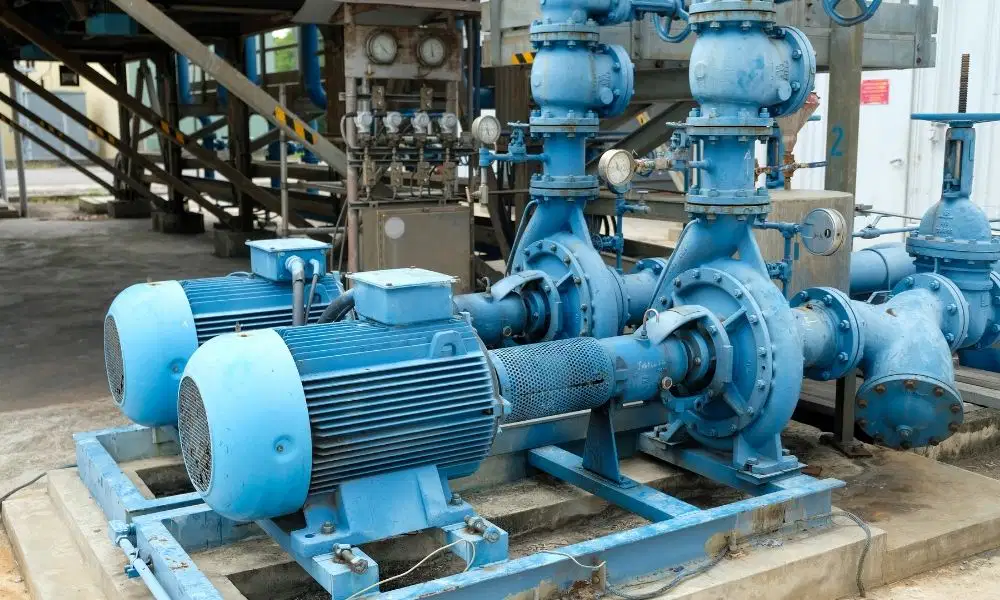
Centrifugal Pumps are commonly used in worldwide industrial (a)
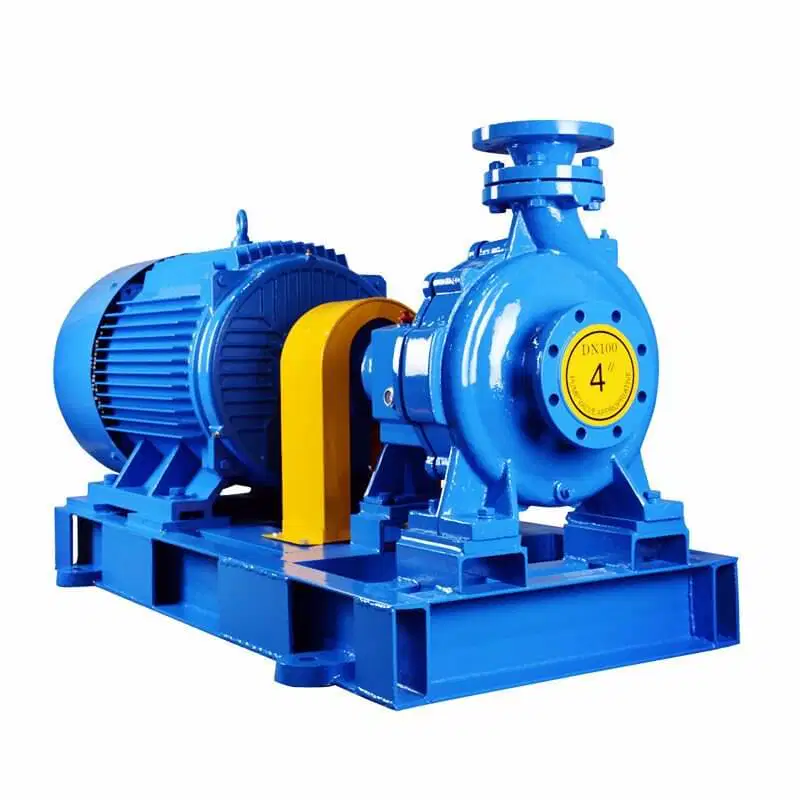
This type of pumps are designed specifically for use in pumping chemicals.
Chemical Pumps
Axial Pumps
Radial Pumps
Trash Pumps
What is the purpose of a pump in a pumping system?
To heat up the fluid
To decrease flow and reduce pressure of the fluid
To generate flow and increase pressure of the fluid.
To clean the fluid
Explain the difference between centrifugal pumps and positive displacement pumps.
Centrifugal pumps have a fixed amount of fluid output, while positive displacement pumps can vary output based on speed.
Centrifugal pumps are more energy-efficient than positive displacement pumps due to their design.
Centrifugal pumps use reciprocating motion to move fluid, while positive displacement pumps use centrifugal force.
Centrifugal pumps convert rotational kinetic energy into fluid energy, while positive displacement pumps move fluid by trapping a fixed amount and forcing it through the system.
What are the main components of a centrifugal pump?
piston, cylinder, spark plug, exhaust pipe
propeller, rudder, hull, anchor
impeller, casing, shaft, bearings, seal
gear, lever, pedal, brake pad
Describe the working principle of a reciprocating pump.
Reciprocating pumps work by utilizing a series of gears to move the fluid back and forth
A reciprocating pump operates by converting rotary motion into reciprocating motion using a piston within a cylinder to draw in and pressurize fluid.
The working principle of a reciprocating pump involves a continuous flow of fluid without any reciprocating motion
A reciprocating pump operates by using a turbine to generate pressure in the fluid
What is cavitation in pumps and how does it affect pump performance?
Cavitation in pumps is the result of air bubbles in the liquid, improving pump efficiency.
Cavitation in pumps is caused by excessive pressure, leading to increased pump performance.
Cavitation in pumps is a process that enhances pump durability by reducing wear and tear.
Cavitation in pumps is the formation of vapor bubbles in the liquid due to low pressure, leading to decreased pump performance.
Discuss the importance of pump efficiency in pumping operations.
High pump efficiency leads to increased maintenance costs
Pump efficiency is important in pumping operations because it affects energy consumption, operating costs, and system performance.
Pump efficiency has no impact on energy consumption
System performance is not affected by pump efficiency
How is NPSH (Net Positive Suction Head) important in pump selection?
NPSH determines the pump color
NPSH is irrelevant in pump selection
NPSH is used to regulate pump speed
NPSH is important in pump selection to prevent cavitation and ensure efficient pump operation.
Explain the concept of pump curves and their significance in pump operation.
Pump curves are essential in understanding how a pump will perform under different conditions and in determining the most efficient operating point.
Pump curves are used to determine the color of the pump
Pump curves are irrelevant in pump operation
Pump curves are only applicable to small pumps
What are the common types of pump seals used in industrial applications?
mechanical seals, packing seals, and lip seals
hydraulic seals
bellows seals
diaphragm seals
Discuss the factors to consider when selecting a pump for a specific application.
Speed, voltage, color
Manufacturer, warranty, size
Color, brand, weight
Flow rate, head pressure, fluid type, temperature, pressure, material compatibility, power source, space, budget
Multistage pumps are used for continuous______pressure and________capacity service.
Low, High
Low, Low
High, Low
High, High
After priming______ the starting switch to determine proper rotation.
Turn on
Bump
Wire
Turn Off
The valve on the_______side of a pump should be fully open.
Discharge
Suction
Suction and Discharge
Neither
_______is the fitting used to connect piping through a well casing.
Coupling
Pitless Adapter
Jet Fitting
Underground Discharge Fitting

What is the ∆ P if the suction gage reads 69.5 psig at position 3 and the discharge gage reads 100 psig at position 4?
169.5 psig
69.5 psig
30.5 psig
100 psig
A gage on the supply side of a horizontal shaft fire pump will register:
negative pressure
positive pressure
both a and b
neither a or b
All pumps have the same size?
yes
no
which equipment is used to move fluids from one place to another
compressor
pump
inlet
outlet
which equipment is used to move gas from one place to another?
compressor
pump
inlet
outlet
how do pumps move liquids from one place to another?
they add pressure to the fluid with speed (velocity)
they add gas to the fluid
which type of pumps are used to move 'thin'(delgados) fluids?
compressors
centrifugal pumps
reciprocating pumps
which type of pump is used to move thick (espeso) fluids?
compressor
centrifugal pump
reciprocating pump
which type of pump is used to move low (bajo) viscosity fluids?
compressor
centrifugal pump
reciprocating pump
which pump is used to move high (alto) viscosity liquids?
compressor
centrifugal pump
reciprocating pump
which type of pump uses impellers (impulsores) to move fluids?
centrifugal pumps
reciprocating pums
which type of pump uses a plunger (embolo) to do suction of fluids?
centrifugal pump
reciprocating pump
which picture shows impellers (impulsores)?


which picture shows a plunger (embolo)?


which pictures shows a reciprocating pump?


in which part of the pump is fluid fed (alimentado)?
inlet
outlet
impeller
what is the direction of movement of the fluid?
from the inlet to the outlet
from the outlet to the inlet

is this the inlet (entrada) of the pump?
yes
no

is this the outlet (salida) of the pump?
yes, it is
no, it isn't
which part of the centrifugal pump transfers the mechanical energy to the fluid?
inlet
outlet
impeller
plunger (embolo)
How does fluid enter (ingresa) in the reciprocating pump?
the piston or plunger is pulled back (halado hacia atrás)
the piston or plunger is pushed back (empujado hacia adelante)
How does the fluid leave (salir de) the reciprocating pump?
by pulling back (halar hacia atrás) the plunger
by pushing back (empujar hacia adelante) the plunger
What is the primary function of a pump?
To measure pressure
To move fluids by mechanical action
To generate electricity
To filter air
Which type of pump uses electromagnetism to move liquid metal or other conductive liquids?
Velocity pump
Electromagnetic pump
Positive-displacement pump
Impulse pump
What is a characteristic of positive-displacement pumps?
They are always submerged in the fluid they pump
They operate by increasing the velocity of the fluid
They are primarily used for low-viscosity fluids
They can theoretically produce the same flow at a given rotational speed regardless of discharge pressure
Which type of pump is known for having rollers that pinch a section of flexible tubing to move the liquid?
Screw pump
Gear pump
Plunger pump
Peristaltic pump
What is a common application of reciprocating pumps?
Generating electricity in power plants
Filtering water in aquariums
Pumping air in HVAC systems
Pumping highly viscous fluids like concrete and heavy oils
Which type of pump is typically used to pump engine oil in a motor vehicle?
Gear pump
Screw pump
Rotary vane pump
Peristaltic pump
What is a hydraulic ram pump primarily used for?
Pumping water to a higher elevation using hydropower
Filtering water in ponds
Generating electricity
Pumping air into tires
Which type of pump is also known as a centrifugal pump?
Regenerative turbine pump
Radial-flow pump
Axial-flow pump
Side-channel pump
What is the main advantage of rotary positive-displacement pumps?
They are primarily used for pumping air
They are always submerged in the fluid they pump
They are the cheapest type of pump
They can handle highly viscous fluids with higher flow rates as viscosity increases
What is the purpose of a relief or safety valve in a positive-displacement pump?
To measure the pressure of the fluid
To filter the fluid being pumped
To prevent the pump from operating against a closed valve on the discharge side AKA a dead head
To increase the flow rate
What are the two types of vane pumps?
Unbalanced and Balanced
Rotational and Unbalanced
Balanced and Rotary
None of the above
Which of the following vane pumps has only one inlet and one outlet?
Balanced
Rotary
Unbalanced
Rolling
What is the highest temperature a vane pump can handle?
700 F
200 F
1,000 F
500 F
Is the vane pump more efficient than a gear pump?
True
False
What is the range of decibels for a vane pump?
60 - 80 DB
65 - 85 DB
80 - 100 DB
None of the above
How many types of piston pumps are there?
3
2
4
1
How does a piston pump work?
By creating a suction and a pushing force
By having another pump to create the pressure
What is the basic application of a lift pump?
Car
Oil field
Water Well
None of the above
The _____ of the swashplate in the axial pump effects displacement:
Thickness
Speed
Angle
Leakage
_____ pumps organize its pistons parallel to the shaft.
Lift
Axial
Radial
Push
What types of fluids are used with the gear pump?
Oil
Water
Gas
Sewage
What is the most common reason of using a gear pump?
High viscosity, low pressure
Low viscosity, high pressure
Low viscosity, low pressure
High viscosity, high pressure
What is the max PSI a gear pump can produce?
10000 PSI
500-2000 PSI
2000-4000 PSI
500-3000 PSI
How much tolerance does the gear pump have to containments?
meh tolerance
Low tolerance
high tolerance
Medium tolerance
Are Gear Pumps available also in variable displacement models?
Yes
No
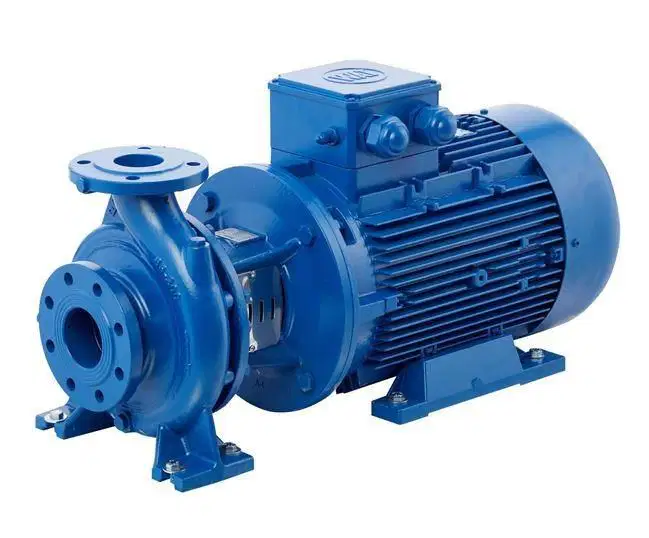
What is the efficiency range of a centrifugal pump?
40 to 60%
50 to 95%
10 to 40%
70 to 80%
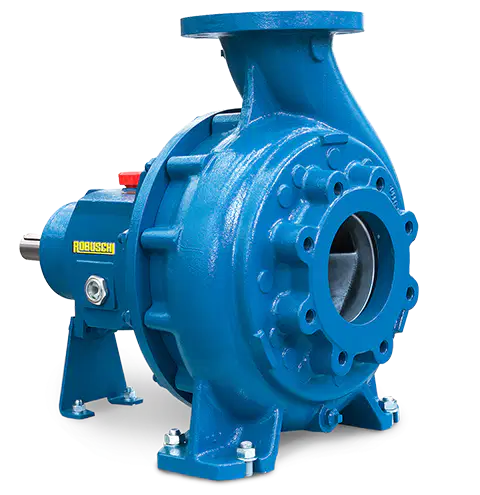
One of the applications of centrifugal pumps is (a) process industries

Centrifugal pumps convert mechanical energy into ______________
electrical energy
flow energy
hydraulic energy
none of them

One of the failure points is Pump (a)
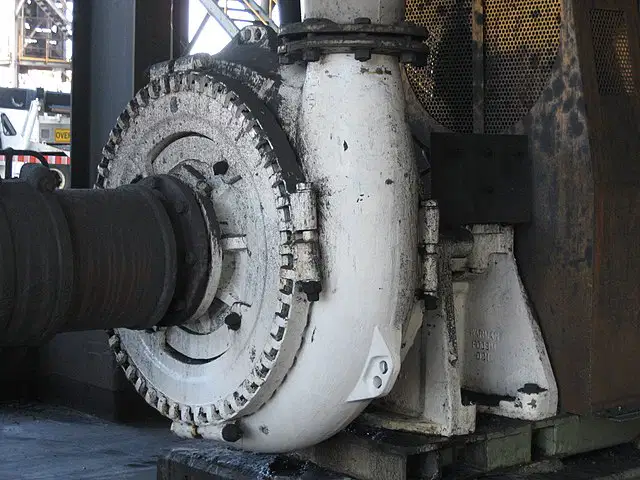
Normal maintenance intervals are quarterly, biannually or ________
annually
weekly
monthly
daiy

Which one is not part of a centrifugal pump maintenance checklist?
mechanical part inspection
electrical testing
Lubricant
hydraulic inspection
Pump is used to convert........................
MECHANICAL ENERGY ------------> HEAT ENERGY
HYDRAULIC ENERGY ------------> HEAT ENERGY
POTENTIAL ENERGY ------------> MECHANICAL ENERGY
MECHANICAL ENERGY ------------> HYDRAULIC ENERGY
Centrifugal pump is the example of ..............................
rotodynamic pump
jet pump
positive displacement pump
piston pump
Reciprocating pump is the example of ........................
mixed flow pump
rotodynamic pump
deepwell pump
positive displacement pump
Foot valve including pump is.............................
centrifugal pump
reciprocating pump
piston pump
gear pump
Cylinder ,piston, connecting rod including pump is .....................
single stage centrifugal pump
reciprocating pump
rotodynamic pump
multi stage centrifugal pump
In multistage centrifugal pump for high discharge ,it shold be connected in.............................
radial
axial
series
parallel
In multistage centrifugal pump for high Head ,it shold be connected in.............................
series
radial
parallel
axial
Propeller pump is also called................................
radial flow pump
deepwell pump
jet pump
axial flow pump
Air compressor need for ........................................
centrifugal pump
deepwell pump
airlift pump
reciprocating pump
Reciprocating pump is a......................................
High head pump
Low head pump
High discharge pump
Low discharge pump
What is the main component of a centrifugal pump?
impeller
pipe
motor
valve
What is the purpose of an impeller in a centrifugal pump?
To decrease fluid velocity
To increase fluid velocity
To generate heat
To filter the fluid
What is the function of a volute in a centrifugal pump?
The function of a volute in a centrifugal pump is to filter the fluid.
The function of a volute in a centrifugal pump is to increase the flow rate of the fluid.
The function of a volute in a centrifugal pump is to cool down the fluid.
The function of a volute in a centrifugal pump is to convert the high-velocity fluid from the impeller into a pressure head.
What is the purpose of a casing in a centrifugal pump?
To reduce the efficiency of the pump.
To prevent fluid from entering the pump.
To increase the speed of fluid flow.
To enclose and support pump components and direct fluid flow.
What is the role of a shaft in a centrifugal pump?
To transmit power from the motor to the impeller
To provide stability and support to the impeller
To prevent leakage of fluid from the pump
To control the flow rate of the pump
What is the function of a bearing in a centrifugal pump?
To increase the speed of the pump.
To support the rotating shaft and reduce friction between moving parts.
To regulate the flow rate of the pump.
To prevent the pump from overheating.
What is the purpose of a seal in a centrifugal pump?
To allow easy access for maintenance and repairs.
To prevent leakage of fluid from the pump casing.
To increase the flow rate of the pump.
To reduce the efficiency of the pump.
What is the role of an inlet in a centrifugal pump?
To regulate the flow rate of the fluid
To cool down the pump
To prevent fluid entry into the pump
To allow fluid entry and direct it towards the impeller.
What is the function of a diffuser in a centrifugal pump?
To regulate the temperature of the pump
To reduce the pressure energy of the pump
To convert kinetic energy into pressure energy
To increase the flow rate of the pump
What is the purpose of a discharge outlet in a centrifugal pump?
To prevent the flow of fluid
To increase the pressure of the fluid
To release pressurized fluid and direct it to the desired location or system.
To cool down the pump
Which among the following pumps have a definite amount of discharge?
Positive displacement pumps
Non-positive displacement pumps
Self-priming pumps
Jet pumps
Pumps used in hydraulic applications are
Positive displacement pumps
Variable displacement pumps
Fixed displacement pumps
All the above
Volumetric efficiency is the ratio of
Theoretical flow rate to actual flow rate
Actual flow rate to theoretical flow rate
Actual fluid power to pump input power
None of the above
Which of the following is a hydrodynamic pump?
Vane pump
Gear pump
Centrifugal pump
Piston pump
What causes suction of fluid into the gear pump?
when pressure drops during disengagement of teeth at the suction side
when pressure increases during disengagement of teeth at the suction side
when pressure drops during engagement of teeth at the suction side
when pressure increases during engagement of teeth at the suction side
Variable displacement pumps used in hydraulic applications can
1. have variable flow rate
2. consume less energy
3. be operated with high accuracy for slow and rapid motion
4. generate more heat
1 and 2
3 and 4
1, 2 and 3
All the above
Which type of displacement is observed in gear pumps?
Only variable displacement
Only fixed displacement
Both fixed and variable displacement
None of the above
What prevents the leakage of oil inside an unbalanced vane pump?
Vanes
Screw
Cylindrical rotor
Difference between pressure of inlet and outlet
Which among the following are not the main selection criteria for selection of hydraulic pumps?
Discharge
Pressure
Speed
Weight
Which force causes vanes to come out of the rotor slots?
Centripetal force
Centrifugal force
Friction force
None of the above
What causes internal leakage in internal gear pump?
Less tolerance level between the meshing surfaces
More tolerance level between the meshing surfaces
No tolerance between the meshing surfaces
None of the above
Which of the following statements is false for vane pumps?
Wear in contact surfaces occurs due to continuous contact between vane tips and the cam ring
Elliptical cam ring is replaced by round cam ring to reduce unbalanced forces
Different sizes of cartridge kits can be replaced in same vane pump
None of the above
In pressure compensated vane pump,
1. having variations in eccentricity between rotor and cam ring gives variable displacement
2. as eccentricity between rotor and cam decreases, flow of fluid decreases
3. as eccentricity between rotor and cam decreases, flow of fluid increases
4. having variations in eccentricity between rotor and cam ring gives fixed displacement
1 and 3
3 and 4
2 and 4
1 and 2
What is the difference between vane pump and radial piston pump?
In radial piston pump, radial slots in vane pumps are replaced by radial bores which accommodate pistons
In radial piston pump, radial slots in vane pumps are replaced by radial bores which accommodate swash plate
In radial piston pump, radial slots in vane pumps are replaced by radial bores which accommodate both swash plate and pistons
None of the above
When the angle of swash plate decreases
Flow rate increases
Flow rate decreases
Flow rate does not depend on swash plate angle
None of the above
Which of the following statements are true?
1. piston pumps are self priming
2. piston pumps require high maintenance
3. piston pumps have low cost of production
4. piston pumps have low volumetric efficiency
1 and 2
3 and 4
1 and 3
2 and 3
What is the maximum angle between cylinder block and shaft axis?
30o
50o
45o
60o
What is the function of Interstage coolers?
To reduce the temperature of the air
Used as storage and smoothened
To remove the traces of moisture
To prevent dust from entering the compressor
In a lobe pump, the output may be slightly ______ because of the smaller number of ______ elements.
(a)
Mechanical efficiency indicates the amount of energy losses that occur for reasons other than leakage.
True
False
A fuel pump drawn into a solenoid switch until it opens a set of contacts to turn off the current.
Mechanical fuel pump
Turbo fuel pump
Electric fuel pump
A mechanical device that moves fluid or gas by pressure or suction.
Fuel tank
Fuel pump
Fuel gauge
Fuel pump that actuating lever moves up and down constantly, but pulls the diaphragm down only as needed to refill the pump chamber.
Turbo fuel pump
Mechanical fuel pump
Electric fuel pump
Explain the difference between centrifugal pumps and positive displacement pumps.
Centrifugal pumps have a fixed amount of fluid output, while positive displacement pumps can vary output based on speed.
Centrifugal pumps are more energy-efficient than positive displacement pumps due to their design.
Centrifugal pumps use reciprocating motion to move fluid, while positive displacement pumps use centrifugal force.
Centrifugal pumps convert rotational kinetic energy into fluid energy, while positive displacement pumps move fluid by trapping a fixed amount and forcing it through the system.
The pump discharge pressure (PDP) is the total pressure needed to overcome all friction, appliance, and elevation loss while maintaining adequate ____ pressure to deliver effective fire streams.
pump
nozzle
back
flow
241-248.
Answer the questions below after watching the video
In the video, name the two (2) basic types of pumps discussed.
Centrifugal and Axial pumps
Positive Displacement and Dynamic pumps
Peristaltic and Gear pumps
Compressor and Blower pumps
What is the main characteristic of positive displacement pumps?
They are more efficient at high flow rates
They have closed volumes for fluid movement
They are commonly used for gases
They have rotating impeller blades
Name the three (3) main types of dynamic pumps mentioned in the video.
Peristaltic, Gear, and Double screw pumps
Centrifugal, Axial, and Mixed flow pumps
Compressor, Blower, and Fan pumps
Positive Displacement, Rotary, and Reciprocating pumps
How is the pump efficiency been defined?
Volume flow rate divided by the head pressure
Motor power divided by the pump power
Flow rate multiplied by the pump head
Useful power delivered to the fluid divided by the shaft power
What is the main reason for the inefficiency of a pump at extreme flow rates?
High fluid density
Incorrect impeller blade design
Zero head or zero flow rate
Leakage through the pump
What is the significance of the Best Efficiency Point (BEP) on a pump performance curve?
It represents the point of lowest power consumption
It indicates the maximum flow rate of the pump
It shows the highest head pressure achievable
It marks the point of zero efficiency
How does the pump performance curve change when the pipe length is increased?
The curve becomes steeper
The curve shifts to the left
The curve becomes linear
The curve shifts to the right
What is the main takeaway regarding pump specifications from the lesson?
Pump performance is not affected by fluid density
Understanding the trade-off between head and flow rate is crucial
Pump efficiency is independent of head and flow rate
Maximum head and flow rate can be achieved simultaneously
2 Bar = ..... Pa
200
200.000
2000
20.000

373W = ..... HP
5
0,5
3,73
37,3

