
 Worksheets
Communication Quiz
Total questions: 35
Worksheet time: 26mins
What is Body Language?
Postures, gestures, and facial expressions.
The exchange of information through the use of words.
Your words say one thing but your body language say another.
Speaking from your point of view.
Good listening skills include what?
Smiling and waving at people
Yelling loudly at people
Writing in slang
None of the above
The exchange of information through the use of words or actions is
Active listening
Body language
Communication
Media
Which of the following is considered a listening skill?
Thinking before you speak
Writing clear, simple statements
Paying attention

Two types of communication are:
Verbal and Non-verbal
Verbal and Information
Verbs and Nouns
Sight and Hearing

An example of verbal communication is:
Posture
Phone conversation
Eye contact
Writing an email
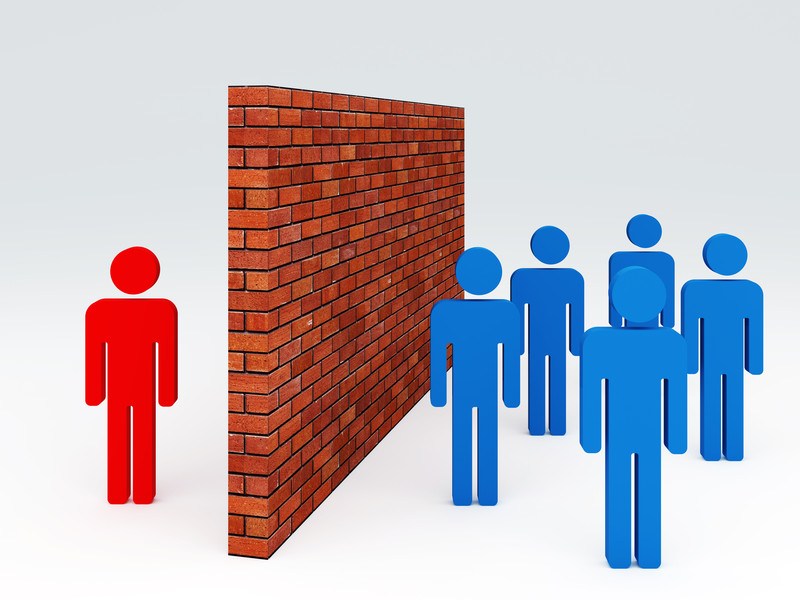
Which of the following is a barrier to communication?
Message is not clear
Not listening
Lack of language skills
All of the above

Which is NOT important in effective communication?
Using the appropriate tone
Making eye contact
Using appropriate body language
Having a charming personality

A good, clear speaker…
Understands what he/she wants to say
Considers the audience and the setting
Checks to assure understanding, and listens to responses
All of the above
In which country do people (both male and female) greet each other by kissing on the cheek?
Japan
Italy
Nigeria
China
When communication is done without words or language, it is called?
Verbal Communication
Sign Language
Non Verbal Communication
Written Communication
The person who initiates the communication process is called
Messenger
Encoder
Sender
Medium
The final link in the communication chain is
Feedback
Receiver
Decoding
Medium

We communicate through speech by:
Telephone call and conversations
Body language, facial expressions
Letter and emails
All of the above

An example of non-verbal communication is:
Sleeping
Face-to-face conversation
Telephone conversation
Eye Contact
Specific items that can distort, destroy, or prevent communication.
active listening
communication
communication barriers
The listener, reader, or observer; the individual to whom a message is directed toward.
verbal communication
receiver
sender
The individual who initiates or delivers a message
sender
receiver
clarifier
Giving your full attention to the speaker, using all senses to listen, and showing the speaker you are listening by giving eye contact, smiling, and/or nodding.
active listening
verbal communication
clarification
Verbal communication refers to all forms of communication that
use written information to send a message
require the use of electronic media
can be heard by the listener
use words to convey a message
Which of the following is an example of non-verbal communication?
Radio advertisement for a sale
Using a telephone to speak to a customer
Using a loudspeaker to call an employee to the office
Use of a symbol to express danger
Which of the following is a sign that someone is NOT practicing active listening?
The listener maintains eye contact and asks clarifying questions.
The listener interrupts the speaker to share their opinion.
The listener paraphrases the speaker’s message.
The listener occasionally nods in agreement.
Which of the following best defines the term “channel” in the context of communication?
The process of encoding a message.
The physical medium used to transmit a message.
The interpretation of the message by the receiver.
The feedback provided by the receiver.
In a formal communication setting, what is the primary role of the "channel"?
To provide feedback to the sender.
To store the message for future use.
To analyze the content of the message.
To facilitate the transmission of the message.
An technician installs a new air conditioning unit and asks the homeowner to test the unit to ensure everything works. After checking, the homeowner informs the technician that there seems to be a problem with water leaking. In the communication process, what role is the homeowner playing by providing this information?
The feedback provider
The channel
The sender
The decoder
How does noise affect the communication process?
It interferes with the encoding and decoding of the message
It enhances the message, making it more dynamic.
It ensures the message reaches the audience.
It helps improve the clarity of the message.
Context: You are discussing electrical safety procedures with a new apprentice. The conversation involves several critical steps for safely working with live wires.
In this situation, which form of communication would be most effective?
Posting a generic safety sign without explanation.
Sending an email after the task is completed.
Written communication to provide a detailed checklist for reference.
Oral communication, allowing you to explain safety procedures in detail and answer questions in real-time.
Context: After completing an air conditioning unit installation for a new house, you need to leave a written report for the homeowner explaining how to safely operate and maintain their new AC system. The report should also note any potential future issues.
What is the most effective way to write this report?
Write in simple, clear language, and include any technical terms with explanations.
Use highly technical language that the homeowner may not fully understand.
Keep the report brief and avoid explaining potential issues.
Focus only on listing the equipment installed without providing safety instructions.
What does the term “noise” mean in the context of communication?
The use of jargon in communication.
Any interference that distorts the message in the communication process.
The sender’s tone of voice during oral communication.
External sounds that disrupt communication.
Context: You are working on-site with a team of technicians to wire air conditioning units in a new building. As you are wiring a unit, your supervisor approaches and watches silently. Without saying a word, he crosses his arms and raises an eyebrow. Based on non-verbal cues, what might your supervisor be communicating, and how should you respond?
He is satisfied with your progress but is thinking about another task.
He wants you to speed up without explaining why.
He is impressed with your work; continue without any changes.
He may have noticed a potential issue with your wiring and is questioning your approach. You should pause and ask for clarification.
How can cultural differences act as a barrier to communication?
They are easily overcome with effective listening.
They create different interpretations of verbal and non-verbal messages.
They enhance mutual understanding between communicators.
They always result in misunderstandings.
Why is decoding crucial in the communication process?
It determines the accuracy of the transmitted message.
It ensures that the sender receives feedback.
It allows the receiver to interpret the meaning of the message.
It helps the sender organize their thoughts
Context: You’re working on-site in a busy construction area, and the noise from machinery makes it difficult to hear your supervisor’s instructions regarding wiring locations. Despite repeated attempts, you can't fully understand the instructions.
What is the best way to overcome this barrier to effective communication?
Ask your supervisor to repeat the instructions more slowly.
Ignore the instructions and proceed as you think is correct.
Request to move to a quieter location or use a written form of communication, such as a diagram.
Nod in agreement and hope you understood correctly.
Which of the following is an example of a psychological barrier in communication?
Background noise during a phone call
The use of technical jargon
Prejudices or assumptions about the speaker
Poor lighting in a conference room
In which situation is oral communication more effective than written communication?
When precision and clarity are essential.
When detailed records are required for future reference.
When dealing with complex technical instructions.
When a quick response or interaction is needed.

