
 Worksheets
OpenSciEd Lesson 1-2 Review for Quiz
Total questions: 28
Worksheet time: 14mins
Name
Class
Date
1.
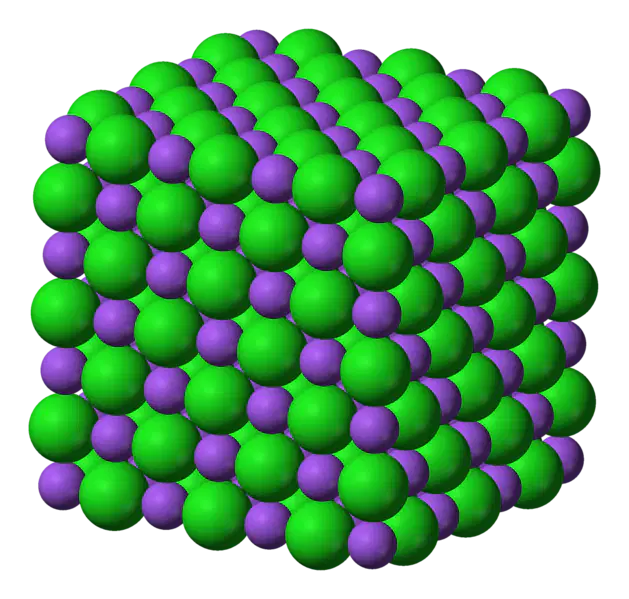
What state of matter does this picture represent?
a)
Solid
b)
Liquid
c)
Gas
2.
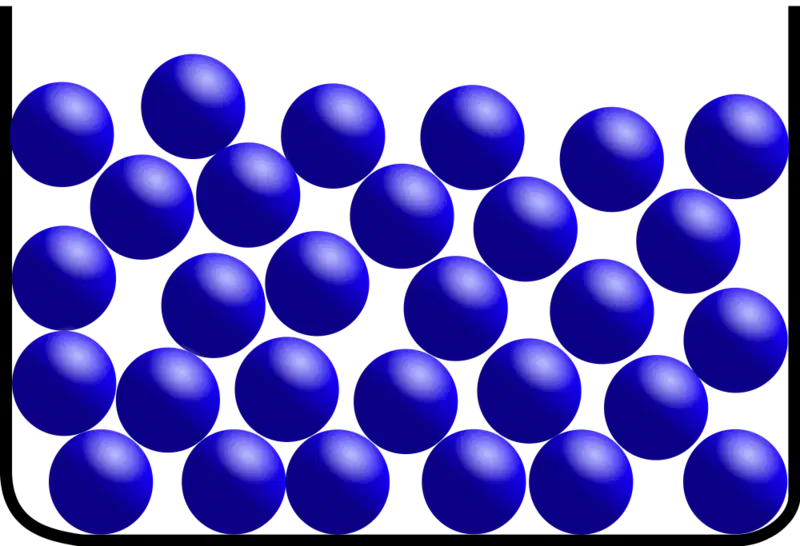
What state of matter does this picture represent?
a)
Solid
b)
Liquid
c)
Gas
3.

What state of matter does this picture represent?
a)
Solid
b)
Liquid
c)
Gas
4.
Define matter.
a)
Matter is anything that has mass.
b)
Matter is anything that has volume
c)
Matter is anything that has mass and takes up space.
d)
Matter is anything that moves.
5.
What did the gas bubbles observed in the bath bomb experiments indicate?
a)
a) That a chemical reaction was occurring
b)
b) That the water temperature was decreasing
c)
c) That the bath bomb was breaking into pieces
d)
d) That the bath bomb was freezing
6.
Why do we compare homemade bath bombs to store-bought bath bombs?
a)
a) To observe similarities and differences in
b)
b) To see which one smells better
c)
c) To determine which is easier to make
d)
d) To check if they have the same color
7.
Why do students record the mass of the whole system before and after the reaction?
a)
a) To see how much water the bath bombs absorbed
b)
b) To determine if new matter was added or gas was formed
c)
c) To ensure the bottle cap is tightly on
d)
d) To compare the weight of the dry and wet bath bombs
8.
What does hearing a hiss when opening the bottle cap indicate?
a)
a) The bottle cap being too tight
b)
b) The bath bombs reacting again
c)
c) Water leaking from the bottle
d)
d) Gas escaping from the system
9.
What key idea explains why the mass decreased when the bottle cap was opened?
a)
a) Gas is matter and has mass, so when it escapes, mass decreases.
b)
b) The water evaporated inside the bottle.
c)
c) Bubbles dissolved into the water, causing less mass.
d)
d) The bath bombs absorbed more water, decreasing mass.
10.
What is a conclusion from crushing the dry bath bomb in a closed bag?
a)
a) The bag remained unchanged, indicating no gas presence.
b)
b) The bag inflated quickly, showing the gas came from the bath bomb alone.
c)
c) The bag did not inflate, indicating the gas was not from the dry bath bomb alone.
d)
d) The bag burst open due to the trapped gas.
11.
What reasoning supports the claim that gas has mass based on the experiment performed?
a)
a) The mass decreases when the gas is released, indicating that the gas had mass.
b)
b) The sound of the gas escaping proves it has mass.
c)
c) Increased temperature shows that gas has mass.
d)
d) Gas escaping causing inflation proves it has mass.
12.
If the mass of the system remains the same before and after mixing the bath bombs with water, what conclusion can be drawn?
a)
a) The experiment was conducted incorrectly.
b)
b) The bath bombs did not dissolve properly.
c)
c) No new matter was created; the gas was already present.
d)
d) The reaction did not produce any gas.
13.
What does the Law of Conservation of mass state?
a)
a.) Matter can be created and destroyed
b)
b.) Matter cannot be created but can be destroyed
c)
c.) Matter can be created but not destroyed
d)
d.) Matter can neither be created nor destroyed
14.
What are atoms?
a)
Atoms are the smallest particles that make up matter
b)
Atoms are large and take up a lot of space
c)
Atoms are created in chemical reactions.
15.
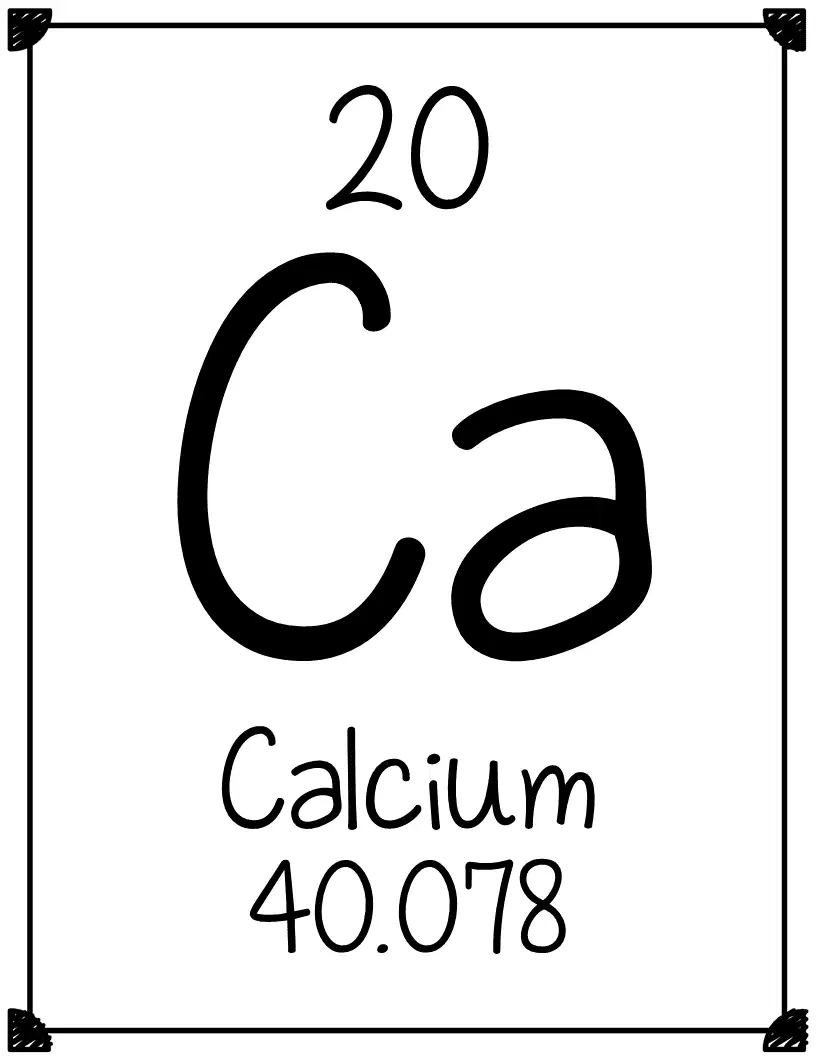
What element is represented below?
a)
Potassium
b)
Calcium
c)
Carbon
d)
Cobalt
16.
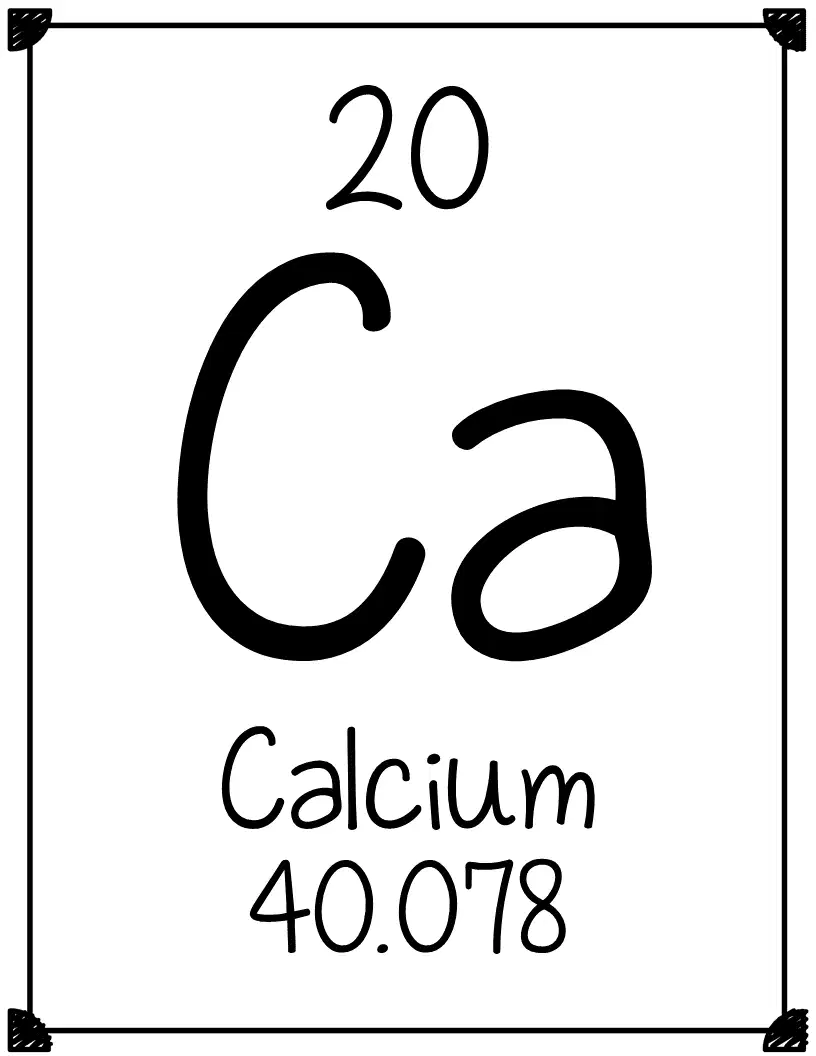
What is the element symbol of the element in the picture below?
a)
Calcium
b)
Ca
c)
C
d)
a
17.
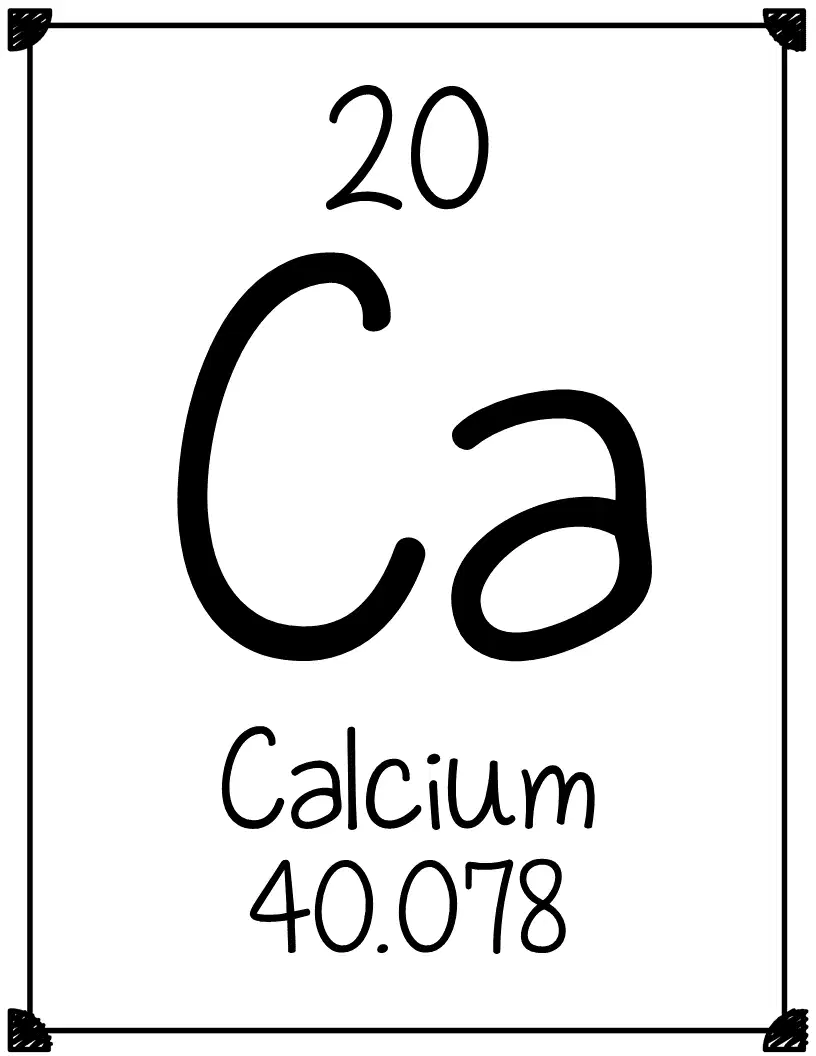
What is the atomic number of Calcium?
a)
20
b)
40
c)
30
d)
21
18.
Protons= ______________ on the periodic table.
a)
Atomic Number
b)
Atomic Mass
19.
Electrons= _______________ on the periodic table.
a)
Atomic Number
b)
Atomic Mass
20.
Neutrons= _____________ --- _________________
a)
Atomic Number
b)
Atomic Mass
c)
Atomic Mass -- Atomic Number
21.
Protons have a _____________ charge.
a)
Positive
b)
Negative
c)
Neutral
22.
Neutrons have a ____________ charge.
a)
Positive
b)
Negative
c)
Neutral
23.
Electrons have a _____________ charge.
a)
Positive
b)
Negative
c)
Neutral
24.
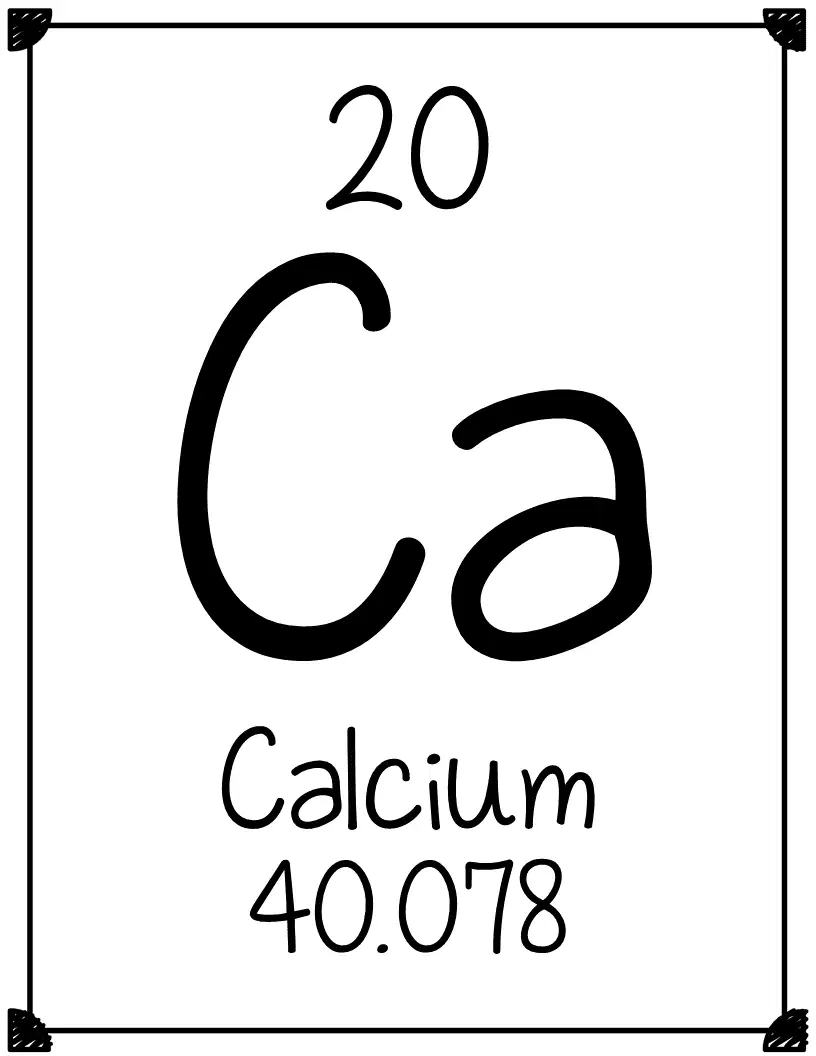
How many protons does Calcium have?
a)
20
b)
40
25.
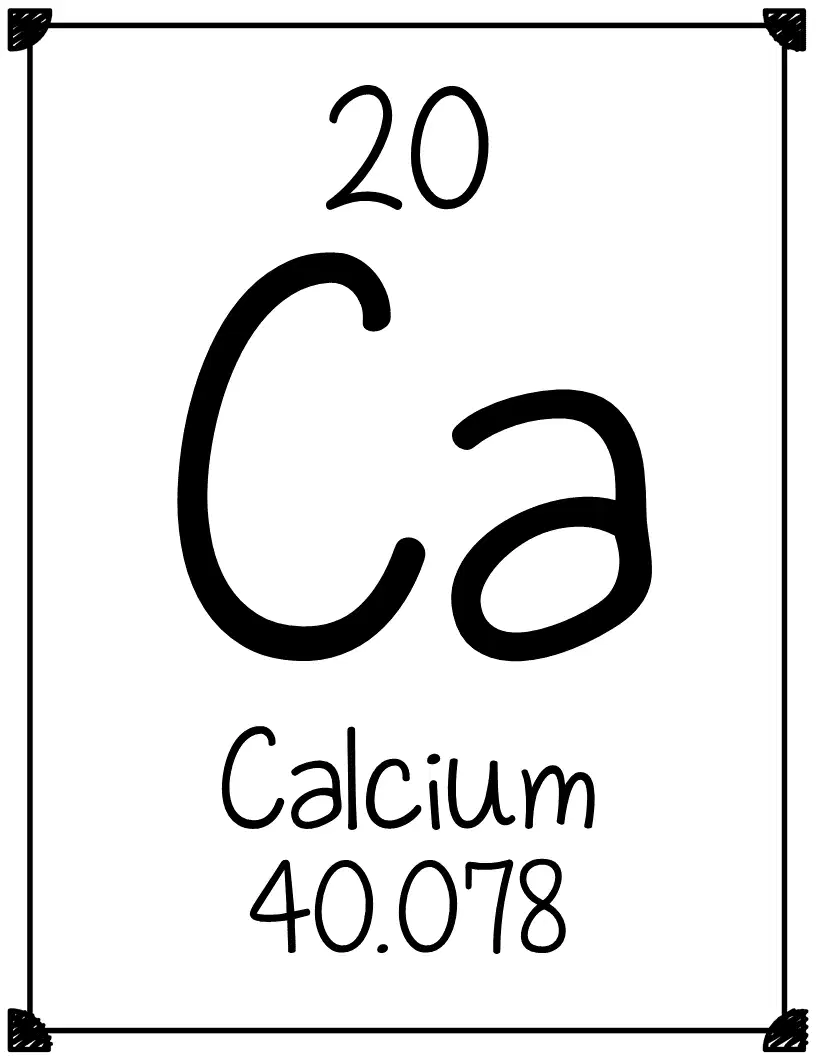
How many electrons does Calcium have?
a)
20
b)
40
26.

How many neutrons does Calcium have?
a)
20
b)
40
27.
What happens to the mass of a system when a chemical reaction occurs in a closed container?
a)
a) The mass increases.
b)
b) The mass decreases.
c)
c) The mass remains the same.
d)
d) The mass fluctuates.
28.
Why does the mass of an open-system decrease?
a)
a) They have a definite shape.
b)
b) They have a definite volume.
c)
c) They expand to fill their container.
d)
d) The gas is released
100 %

