
Font size
 Worksheets
WHH HL1 MCQ Review
Total questions: 28
Worksheet time: 15mins

What did the Nile River provide to the Ancient Egyptians?
Gold
Silt
Elixir of Life
Road to the Afterlife
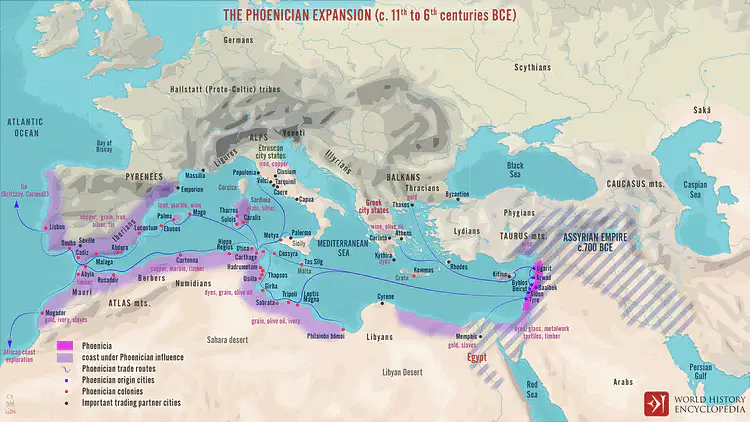
The Phoenicians established a _______ within the Mediterranean region.
trade network
alphabet
WiFi connection
canal system
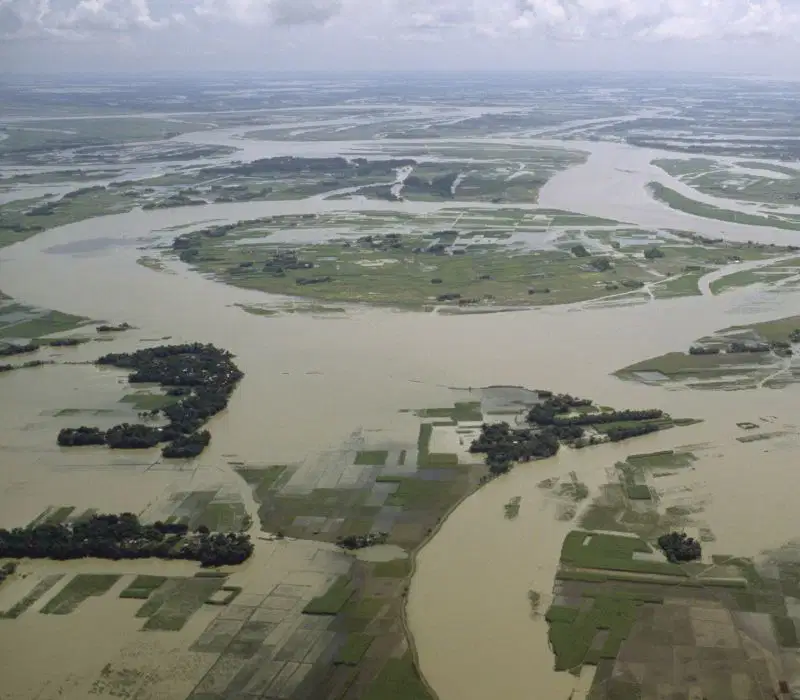
The Egyptians studied the behavior of the Nile River to understand how flooding could be beneficial and dangerous to their civilization. **What systems did the Mesopotamians develop to control the Tigris-Euphrates Rivers?**
Canals
Dams
Levees
Shadufs
None of the Choices
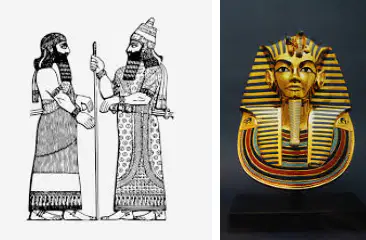
What was similar about the Egyptian and Mesopotamian government structures in their relation to the religions each culture practiced?
Mesopotamian kings and Egyptian pharaohs carried out campaigns to find out the needs of their people and provided funding for public works projects that made daily life easier.
Mesopotamian kings and Egyptian pharaohs based their laws on a constitution that could be amended by the bureaucracy they answered to for government policy.
Mesopotamian kings and Egyptian pharaohs were related to and representative of the deities on Earth.
None of the Choices.

Although the Ancient Hebrews (Jews of Today) developed their culture alongside the Mesopotamian and Egyptian civilizations respectively, what kind of religion did the Hebrews develop and why? (Refer to the lectures and your theology class lessons.)
The Jews chose to convert to Islam due to the effectiveness of the Muslim armies that invaded the Holy Land.
The Jews converted to Christianity when they learned of the miracles of Jesus Christ and His Apostles.
The Hebrews practiced the same religion as their Babylonian and Egyptian overlords so that they wouldn’t face max execution.
The Jews developed the first consistent monotheistic religion because Abraham followed 1 God, named Yahweh, who provided his descendants with land (Israel), laws (10 Commandments), and protection.
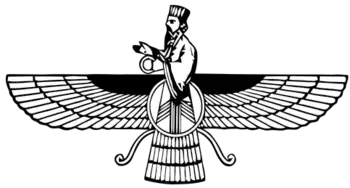
The Persians were unique among the Mesopotamian civilizations in that they practiced a _______ religion called Zoroastrianism (a never-ending battle between good and evil — a contest between the religion's God, Ahura Mazda, and an evil spirit, Ahriman. Believers have the freedom to make good or bad choices; they were exhorted by Zoroaster to think good thoughts, say good words and do good deeds.).
Polytheistic
Animistic
Monotheistic
None of the Choices.
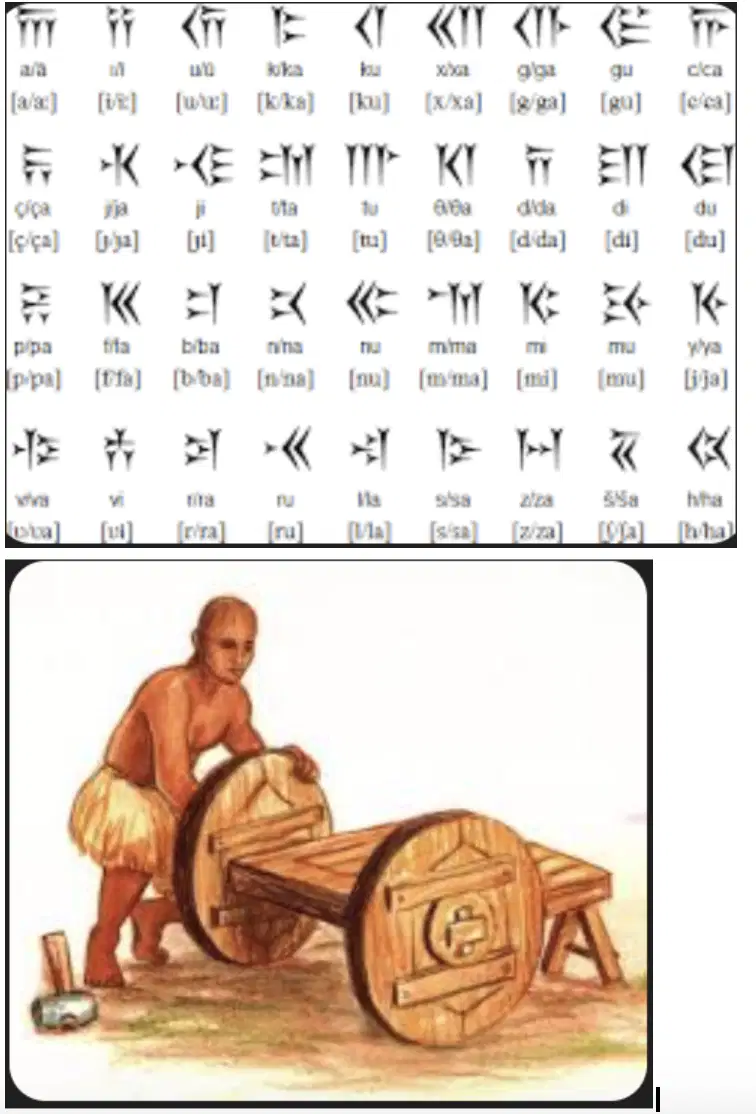
What legacies did the Mesopotamian civilizations leave behind that are still in use today?
Phonics
Writing
Wheel
Pyramids
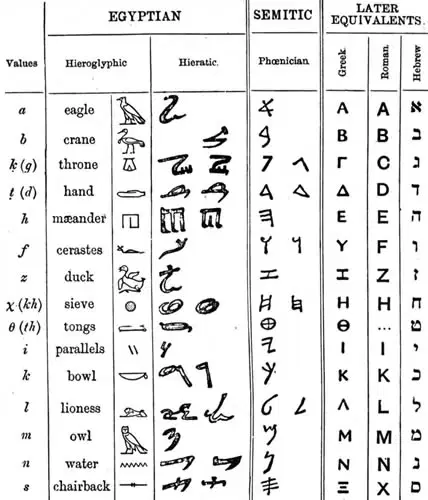
What was the legacy of Phoenicia?
Phonics
Global Trade
Sailboat
Alphabet
Although the Persians practiced a monotheistic religion called Zoroastrianism, their approach to other faiths within their empire was that of _______.
conversion through military force
religious tolerance
conversion through missionary work
conversion through economic sanctions (people could not start businesses in the Persian Empire unless they converted to Zoroastrianism)
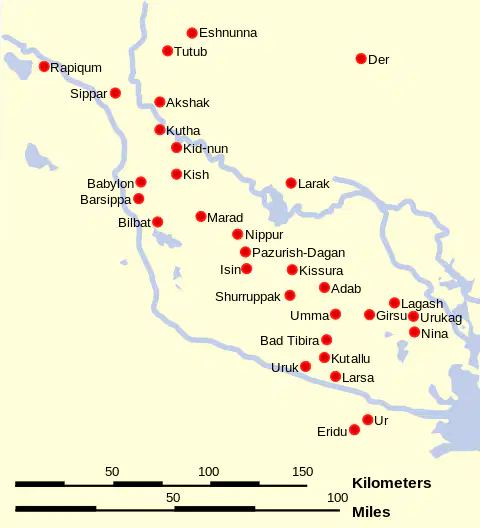
Anthropologists, historians, and political scientists use the term ______ to describe a political unit that displays the characteristics of both a city and a state.
individual polity
sovereign
republic
city-state

The ziggurat was a stepped temple that was attributed to which civilization?
Babylon
Sumeria
Maya
Aztec
Egypt

Zoroastrianism was the world’s first _______.
law code
civilization
monotheistic religion
polytheistic religion
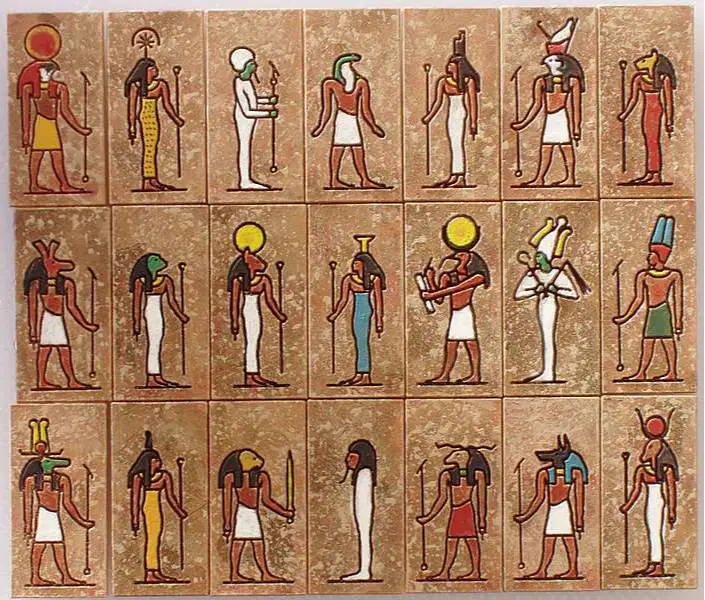
Most ancient civilizations practiced _______, a religion in which multiple deities were revered.
polytheism
animism
None of the Choices.
monotheism
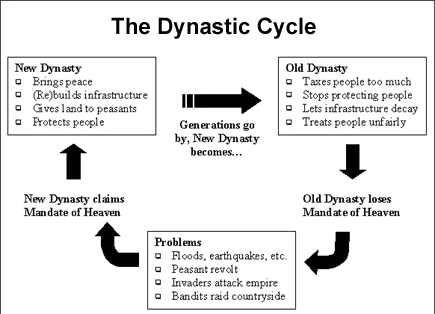
In a(n) ______, ruling power is passed from one generation to the next.
democracy
republic
dynasty
oligarchy

The Mesopotamian civilization known for inventing cuneiform and the wheel was _____.
Persia
Sumer (Sumeria)
Babylon
Assyria
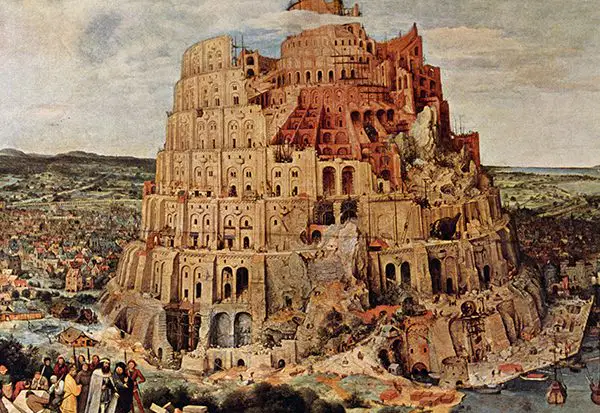
The Mesopotamian civilization known for its hanging gardens, towers built to “reach the gods,” and conquering modern-day Israel was ______.
ISIS
Persian Empire
Sumerian Empire
Babylonian Empire

This Mesopotamian civilization was the ancestor of modern-day Iran. It nearly conquered the Greek city-states. It eventually would fall to the young Macedonian king, Alexander.
Babylonian Empire
Persian Empire
Akkadian Empire
Sumerian Empire
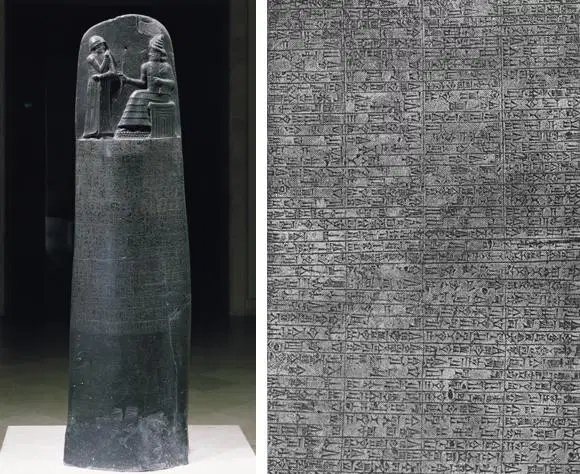
The saying, an “eye for an eye, a tooth for a tooth” comes from which ancient law system?
Ten Commandments
4 Noble Truths and the Eightfold Path
Beatitudes
Rig Veda
Hammurabi’s Code

West Africa, South Asia, Western Europe and the American Southwest all have seasonal storms known as _______. These storms cause severe flooding and the amount of rainfall can change the topography of a region.
typhoons
tsunamis
monsoons
hurricanes

Filial piety or respect for one’s elders is a teaching from which Asian philosophy?
Hinduism
Buddhism
Confucianism
Christianity

A social class from India’s Hindu religion in English is referred to as _________.
status
caste
ranking
group
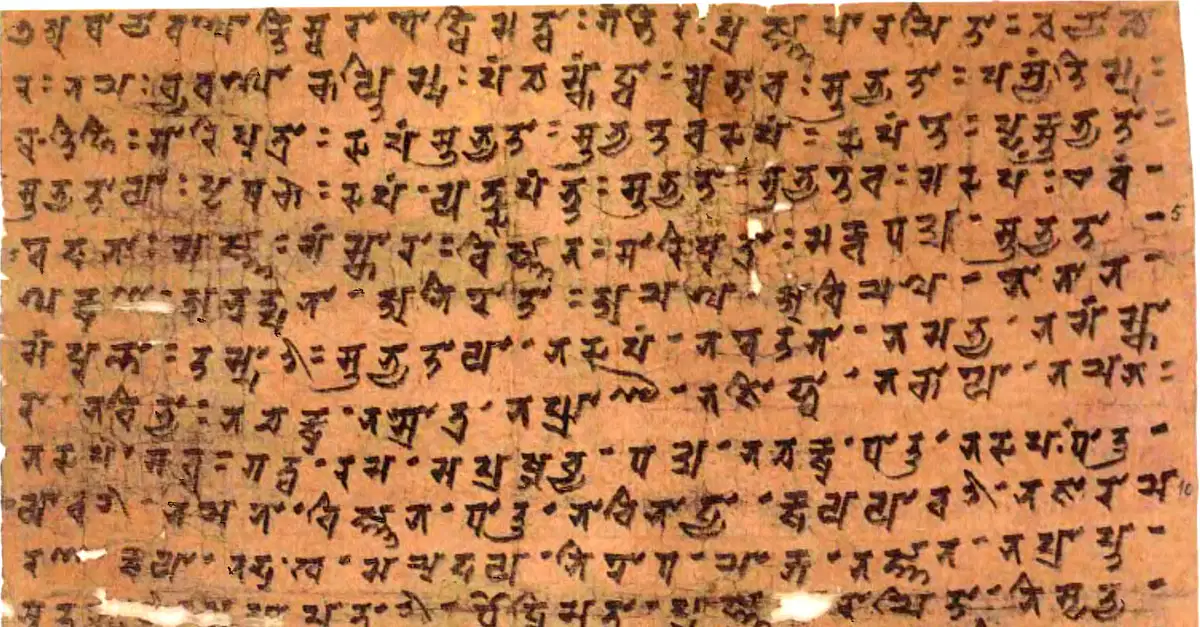
The language that can only be interpreted by the Brahmin caste in Hinduism is _______.
Mandarin
Latin
Sanskrit
Phoenician

The religious architectural form that migrated from India, to China, to Korea, to Japan was the ______.
pagoda
stupa
synagogue
cathedral
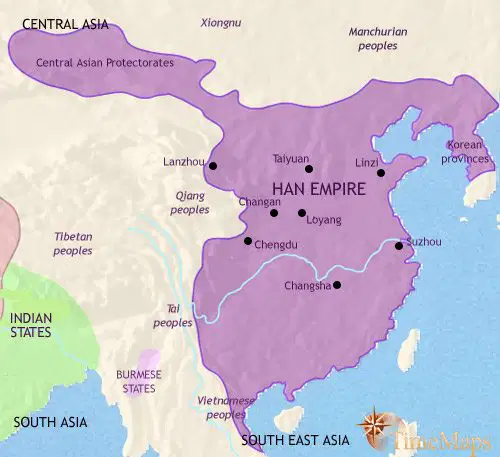
Which Chinese dynasty is credited with incorporating the teachings of Confucius into mainstream Chinese culture?
Han
Ming
Yuan
Qin

The term dynastic cycle refers to the movement of the ________ from one imperial family to another.
Divine Right
Birthright
Mandate of Heaven
Ark of the Covenant

The land-based trade network that eventually connected the markets of Western Europe to China was named after the secretions produced by a species of caterpillar which was woven into a luxurious material for expensive clothing worn by Chinese royalty. This trade network was called ______.
Audubon
Silk Road
Columbian Exchange
None of the Choices
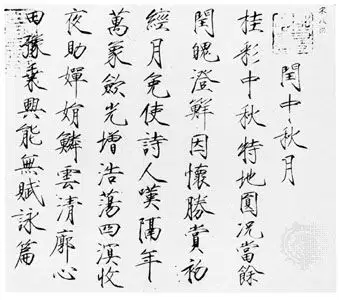
What is distinctive about Chinese script?
It was written on paper.
It features ideographs and pictographs.
Outside cultures influenced how it was formed.
It represents phonetic sounds.

What is the PRINCIPAL LEGACY that WESTERN CIVILIZATIONS COPIED from ANCIENT CHINA to ensure that their societies continue functioning as meritocracies or awarding high paying jobs and business transactions to people who deserve them based on WHAT THEY KNOW as opposed to WHO THEY KNOW?
Western civilizations construct walls with Chinese blueprints for wall engineering.
Civil service examinations provide all levels of government with qualified employees.
All languages use ideographs and pictographs in their writing.
Chinese noodle-making techniques inspired Italian pasta.

