
Font size
 Worksheets
Unit 2: INtro to Cells
Total questions: 104
Worksheet time: 17hrs 20mins

What is NOT a part of cell theory:
all cells come from existing cells
all cells have a nucleus
all living things are made of cells
cells are basic unit of structure and function in living things
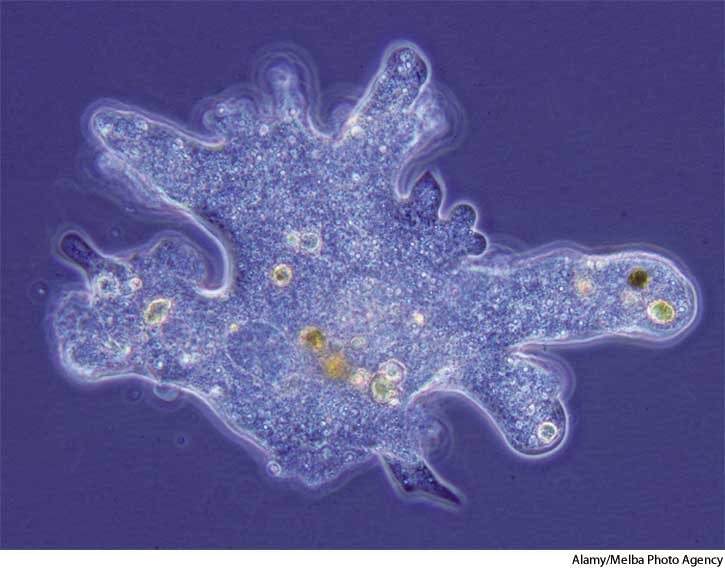
An Amoeba is a unicellular, animal-like protist that lives in ponds and streams. According to cell theory, where did this cell come from?
another pre-existing amoeba cell.
energy from sun that allowed the protist to reproduce.
a multicellular organism.
the nonliving environment.

Which of the following is NOT a cell theory.
All non-living things are made of cells
All cells come from pre-existing cells
Cells are the basic unit of structure and function of all living things
All cells come from___________ cells.
pregnant
pre-existing
paternal
pin size
Rocks are not living because
they never move
they aren't needed for humans
they are not made of cells
they don't break down
What is the basic structural and functional unit of all living things?
atom
cell
molecule
human
There are three parts to the cell theory. Which is NOT one of those parts?
All organisms are composed of one or more cells.
The cell is the basic unit of structure and organization in organisms.
Cells spontaneously arise from carbon and nutrients carried in the bloodstream.
All cells come from pre-existing cells.
A plant and an animal are both living things. According to the Cell Theory, what can you conclude about these two very different organisms?
Plants have cells but animals do not.
They are both made of one or more cells.
They both come from the same kind of cell.
They both come from a non-living organism.
Atom
smallest unit of matter
smallest unit of life
group of 2 or more atoms joined by a covalent bonds.
composed of only 1 type of atom
cell
smallest unit of matter
smallest unit of life
group of 2 or more atoms joined by a covalent bonds.
composed of only 1 type of atom
Molecule . . .
smallest unit of matter
smallest unit of life
group of 2 or more atoms joined by a covalent bonds.
composed of only 1 type of atom
Organelle . . .
specialized structure within a cell that performs specific cellular functions.
basic unit of life
group of same cells.
structure consisting of several different tissues to perform a specific function
Cell . . .
specialized structure within a cell that performs specific cellular functions.
basic unit of life
group of same cells.
structure consisting of several different tissues to perform a specific function
TISSUE . . .
specialized structure within a cell that performs specific cellular functions.
basic unit of life
group of same cells.
structure consisting of several different tissues to perform a specific function
Organ . . .
specialized structure within a cell that performs specific cellular functions.
basic unit of life
group of same cells.
structure consisting of several different tissues to perform a specific function
Organ system . . .
specialized structure within a cell that performs specific cellular functions.
group of organs working together to perform a vital body function.
group of same cells.
structure consisting of several different tissues to perform a specific function
organism
a group of organs working together to perform a vital body function.
a living thing
same species interacting with each other
all living things in a particular area.
Which of the following is arranged in the order of INCREASING levels of organization?
atom, molecule, cell
molecule, atom, cell
cell, atom, molecule
cell, molecule, atom
Which of the following is the correct order of organization in living things from most basic (simple) to most complex?
a. Organism, cell, tissue, organ, organ system
a. Organ system, organ, tissue, cell, organism
a. Cell, tissue, organ, organ system, organism
a. Cell, organ, tissue, organ, organism, organ system
Anything that can perform life processes by itself is a/an
cell
organ
organism
organ system
Which is an example of an organism?
a beetle
a lake
a rock
a shell
What is the difference between a cell and a tissue?
cell is basic unit of life; tissue is group of cells that work as one
cell is group of tissues; tissue is basic unit of life
cell is basic unit of life; tissue is groups of different cells
cell is group of organs; tissue is group of different cells
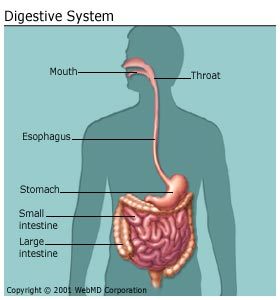
This is a example of........
organ system
cells
organ
tissue
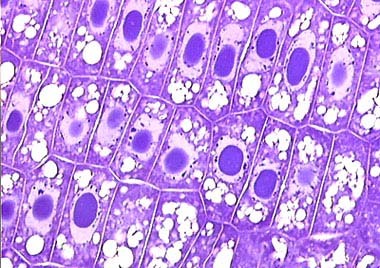
This is a example of ........
cell
tissue
organ
organ system
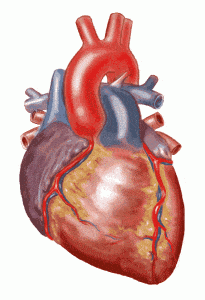
This is a example of ........
cell
organ system
organ
tissue
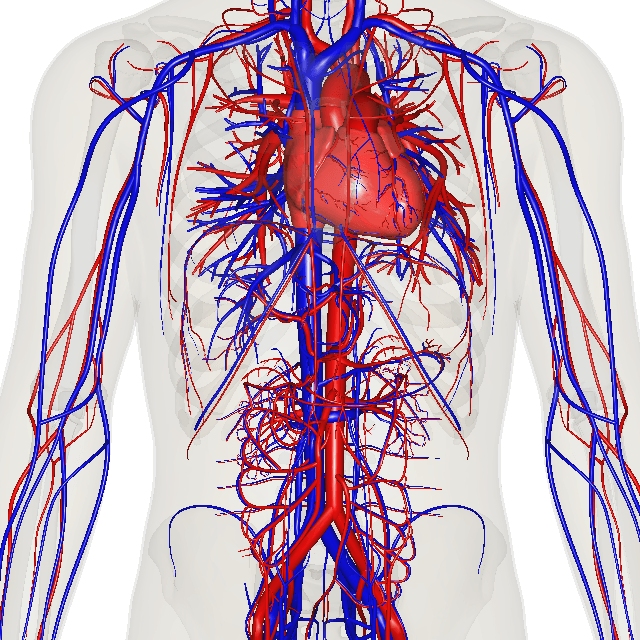
This is a example of ........
organ
organ system
tissue
cell

The smallest unit that makes up the known elements.
Molecule
Organelle
Cell
Atom

Structures in a cell that have specialized jobs.
Similar concept to organs for the human body.
Tissue
Molecule
Atom
Organelles
Which is an organ?


Which is an tissue?


Which is an atom?


This picture is a.......
cell
atom
tissue
molecule

What is most likely showing in the picture?
The heart
Tissue
Organ
Organ system
Which category is the smallest form of LIFE
Atom
Cell
Tissue
Organ
A Human is an example of.....
A cell
Organ
Organism
Population

Your mom is an example of a (an) ...
Organ
tissue
Cell
Organism

This picture is an example of which category?
Organ
Cell
Tissue
Organ System

The brain is an example of what category?
Organ
cell
tissue
Organ system

Multiple organ systems come together to make this:
Population
Community
Organism
Element

When many pieces of tissue come together, it makes a(n) _______________. Examples of this are lungs, heart, skin.
Atom
Organ
Molecule
Ecosystem
It is made up of bunch of cells that work together as one.
tissue
organ
cells
organelles
organism
a group of organs working together to perform a vital body function.
a living thing
same species interacting with each other
all living things in a particular area.
Organ system . . .
specialized structure within a cell that performs specific cellular functions.
group of organs working together to perform a vital body function.
group of same cells.
structure consisting of several different tissues to perform a specific function
All living organisms are made up of ____.
Cells
Bacteria
Organs
Tissue
Which of the following is a term used to describe all the chemical reactions that take place in a living thing?
respiration
mutations
homeostasis
metabolism
A plant growing towards a light source is an example of which of the following?
attracting a mate
destroying infectious germs
responding to a stimuli
obtaining moisture from the air
Infants will often smile when they hear a parent’s voice. In this situation, the parent’s voice is considered
stimulus
response
adaptation
resource
Identify all of the following that are living.
Volcano
Tree
Sun
Fungus
Identify all of the following that are nonliving.
Rock
Oxygen
Bacteria
Battery
The basic unit of life is called a (n)
atom
compound
cell
energy
Which of the following characteristics of living things best explains why your legs and arms get longer and stronger as you get older?
living things respond to their environment
living things maintain internal balance
living things are made of cells
living things grow and develop
When you step out into the cold, your body shivers in order to keep its temperature at 98.6F.
All living things use energy
All living things contain cells
All living things maintain homeostasis
All living things grow
YOU are a multi-celled organism but an amoeba is a single celled organism.
All living things have cells
All living things grow
All living things use energy
All living things respond to their environment

Which characteristic of living things is represented in the picture?
Share similar chemicals
Grows and develops
Responds to stimuli
Evolves (as a population)

Which characteristic of living things is represented in the picture?
Respond to stimuli
Grow and develop
Evolution
Made of cells

The combination of chemical reactions through
which an organism builds up or breaks down
materials as it carries out its life processes is called ...
absorption
metabolism
digestion
consumption
Maintaining a stable internal
environment is called
homeostasis
equilibrium
balance
evenness

Organisms move away from danger or towards things necessary for survival. They adapt over time.
consume nutrients
respond to environment
reproduce
exchange gases
Make more of the same kind of organism.
reproduce
move
grow
consume nutrients
Organism goes through changes/phases/stages as they age.
grow
develop
span of life
eliminate waste
The combination of chemical reactions through
which an organism builds up or breaks down
materials as it carries out its life processes is called ...
absorption
metabolism
digestion
consumption
Green plants produce their own food through the process of photosynthesis. Which characteristic of life does this represent?
All living things use energy
All living things contain cells
All living things maintain homeostasis
All living things grow
A baby song bird hatches from its egg with both parent songbirds watching. Which characteristic of life does this represent?
All living things reproduce
All living things maintain homeostasis
All living things use energy
All living things grow
A camel has eyelashes that work to keep the dust and sand out of its eyes. Which characteristic of life does this represent?
All living things adapt to their environment
All living things grow
All living things have cells
All living things use energy
Which of the following is an example of homeostasis?
adapting to your environment
maintaining an appropriate respiration rate
the sum of all of your chemical reactions
being composed of more than one cell
Which of the following is a stimulus?
removing your hand from a hot stove
swinging a bat at a baseball
screaming when something scares you
a ball moving from the pitching mound to home plate towards a batter
Which of the following is a response?
a flashlight shined into the eye
a rubber band popping your hand
your pupils constricting when exposed to bright light
blood glucose levels drop significantly
Over three years, Tim's height has increased from 5'4" to 5'11". Which characteristic of life does this represent?
All living things contain cells
All living things maintain homeostasis
All living things use energy
All living things grow
An adult hydra is producing its offspring through budding. Which characteristic of life does this represent?
All living things use energy
All living things reproduce
All living things contain cells
All living things grow
Over many hundreds of years, a population of rabbits living in the woods adapts to its surrounding with brown fur. Which characteristic of life does this represent?
All living things adapt to their environment
All living things grow
All living things use energy
All living things have cells
All living things require (a) for their daily processes.

What was the longest worm found?
6.5 cm
7.5 cm
8.5 cm
9 cm

6 worms were found for which length?
5 cm
6 cm
7 cm
9 cm

How many 4.5 cm worms were found?
0
1
2
4
The following are all characteristics of life EXCEPT:
made of cell(s)
eat food
respond to the environment
reproduce
2. Cells are the building blocks of life.
3. All cells come from preexisting cells.
What is this theory called?

The Cell Theory:
1. All living organisms are composed of one or more (a) . (Unicellular or Multicellular)
2. All cells arise from (b) cells. (Not from Spontaneous Generation)
3. Cells are the structural and functional unit of (c) . (Nothing living smaller than a Cell)
According to cell theory, all (a) are made of cells, cells are the smallest units of life, and all cells come from other (b) .
Match the following parts of the Cell Theory
Cells are the ______ of life
basic unit
All cells come from...
pre-existing (other) cells
All organisms are made of
cells
Match the following components of Cell Theory with their correct descriptions.
All organisms are composed of one or more cells
Describes the composition of organisms in terms of cells.
The cell is the basic unit of life
Defines the fundamental structural unit of life.
All cells come from preexisting cells
Explains the origin of new cells.
Alll of the above
Summarizes the principles of Cell Theory.
Which is not part of the cell theory? (a)
Choose the word to complete one part of the Cell Theory:
3) Cells come from the (a) of existing cells
What are the 3 parts of cell theory?
(a) (b) (c)

Which of the following is part of Cell Theory?
DNA is the basic building block of life.
Cells are the basic building block of life.
All cells do the same thing.
All cells are the same size.

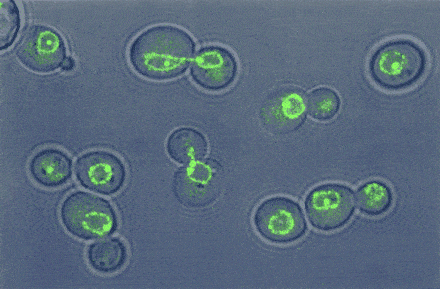


A part of the cell theory states that all cells come from what source?

Check all the boxes that tell the cell theory.
all organisms are composed of one or more cells
all cells are the basic unit of life
All cells are plant cells
All cells come from pre-existing cells
Which of the following is not a basic function of life
Reproduction
Growth
Response to stimuli
Immune response


