
 Worksheets
Characteristics of Life
Total questions: 20
Worksheet time: 15mins

An organism made of more than 1 cell is referred to as ____.


Which characteristic is shown: A chocolate lab puppy becomes a adult dog.
Respond to a Stimulus
Grow and Develop
Homeostasis
Change Over Time

Which characteristic is shown: A plant switches position and follows the sunlight throughout the day.
Grow and Develop
Respond to a Stimulus
Acquire and Use Energy
Reproduce
Which characteristic is shown: Organism A is found to have eukaryotic cells.
Made of Cells
Grow and Develop
Change Over Time
Reproduce
The combination of chemical reactions through
which an organism builds up or breaks down
materials as it carries out its life processes is called ...
absorption
metabolism
digestion
consumption
Which of the following is an example of homeostasis?
adapting to your environment
maintaining an appropriate respiration rate
the sum of all of your chemical reactions
being composed of more than one cell
_____ is a molecule that is present in all living cells and contains the information that determines the traits a living thing inherits and needs to live.
A cell
A nucleus
Homeostasis
DNA
The roots of a plant grow longer due to a lack of ground water.
In order for something to be considered an organism, it must display _____ of the eight characteristics of living things.
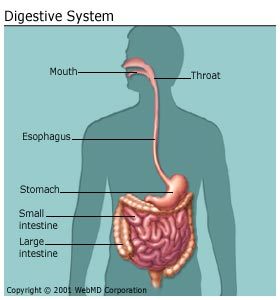
This is a example of a(n) ........
When many organ systems work together it can form a(n) ....
tissue
As a characteristic of all living things, homeostasis relates most directly to which of the following biological themes?
Interacting systems
Stability
Evolution
Scale and Structure

Streptococcus, a round cell, is the bacteria that causes strep throat.
Which characteristic of life does this refer to?
Living things need energy
Living things are composed of one or more cells
Living things respond to their environment
Living things grow and reproduce
Living things maintain a stable internal environment
Transport of a substance into or out of a cell without the use of energy.
PassiveTransport
Active Transport
Exocytosis
Endocytosis
The movement of molecules across a cell membrane from low concentration to high concentration. This process requires energy.
Passive Transport
Active Transport
Diffusion
Osmosis

