
NEW
Font size
 Worksheets
History of SW Asia Vocabulary
Total questions: 16
Worksheet time: 8mins
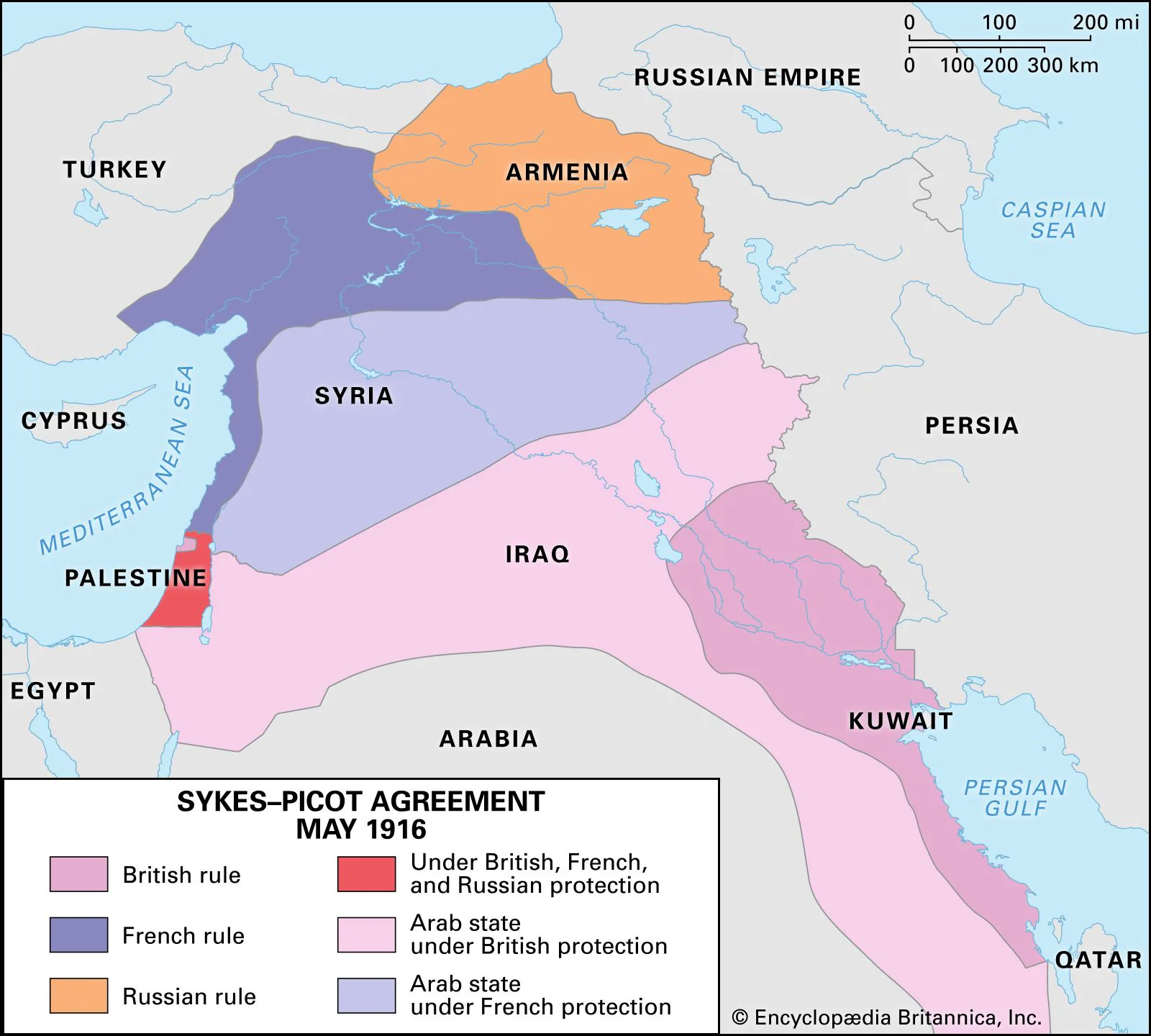
Sykes-Picot Agreement
A treaty that ended World War I
An agreement that divided the Ottoman Empire's territories in the Middle East between Britain and France
A peace agreement between Israel and Palestine
A coalition formed to fight terrorism

Ottoman Empire
Islamic-run superpower that ruled large areas of the Middle East, Eastern Europe and North Africa for more than 600 years until World War I
the genocide of European Jews by Nazi Germany during World War II
conflict that was triggered by Iraq's invasion of Kuwait on August 2, 1990
invasion of Iraq by the United States-led coalition that overthrew the government of Saddam Hussein
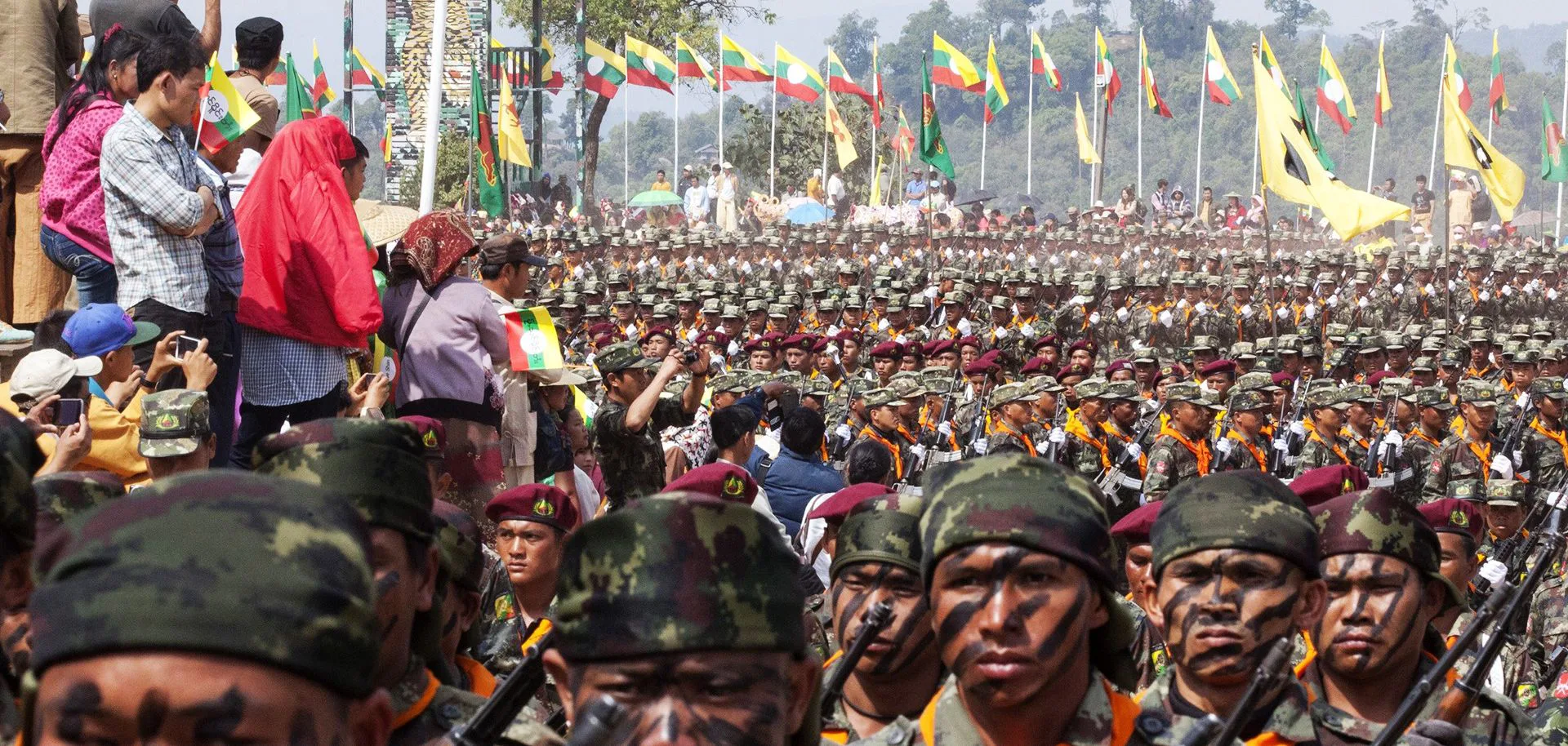
ethnic conflict
disagreement over the rightful successor to the Prophet Muhammad
loyalty and devotion to a country (nation)
an alliance of groups or countries that work together to achieve a common goal
when different ethnic groups compete for the same goal—notably power, access to resources, or land
sectarian conflict
conflict based on perceived differences between divisions or sects within a religion
loyalty and devotion to a country (nation)
an alliance of groups or countries that work together to achieve a common goal
when different ethnic groups compete for the same goal—notably power, access to resources, or land
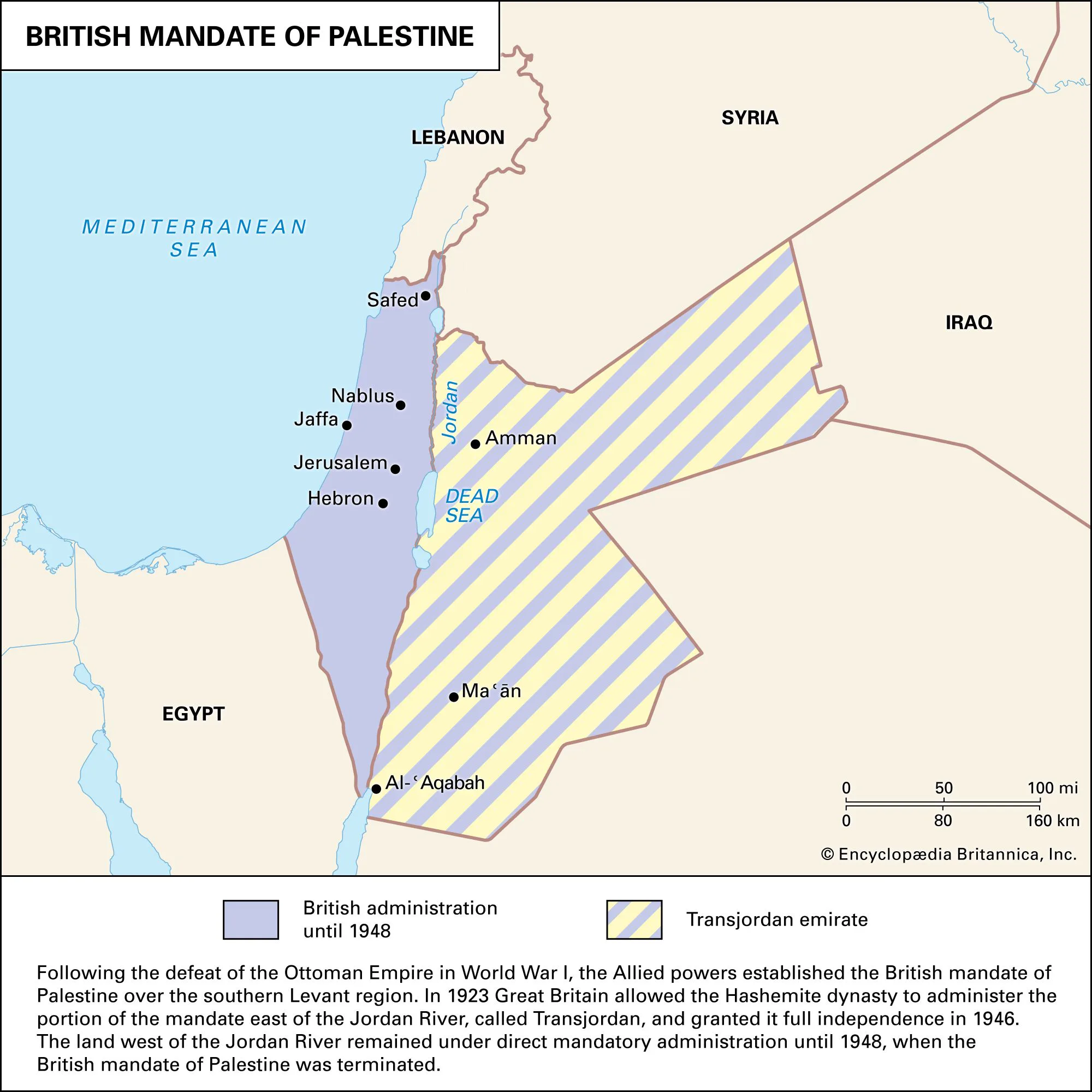
Palestine
Islamic-run superpower ruled large areas of the Middle East, Eastern Europe and North Africa for more than 600 years until World War I
loyalty and devotion to a country (nation)
an alliance of groups or countries that work together to achieve a common goal
area of the eastern Mediterranean region, comprising parts of modern Israel along with the West Bank and the Gaza Strip.

nationalism
loyalty and devotion to a country, a belief in the superiority of one country over others
movement to create a secular government
coalition of countries for economic purposes
form of government instability
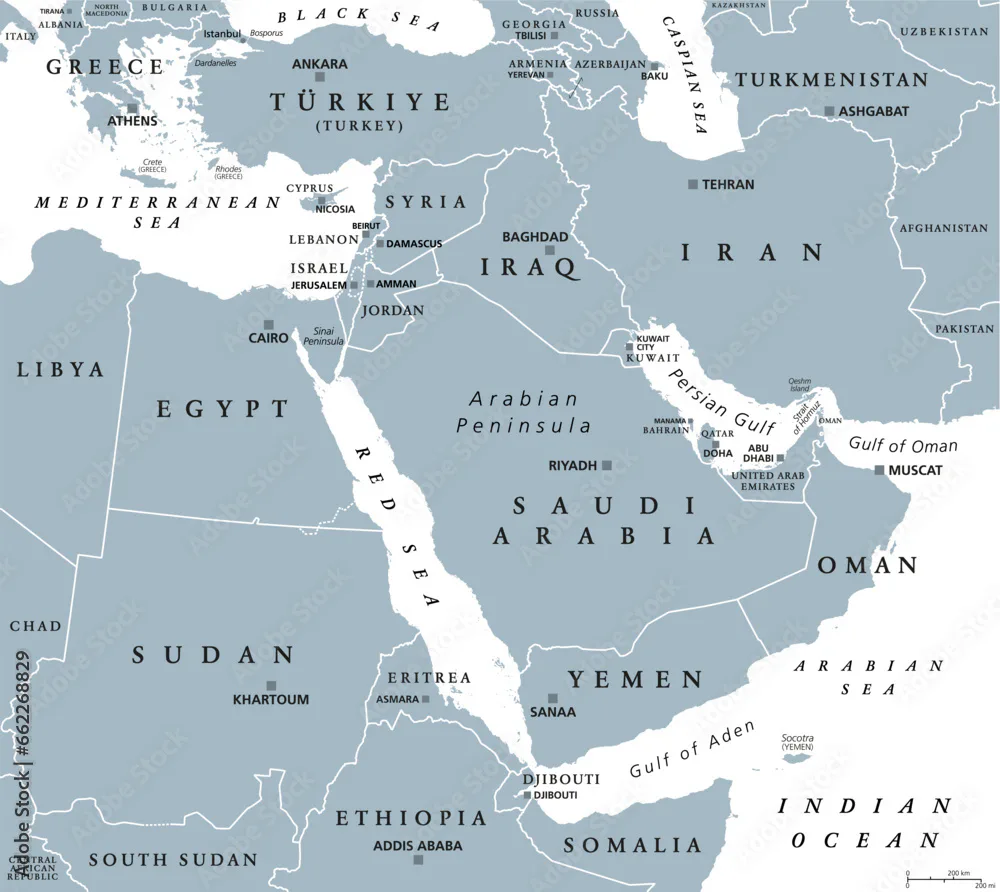
artificial political boundaries
political borders that are drawn by people that live in the areas they partition
political borders that are drawn by people who do not live in the areas they divide, often by former colonizers
to divide
ending of colonial rule in the Middle East
partition
political borders that are drawn by people that live in the areas they partition
political borders that are drawn by people who do not live in the areas they divide, often by former colonizers
to divide land
ending of colonial rule in the Middle East
secular
not influenced by religious beliefs
when two or more people or groups temporarily work together to achieve a common goal
controlled by religion and religious laws
the use of violence and intimidation in the pursuit of political aims
coalition
not influenced by religious beliefs
when two or more people or groups temporarily work together to achieve a common goal
controlled by religion and religious laws
the use of violence and intimidation in the pursuit of political aims
terrorism
not influenced by religious beliefs
when two or more people or groups temporarily work together to achieve a common goal
controlled by religion and religious laws
the use of violence and intimidation in the pursuit of political aims
mandate
the unification of Arab countries
support for the establishment of a Jewish homeland in Palestine
temporary control of a territory by a foreign power
not influenced by religious beliefs
extremism
believing in and supporting ideas that are very far from what most people consider correct or reasonable
support for the establishment of a Jewish homeland in Palestine
temporary control of a territory by a foreign power
not influenced by religious beliefs
minority
a group that is the biggest in a country
a group that is equal in number when compared to the majority population
a group that is smaller in number compared to the majority population
a group that is larger in number compared to the majority population
majority
a group that is the biggest in a country, usually over 50%
a group that is equal in number when compared to the majority population
a group that is smaller in number compared to the majority population
a group that is larger in number compared to the majority population
government instability
extreme scarcity of food
war within different inside a country
the degree of wealth and material comfort available to a person or community.
characteristic of a government's inability to maintain power, becomes unpredictable

