
 Worksheets
25 Cell Membrane, Photosynthesis, Cellular Respiration, Enzymes
Total questions: 20
Worksheet time: 20mins
Type of diffusion where water diffuses across a membrane
Diffusion
Infusion
Passive Distribution
Osmosis
process by which organisms maintain a stable internal environment
Active Site
Homeostasis
Diffusion
State of equality
carbon dioxide and water
carbon dioxide and oxygen
glucose (sugar) and oxygen
glucose (sugar) and water
What are the products of cellular respiration?
carbon dioxide and water
carbon dioxide and oxygen
glucose (sugar) and oxygen
glucose (sugar) and water
What are the reactants of cellular respiration?
carbon dioxide and water
carbon dioxide and oxygen
glucose (sugar) and oxygen
glucose (sugar) and water
The reactants of photosynthesis are
glucose (sugar) and water.
glucose (sugar) and oxygen.

What is this organelle? What are the products? (Choose 2 answers)
Chloroplast
Glucose & Oxygen
Mitochondria
Water & Carbon Dioxide

What is this organelle? What are the products? (Choose 2 answers)
Mitochondria
Oxygen; glucose
Chloroplast
Carbon dioxide; water
_______ is the source of energy is needed for photosynthesis, whereas _______ is the source of energy for cellular respiration.
Solar energy; glucose
Glucose; solar energy
ATP; glucose
Water; ATP
A molecule made of proteins that catalyze chemical reactions is called a -
cell membrane
enzyme
chloroplast
mitochondria
What happens when enzymes are heated to a high temperature?
The enzymes die.
The shape of the enzyme denatures and can no longer bind to the substrate
The enzymes' amino acid sequence changes.
The enzymes remain the same
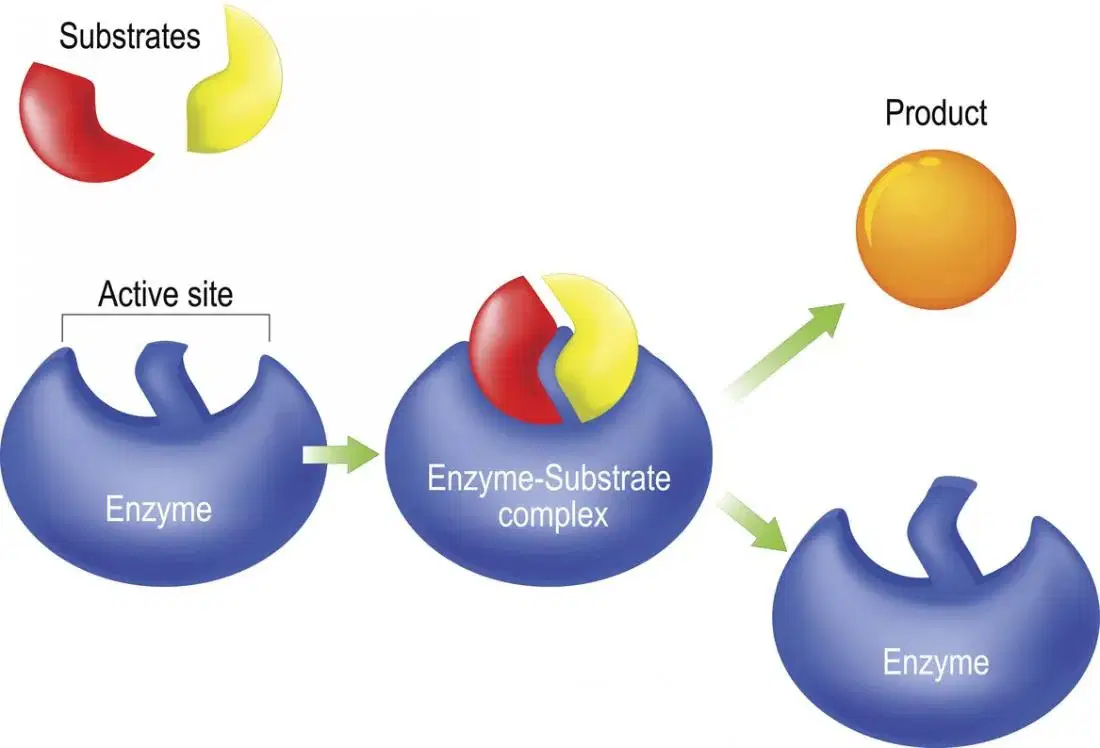
Enzymes must have a shape complimentary to their matching substrate. They fit together like a -
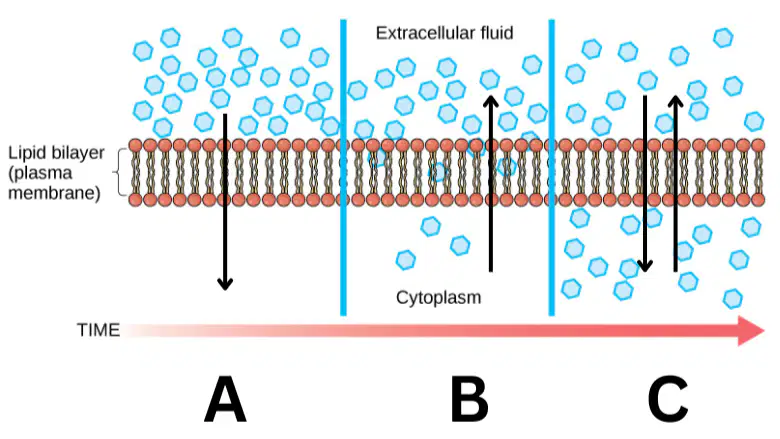
Which of the following of the following transports would require ATP?
A
B
C
______ transport requires energy (ATP), _____ transport does not.
Active; passive
Facilitated; Active
Passive; Active
Passive; Osmosis
The cell membrane allows certain things to travel in and out of the cell. The cell membrane is made up of -
lipids
carbohydrates
proteins
DNA
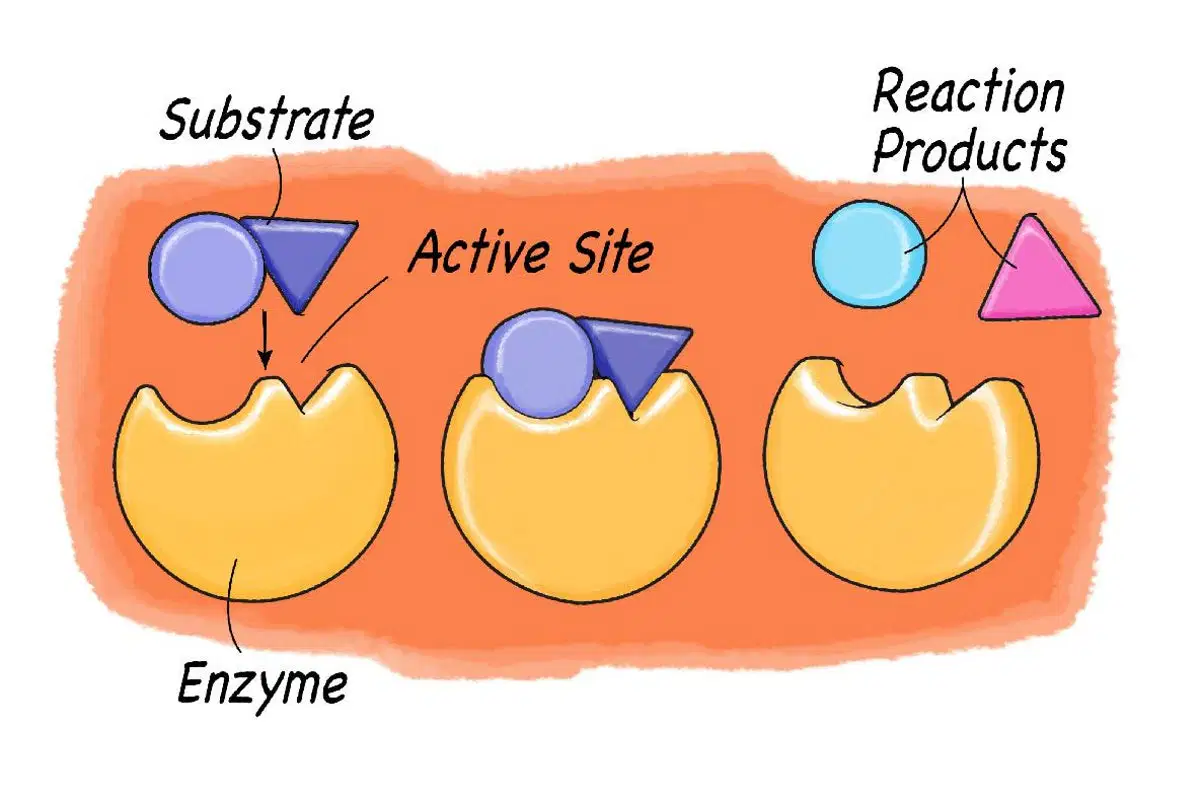
Which of the following solutions is an example of active transport?
Solution A: The concentration of solute was higher outside the cell than on the inside. Molecules moved OUT.
Solution B: The concentration of solute was higher outside the cell than on the inside. Molecules moved IN.
Solution A
Solution B

