
 Worksheets
Organic Molecules Quiz
Total questions: 12
Worksheet time: 6mins

Why is carbon considered a good basis for biological molecules?
It is highly reactive with all elements.
It can form four covalent bonds.
It dissolves easily in water.
It only bonds with hydrogen.
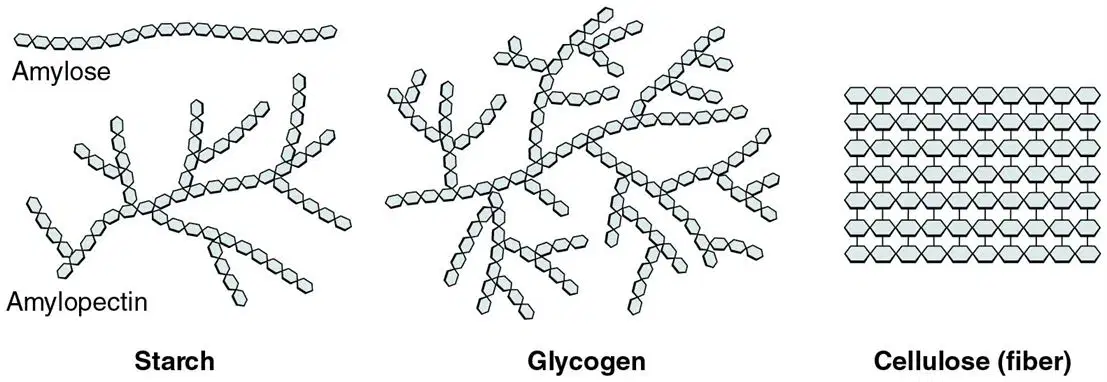
Describe the primary function of carbohydrates in living organisms.
Energy storage and structural materials
Catalyzing reactions
Storing genetic information
Transporting oxygen

What is the difference between saturated and unsaturated fats?
Saturated fats are liquid at room temperature, unsaturated fats are solid.
Saturated fats have no double bonds; unsaturated fats have one or more double bonds.
Saturated fats are healthier than unsaturated fats.
Saturated fats have double bonds; unsaturated fats have no double bonds.
How are polymers broken down into monomers?
By condensation reactions
By oxidation
By hydrolysis reactions
By reduction
What are the four levels of protein structure?
Primary, Secondary, Tertiary, Quaternary
Simple, Complex, Neutral, Charged
Helix, Sheet, Coil, Aggregate
Monomeric, Dimeric, Trimeric, Tetrameric
Which polysaccharide is used by plants for structural support?
Starch
Glycogen
Cellulose
Chitin
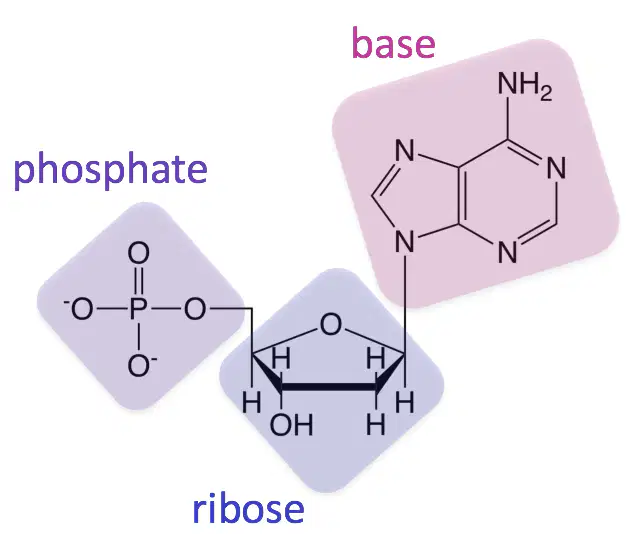
What is the role of nucleic acids in cells?
Storing and transmitting genetic information
Catalyzing reactions
Providing structural support
Transporting oxygen
How does the structure of a phospholipid contribute to its function in cell membranes?
It forms rigid structures for protection.
It forms bilayers due to hydrophilic heads and hydrophobic tails.
It provides energy storage.
It serves as a carrier for oxygen.
Explain how the properties of R groups in amino acids influence protein structure and function.
R groups make proteins rigid and inflexible during the primary structure
R groups determine how the protein folds and interacts with other molecules
R groups only affect the protein's ability to bind with water.
R groups have no impact on protein function.
Describe how the arrangement of monomers in a polysaccharide affects its function, using starch and cellulose as examples.
Both are always digestible and provide energy.
Starch is for structural support, and cellulose is for energy storage.
Starch's branched structure is suitable for energy storage, while cellulose's linear structure provides support.
Both have identical functions despite structural differences.
What is the structure of the monomer that makes up DNA?
Amino acids; central carbon, hydrogen, R-group, carboxyl group, amino group
Nucleotides; nitrogen-containing base, ribose, phosphate group
Phospholipids; Phosphate head, fatty acid tails
Nucleotides; nitrogen-containing base, deoxyribose, phosphate group
How does denaturation affect a protein’s function, and can it be reversed?
Denaturation does not affect the function of a protein.
Denaturation changes the protein's shape, which usually disrupts function but can sometimes be reversed if conditions allow.
Denaturation makes proteins more functional and cannot be reversed.
Denaturation only affects the protein's color and cannot be reversed.

