
 Worksheets
Carbohydrate Review Quiz
Total questions: 14
Worksheet time: 7mins
What is the primary difference between essential and nonessential nutrients?
Essential nutrients are not needed for survival
Nonessential nutrients cannot be synthesized by the body
Essential nutrients must be obtained from the diet
Nonessential nutrients are more important than essential nutrients
Which of the following is NOT a source of simple carbohydrates?
Candy
Fruit
Bread
Carbonated drinks
What initially happens to blood sugar levels after you eat carbohydrates?
They decrease
They increase
They remain constant
They fluctuate randomly
How many units of energy (calories or Kcal) are stored (available) when our bodies digest (break down) one gram of carbohydrate?
3
4
6
7
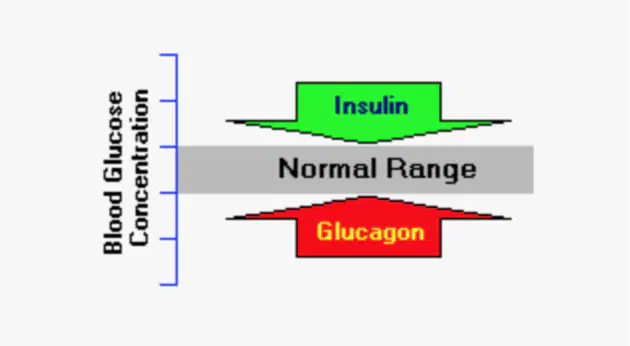
What is the role of insulin in blood glucose regulation?
It tells the cells to increase their update of carbohydrates (sugars)
It increases blood glucose levels.
It has no effect on blood glucose levels.
It tells the cells to convert glycogen to glucose.
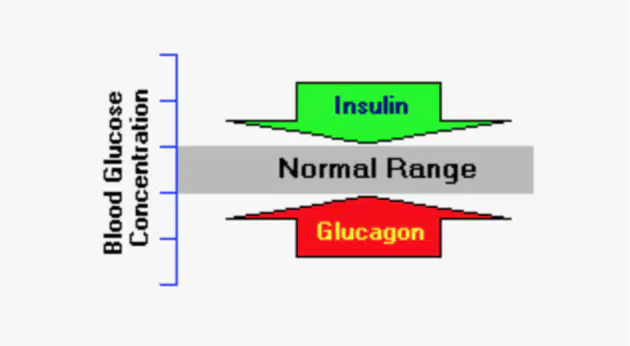
Which hormone is released when blood glucose levels fall below normal?
Insulin
Glucagon
Adrenaline
Cortisol
What is the primary function of dietary fiber in the human diet?
Provide energy
Build muscle
Regulate digestion
Strengthen bones
What is the term used to describe a carbohydrate that is more than two (2) sugars attached together?
Polysaccharides
Monosaccharide
Disaccharide
Multisaccharide
Which of the following is a complex carbohydrate?
Glucose
Fructose
Starch
Sucrose
What 2 ways can we store carbohydrate in our bodies?
Glycogen and body fat
Glycogen, starch, and cellulose
Glycogen, fat, and muscle
Glycogen, glucose, and sucrose
What is the primary function of glycogen in the body?
To store energy
To build muscle
To transport oxygen
To regulate hormones
Which organ is primarily responsible for storing glycogen in the human body?
Stomach
Pancreas
Kidney
Liver
Which organ produces insulin to help regulate blood sugar levels?
Stomach
Pancreas
Kidney
Liver
What is the main benefit of consuming complex carbohydrates over simple carbohydrates?
They provide a rapid spike in blood sugar.
They are sweeter in taste.
They are digested more slowly, offering sustained energy.
They contain more fat.

