
 Worksheets
Topic 1 - Origins of Civilizations
Total questions: 15
Worksheet time: 8mins
How do archaeologists and geologists help us learn from the past?
Archeologists study art.
Geologists study the land.
Archeologists study artifacts and fossils that are left behind.
Geologists study the soil and rocks to determine the age of fossils and artifacts.
Archeologists study animals.
Geologists study the rocks.
Archeologists study dirt.
Geologists study the land.
How did hunter-gatherers of the Paleolithic Era survive?
They stayed in one place hunting large animals and gathering plants for food.
They traveled from place to place hunting large animals and gathering plants for dessert.
They traveled from place to place hunting small animals and gathering plants for food.
They stayed in one place and built long lasting homes.
How did people adapt to changing climate conditions during the last Ice Age?
They used fire and shelter to stay warm.
They used material like dear bones and hides to make shelters and clothing.
They used material like bear bones and hides to make warmer shelters and clothing.
They used material like mammoth bones and hides to make warmer shelters and clothing.
What was the Neolithic Agricultural Revolution?
It was the time in history when people first learned to farm and domesticate plants and animals.
It was the time in history when people fought about farming.
It was the time in history when people fthrew food at each other.
It was the time in history when people first learned to farm and domesticate dogs and cats.
How did farming lead to food surpluses?
Improved skills and crops destroyed everything.
Improved communication increased the amount of food farmers could produce. Sometimes they made too much.
Improved skills and crops increased the amount of food farmers could produce. Sometimes they raised more than they needed to use.
Improved skills and crops decreased the amount of food farmers could produce. Sometimes they did not raise enough food.
In early civilizations, how was government connected to religion?
Many early rulers claimed their power to rule came from the land.
Many early rulers claimed their power to rule came from the gods.
Many early rulers claimed their power to rule came from the animals.
Many early rulers claimed their power to rule came from the votes from the people.
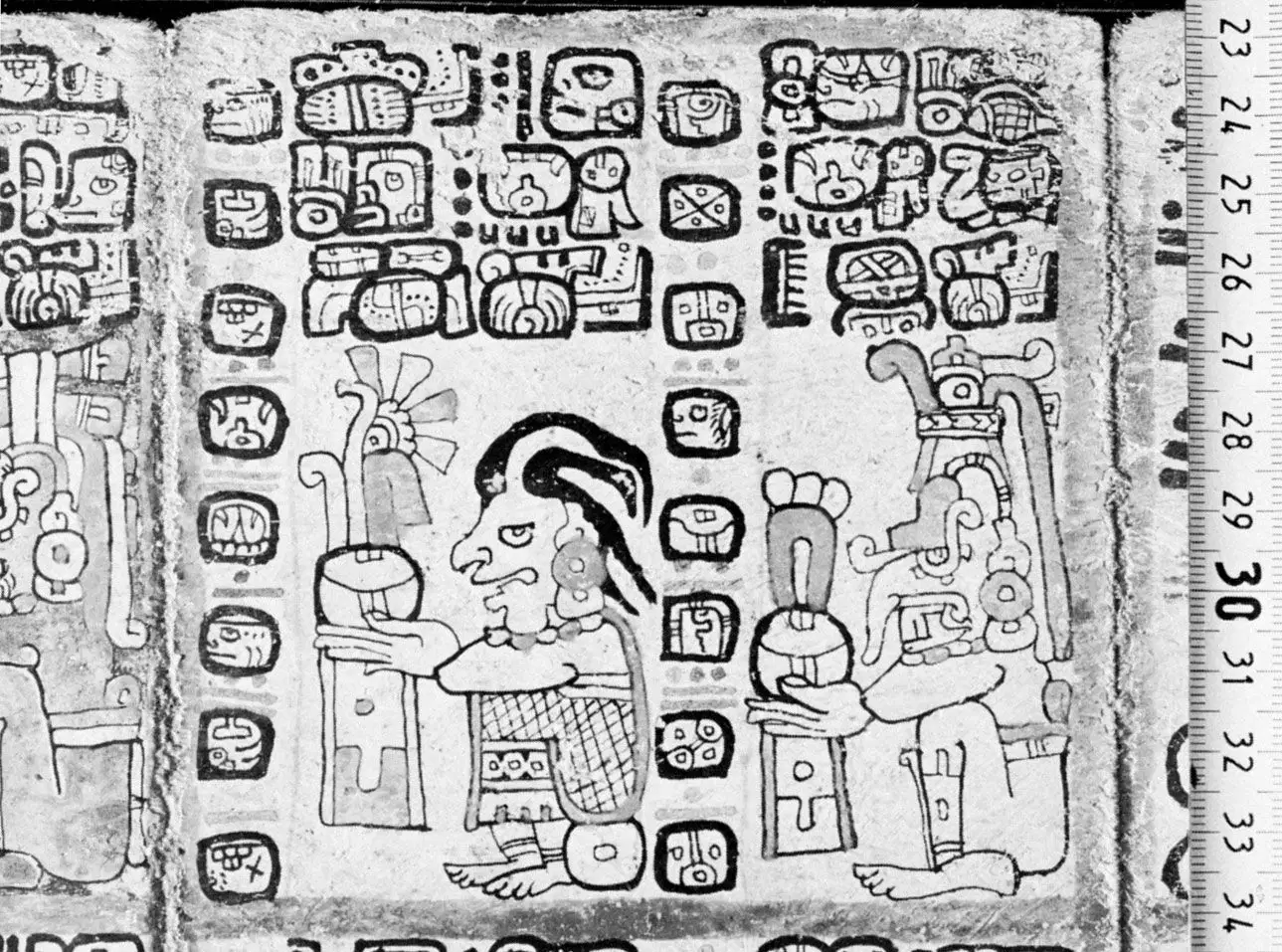
What is a hieroglyphic?
It is a symbol that stands for a song.
It is a symbol that stands for a word, idea, or sound.
It is a symbol that stands for a an animal.
It is a symbol that stands for a government document.
How were Stone Age people different and similar to us?
Stone Age people had a lot of fun. Like us, they wanted to survive, wondered about food and entertainment.
Stone Age people had a more complex culture and lived in larger communities. Like us, they wanted to survive, wondered about life and death, and created boats.
Stone Age people had a more complex culture and lived in smaller communities. Like us, they wanted to be free, wondered about life and death, and created cars.
Stone Age people had a less complex culture and lived in smaller communities. Like us, they wanted to survive, wondered about life and death, and created art.
What do you think happens to species that fail to adapt?
They go extinct.
They figure it out eventually.
They have fun while they can.
They live their best lives.
How did farming lead to the development of social classes?
Staying in one place allowed people to have more pets. Owning more pets than other people might become one sign of a higher social class.
Staying in one place allowed people to be more competitive with others.
Staying in one place allowed people to have more food and fun.
Staying in one place allowed people to have more possessions than they could carry. owning more possessions than other people might become one sign of a higher social class.
Could there have been civilization without the development of agriculture?
Civilization depended on the decline of cities. Agriculture did not allow people to create permanent settlements.
Civilization depended on the growth of cities that could support smaller populations. This would not be possible if agriculture did not allow people to create permanent settlements.
Civilization depended on the growth of cities that could support larger populations. This would not be possible if agriculture had not allowed people to create permanent settlements.
Civilization depended on the growth of cities that could support pets. This would not be possible if agriculture had not allowed people to create permanent settlements.
Does geography really shape lives?
Yes, because where people lived influenced the technologies and skills they developed. Changes in climate and other factors forced humans to adapt. Geographical factors affected where humans settled and where agriculture developed.
Yes, because where people lived influenced the animals they kept as pets. Changes in climate and other factors forced humans to adapt. Geographical factors slightly affected where humans settled and where agriculture developed.
No, because where people lived influenced the technologies and skills they developed. Changes in climate and other factors did not force humans to adapt. Geographical factors never affected where humans settled and where agriculture developed.
No, because where people lived wherever they wanted and the skills they developed were their choice. Climate changes did not matter. Geographical factors barely affected where humans settled and where agriculture developed.
How did a surplus (more than they needed to feed themselves) affect the size of the population?
It helped the population stay the same.
The population decreased.
It didn't affect the size of the population.
Surplus food supported a growing population. The size of farming villages increased.
How did farming change the kinds of communities people lived in?
They could grow food, but that did not influence people to build permanent homes and stay.
They could grow food, so people settled and built more permanent homes.
They could own pets so people built permanent homes.
Farming did not change the kinds of communities people lived in.
Why did people in early cities begin to trade with other cities?
They didn't trade with each other. It never worked out.
They thought is was a clever idea.
Trading allowed people to get goods they might not be able to produce. They also acquired wealth by selling surplus food.
They were trying to make money and be powerful.

