
NEW
Font size
 Worksheets
Quiz on Plastics
Total questions: 67
Worksheet time: 34mins
When did the commercial production of plastics really start?
Before the 1st World War
After the 2nd World War
During the 1st World War
In the 21st century
What process is used to separate chemicals in crude oil for plastic production?
Chemical synthesis
Fractional Distillation
Electrolysis
Filtration
What are small molecules in some fractions called?
Polymers
Monomers
Isomers
Atoms
What do monomers chemically join to form?
Atoms
Elements
Polymers
Compounds
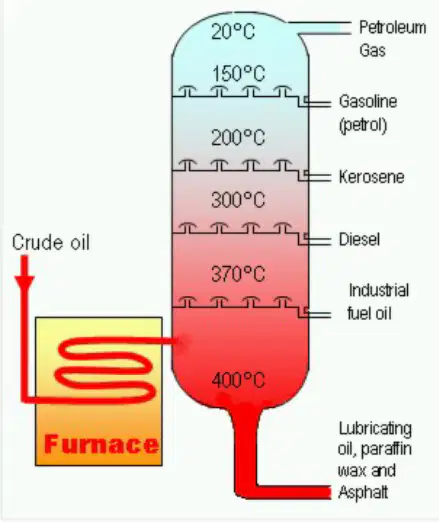
Diagram showing the process of fractional distillation with temperature gradients and different fractions like petroleum gas, gasoline, kerosene, diesel, etc.
Petroleum gas is collected at the top of the column.
Diesel is collected at the bottom of the column.
Gasoline is collected at the bottom of the column.
Kerosene is collected at the top of the column.
What is the purpose of adding plasticisers to plastics?
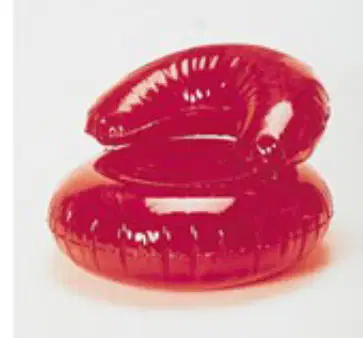
To make plastic bendy
To change color
To reduce static charge
To reduce burning

Which chemical is added to plastics to change their color?
Plasticisers
Pigments
Antistatics
Antioxidants
What is the role of antistatics in plastics?
To make plastic bendy
To change color
To reduce static charge
To reduce attack by air
Why are antioxidants added to plastics?
To make plastic bendy
To change color
To reduce static charge
To reduce attack by air
What is the function of flame retardants in plastics?
To make plastic bendy
To change color
To reduce burning
To reduce static charge
Why are plastic products often cheaper than similar products made from wood or metal?
They require more energy to produce.
The raw materials are more expensive.
They are self-finishing, reducing the need for painting.
They have higher transport costs.
What is one advantage of plastic products in terms of production?
They are difficult to mass produce.
They require more energy to produce.
They are easily mass produced.
They have poor resistance to corrosion.
How do plastic products compare to metal products in terms of raw material costs?
Plastic raw materials are more expensive.
Metal raw materials are cheaper.
Plastic raw materials are cheaper.
Both have the same cost.
What is a benefit of plastic products regarding atmospheric conditions?
Poor resistance to atmospheric corrosion.
Good resistance to atmospheric corrosion.
No resistance to atmospheric corrosion.
Only resistant to heat.
What is a characteristic of plastics that affects their transport costs?
Transport costs are higher.
Transport costs are less.
Transport costs are the same as metal.
Transport costs are unpredictable.
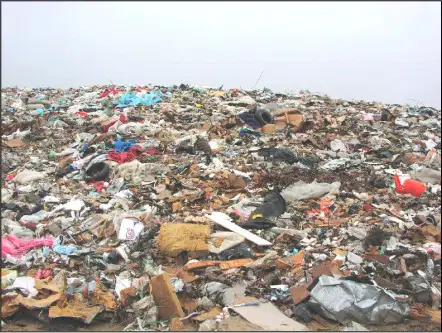
What is one of the main reasons plastic products are difficult to dispose of?
They are biodegradable
They have a long shelf life
They are lightweight
They are expensive to produce
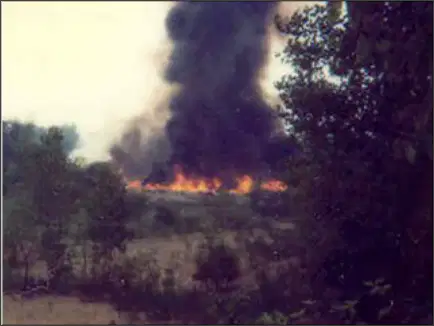
What harmful effect occurs when plastics are burnt?
They produce clean energy
They release oxygen
They produce black choking gases
They become biodegradable
What is a characteristic of thermoplastics when they are molten?
They become brittle
They are sticky and can cause severe burns
They evaporate
They become non-recyclable
Why is PVC considered difficult to recycle?
It is biodegradable
It contains many nasty pollutants
It is lightweight
It is expensive to produce
What are thermoplastics made from?
Short chain polymers with strong chemical bonds
Long chain polymers with weak chemical bonds
Short chain polymers with weak chemical bonds
Long chain polymers with strong chemical bonds
What happens to thermoplastics when they are heated?
They become solid and rigid
They melt completely
They become 'semi fluid' and can be shaped
They undergo a chemical reaction
Why can the process of shaping thermoplastics be repeated many times?
Because they are biodegradable
Because no chemical reaction takes place
Because they are made of metal
Because they are heat resistant
What is a potential downside of excessive heat on thermoplastics?
It makes them more flexible
It enhances their color
It permanently damages the chemical structure
It makes them waterproof
What are thermosetting plastics?
Plastics that can be softened by reheating
Plastics that are converted into their final form by heat and cannot be softened again
Plastics that are easily recyclable
Plastics that are used only for temporary applications
Why are thermosets not recyclable?
They are too expensive to recycle
They have weak chemical bonds
They undergo a chemical change and have strong chemical bonds
They are too soft to be recycled
Which of the following is a manufacturing method for thermosets?
Extrusion
Injection moulding
Casting
3D printing
What type of material are elastomers?
Metal
Thermoset
Ceramic
Glass
What quality do the bonds between the chains in elastomers give them?
Brittle
Rigid
Springy
Hard
Which of the following is an example of an elastomer?
Steel
Natural rubber
Glass
Wood
What is latex used to make?
Tires
Surgical gloves
Bottles
Shoes
What is Lycra used for?
Making furniture
Making stretchy clothing
Making glassware
Making paper
What are composites?
Materials combined to achieve specific advantages
Single materials used in construction
Natural materials found in the environment
Metals used in electronics
Which of the following is an example of a composite material?
Kevlar
Steel
Wood
Copper
What is GRP an abbreviation for?
Glass reinforced plastic
Graphite reinforced polymer
Gold reinforced plastic
Glass recycled paper
For which of the following uses are composites extensively used?
Sporting uses like bike parts and tennis rackets
Cooking utensils
Office furniture
Musical instruments
What is High Density Polyethene (HDPE) commonly used for?
Thin film for carrier bags
Blow moulded bottles and piping
Insulation for wiring
Squeezy bottles
What is Low Density Polyethene (LDPE) commonly used for?
Injection moulded toys
Piping
Thin film for carrier bags
Buckets
What is Acrylonitrile Butadiene Styrene (ABS) commonly used for?
Making glass bottles
Manufacturing paper products
Creating Lego bricks and household appliances
Producing metal tools
Which of the following properties does ABS possess?
Brittle and fragile
Strong, tough, and scratch resistant
Soft and flexible
Highly flammable
ABS is resistant to which of the following?
Water and humidity
Heat and chemicals
Electricity and magnetism
Light and sound
What is another name for Polyvinyl chloride?
Polyethylene
Polypropylene
Polychloroethene
Polystyrene
Which of the following is NOT a product made from PVC?
Window frames
Disposable pens
Razor handles
Glass bottles
What are some properties of PVC?
Weak and flexible
Strong, stiff, and chemical resistant
Brittle and heat resistant
Soft and biodegradable
What is Polystyrene (PS) commonly used for?
Making car parts
Vending cups and model kits
Building bridges
Insulating electrical wires
What is a characteristic of High Impact Polystyrene (HIPS)?
It is used for making ropes
It is used for vacuum forming in thin sheets
It is used for making glass
It is used for making textiles
What is Expanded Polystyrene (EPS) primarily used for?
Making furniture
Thermal insulation for packaging and food cartons
Constructing buildings
Manufacturing electronics
What percentage of Expanded Polystyrene (EPS) is air?
50%
70%
90%
100%
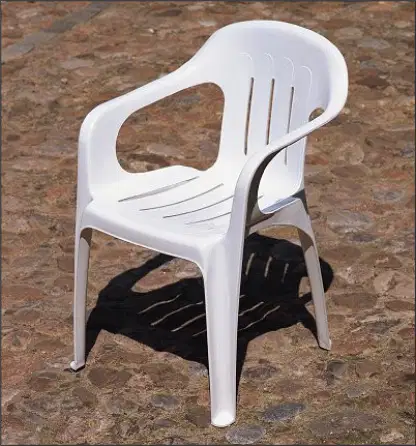
What is a key property of Polypropylene (PP)?
It is brittle and breaks easily.
It is versatile and flexible without breaking.
It cannot withstand variable temperatures.
It is only used for making textiles.
Which of the following is NOT a common use for Polypropylene (PP)?
Yoghurt and butter tubs
Crisp packets
Garden furniture
Glass windows
What are the characteristics of Polyamides (Nylon)?
Soft, flexible, and easy to join
Hard, tough, and resist wear
Brittle, lightweight, and transparent
Heavy, dense, and conductive
What is a common use for Polyamides (Nylon)?
Electrical wiring
Food packaging
Fabrics and combs
Glassware
What are polyesters commonly used for?
CD packaging
Textiles and video tapes
Car lights
Bus shelters
What is a characteristic of Polyethylene Terephthalate (PET)?
Opaque and brittle
Clear and tough
Soft and flexible
Heavy and dense
What are polycarbonates used to make?
Textiles
Video tapes
CD packaging and car lights
Fizzy drink bottles
Which property is NOT associated with polycarbonates?
High strength
Transparency
Poor heat resistance
Chemical resistance
What are some properties of polyurethane?
It is only rigid.
It is only flexible.
It can be rubbery, rigid, or flexible.
It is only rubbery.
Which of the following is NOT a common use for polyurethane?
Car bumpers
Shoes
Trainers
Food containers
What is Polymethylmethacrylate (PMMA) commonly known as?
Polycarbonate
Acrylic
Polyethylene
Nylon
Which of the following is a characteristic of Acrylic?
It is a poor insulator
It scratches easily
It is not suitable for vacuum forming
It is a metal substitute
For which applications is Acrylic suitable?
Injection molding
Die casting
Vacuum forming
Sand casting
What is Urea Formaldehyde commonly used for?
Electrical plugs, sockets, switches, and toilet seats
Food containers and packaging
Clothing and textiles
Building bricks and tiles
What are the properties of Urea Formaldehyde?
Soft and flexible
Hard and brittle
Transparent and elastic
Heavy and dense
Why is Urea Formaldehyde considered a good material for electrical components?
It is a good conductor
It is a good insulator
It is lightweight
It is transparent
What is Melamine Formaldehyde commonly used for?
Insulation in electrical wiring
Laminate in kitchen work surfaces
Material for car tires
Fabric for clothing
What property makes Melamine Formaldehyde suitable for use in kitchen work surfaces?
It is flexible
It is biodegradable
It is scratch, water, and stain resistant
It is transparent
When Melamine Formaldehyde is plasticised, what is it called?
Polyethylene
Melamine
Nylon
Polyester
For what purpose is plasticised Melamine commonly used?
Children's cups and dishes
Car engines
Building foundations
Window panes