
 Worksheets
Communication Quiz
Total questions: 30
Worksheet time: 30mins
It is also called the language of touch.
Proxemics
Haptics
Gestures
Paralanguage
It the most often used of non verbal communication.
Gestures
Paralanguage
Posture
Proxemics
We use our face to convey a message.
Gestures
Posture
Facial expressions
Chronemics
Verbal in Effective Communication is:
the volume
the tone
the pronunciation
the words
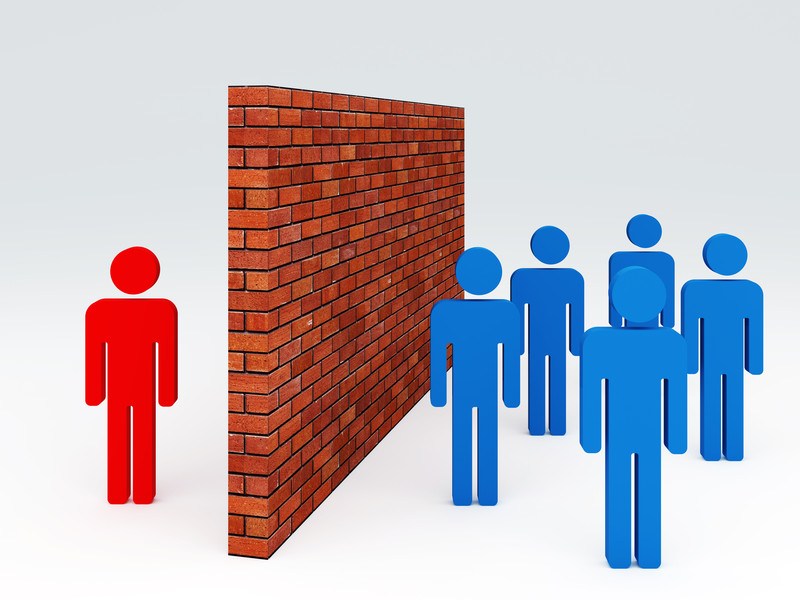
Which of the following is a barrier to communication?
Message is not clear
Not listening
Lack of language skills
All of the above

She is using a hand ____ to say "okay."
facial expression
gesture
posture
Verbal
What is non-verbal communication
communicating with someone by using gestures
Getting messages across with facial expressions
Using your body language to convey something to someone else
All of the above
Which of these is NOT an example of a non verbal communication skill
gestures
Eye contact
Body Language
Volume of speech
This is known as the decoder or listener in communication.
Receiver
Feedback
Noise
Sender
_______ is a process through which you send messages to and receive feedback from others.
sender
communication
nonverbal communication
communication model
Distance in communication belong to
Physical barrier
Semantic barrier
Psychological barrier
Organisational barrier
The communication which is spoken, read, heard, and written is
verbal communication
non verbal communication
gestural communication
formal communication
Here are the elements in communication, except...
Sender, message, medium, receiver
Sender, receiver, medium, message
Sender, Feedback, medium, receiver
Sender, message, money, receiver
The factors that interfere with the communication process are called ...
Barriers
Messages
Encoding
Decoding
Which of the following is NOT a component of effective communication?
Listening
Feedback
Distraction
Clarity
Which of the following is a form of non-verbal communication that involves the use of space?
Proxemics
Gestures
Facial expressions
Paralanguage
What type of non-verbal communication involves the use of body movements to convey messages?
Posture
Gestures
Eye contact
All of the above
Which of the following is a type of non-verbal communication that involves the use of time?
Chronemics
Proxemics
Gestures
Facial expressions
Which of the following is considered a barrier to effective communication?
Active listening
Clear messaging
Prejudice
Feedback
Which of the following is a type of non-verbal communication that involves the use of touch?
Haptics
Proxemics
Gestures
Chronemics
What is the primary purpose of feedback in communication?
To clarify the message
To confuse the sender
To ignore the message
To delay the response
Which of the following best describes paralanguage?
The tone and pitch of voice
The actual words spoken
The use of silence
The physical space between communicators
Which of the following is a key element of effective listening?
Interrupting the speaker
Providing feedback
Thinking about your response while the other person is speaking
Focusing on your own thoughts
Which of the following is NOT a barrier to effective communication?
Language differences
Active listening
Emotional barriers
Cultural differences
Which of the following is an example of verbal communication?
Writing an email
Using sign language
Facial expressions
Body posture
What is the primary purpose of feedback in communication?
To clarify the message
To distract the sender
To confuse the receiver
To ignore the message
Which of the following best describes 'noise' in the communication process?
Any interference that distorts the message
A type of feedback
The sender's emotions
The receiver's understanding

