
 Worksheets
Unit 2 Review ~ Chapter 3(II)
Total questions: 59
Worksheet time: 38mins
What is the complementary DNA strand for C T A A T G?
G A T T A C
G A T T A G
C T A A T G
T A C C G T
DNA replication occurs during the (a) of the cell cycle, ensuring each daughter cell receives an identical set of chromosomes.
Which type of muscle tissue is consciously controlled?
Cardiac muscle
Skeletal muscle
Smooth muscle
Connective tissue
What does the root 'adip-' refer to?
Bone
Fat
Muscle
Skin
The root 'an-' is associated with which of the following meanings?
Without
With
Above
Below
Which meaning is related to the root 'cata-'?
Down
Up
Across
Around
What does the root 'chondr-' signify?
A) Cartilage
B) Bone
C) Blood
D) Tissue
The root 'epi-' is used to denote which of the following?
Above
Below
Inside
Outside
The root '-glia' means (a) .
The root 'macro-' refers to which of the following?
Large
Small
Medium
Tiny
Which meaning is associated with the root 'mut-'?
Change
Same
Different
Constant
What does the root 'os-' mean?
Bone
Muscle
Skin
Fat
The root 'pseudo-' is related to which meaning?
False
True
Real
Genuine
What does the root 'squam-' refer to?
Scale
Smooth
Rough
Flat
The root 'strat-' is associated with which of the following meanings?
Layer
Single
Double
Triple
What is the meaning of the root '-zym'?
Ferment
Grow
Decay
Develop
Match the following base pairs during DNA Replication:
Thymine
Adenine
Guanine
Cytosine
Adenine
Thymine
Cytosine
Guanine
A nucleotide with a guanine base will only bond with (a)
cytosine
adenine
thymine
uracil

The monomer of DNA is known as:
Nucleolus
Nucleic acids
Nucleus
Nucleotide
The root 'hemo-' refers to (a) .
Match the following roots with their associated meanings.
Nerve
neuro-
Brain
encephalo-
Muscle
myo-
Bone
osteo-
Which meaning is related to the root 'derm-'?
Skin
Bone
Muscle
Blood
Match each tissue photomicrograph to its name
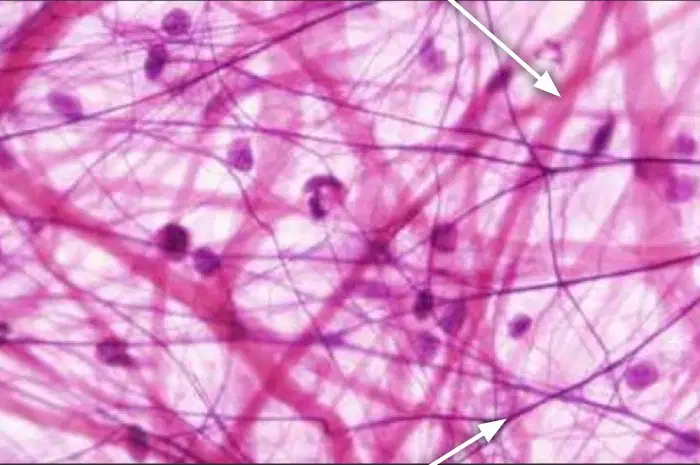
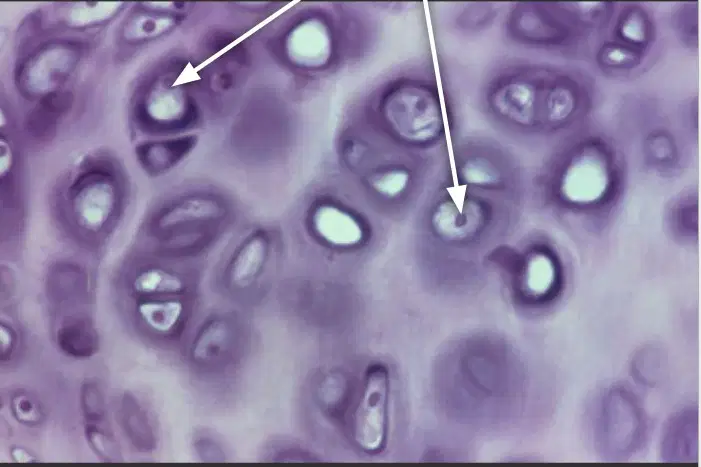
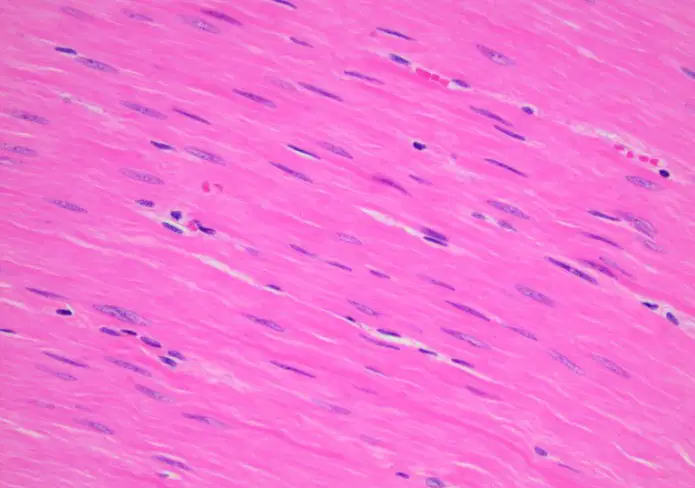
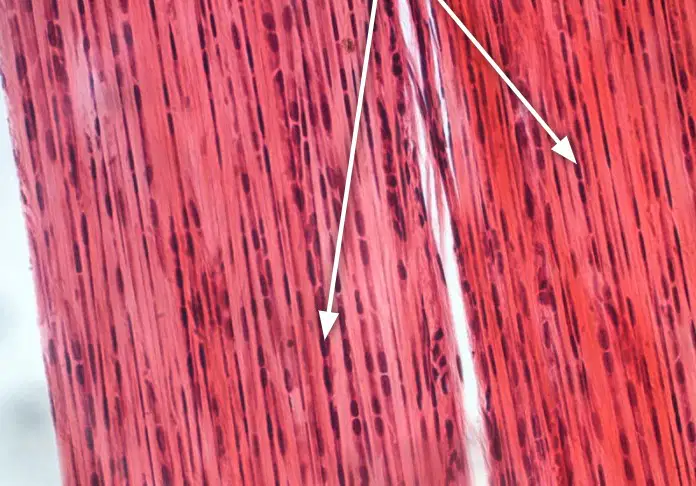
Match each tissue photomicrograph to its name
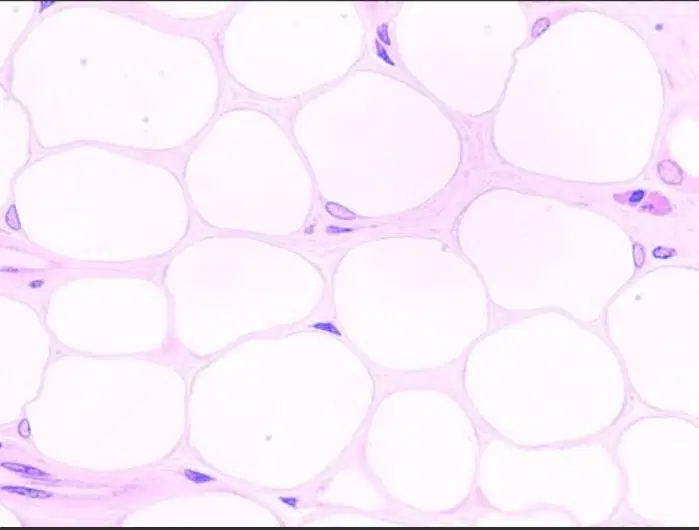
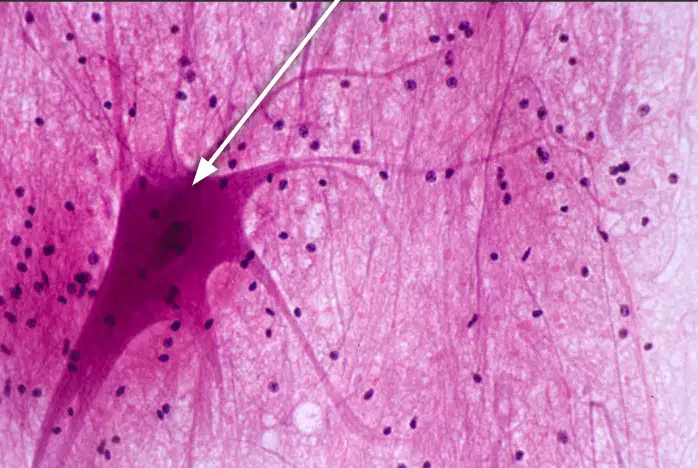
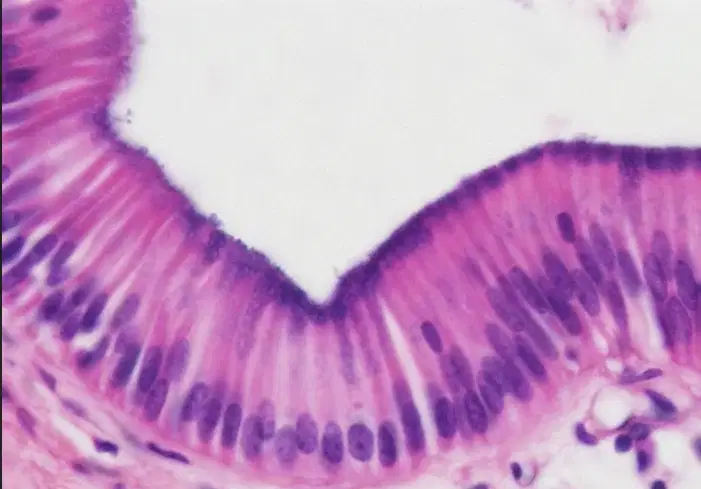
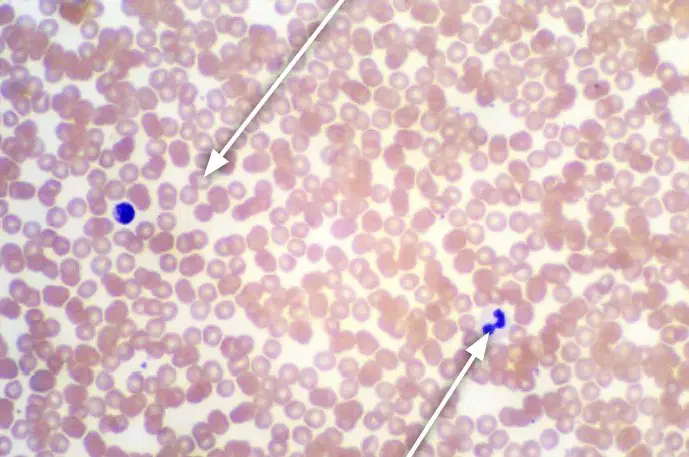
Match each tissue photomicrograph to its name
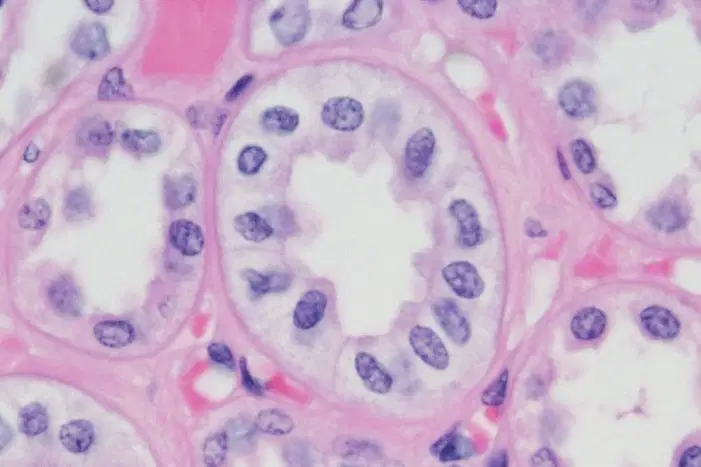
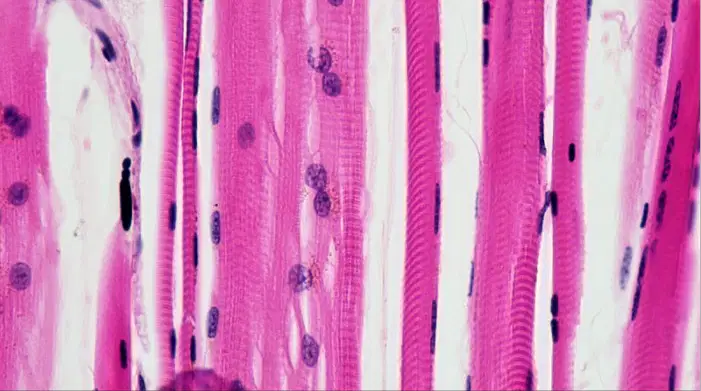
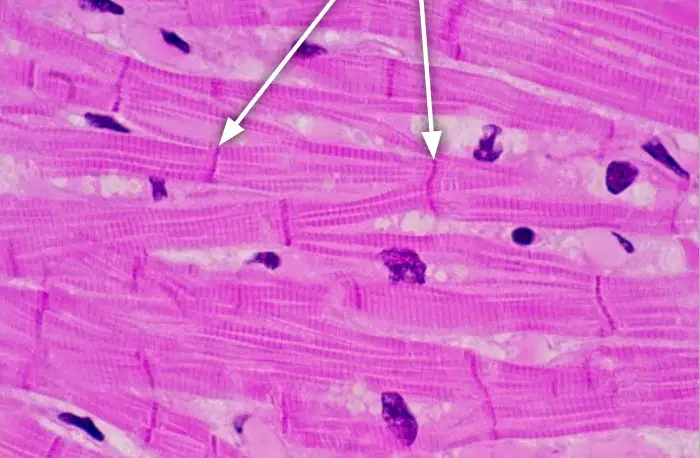
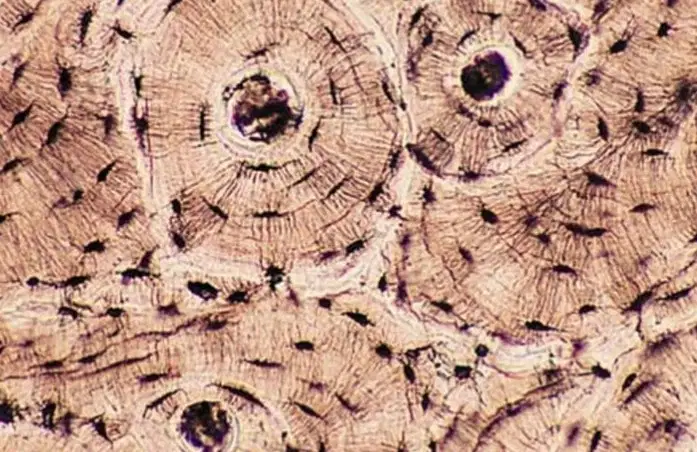
Complete the DNA molecule based on the rules for complementary base pairing
A
T
G
C
Match each molecule with its primary function in protein synthesis.
To carry amino acids to the ribosome
Function of tRNA
To serve as a template for protein synthesis
Function of mRNA
To form the structure of ribosomes
Function of rRNA
To catalyze peptide bond formation
Function of ribosomal enzymes
During transcription, which nucleotide is added to the growing RNA strand when the DNA template has an adenine?
Thymine
Uracil
Cytosine
Guanine

F
G
H
J

Transfer RNA (tRNA) reads the mRNA in groups of three bases called...
codons
anti-codons
bases
sequence

How many bases code for one amino acid?
two
three
four
all of them
If the DNA sequence was ATT CGT CTA, what would the mRNA sequence made be?
UAA GCA GAU
UAU CGA GAU
AUU CGU CUA
ATT CGT CTA

Translation takes place at (a) .
The base that RNA has but DNA does not is (a) .

What is made from a strand of DNA during transcription?
mRNA
tRNA
rRNA
DNA
Which correctly outlines the central dogma?
DNA -- tRNA -- protein
DNA -- mRNA -- tRNA
DNA -- amino acid -- protein
DNA -- mRNA -- protein
What is the difference between DNA & RNA
DNA contains thymine and RNA contains uracil
DNA is involved in transcription and RNA is involved in translation
DNA and RNA are made of nucleotides
all of the above

Which of the following is not a step in DNA replication?
The DNA is cut into pieces using polymerase enzymes
DNA polymerase adds complementary bases to each template resulting in two double strands of DNA
The enzyme helicase unwinds and unzips the double helix to prepare it to serve as a template
Each strand of the parent DNA serves as a template for the new molecule
Select the answer(s) below that follows base-pairing rules?
A always pairs with G
C always pairs with A
T always pairs with A
G always pairs with C
U always pairs with T

This process involves the formation of an mRNA molecule from the DNA template, and occurs in the nucleus of a cell.
replication
translation
transcription
protein synthesis

_______ leaves the nucleus and enters the cytoplasm for translation to occur at a ribosome.
rRNA
DNA
mRNA
tRNA

A link between mRNA and tRNA occurs between a codon and _________________
anti-codon
bases
DNA
mRNA

The mRNA codon determines which ______________ will be added by tRNA
base
protein
amino acid
substance

This structure is responsible in helping mRNA and rRNA bind during protein synthesis (and is also the site of it).
nucleus
ribosome
cytoplasm
DNA
What is the role of tRNA?
Transport amino acids to the ribosome to build a protein
Carry the instruction for protein synthesis from the nucleus to the ribosome
Involved in the functioning of the ribosome sub-unit
Provides the information about how an organism is put together and maintained
What is the role of mRNA?
Transport amino acids to the ribosome to build a protein
Carry the instruction for protein synthesis from the nucleus to the ribosome
Involved in the functioning of the ribosome sub-unit
Provides the information about how an organism is put together and maintained
Match the following roles with the correct type of nucleic acid (DNA or RNA).
Transport amino acids to the ribosome to build a protein
Role of tRNA
Carry the instruction for protein synthesis from the nucleus to the ribosome
Role of mRNA
Involved in the functioning of the ribosome sub-unit
Role of rRNA
Provides the information about how an organism is put together and maintained
Role of DNA
What is the role of rRNA?
Transport amino acids to the ribosome to build a protein
Carry the instruction for protein synthesis from the nucleus to the ribosome
Involved in the functioning of the ribosome sub-unit
Provides the information about how an organism is put together and maintained
DNA's information is expressed through __________
genes
transcription
translation
cells
Taking information from a gene to produce a protein
DNA replication
Translation
Transcription
Gene expression
Which is true about different cells?
Different cells contain different genes
As cells differentiate they produce new genes
All cells have the same genes active at all times
All cells have the same genes but different ones are turned on in each type of cell

Which of the following must occur for a protein to be produced?
RNA polymerase must bind to DNA to make mRNA
mRNA must leave the nucleus and bind to a ribosome sub-unit
tRNA must bind to the mRNA to bring an amino acid
all of the above

Match the following mRNA codon sequences with the correct sequence of amino acids they code for.
methionine, serine, glutamine
AUG UCA CAA
methionine, proline, leucine
AUG CCU UUA
isoleucine, glutamic acid, asparagine
AUA GAA AAU
isoleucine, cysteine, tryptophan
AUA UGU UGG

Which process does this diagram illustrate?
transcription
DNA replication
translation

If given the codon: AUG, what amino acid would be made?
Tyr
Met
Leu
His
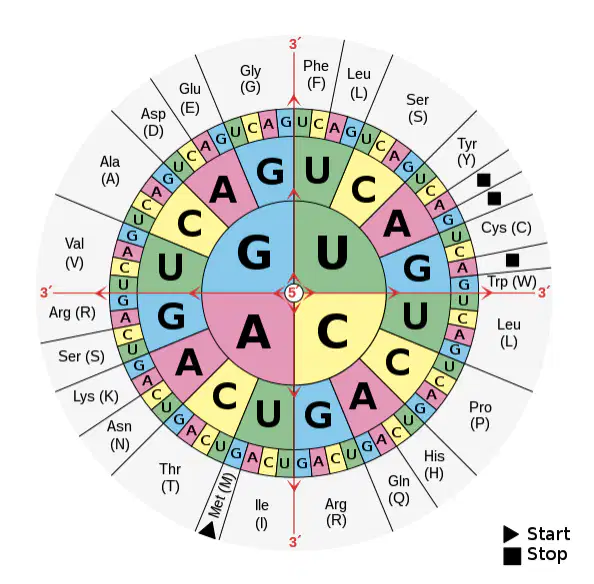
What letter starts in the middle of the chart?
The last letter of the codon
The middle letter of the codon
The first letter of the codon
Which of the following is a function of ribosomal RNA (rRNA)?
Acts as a template for protein synthesis
Forms the core of the ribosome's structure and catalyzes protein synthesis
Transports amino acids to the ribosome
Stores genetic information
What is the primary role of messenger RNA (mRNA) in cells?
To carry genetic information from DNA to the ribosome
To synthesize DNA
To transport lipids
To replicate RNA
Which process involves the conversion of mRNA into a protein?
Transcription
Translation
Replication
Mutation

