
 Worksheets
Cell Membrane Quiz
Total questions: 25
Worksheet time: 13mins
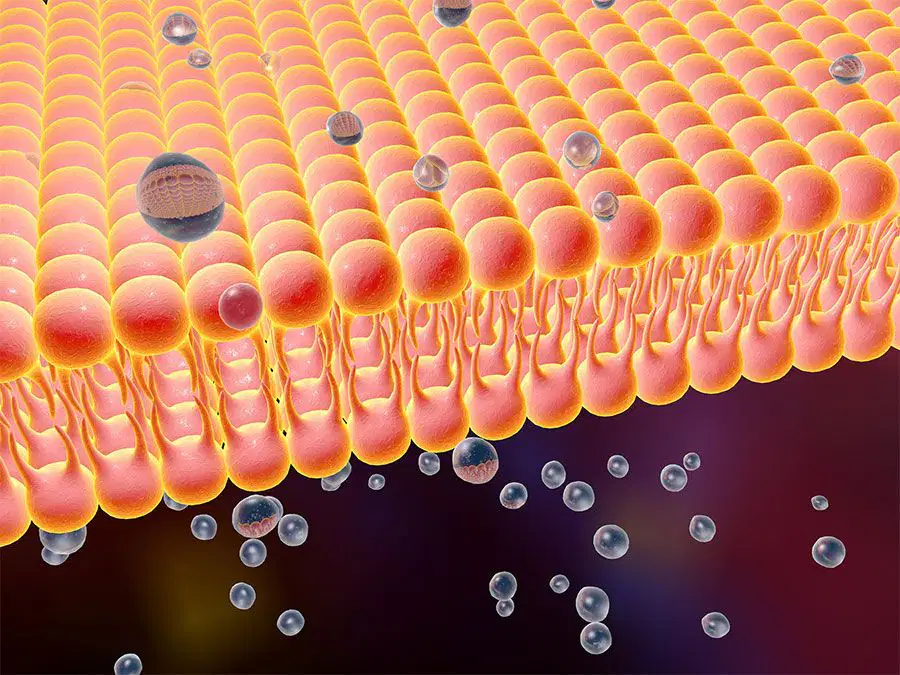
What separates the inside of the cell from the outside environment?
The nucleus
The cell membrane
The mitochondria
The endoplasmic reticulum
What is the cell membrane bilayer composed of?
Omega-3 fatty acids
Cholesterol
Poly unsaturated fats
Phospholipids
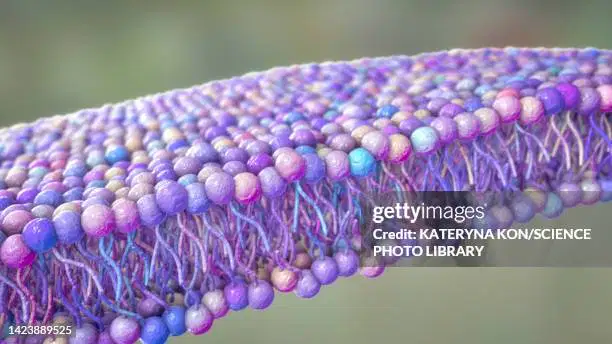
Which statement below best describes the structure of the cell membrane?
It is a single layer of phospholipids
A double layer of phospholipids with the heads facing each other and the tails on the outside.
A double layer of phospholipids with the heads facing out and the tails facing toward each other.
Several folded layers of membrane material with ribosomes attached across the surface.
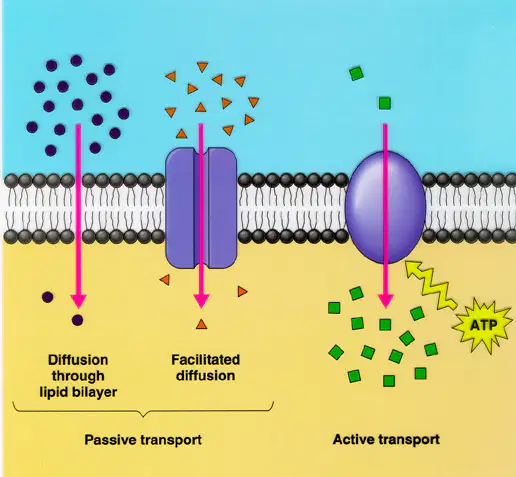
The “doors” through the cell membrane are made of what material?
Proteins
Lipids
Carbohydrates
Water
When a cell needs to bring in materials from outside that will not easily pass through the membrane, it uses ________________ to let them in.
Hydrophobic tails
Protein Channels
Phospholipids
Hydrophilic heads
Endocytosis
What are the three types of passive transport used by cells?
Osmosis, endocytosis, and pinocytosis
Endocytosis, pinocytosis, and Phagocytosis
Simple diffusion, facilitated diffusion, and osmosis
Exocytosis, pinocytosis, and facilitated diffusion
When a material enters the cell by diffusion, the material is moving from an area of ________________ concentration to an area of ________________ concentration.
Low, high
Resting, active
High, low
Equal, equal
No, some
How does raising the temperature of a material affect the speed of diffusion?
It slows it down.
It has no affect.
It stays the same.
It speeds it up.
When the cell membrane uses protein channels to move materials from an area of high concentration to an area of low concentration, this process is called __________.
Active transport
Osmosis
Diffusion
Facilitated diffusion
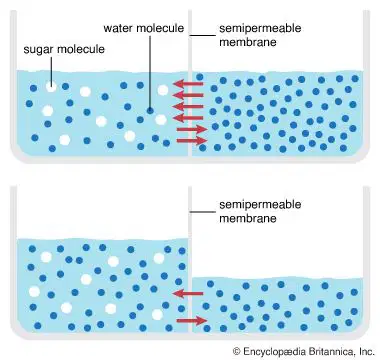
______________ is the movement of water molecules from an area of high concentration to an area of low concentration.
Active transport
Osmosis
Diffusion
Facilitated diffusion
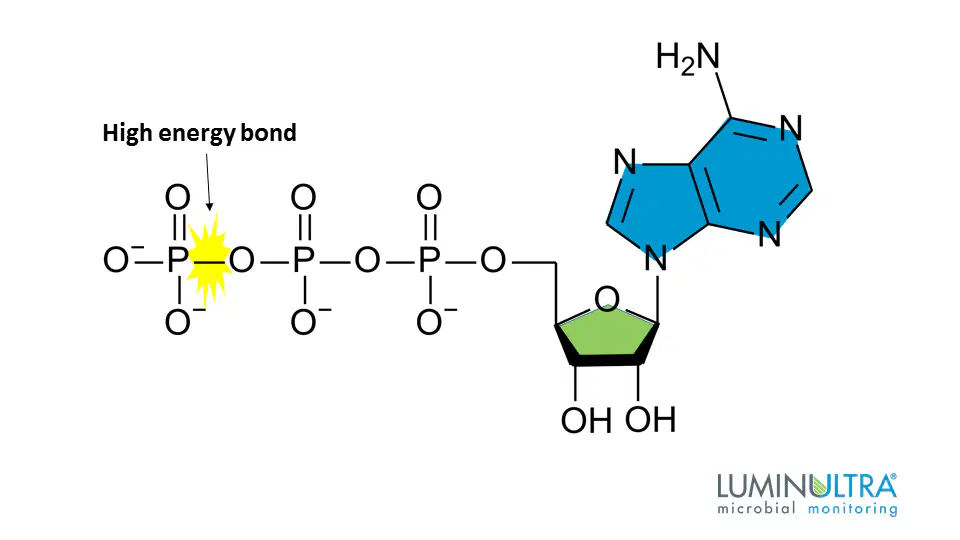
Review: What is the name of the pictured molecule?
Water
Glucose
ADP
ATP
When a cell is in a(n) _______________ solution, water will enter the cell through osmosis causing it to get bigger.
Hypotonic
Hypertonic
Isotonic
When a cell is placed in a(n) _______________ solution, the cell will lose water and shrink.
Hypotonic
Hypertonic
Isotonic
When a cell is placed in a(n) _______________ solution, water goes in and out equally in both directions.
Hypotonic
Hypertonic
Isotonic
Active transport allows materials to move from an area of _______ to _______ concentration across the membrane.
High, low
Low, high
No, some
Resting, active
Active transport uses ______________ and ______________ to move substances across the cell membrane.
Proteins and energy
Proteins and carbohydrates
Fats and lipids
Electricity and magnetism
When a cell uses endocytosis, it moves materials ____________ the cell.
Into
Out of
In and out
Back and forth
What two methods of active transport move materials into the cell?
Pinocytosis and exocytosis
Exocytosis and endocytosis
Pinocytosis and phagocytosis
Phagocytosis and exocytosis
When small materials enter the cell by a pinching in of the cell membrane, it is called ______________.
Pinocytosis
Endocytosis
Osmosis
Exocytosis
Phagocytosis
When the cell membrane moves out and surrounds large materials entering the cell, the process is called ______________.
Exocytosis
Pinocytosis
Phagocytosis
None of the above
Which of the following statements is not part of the modern cell theory?
All living things are made of cells
Cells all have DNA
Cells are the smallest living unit of structure and function in an organism.
All cells come from existing cells

REVIEW: This organelle is the “brain” of the cell and is responsible for controlling all functions inside the cell.
Mitochondria
Endoplasmic reticulum
Chloroplast
Nucleus
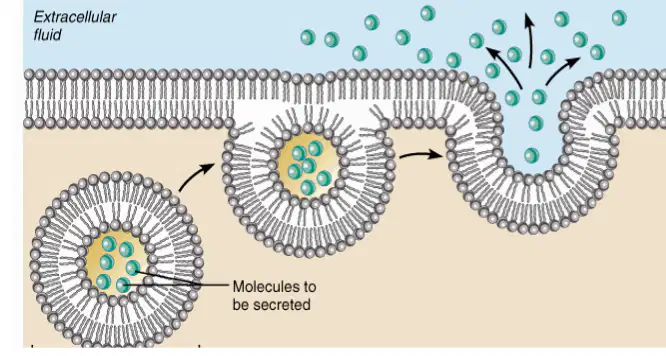
The diagram below shows which active transport process?
Exocytosis
Pinocytosis
Phagocytosis
Passive transport
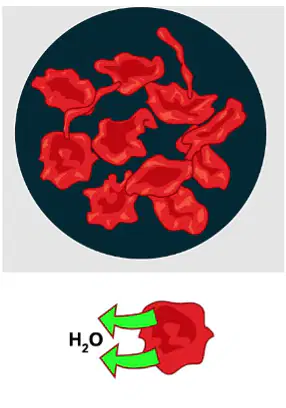
Look at the diagram below. What type of solution is the blood cell in?
Hypertonic because it is losing water.
Hypotonic because it is gaining water.
Isotonic because water is moving in and out equally
REVIEW: Ribosomes are found in all types of cells. Their function is to synthesize ___________.
Proteins
Carbohydrates
Lipids
Nucleic acids

