
NEW
Font size
 Worksheets
Cells: The Basic Unit of Life
Total questions: 20
Worksheet time: 25mins
Who was the scientist that first used a microscope to look at thin slices of cork and saw tiny structures that looked like rooms?
Anton van Leeuwenhoek
Robert Hooke
Isaac Newton
Albert Einstein
What is the approximate size range of plant cells as mentioned in the text?
1-5 micrometers
10-20 micrometers
20-50 micrometers
50-100 micrometers
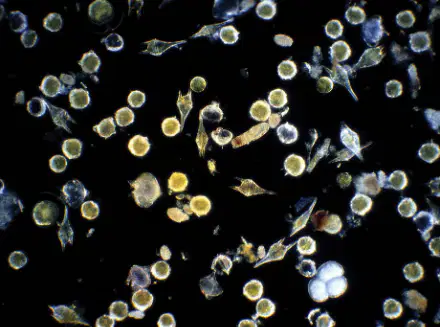
What is the basic unit of life in all living things?
Atoms
Molecules
Cells
Tissues
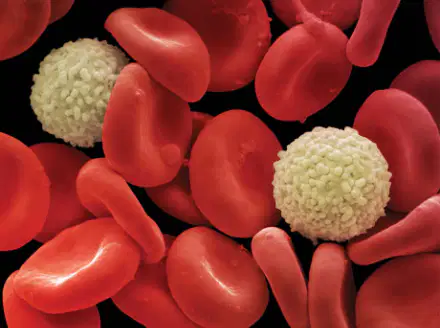
What is the function of the cell membrane?
It produces energy for the cell.
It controls which substances are allowed in and out of the cell.
It stores genetic information.
It provides structural support to the cell.

What is the function of the nucleus in a cell?
It is the powerhouse of the cell
It is the command center of the cell, containing DNA
It makes proteins
It transports molecules.
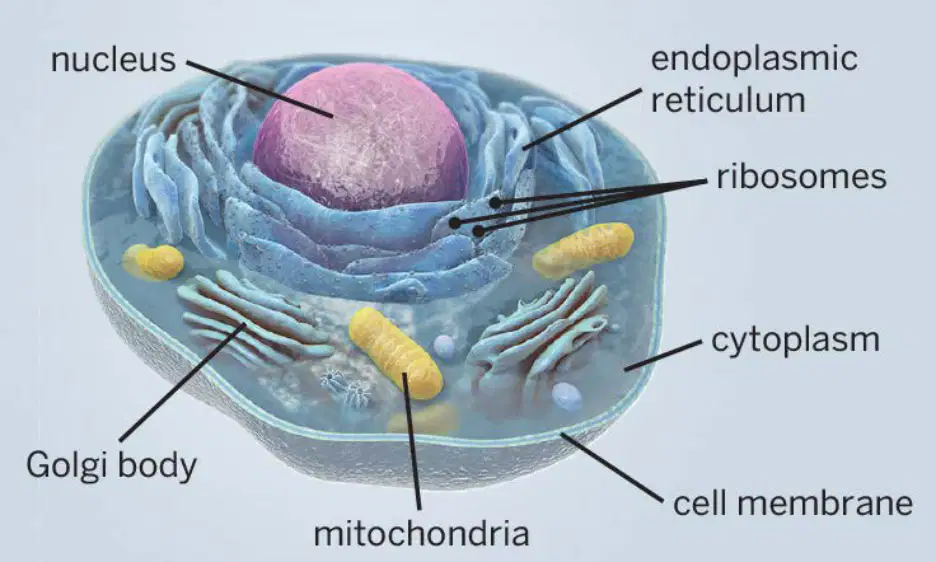
Which organelle is responsible for making and transporting molecules around the cell?
Nucleus
Mitochondria
Endoplasmic reticulum
Ribosomes
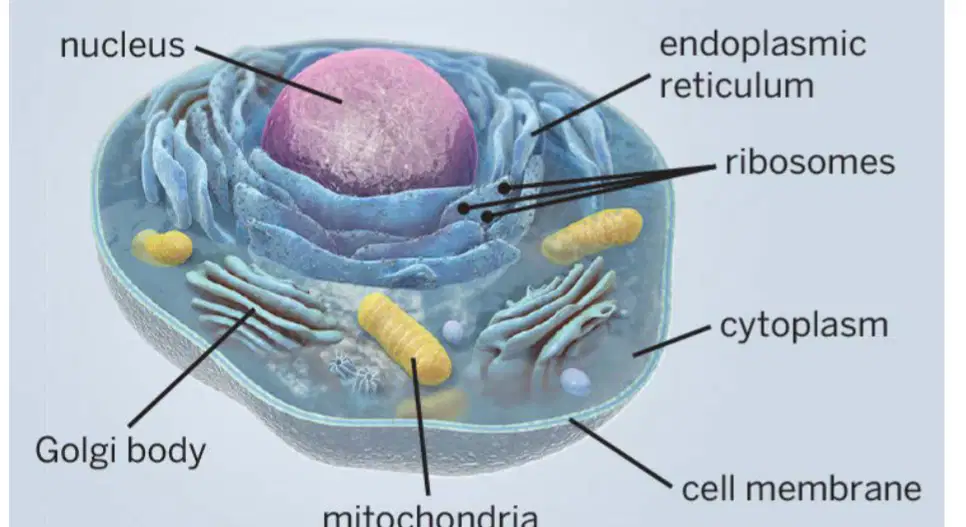
What is the primary function of mitochondria?
To make proteins
To release energy using glucose and oxygen
To control cell activities
To form a barrier around the cell.

Which organelle forms a barrier around the cell and controls the materials that enter and leave?
Ribosomes
Nucleus
Cell membrane
Mitochondria
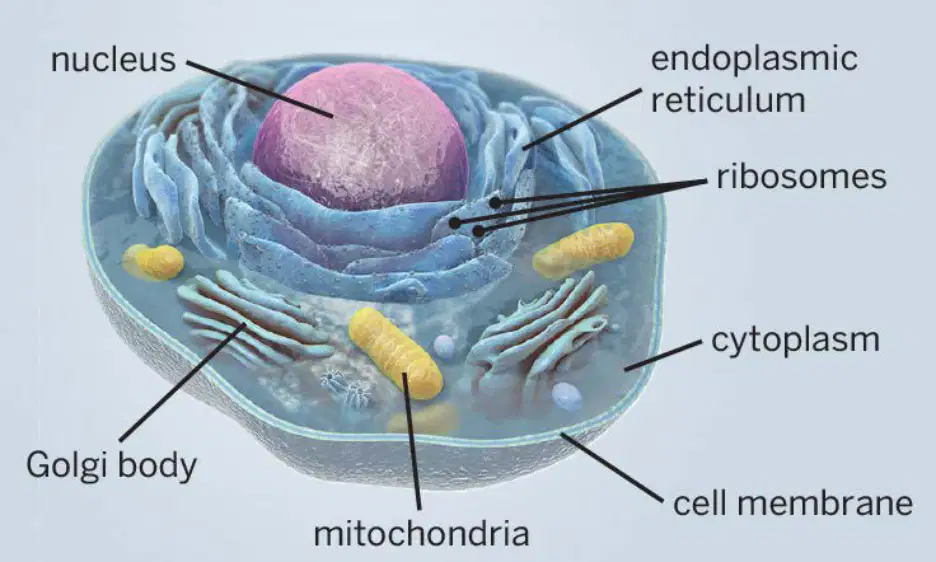
Ribosomes are tiny organelles that: A) Make proteins B) Store DNA C) Release energy D) Transport molecules.
Make proteins
Store DNA
Release energy
Transport molecules
What is the function of the Golgi body in a cell?
It stores genetic material
It packs proteins into vesicles
It helps in photosynthesis
It provides energy to the cell
Which of the following domains is made up of organisms with cells that have a nucleus?
Bacteria
Archaea
Eukarya
Prokarya
Which organelle is known as the 'powerhouse of the cell'?
Nucleus
Ribosomes
Mitochondria
Golgi body
What is the primary role of chloroplasts in plant cells?
To store nutrients
To conduct photosynthesis
To provide structural support
To transport proteins
How many parts of make up a cell according to the picture?
2
4
7
8
Let's take a trip back in time! Do you know who first coined the term 'cells' and what inspired them to do so?
Robert Hooke, because the structure he observed in cork slices reminded him of cells
Anton van Leeuwenhoek, because he noticed movement within these tiny structures
Some brilliant scientists, because they realized these were the fundamental building blocks of life
Monks, because these tiny structures resembled the rooms they lived in
Hey there, super scientist! Can you tell us what all cells, no matter how big or small, have in common?
Is it Cytoplasm and cell membrane?
Or could it be Ribosomes and genes?
Maybe it's Food intake and energy release?
Or is it all of the above?
Imagine you're a tiny person, smaller than a speck of dust, and you've just entered a cell. You see an organelle that seems to be running the show. What is it?
Nucleus
Endoplasmic reticulum
Mitochondria
Ribosomes
Imagine you're a tiny person living inside a cell! Which organelle would you visit to get some energy?
The Nucleus, the control center
The Endoplasmic reticulum, the transport system
The Mitochondria, the powerhouse
The Ribosomes, the protein factories
Let's take a trip back in time! Do you know who first coined the term 'cells' and what inspired them to do so?
Robert Hooke, because the structure he observed in cork slices reminded him of cells
Anton van Leeuwenhoek, because he noticed movement within these tiny structures
Some brilliant scientists, because they realized these were the fundamental building blocks of life
Monks, because these tiny structures resembled the rooms they lived in
Ready for a fun fact? Cells are everywhere! But what exactly are they?
Are they tiny structures that make up all living organisms?
Or, are they the basic building blocks of life?
Maybe they are hollow structures that look like rooms?
Or, could they be the smallest living organisms?

