
 Worksheets
Unit 2 Quiz Review
Total questions: 118
Worksheet time: 3hrs 51mins
Elemental mercury is a shiny, silver-colored, dense liquid that flows easily. Are these characteristics of mercury physical or chemical properties? Explain.
If liquid elemental mercury is heated in oxygen, the volume of the shiny liquid decreases and a reddish-orange solid forms in its place. Do these characteristics represent a physical or a chemical change? Explain.
What characterizes a substance as an element? How many elements are there?
What is a compound? What are compounds composed of? What is true about the composition of a compound, no matter where we happen to find the compound?
What does it mean to say that a solution is a homogeneous mixture?
Give three examples of heterogeneous mixtures and three examples of solutions that you might use in everyday life.
Describe how the process of distillation could be used to separate a solution into its component substances. Give an example.
Describe how the process of filtration could be used to separate a mixture into its components. Give an example.
What is the difference between a chemical and a physical property? Give examples of each.
What is the difference between a chemical and a physical change? Give examples of each.
What is a mixture? How do mixtures differ from pure substances?
What are some of the techniques by which mixtures can be resolved into their components?
Explain how solute, solvent and solution relate to one another.
If 20 grams of Al reacts with 200 grams of Br to form AlBr3, and no Al is left after the reaction, but 23 grams of Br remain unreacted, how many grams of AlBr3 were formed? a. Create a reaction equation to represent the reaction. b. How many grams of AlBr3 were formed? Show work.
In the boxes below (all the same size), rank the densities of the boxes using >, < or =. Explain your ranking.
A cup of gold colored metal beads was measured to have a mass of 425 g. By water displacement the beads were calculated to be 48.0 mL. Given the following densities, identify the metal: gold = 19.4 g/cm³, copper = 8.86 g/cm³, bronze = 9.87 g/cm³. Explain.
The density of magnesium is 1.74 g/cm³, and the density of platinum is 21.45 g/cm³. a. What volume of magnesium would have the same mass as 1.82 cm³ of platinum? b. Draw a particle diagram to support your answer.
Calculate the molar mass of Ba(OH)₂.
How many significant figures are in the following?
0.00203
3
500
1
43.020
5
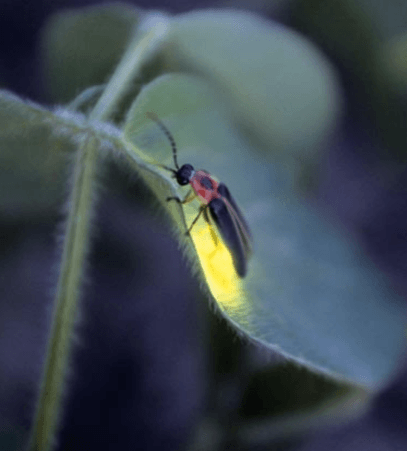


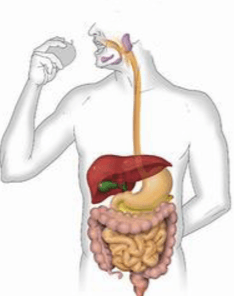

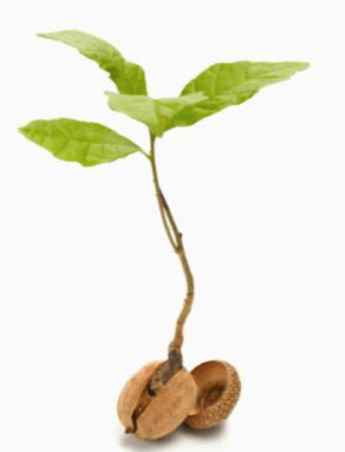

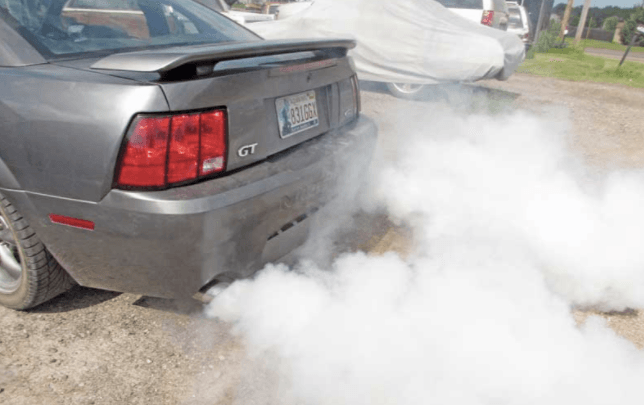



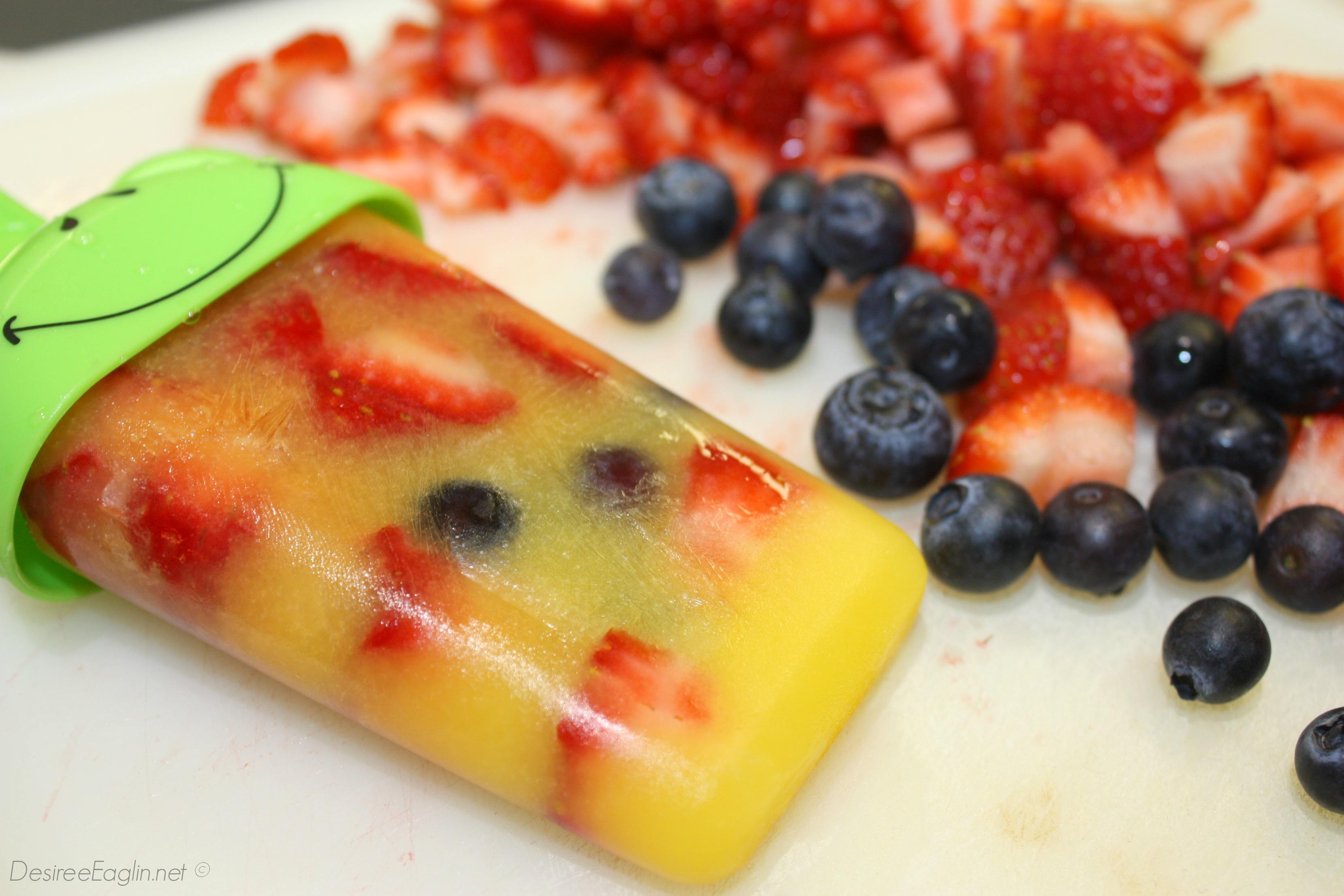
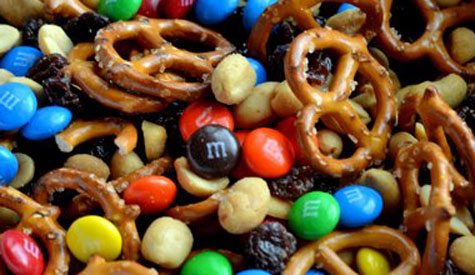
What type of mixture is this?
homogenous mixture
chemical
heterogeneous mixture
solid mixture
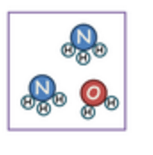

Carbon is an example of:
Element
Compound
Homogeneous Mixture
Heterogeneous Mixture

Color, shape, size
Chemical
Physical

Density
Physical
Chemical

Luster
Chemical
Physical


A white tablet is dropped into water. The water becomes cloudy and bubbles are produced. What type of change has occurred?
Physical change
Chemical change
No change

Jack leaves solid butter near a warm surface. When Jack returns, the butter has turned into a liquid. Jack's friend Elijah insists this is a chemical change. Is Elijah right?
no, because no new matter was formed
yes, because the matter changed states
no, because the butter didn’t have enough time to go through a chemical change
yes, because melted butter is a new type of matter
In YOUR words, what is a chemical reaction? I want to know what YOU think, not google! There is no wrong answer - its what YOU think.
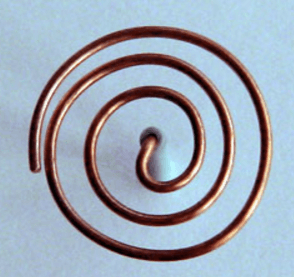
Is bending copper wire a physical or chemical change?
Physical
Chemical

Is water melting a physical or chemical change?
Physical
Chemical
Determine the molar mass of NaCl. SHOW WORK!!!
Determine the molar mass of ZnCl₂. SHOW WORK!!!
Determine the molar mass of NaOH. SHOW WORK!!!
Determine the molar mass of NaHCO₃. SHOW WORK!!!
Determine the molar mass of CuSO₄. SHOW WORK!!!
Determine the molar mass of C₆H₆. SHOW WORK!!!
Determine the molar mass of Ba(OH)₂. SHOW WORK!!!
Determine the molar mass of HC₂H₃O₂. SHOW WORK!!!
Determine the molar mass of KClO₃. SHOW WORK!!!
Determine the molar mass of C₁₂H₂₂O₁₁. SHOW WORK!!!
Determine the molar mass of Ca(HCO₃)₂. SHOW WORK!!!
Determine the molar mass of (NH₄)₃PO₄. SHOW WORK!!!
Which of the following is the correct definition of density?
The amount of stuff in an object
The amount of space an object takes up
A measure of the force of gravity on an object
The amount of matter (mass) packed into a space (object)

Which object has the highest density in this picture?
A
B
C

Which object has the lowest density in this picture?
A
B
C
Which of the following is an example of an object with a low density?
Pillow
Bowling Ball
Brick
Which of the following is an example of an object with a high density?
Pillow
Bowling Ball
Beach Ball
Which of the following is the correct units for density?
grams (g)
Newtons (N)
cm3
g/cm3
What is the density of an object if it has a mass of 6g and a volume of 3cm3? (Hint: Density = mass/volume)
6 g/cm3
3 g/cm3
2 g/cm3
1/3 g/cm3
What is the density of an object with a mass of 3g and a volume of 1cm3? (Hint: Density = mass / volume)
1/3 g/cm3
3 g/cm
3 g/cm3

Which substance is the most dense in this picture?
Vegetable Oil
Dish Soap
Honey
Corn Syrup


Rank the objects from MOST dense to LEAST dense.
left
right
center
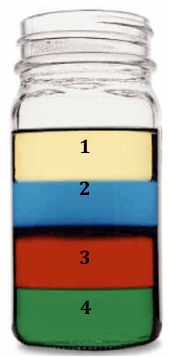
4
3
2
1
a pure substance that cannot be broken down into another substance (examples are H, O, C)
atom
molecule
element
compound
a characteristic that can be observed without changing into another substance
chemical property
substance
physical property
mixture
Match the term with its definition
a pure substance that consists of one type of atom.
elment
a pure substance that consists of multiple types of atoms chemically joined.
compound
contains two or more different substances physically joined together
mixture


element

compound

mixture of 2 elements

mixture of 2 compounds


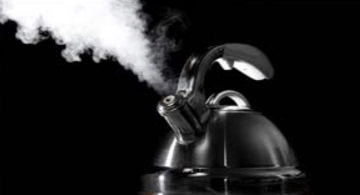
What type of change is this?
Chemical
Melting
Evaporation
Condensation
Sublimation
Which of the following is an example of a physical property?
Reactivity with other chemicals
Flammability
Toxicity
Color
What is an example of a physical property?
Silver is shiny
Alcohols are flammable
Alkali metals are reactive with water
Acids are sometimes corrosive
______________________ can only be recognized when substances react or do not react chemically with one another.
Physical properties
Chemical properties
Flammable properties
Colorful properties
____________is a characteristic that can be observed or measured without changing the sample’s composition.
physical property
chemical property
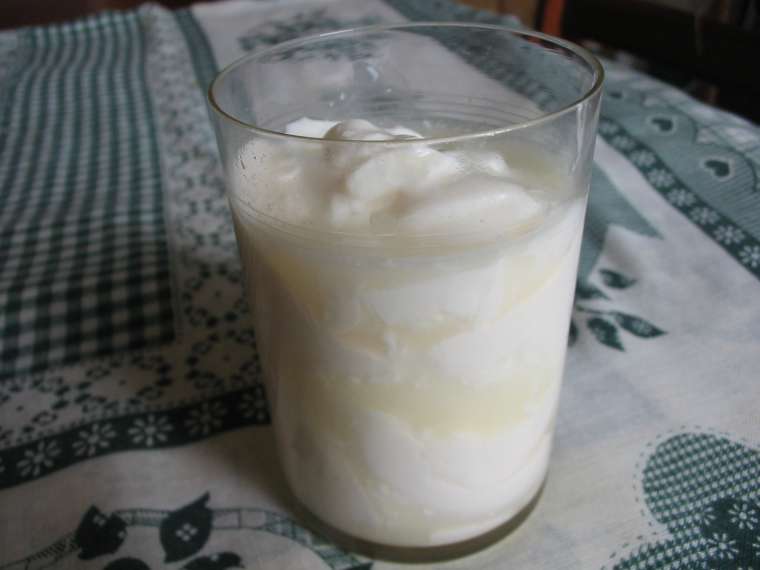


Flammability of a substance is a (a)
The study of matter and changes it undergoes
(a)
The amount of space an object takes up
(a)
The amount of matter in an object
(a)
Produces a change in properties
(a)
Match the following
2Al
Coefficient
H₂O
Subscript
CP
Chemical Formula
Carbon=C
Chemical Symbol
→
yield
Match the following
Uses heat/energy
Endothermic
Gives off heat/energy
Exothermic
an explanation for some phenomenon that is based on observation, experimentation, and reasoning
Theory
a summary of many experimental results and observations, a law tells how things work
Scientific Law
Observations that we have organized into a table graph or chart
Data
Match the following
substance that dissolves into a solution
solute
a substance that dissolves a solute
solevent
a uniform mixture
solution
material remaining after distillation or evaporation
residue
material usually liquid that has passed through a filter
filtrate
Formation of a solid in a solution
(a)

