
 Worksheets
Conservation of Matter
Total questions: 18
Worksheet time: 13mins

8. Aiden got one scoop of ice cream from the tub in his freezer. The combined weight of his bowl and ice cream was 7 ounces. He left the ice cream outside on a hot day and returned to find melted ice cream. What can you predict the combined weight of the bowl and melted ice cream will be, in ounces?
(a)


What is matter?
A. a form that matter can exist in (solid, liquid, gas)
B. an irreversible change that creates a new substance
C. anything that takes up space and has weight
D. maintained; stayed the same
E. a reversible change that does not create a new substance
What is a state (of matter)?
A. a form that matter can exist in (solid, liquid, gas)
B. an irreversible change that creates a new substance
C. anything that takes up space and has weight
D. maintained; stayed the same
E. a reversible change that does not create a new substance
What does conserved mean?
A. a form that matter can exist in (solid, liquid, gas)
B. an irreversible change that creates a new substance
C. anything that takes up space and has weight
D. maintained; stayed the same
E. a reversible change that does not create a new substance
What is a physical change?
A. a form that matter can exist in (solid, liquid, gas)
B. an irreversible change that creates a new substance
C. anything that takes up space and has weight
D. maintained; stayed the same
E. a reversible change that does not create a new substance
What is a chemical change?
A. a form that matter can exist in (solid, liquid, gas)
B. an irreversible change that creates a new substance
C. anything that takes up space and has weight
D. maintained; stayed the same
E. a reversible change that does not create a new substance

Which is a physical change?
burning paper
melting ice
burning firewood
food decomposing

50 grams of salt are dissolved in 300 grams of water.
What is the mass of the saline solution?
250 grams
300 grams
50 grams
350 grams
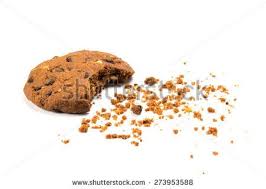
The Law of Conservation of Matter states that the total amount of matter _____ after it undergoes change.
disappears
stays the same
weighs less
explodes

Is this an example of a physical or chemical change?
physical
chemical
a different way to say Law of Conservation of Matter
Law of Conservation of Volume
Law of Conservation of Energy
Law of Conservation of Mass
Law of Conservation of Environment
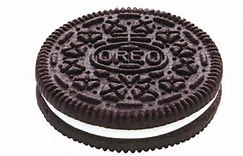
An oreo cookie has a mass of 20 grams. It gets crushed into crumbs for a recipe. What is the mass of the crumbs?
15 grams
25 grams
20 grams
What happens to the mass of materials before and after an experiment?
The mass remains the same.
The mass decreases.
The mass increases.
The mass becomes zero.

