
 Worksheets
Skeletal System Functions Test Review
Total questions: 23
Worksheet time: 12mins
Which of the following is a main function of our bones?
Support of the body
Protection of soft organs
Movement
Storage of minerals & fats
All of the above
Which of the following is an example of the function "Protection of our organs"?
The femur and fibula protect the pelvis.
The ribs protect the heart and lungs.
The humerus protects the radius and ulna.
The skull protects the heart.
Your joints, connective tissue, and _________ all work together to support your body.
blood flow
skin
muscles
tendons
Without a skeleton, you would NOT be able to do which of the following activities?
Stand
Run
Feed yourself
All of the above
What is a bone fracture?
The bending of a bone before it breaks.
When someone has a broken heart.
The medical definition for a broken bone.
The medical term for a bone bruise.
True or False: A bone fracture always requires surgery to heal.
True
False
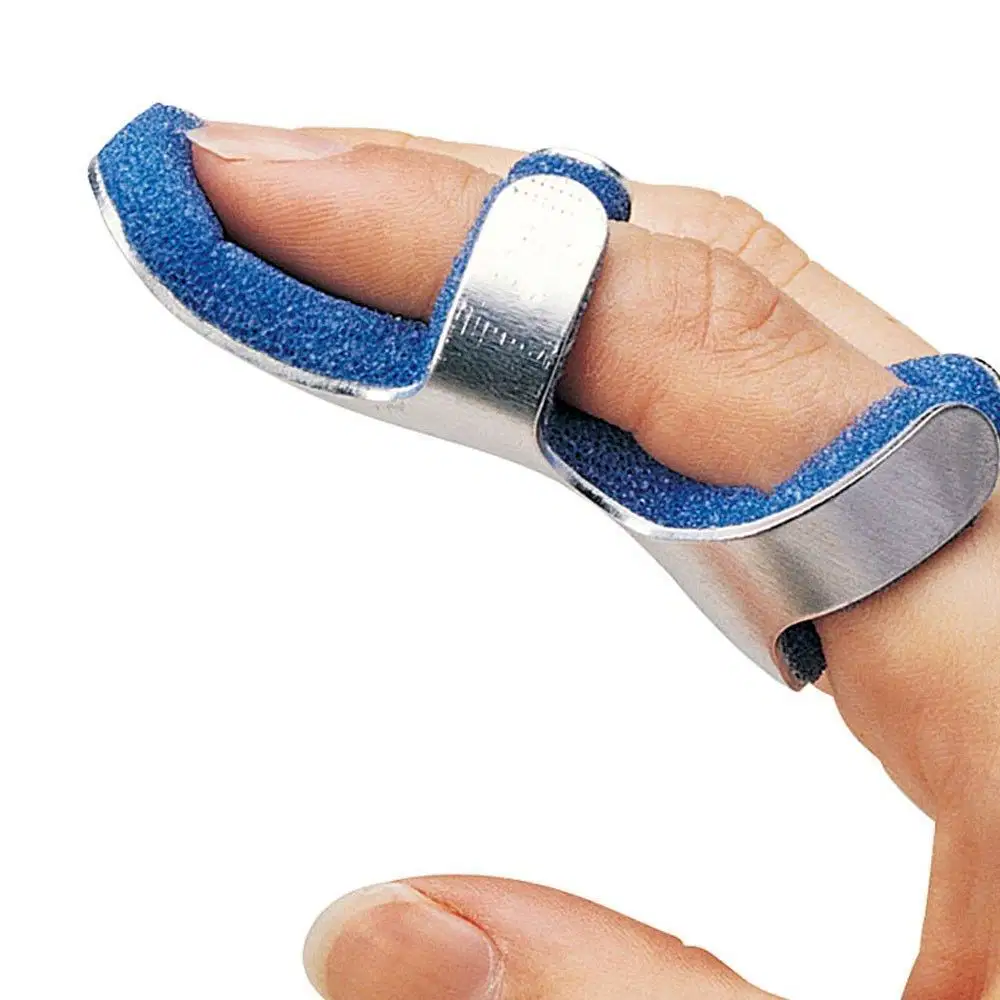
What type of immobilizer is shown in the image below?
Brace
Cast
Splint
Sling

What type of immobilizer is shown in the image below?
Sling
Splint
Brace
Cast
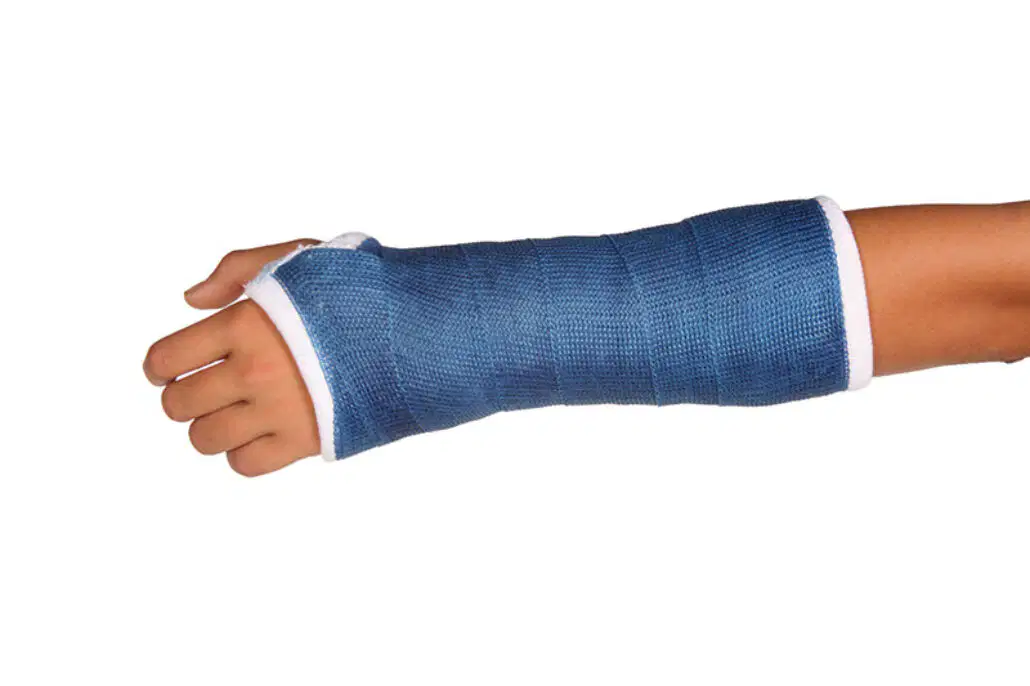
What type of immobilizer is shown in the image below?
Brace
Splint
Cast
Sling

What type of immobilizer is shown in the image below?
Splint
Cast
Sling
Brace
How long it takes a bone fracture to heal depends on what factors?
Where the fracture occurs
What caused the fracture
The age of the person
All of the above
Joints are made up of bones and what else?
Muscles
Hair
Connective tissue
None of the above
What type of freely movable joints allow movement in one direction, as seen in the knees and elbow?
Pivot Joints
Hinge Joints
Ball-and-socket Joints
All kinds of joints
What type of freely movable joints allow a rotating or twisting motion, like that of the head?
Hinge Joints
Ball-and-socket Joints
Pivot Joints
All kinds of joints
What type of freely movable joints allow the greatest freedom of movement?
Pivot Joints
Ball-and-socket Joints
Hinge Joints
None of the above
Which of the following is a correct example of ball-and-socket joints?
Fingers
Shoulders
Neck
The joints between the radius & ulna
___________ surround the joint to give support and limit the joints movement.
Ligaments
Cartilage
Meniscus
Bursa
__________ helps reduce the friction of movement within a joint.
Ligaments
Bursa
Cartilage
Tendons
Fluid-filled sacs that help cushion the friction in a joint is called what?
Ligaments
Cartilage
Bursa
Tendons
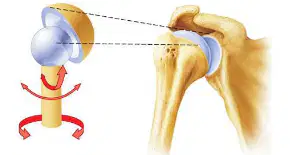
What type of freely movable joint is shown in the image below?
Pivot Joint
Ball-and-socket Joints
Hinge Joint
The joint shown in the image is NOT freely movable
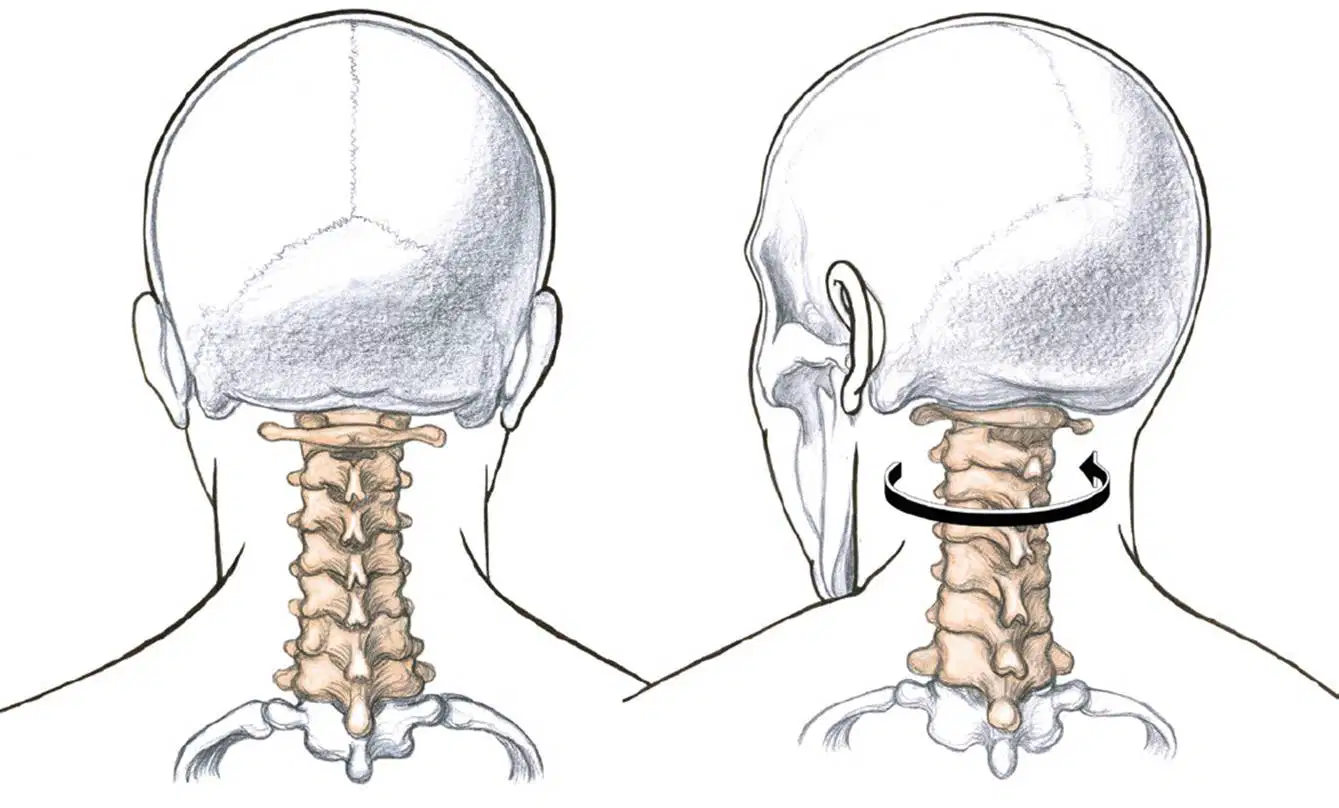
What type of freely movable joint allows a twisting motion, and is shown in the image below?
The joint shown in the image is NOT freely movable
Hinge Joint
Ball-and-socket Joint
Pivot Joint
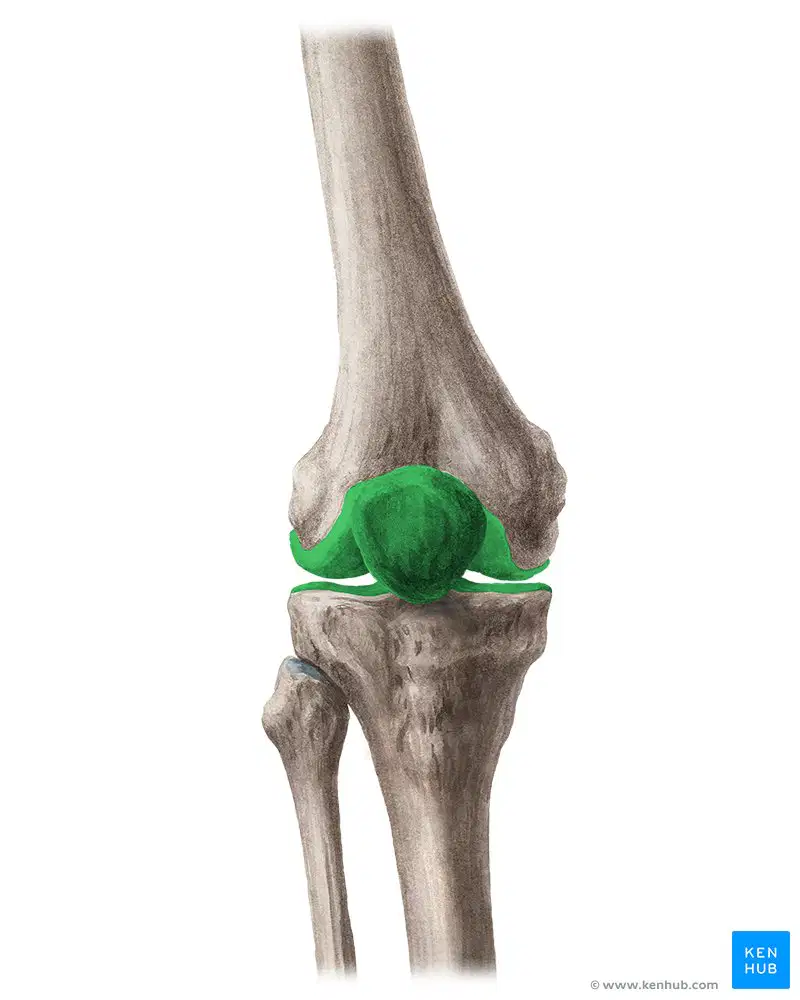
What type of freely movable joint allows movement in one direction, and is shown in the image below?
Ball-and-socket Joint
Hinge Joint
Pivot Joint
The joint shown in the image is NOT freely movable
Areas where two or more bones meet is called what?
Bone connection
Muscles
Joints
Split Bone

