
 Worksheets
1st Nine Weeks Test - 5th Grade Social Studies - Moore
Total questions: 36
Worksheet time: 18mins
What is a unique feature of a Navajo hogan?
It is made of glass
It faces east to meet the Sun
It has multiple stories.
It has a flat roof
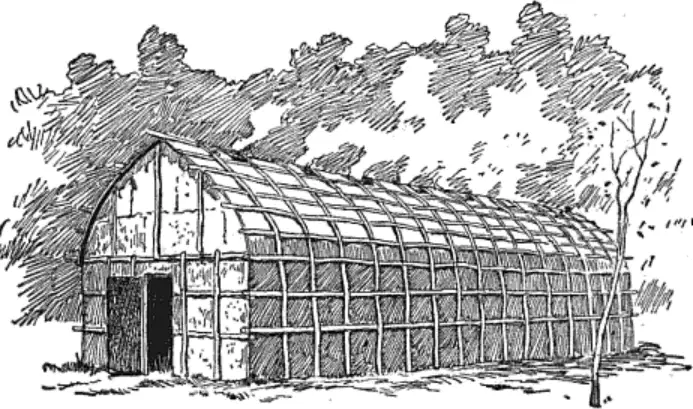
What type of Native American house is this?
Longhouse
Wood house
Teepee
Wigwam
What is Migration?
Traditional Navajo houses made from logs, dirt, and bark.
The movement of people or animals from one place to another.
A Native American tribe known for being hunters and warriors.
A way to grow crops in areas with little water by using special techniques.
What material was easy to work with and perfect for building canoes, totem poles, and homes used by the Northwest Tribes?
Brick
Cedar
Metal
Stone
What kind of other Native American houses were plank houses similar to?
Yurts
Teepees
Igloos
Longhouses
Spanish conquistador who defeated the Aztecs
Francisco Pizarro
Hernan Cortes
Vasco de Gama
Christopher Columbus
Which European country was responsible for the conquest of the Inca Empire?
England
Portugal
Spain
France
Which tribe lived in Longhouses?
The Aztecs
The Cherokee
The Iroquois
The Navajo
What animal did the Comanche primarily hunt for survival?
Rabbit
Elk
Buffalo
Deer
What is the definition of Agriculture?
Moving from place to place without a permanent home.
Groups of people living together in organized communities.
Growing crops and raising animals for food.
The movement of people or animals from one place to another.
Which Southwest tribe is known for building multi-storied adobe structures called Pueblos?
Apache
Sioux
Navajo
Hopi
What part of the environment made it easier for the Southeastern tribes to travel and trade?
Rivers
Deserts
Mountains
Forests
What is wampum?
the head of a clan
Small polished beads made from shells that were woven together by string
a union of people
the Eastern Woodlands people's houses
What is the primary type of environment in the Southwest region where the Hopi and Navajo tribes live?
Mountains
Pacific Coast
Desert
Grasslands
The Aztec capital city was called . . .
Tenochtitlan
Chichen Itza
Machu Picchu
Cuzco
What are Pueblos?
Round houses made of dirt, grass, and wood.
Traditional Navajo houses made from logs, dirt, and bark.
Multi-storied adobe houses built by the Hopi tribe
A type of brick made from mud and straw.
What type of homes did the Navajo traditionally live in?
Teepees
Wigwams
Hogans
Longhouses
For the Native Americans of the northwest Coast their main food source was
Salmon
Nut
Squash
Bison
What material was Inca clothing made from?
Bark
Leather
Cotton
Wool from llamas and alpacas
Hopi Pueblo villages were normally
built in caves
built on top of mesas
easy to move from place to place
buried underground
What Native American Tribe lived in the Eastern Woodlands region?
Iroquois
Hopi
Tlingit
Pawnee
Which crops were grown by the Incas using terrace farming?
Barley and oats
Potatoes, corn, and quinoa
Rice and wheat
Soybeans and peanuts
What were teepees made from?
Tree limbs and bark
Animal hides and wooden poles
Adobe bricks
Stone
What does the name 'Hopi' mean?
The farmers
The traders
The warriors
The peaceful people
The Aztec Empire was located in
Central Asia
Central Mexico
South America
Central America
Some tribes believed that all living things, including animals, plants, and the Earth, had spirits, which is called …
animism
polytheism
totemism
shamanism
Where was Machu Picchu located?
High in the Andes mountains
On the coast
In the jungle.
In the desert
28. The Aztec capital city was built in the middle of Lake …..
a) Tenochtitlan
b) Texcoco
c) Chapala
d) Xochimilco
Why did the Native Americans of the Pacific Northwest create totem poles?
to tell a story that represented their family
for worship
to show off
to decorate for a potlatch
In the Eastern Woodland tribes, what roles did men and women typically have?
Both men and women were gatherers.
Both men and women were hunters.
Women were hunters and men were gatherers.
Men were hunters and women were gatherers.
What type of dwellings did the Great Plains tribes live in while they traveled?
Earth Lodges
Wigwams
Teepees
Longhouses
The Iroquois created the __________ __________, which was a group of tribes that worked together to make decisions and defend their land.
Iroquois Confederacy
Iroquois Alliance
Iroquois Union
Iroquois Coalition
What were chinampas used for in the Aztec civilization?
As a form of religious altar
As floating gardens for agriculture
As platforms for housing
As a means of transportation across lakes
What is the primary reason Native American tribes practiced migration?
To build permanent settlements
To find food and resources
To participate in religious ceremonies
To trade goods with neighboring tribes
How were Kachinas used by the Hopi tribe in their culture?
As weapons during warfare
As masks and dolls during religious ceremonies to teach children about their ancestors
As tools for building homes
As trade items with neighboring tribes
What were the "Three Sisters" in Native American agriculture?
A trio of spiritual leaders
Three types of ceremonial dances
Corn, beans, and squash grown together
Three famous Native American women

