
 Worksheets
Understanding Diodes and Rectifiers
Total questions: 8
Worksheet time: 4mins
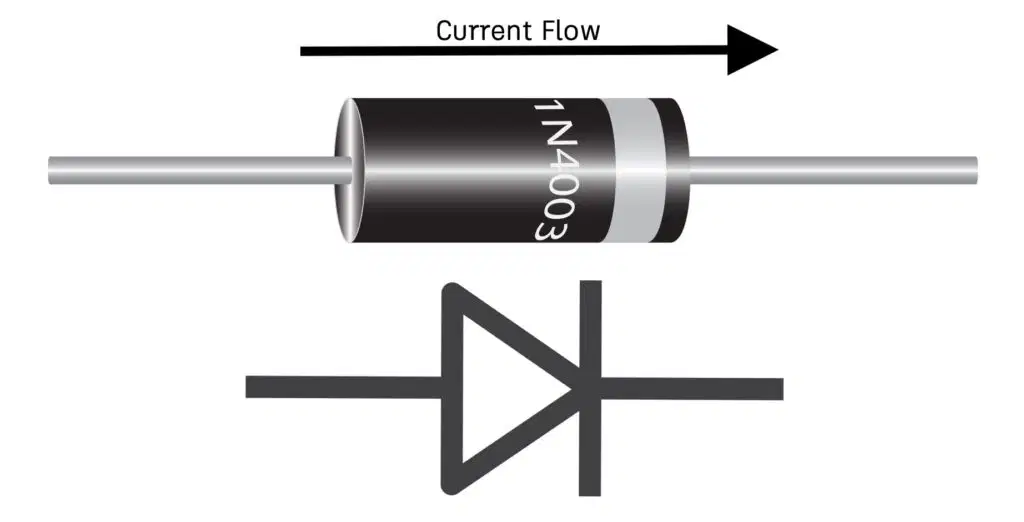
What is the primary function of a diode in an electrical circuit?
To amplify signals
To allow current to flow in one direction only
To store electrical energy
To convert AC to DC
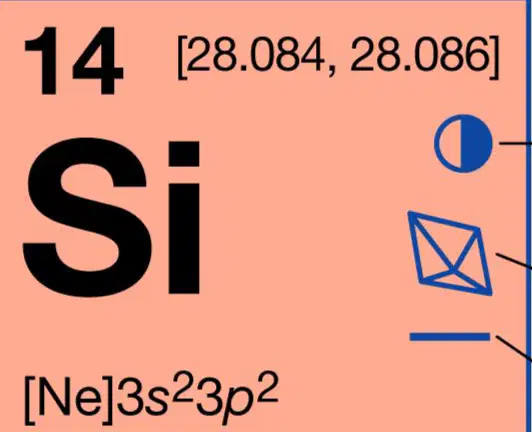
Which material is most commonly used to make diodes?
Copper
Aluminium
Silicon
Iron
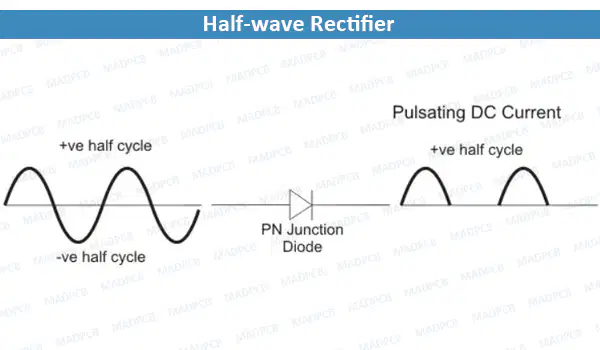
In a half-wave rectifier, what is the purpose of the diode?
To increase the frequency of the input signal
To block the negative half of the AC waveform
To convert DC to AC
To store charge
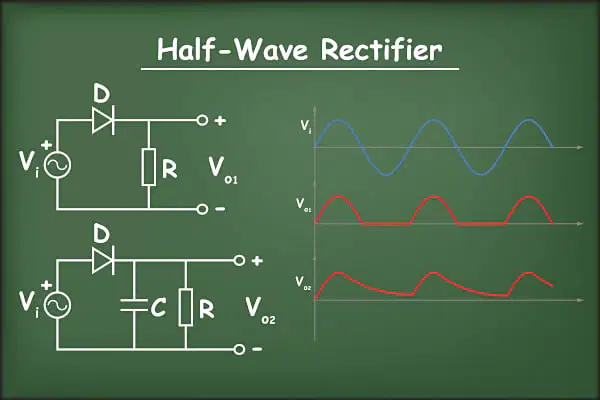
What is the peak inverse voltage (PIV) in a half-wave rectifier?
The maximum voltage the diode can withstand in reverse bias
The average output voltage of the rectifier
The voltage drop across the diode in forward bias
The input AC voltage
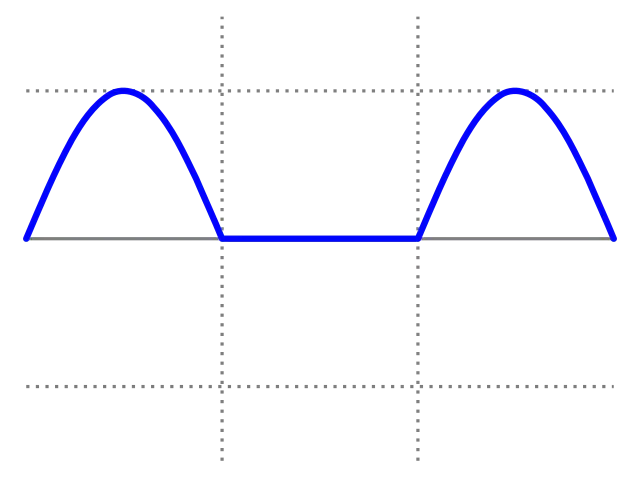
Which of the following is a disadvantage of a half-wave rectifier?
It requires a transformer
It has a low ripple factor
It has a low efficiency
It produces a pure DC output
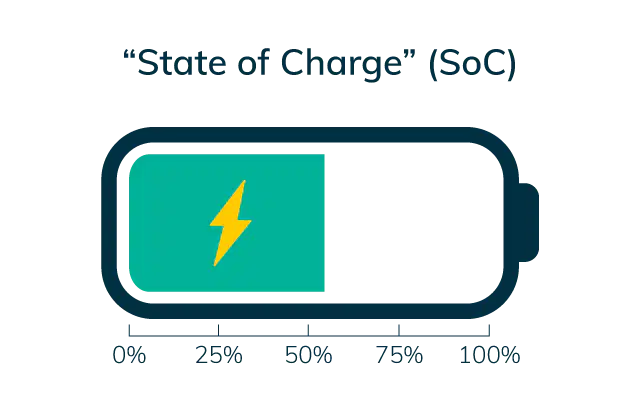
What is the main application of a half-wave rectifier?
In high-frequency applications
In low-power devices
In battery charging circuits
In audio amplifiers
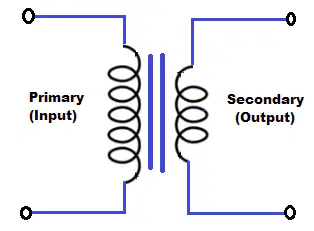
A transformer...?
Steps up the AC voltage to create a higher AC output for DC supplies..
Is used to determine the polarity of the power supply
Steps down the AC voltage to create a lower AC output for DC supplies..
Is smaller than a resistor.

Which component is often added to a rectifier circuit to smooth the output voltage?
Resistor
Inductor
Capacitor
Transformer

