
 Worksheets
Pneumatics & Motor Sharing Practice Quiz
Total questions: 30
Worksheet time: 3600secs
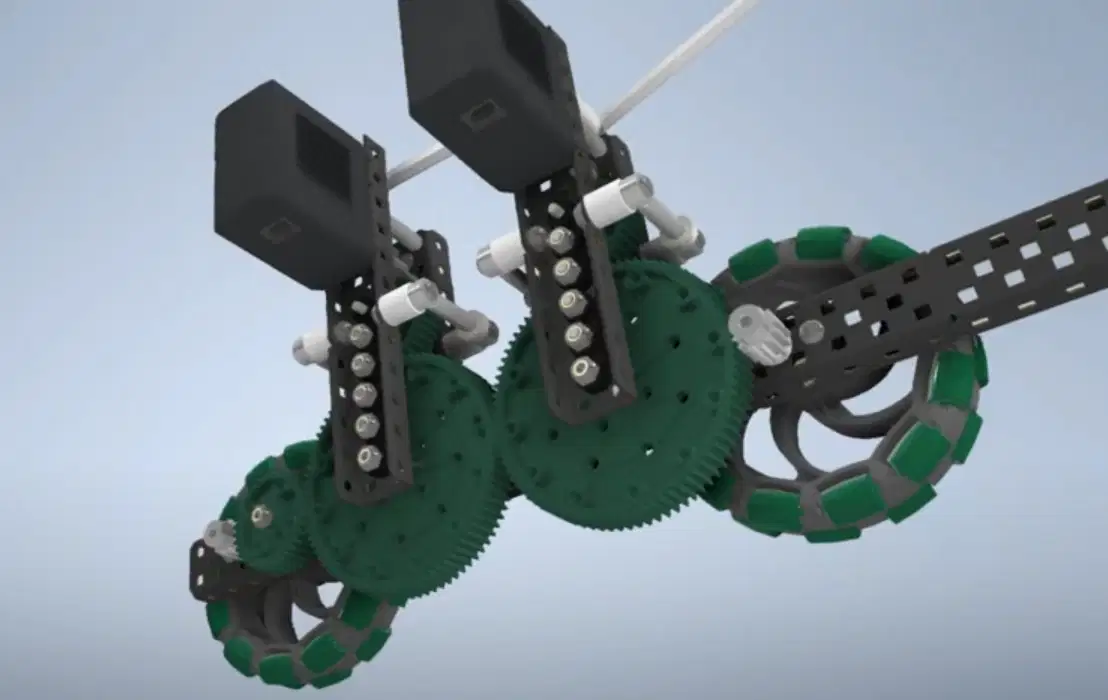
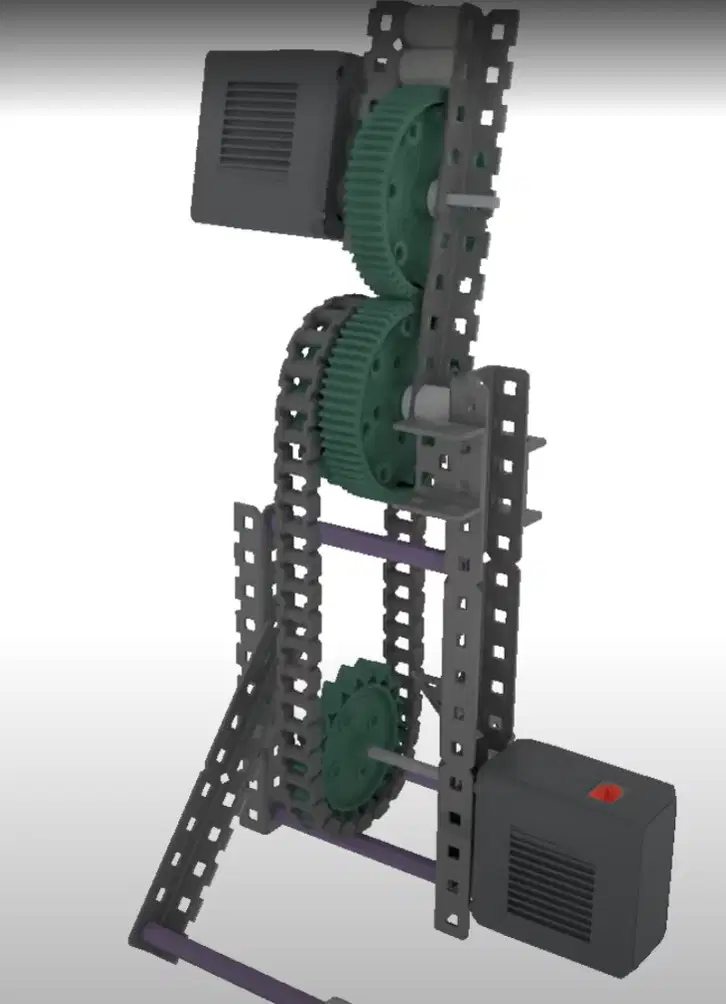
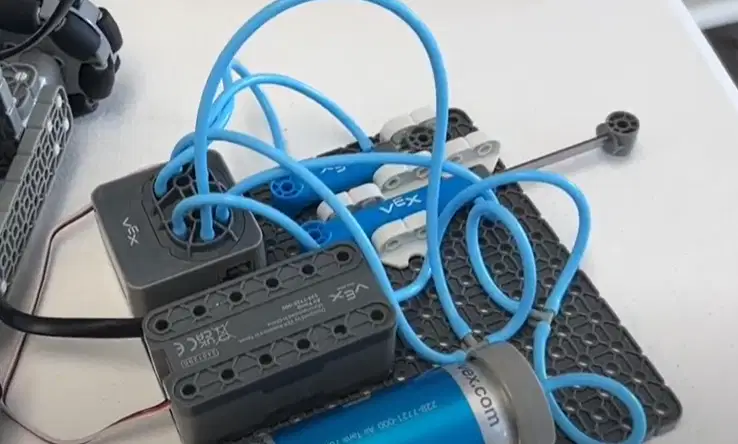
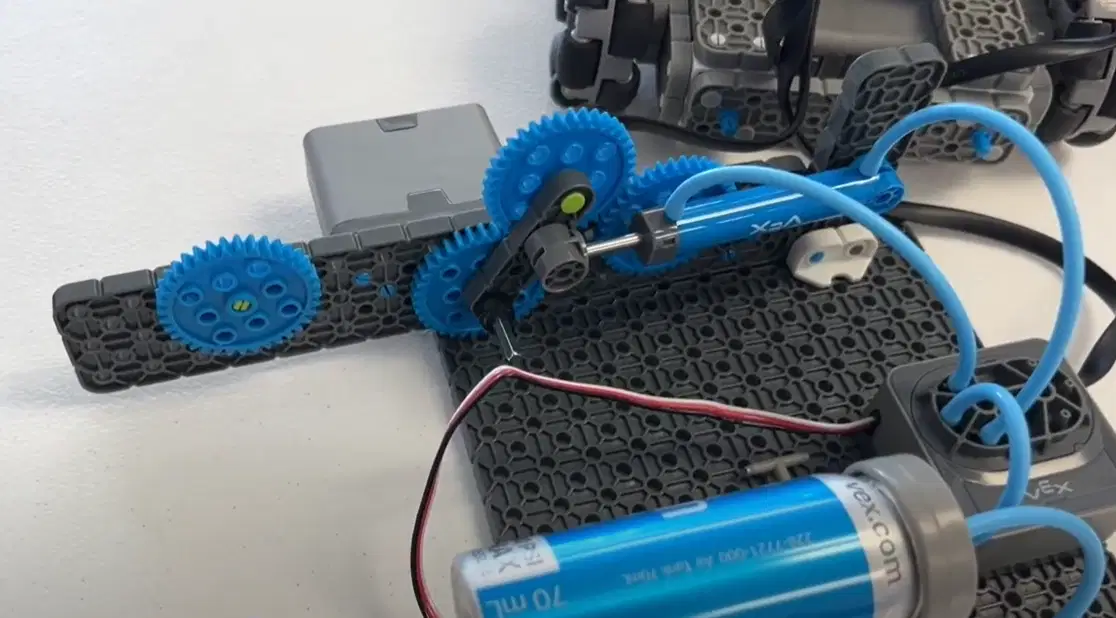
Which part works like an engine by compressing air and mainly sends it to the Cylinders through the Solenoid?
Air Pump
Air Tank
Cylinder
Solenoid
Fitting
Which part use air pressure to extend or retract, creating a push or pull motion?
Air Pump
Air Tank
Cylinder
Solenoid
Fitting
When coding the Pneumatics, what block should you attach first to the [When Started] block?
[set Pneumatic pump to on] block
[set Pneumatic cylinder to extend] block
[set Pneumatic cylinder to retract] block
[set Pneumatic Solenoid to on] block

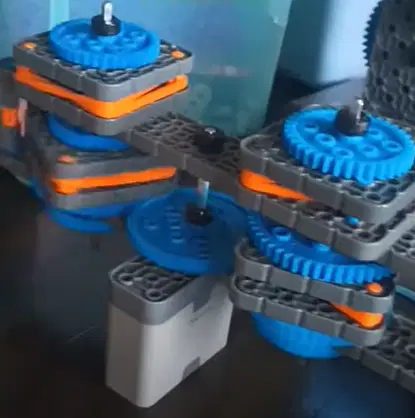
What pneumatic type is at #1?
Double Cylinder/Rubber Band
Rotate Lift
Rotate Pivot
Singular Motion Cylinder
What pneumatic type is at #2?
Double Cylinder/Rubber Band
Rotate Lift
Rotate Pivot
Singular Motion Cylinder
What pneumatic type is at #3?
Double Cylinder/Rubber Band
Rotate Lift
Rotate Pivot
Singular Motion Cylinder
What pneumatic type is at #4?
Double Cylinder/Rubber Band
Rotate Lift
Rotate Pivot
Singular Motion Cylinder
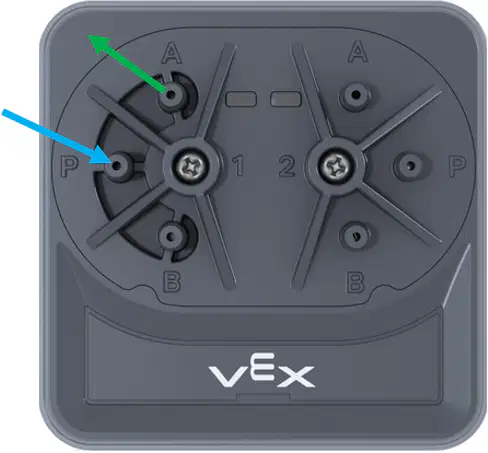
For a one cylinder system, what should location P on the Solenoid be connected to?
Air Tank
Air Pump
Cylinder
Brain
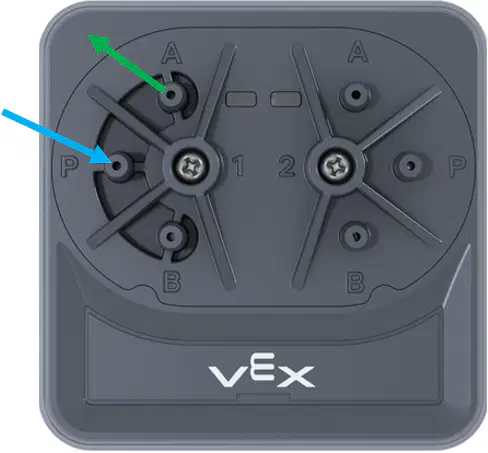
For a one cylinder system, what should location A on the Solenoid below be connected to?
Air Tank
Air Pump
Rod End of the Cylinder
Cap End of the Cylinder
Brain
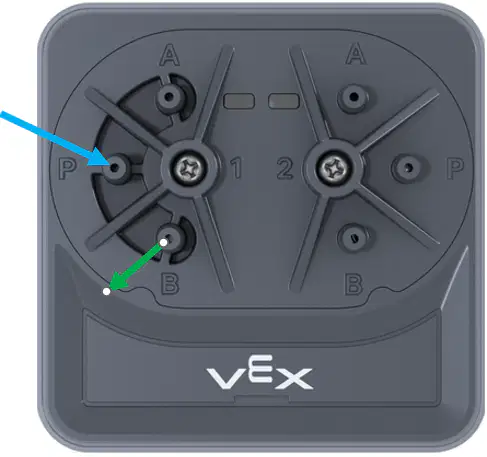
For a one cylinder system, what should location B on the Solenoid below be connected to?
Air Tank
Air Pump
Rod End of the Cylinder
Cap End of the Cylinder
Brain

Explain what the highlighted area is for and why is it important in a Two-Cylinder System.
Adds an additional Pneumatic Solenoid connection through the supply line, allowing air to flow to additional components.
Adds more air to the pump to power multiple cylinders.
Connects the solenoid together to keep air from escaping.
Connects the air pump to the solenoid to create a double cylinder system.
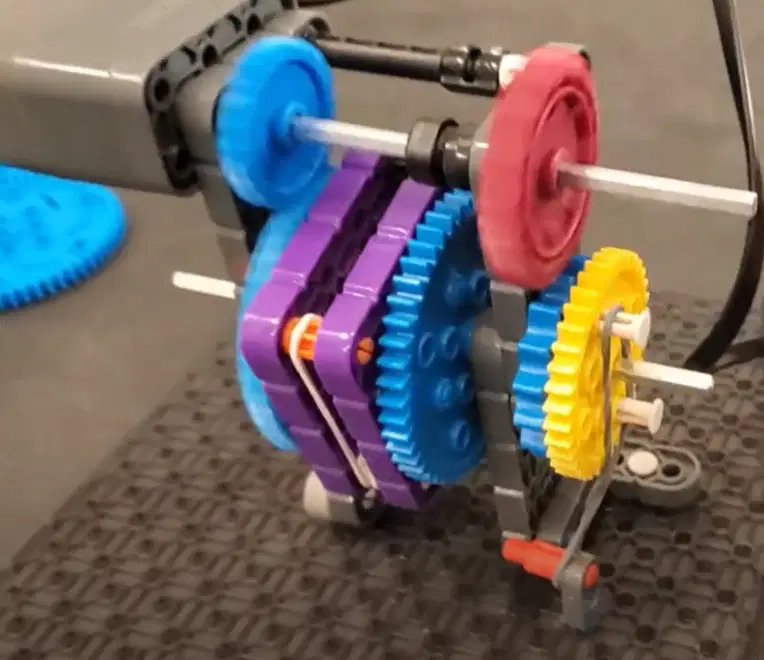
How does a ratchet work?
As the motor rotates one direction it spins both gears. When the motor rotates the other direction it only spins one gear.
When the motor rotates clockwise the ratchet will never spin the gear.
When the motor rotates counter-clockwise the ratchet will always spin both gears.
As the motor rotates, it's able to motor share spinning both gears connected to different mechanisms all the time in both directions.
In the Motor Sharing 4-Bar example, what does each motor control?
One motor controls the drivetrain. The other motor controls the 4-bar.
One motor controls the hood. The other motor controls the 4-bar.
Both motors control the drivetrain and the hood together.
One motor controls a bottom gear. The other motor controls the hood.
In the Hood motor sharing example, what happens when both motors spin at the SAME speed?
The bar stays at the same position
The bar can move to another position
The bar moves in reverse
The bar moves to the opposite side of the other motor
In the Hood motor sharing example, what happens when the bar motor is slightly faster or slower than the other motor?
The bar stays at the same position
The bar can move to another position
The bar moves in reverse
The bar moves to the opposite side of the other motor
How so pneumatics and motor sharing work together?
Sharing motors powers pneumatics to make the robot more efficient.
Multiple motors make pneumatics be able to do more actions.
Pneumatics help move gears to motor share easier.
Motors on the drivetrain and motors on pneumatics share together to make the robot do many things.

What does this part do?
stores extra air as a backup system for your pneumatics
works like an engine by compressing air and mainly sends it to the Cylinders through the Solenoid
receives instructions from your Robot Brain and turns them into pneumatic actions by directing compressed air to the cylinders
uses air pressure to extend or retract, creating a push or pull motion

What does this part do?
stores extra air as a backup system for your pneumatics
works like an engine by compressing air and mainly sends it to the Cylinders through the Solenoid
receives instructions from your Robot Brain and turns them into pneumatic actions by directing compressed air to the cylinders
uses air pressure to extend or retract, creating a push or pull motion

What does this part do?
stores extra air as a backup system for your pneumatics
works like an engine by compressing air and mainly sends it to the Cylinders through the Solenoid
receives instructions from your Robot Brain and turns them into pneumatic actions by directing compressed air to the cylinders
uses air pressure to extend or retract, creating a push or pull motion

What does this part do?
stores extra air as a backup system for your pneumatics
works like an engine by compressing air and mainly sends it to the Cylinders through the Solenoid
receives instructions from your Robot Brain and turns them into pneumatic actions by directing compressed air to the cylinders
uses air pressure to extend or retract, creating a push or pull motion

What is the name of this part?
straight fitting
tee fitting
corner connection
split fitting

What is the name of this part?
straight fitting
tee fitting
tubing connection
split fitting

What does this part do?
moves pressurized air from one part to another
works like an engine by compressing air and mainly sends it to the Cylinders through the Solenoid
stores extra air as a backup system
receives instructions from your Robot Brain and turns them into pneumatic actions by directing compressed air to the cylinders
What does PTO mean in motor sharing?
Pneumatics Trade On
Power Transfer Operator
Power Take Off
Pikachu Training Oshawott
What is the purpose of motor sharing?
To always make your robot faster
To always make your robot stronger
To have more than 6 motors
To use one motor to do more than one thing

