
 Worksheets
Human Factors part 2
Total questions: 69
Worksheet time: 6mins
Which is NOT an ergonomic consideration in the design of a car?
The internal air conditioning system
The adjustability of the steering wheel
The color of the car
Seat dimensions
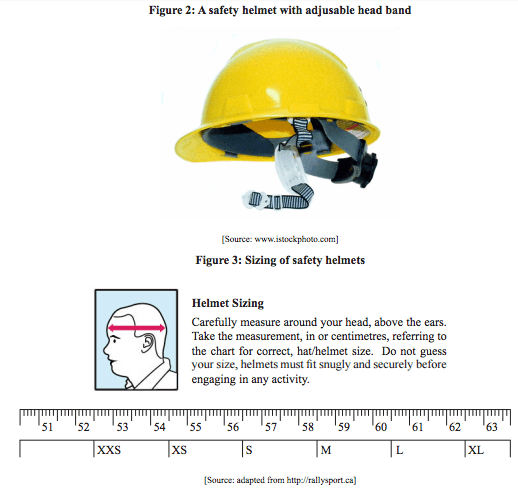
Read the attached figure. Which helmet size would be required for a person whose head circumference is 54.5 cm?
XXS
XS
S
M
L
Which physiological factor affects ergonomics?
Fatigue
Temperature
Furniture design
Leg Length
Which scale has units of equal size and would be suitable for use as a temperature scale?
nominal
orginal
interval
ratio
Which scale has units of equal size and would be suitable for use as a temperature scale?
nominal
orginal
interval
ratio
Which of the following is an example of qualitative data?
ambient temperature in a work environment
color preferences of users
number of passengers in a car
height of users in the 95th percentile
The study of the structure and mechanics of all living things is known as:
Ergonomics
Anthropometrics
Biomechanics
Human Factor Design

Which object would be best located in the primary zone?
display screen
computer mouse
stapler
heavy file cabinet
Which of the following is not a part of the human processing system?
central process (brain)
motor process (muscles)
sensory process
dynamic measurements
Which scale is used to classify objects into groups, such as color or shape?
nominal
interval
ordinal
ratio
What type of data is represented by the number of hours worked per week?
nominal
ordinal
interval
ratio
Which of the following best describes the concept of anthropometrics?
The study of human behavior
The measurement of human body dimensions
The design of ergonomic tools
The analysis of workplace efficiency
What distinguishes between "range of sizes" and "adjustability" in product design?
Range of sizes is fixed, while adjustability allows for customization.
Adjustability focuses on fashion, while range of sizes concerns technology.
Range of sizes caters to static measurements, while adjustability to dynamic ones.
Adjustability deals with structural data, while range of sizes considers functional data.
What is the primary concern when considering clearance in product design?
Ensuring safety
Reducing costs
Enhancing aesthetics
Maximizing functionality
In anthropometrics, what does the 95th percentile represent?
The most common measurement in a population
The outlier measurement in a population
The top range of the population for a measurement
The maximum measurement in a population
Which type of anthropometric data refers to measurements taken while a subject is at rest?
Nominal data
Ordinal data
Static data
Dynamic data
Which ergonomic discipline concerns mental processes like memory and reasoning?
Physical ergonomics
Cognitive ergonomics
Organizational ergonomics
Sensory ergonomics
Why is adjustability crucial in product design?
It allows for a larger range of users
It reduces the need for primary data
It ensures static measurements are accurate
It simplifies dynamic data collection
What method of data collection involves watching the subject as they engage in a task, work in a space, or try to complete some activity?
Interviews
Surveys
Observation
Standardized tests
Which environmental factor can impact a person's psychological state of mind related to the workplace?
Noise
Air velocity
Humidity
Radiant temperature
What method of collecting psychological data involves directly interacting with individuals or small groups to learn more about their beliefs, experiences, and needs?
Observation
Surveys
Interviews
Standardized tests
Which scale of measurement deals with non-numeric data where the numbers have no value?
Ratio scales
Interval scales
Ordinal scales
Nominal scales
What does the design for physical and psychological comfort aim to prevent or reduce?
Errors
Muscle strength
Visual acuity
Fatigue
What does the term "fatigue" primarily refer to in the context of product design?
The completeness and accuracy of a design
A person's sense of physical or psychological tiredness
The speed and effort required to interact with a product
The pleasantness and satisfaction experienced while using a product
Which of the following factors does NOT relate to the biomechanics of human factors design?
Force
Repetition
Duration
Comfort
What term refers to the aspect of the body's position, whether standing, sitting, or lying down?
Force
Repetition
Duration
Posture
How can fatigue impact the perception of a product's design?
Enhances user satisfaction
Reduces errors
Negatively influences performance and satisfaction
Promotes physical and psychological ease
What is the primary goal of adjusting products in terms of user preferences?
To limit user options
To disregard user preferences
To provide fixed product designs
To accommodate various user preferences and needs
What is the term used to describe the repetition of tasks at a high frequency, impacting the body negatively?
Ergonomics
Fatigue
Duration
Repetition
What does the term 'Human Factors' encompass in the context of design?
Only anthropometrics
Only ergonomics
Combination of ergonomics and anthropometrics
Aesthetics of design
In the study of anthropometrics, what does the 50th percentile represent?
The top 5% range of the population
The average value for a given demographic
The proportion of the population below a certain value
The point below which 5% of the population is represented
When dealing with static anthropometric data, what are common examples of measurements?
Overhead reach and clearance
Weight and height
Reach and clearance
Volumetric data and skeletal dimensions
What does the 5th percentile range in anthropometrics typically represent?
Designing for tall individuals
Average dimensions for a demographic
The top 5% range of the population
Designing for a specific demographic's needs
What is the purpose of considering the 95th percentile in design?
Designing for tall individuals
Designing for the top 5% range of the population
Ensuring everyone can reach controls
Addressing specific research questions
What is the main disadvantage of primary data collection in anthropometrics?
High cost
Incomplete information
Efficient spending of information
Control
Which type of ergonomic deals with mental processes such as perception and memory?
Physical ergonomics
Cognitive ergonomics
Organizational ergonomics
Environmental ergonomics
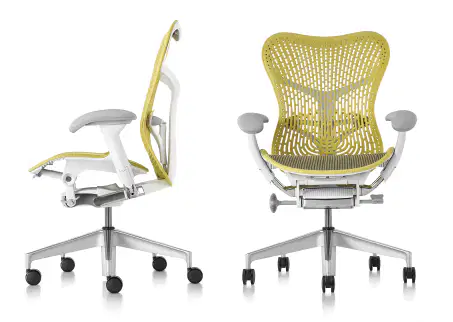
Figure 1 shows the Herman Miller Mirra 2 chair.
Figure 1: The Herman Miller Mirra 2 chair
[Source: Mirra 2 chair images provided by Herman Miller]
What anthropometric data is most appropriate for the design of the Herman Miller Mirra 2 chair?
A. 5th–95th percentile
B. 5th percentile
C. 50th percentile
D. 1st–99th percentile
In which way is dynamic data used in the clothing industry?
A. In the design of sports shoes
B. When advertising products
C. To determine collar size
D. To determine market size
Which of the following is an example of dynamic data?
A. Measuring the height of a person using a stadiometer
B. Measuring the body fat composition of an athlete
C. Measuring the steps of a person while walking
D. Measuring the weight of a person using scales
What type of scale would be used to collect qualitative data on comfort?
A. Interval scale
B. Ratio scale
C. Ordinal scale
D. Nominal scale

Advances in 3D printing have led to lighter and more aesthetic prosthetic products, see Figure 1.
Figure 1: A 3D printed prosthetic product
[Source: Anna Shvets / Pexels.]
Which human factors were considered by the designer?
I. Physiological factors
II. Psychological factors
III. Aesthetic factors
A. I and II only
B. I and III only
C. II and III only
D. I, II and III
Which of the following can be used to ensure a worker remains alert?
A. Keeping the duration of tasks short
B. Providing dim light in the working environment
C. Removing all background sounds in the room
D. Providing repetitive tasks
A designer would label items by name using…
A. a ratio scale.
B. an ordinal scale.
C. a nominal scale.
D. an interval scale.
What type of scale would be used to collect qualitative data on comfort?
A. Interval scale
B. Ratio scale
C. Ordinal scale
D. Nominal scale
Advances in 3D printing have led to lighter and more aesthetic prosthetic products, see Figure 1.
Figure 1: A 3D printed prosthetic product
[Source: Anna Shvets / Pexels.]
Which human factors were considered by the designer?
I. Physiological factors
II. Psychological factors
III. Aesthetic factors
A. I and II only
B. I and III only
C. II and III only
D. I, II and III
Which of the following can be used to ensure a worker remains alert?
A. Keeping the duration of tasks short
B. Providing dim light in the working environment
C. Removing all background sounds in the room
D. Providing repetitive tasks
Figure 1 shows the Herman Miller Mirra 2 chair.
Figure 1: The Herman Miller Mirra 2 chair
[Source: Mirra 2 chair images provided by Herman Miller]
What anthropometric data is most appropriate for the design of the Herman Miller Mirra 2 chair?
A. 5th–95th percentile
B. 5th percentile
C. 50th percentile
D. 1st–99th percentile
In which way is dynamic data used in the clothing industry?
A. In the design of sports shoes
B. When advertising products
C. To determine collar size
D. To determine market size
A designer would label items by name using…
A. a ratio scale.
B. an ordinal scale.
C. a nominal scale.
D. an interval scale.
Which of the following is an example of dynamic data?
A. Measuring the height of a person using a stadiometer
B. Measuring the body fat composition of an athlete
C. Measuring the steps of a person while walking
D. Measuring the weight of a person using scales
Which of the following is an example of qualitative data collection?
A. Using statistical techniques to analyse data
B. Using a scale model to carry out comparative data analysis
C. Using a transcript from an interview
D. Using computer simulation to evaluate performance results
Biomechanics is important for the design of different products.
Which aspect of biomechanics is important in the design of a can opener?
A. Affordance
B. Tension
C. Torque
D. Clearance
Which part of the human information processing system would most likely be affected by mental stress?
A. Motor processes
B. Output
C. Sensory processes
D. Central processes
Why is adjustability crucial in product design?
It allows for a larger range of users
It reduces the need for primary data
It ensures static measurements are accurate
It simplifies dynamic data collection
In a warehouse, what type of safety hazard is presented by excessive stacking of items stored overhead?
Fire hazard
Tripping hazard
Falling hazard
Electrical hazard
Harper is designing a new line of furniture. She needs to decide on the dimensions that will meet the needs of a majority of people. Which dimensions should she choose?
Custom
Standard
Unique
Variable
Which of these products is an example of a word related to inclusive design
Bespoke
One-Off
Adjustable
Expensive
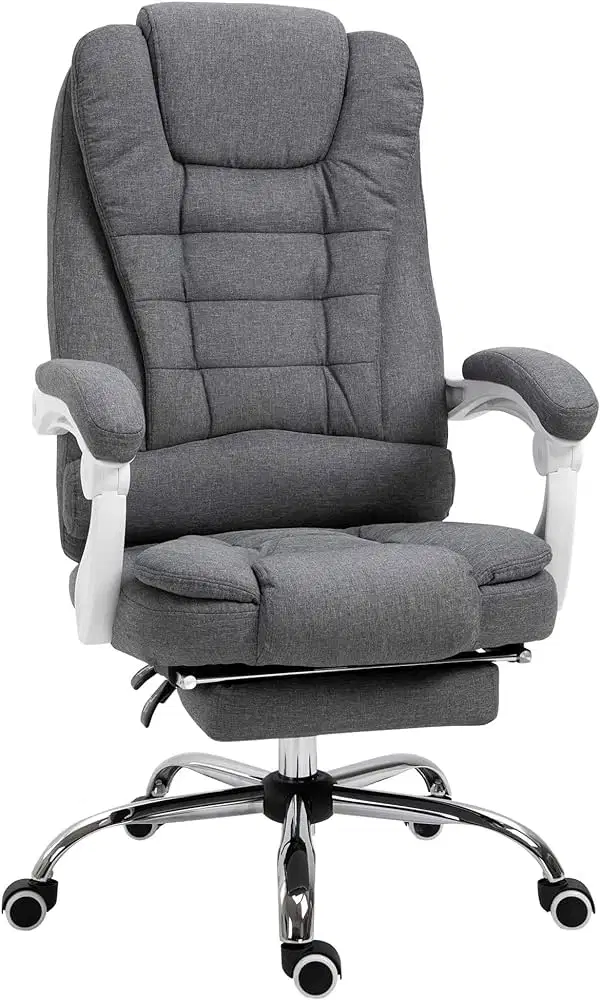
How has this chair been designed to be inclusive?
Head and back support
Reclining facility
Easily raised up and down
Can move on wheels

The ring-pull feature in the photograph is an example of....
Exclusive Design
Inclusive Design
Biomimicry
Anthropometrics

Which of the following are examples of ergonomics in the product? (2 Marks)
The location of the trigger
The cyclone technology involved in the suction
The matte grey finish
The space to enable your hand to comfortably fit
Anthropometrics means....
The measurement of products
The measurement of human features
Using human form in your design
The way you make a product easy for a human to engage with
Which of these is a word associated with physical human factors in design?
Aesthetics
Cost
Ergonomics
Environment
Discuss the role of ergonomics in human factors design technology.
Ergonomics focuses on creating user-friendly, efficient, and safe products and systems.
Ergonomics only focuses on the aesthetic appeal of products and systems.
Ergonomics has no impact on the design of products and systems.
Ergonomics focuses on creating user-unfriendly, inefficient, and unsafe products and systems.
Explain the concept of anthropometry and its relevance in human factors design technology.
Anthropometry is the study of weather patterns and their impact on human behavior. It is relevant in human factors design technology as it helps in predicting how people will react to different climates.
Anthropometry is the study of the measurements and proportions of the human body. It is relevant in human factors design technology as it helps in designing products and environments that are well-suited to the physical characteristics of the human body, improving usability and safety.
Anthropometry is the study of insects and their behavior. It is relevant in human factors design technology as it helps in understanding how bugs interact with technology.
Anthropometry is the study of ancient civilizations and their artifacts. It is relevant in human factors design technology as it helps in designing products based on historical designs.
Which of the following is an important ergonomic feature in office chair design?
Color of the chair
Adjustable seat height
Material of the chair
Brand name
What is the primary purpose of using anthropometric data in product design?
To enhance aesthetic appeal
To ensure user comfort and fit
To reduce manufacturing costs
To increase product durability
Which of the following factors can contribute to workplace fatigue?
High ambient noise levels
Proper lighting
Ergonomic furniture
Frequent breaks
What type of data is used to measure the physical dimensions of a person, such as height and weight?
Qualitative data
Quantitative data
Static data
Dynamic data
Which percentile is commonly used to design products for the average user?
5th percentile
25th percentile
50th percentile
95th percentile

