wayground logo

Free Printable Worksheets

Font size

S
M
L
XL
Worksheets

New - Test Review for Time Zones and Seasons

Total questions: 263

Worksheet time: 5hrs 47mins

Name
Class
Date
1.
If it's 3:00 PM ET in New York City, what time is it in Chicago, Illinois?
a)
1:00 PM CT
b)
2:00 PM CT
c)
3:00 PM CT
d)
4:00 PM CT
2.
If it's 4:00 PM ET in Miami, Florida, what time is it in Seattle, Washington?
a)
1:00 PM PT
b)
2:00 PM PT
c)
3:00 PM PT
d)
4:00 PM PT
3.
If it's 5:00 PM ET in Boston, Massachusetts, what time is it in Salt Lake City, Utah?
a)
2:00 PM MT
b)
3:00 PM MT
c)
4:00 PM MT
d)
5:00 PM MT
4.
If it's 6:00 PM ET in Detroit, Michigan, what time is it in Tucson, Arizona?
a)
2:00 PM MT
b)
3:00 PM MT
c)
4:00 PM MT
d)
5:00 PM MT
5.
If it's 7:00 PM ET in Washington, D.C., what time is it in San Diego, California?
a)
3:00 PM PT
b)
4:00 PM PT
c)
5:00 PM PT
d)
6:00 PM PT
6.
If it's 12:00 PM CT in Chicago, Illinois, what time is it in Denver, Colorado?
a)
10:00 AM MT
b)
11:00 AM MT
c)
12:00 PM MT
d)
1:00 PM MT
7.
If it's 1:00 PM CT in Dallas, Texas, what time is it in Phoenix, Arizona?
a)
10:00 AM MT
b)
11:00 AM MT
c)
12:00 PM MT
d)
1:00 PM MT
8.
If it's 2:00 PM CT in Memphis, Tennessee, what time is it in Anchorage, Alaska?
a)
10:00 AM AKDT
b)
11:00 AM AKDT
c)
12:00 PM AKDT
d)
1:00 PM AKDT
9.
If it's 12:00 PM CT in St. Louis, Missouri, what time is it in Las Vegas, Nevada?
a)
9:00 AM PT
b)
10:00 AM PT
c)
11:00 AM PT
d)
12:00 PM PT
10.
If it's 11:00 AM CT in Omaha, Nebraska, what time is it in Las Vegas, Nevada?
a)
8:00 AM PT
b)
9:00 AM PT
c)
10:00 AM PT
d)
11:00 AM PT
11.
If it's 1:00 PM MT in Denver, Colorado, what time is it in Albuquerque, New Mexico?
a)
10:00 AM MT
b)
11:00 AM MT
c)
12:00 PM MT
d)
1:00 PM MT
12.
If it's 11:00 AM MT in Salt Lake City, Utah, what time is it in Tampa, Florida?
a)
1:00 PM ET
b)
2:00 PM ET
c)
3:00 PM ET
d)
4:00 PM ET
13.
If it's 3:00 PM MT in Denver, Colorado, what time is it in Cleveland, Ohio?
a)
2:00 PM ET
b)
3:00 PM ET
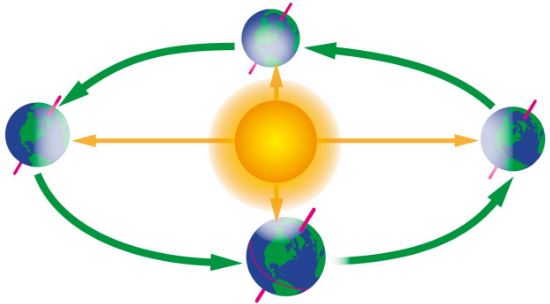
c)
4:00 PM ET
d)
5:00 PM ET
14.
If it's 11:00 AM MT in Salt Lake City, Utah, what time is it in Anchorage, Alaska?
a)
8:00 AM AKDT
b)
9:00 AM AKDT
c)
10:00 AM AKDT
d)
11:00 AM AKDT
15.
If it's 6:00 PM MT in Boise, Idaho, what time is it in Charleston, South Carolina?
a)
3:00 PM ET
b)
4:00 PM ET
c)
5:00 PM ET
d)
6:00 PM ET
16.
If it's 12:00 PM PT in Los Angeles, California, what time is it in Denver, Colorado?
a)
1:00 PM MT
b)
2:00 PM MT
c)
3:00 PM MT
d)
4:00 PM MT
17.
If it's 10:00 AM PT in Phoenix, Arizona, what time is it in Kansas City, Missouri?
a)
11:00 AM CT
b)
12:00 PM CT
c)
1:00 PM CT
d)
2:00 PM CT
18.
If it's 4:00 PM PT in San Diego, California, what time is it in El Paso, Texas?
a)
2:00 PM MT
b)
3:00 PM MT
c)
4:00 PM MT
d)
5:00 PM MT
19.
If it's 11:00 AM PT in San Francisco, California, what time is it in Albuquerque, New Mexico?
a)
10:00 AM MT
b)
11:00 AM MT
c)
12:00 PM MT
d)
1:00 PM MT
20.
If it's 9:00 AM PT in Portland, Oregon, what time is it in Minneapolis, Minnesota?
a)
10:00 AM CT
b)
11:00 AM CT
c)
12:00 PM CT
d)
1:00 PM CT
21.
If it's 6:00 AM AKDT in Anchorage, Alaska, what time is it in Chicago, Illinois?
a)
8:00 AM CT
b)
9:00 AM CT
c)
10:00 AM CT
d)
11:00 AM CT
22.
If it's 11:00 AM AKDT in Anchorage, Alaska, what time is it in Memphis, Tennessee?
a)
1:00 PM CT
b)
2:00 PM CT
c)
3:00 PM CT
d)
4:00 PM CT
23.
If it's 7:00 AM AKDT in Anchorage, Alaska, what time is it in Salt Lake City, Utah?
a)
5:00 AM MT
b)
6:00 AM MT
c)
7:00 AM MT
d)
8:00 AM MT
24.
If it's 11:00 PM AKDT in Anchorage, Alaska, what time is it in Miami, Florida?
a)
7:00 AM ET
b)
8:00 AM ET
c)
9:00 AM ET
d)
10:00 AM ET
25.
If it's 8:00 AM AKDT in Anchorage, Alaska, what time is it in Austin, Texas?
a)
6:00 AM CT
b)
7:00 AM CT
c)
8:00 AM CT
d)
9:00 AM CT
26.
If it's 11:00 PM HAT in Honolulu, Hawaii, what time is it in New York City, New York?
a)
5:00 AM ET
b)
6:00 AM ET
c)
7:00 AM ET
d)
8:00 AM ET
27.
If it's 5:00 PM HAT in Honolulu, Hawaii, what time is it in Anchorage, Alaska?
a)
3:00 AM AKDT
b)
4:00 AM AKDT
c)
5:00 AM AKDT
d)
6:00 AM AKDT
28.
If it's 12:00 PM in New York City, what time is it in London, England?
a)
5:00 PM
b)
6:00 PM
c)
7:00 PM
d)
8:00 PM
29.
If it's 3:00 PM in Tokyo, Japan, what time is it in Los Angeles, California?
a)
6:00 AM
b)
7:00 AM
c)
8:00 AM
d)
9:00 AM
30.
If it's 8:00 AM in Beijing, China, what time is it in Sydney, Australia?
a)
5:00 PM
b)
6:00 PM
c)
7:00 PM
d)
8:00 PM
31.
If it's 5:00 PM in Rio de Janeiro, Brazil, what time is it in Paris, France?
a)
8:00 PM
b)
9:00 PM
c)
10:00 PM
d)
11:00 PM
32.
If it's 11:00 AM in Moscow, Russia, what time is it in New Delhi, India?
a)
1:00 PM
b)
2:00 PM
c)
3:00 PM
d)
4:00 PM
33.
If it's 2:00 PM in Cairo, Egypt, what time is it in Mexico City, Mexico?
a)
7:00 AM
b)
8:00 AM
c)
09:00 am
d)
10:00 AM
34.
If it's 9:00 AM in Johannesburg, South Africa, what time is it in Berlin, Germany?
a)
10:00 AM
b)
11:00 AM
c)
12:00 AM
d)
1:00 PM
35.
If it's 6:00 PM in Buenos Aires, Argentina, what time is it in Rome, Italy?
a)
8:00 PM
b)
9:00 PM
c)
10;00 PM
d)
11;00 PM
36.
If it's 1:00 PM in Seoul, South Korea, what time is it in Vancouver, Canada?
a)
8:00 PM
b)
9:00 pm
c)
10:00 PM
d)
11:00 PM
37.
If it's 4:00 PM in Mumbai, India, what time is it in Madrid, Spain?
a)
3:00 PM
b)
4:00 PM
c)
5:00 PM
d)
6:00 PM
38.
If it's 7:00 AM in Jakarta, Indonesia, what time is it in Toronto, Canada?
a)
6:00 PM
b)
7:00 PM
c)
8:00 PM
d)
9:00 PM
39.
If it's 10:00 AM in Nairobi, Kenya, what time is it in New York City, New York?
a)
03:00 AM
b)
04:00 AM
c)
05:00 AM
d)
06:00 AM
40.
If it's 2:00 PM in Istanbul, Turkey, what time is it in Los Angeles, California?
a)
05:00 AM
b)
06:00 AM
c)
07:00 AM
d)
08:00 AM
41.
If it's 5:00 PM in Bangkok, Thailand, what time is it in London, England?
a)
10:00 AM
b)
11:00 AM
c)
12:00 PM
d)
1:00 PM
42.
If it's 8:00 AM in Dubai, United Arab Emirates, what time is it in New Delhi, India?
a)
10:00 AM
b)
11:00 AM
c)
12:00 PM
d)
1:00 PM
43.
If it's 11:00 AM in Cape Town, South Africa, what time is it in Rome, Italy?
a)
1:00 PM
b)
2:00 PM
c)
3:00 PM
d)
4:00 PM
44.
If it's 2:00 PM in Moscow, Russia, what time is it in Mexico City, Mexico?
a)
07:00 AM
b)
08:00 AM
c)
09:00 AM
d)
10:00 AM
45.
If it's 5:00 PM in Rio de Janeiro, Brazil, what time is it in Berlin, Germany?
a)
8:00 PM
b)
9:00 PM
c)
10:00 PM
d)
11:00 PM
46.
If it's 8:00 AM in Beijing, China, what time is it in Vancouver, Canada?
a)
6:00 PM
b)
7:00 PM
c)
8:00 PM
d)
9:00 PM
47.
If it's 11:00 AM in Nairobi, Kenya, what time is it in London, England?
a)
06:00 AM
b)
07:00 AM
c)
08:00 AM
d)
09:00 AM
48.
If it's 2:00 PM in Istanbul, Turkey, what time is it in New York City, New York?
a)
07:00 AM
b)
08:00 AM
c)
09:00 AM
d)
10:00 PM
49.
If it's 5:00 PM in Bangkok, Thailand, what time is it in Los Angeles, California?
a)
06:00 AM
b)
07:00 AM
c)
08:00 AM
d)
09:00 AM
50.
If it's 8:00 AM in Dubai, United Arab Emirates, what time is it in New York City, New York?
a)
03:00 AM
b)
04:00 AM
c)
05:00 AM
d)
06:00 AM
51.
If it's 11:00 AM in Cape Town, South Africa, what time is it in London, England?
a)
1:00 PM
b)
2:00 PM
c)
3:00 PM
d)
4:00 PM
52.
If it's 2:00 PM in Moscow, Russia, what time is it in Los Angeles, California?
a)
05:00 AM
b)
06:00 AM
c)
07:00 AM
d)
08:00 AM
53.
If it's 5:00 PM in Rio de Janeiro, Brazil, what time is it in Berlin, Germany?
a)
8:00 PM
b)
9:00 PM
c)
10:00 PM
d)
10:00 PM
54.
If it's 8:00 AM in Beijing, China, what time is it in Vancouver, Canada?
a)
6:00 pm
b)
7:00 PM
c)
8:00 PM
d)
9:00 PM
55.
If it's 11:00 AM in Nairobi, Kenya, what time is it in London, England?
a)
06:00 AM
b)
07:00 AM
c)
08:00 AM
d)
09:00 AM
56.
If it's 2:00 PM in Istanbul, Turkey, what time is it in New York City, New York?
a)
07:00 AM
b)
08:00 AM
c)
09:00 AM
d)
10:00 AM
57.
If it's 5:00 PM in Bangkok, Thailand, what time is it in Los Angeles, California?
a)
06:00 AM
b)
07:00 AM
c)
08:00 AM
d)
09:00 AM
58.
If it's 2:00 PM ET in New York City, what time is it in Chicago, Illinois?
a)
1:00 PM CT
b)
2:00 PM CT
c)
3:00 PM CT
d)
4:00 PM CT
59.
If it's 3:00 PM ET in Miami, Florida, what time is it in Seattle, Washington?
a)
12:00 PM PT
b)
1:00 PM PT
c)
2:00 PM PT
d)
3:00 PM PT
60.
If it's 4:00 PM ET in Boston, Massachusetts, what time is it in Salt Lake City, Utah?
a)
2:00 PM MT
b)
3:00 PM MT
c)
4:00 PM MT
d)
5:00 PM MT
61.
If it's 5:00 PM ET in Detroit, Michigan, what time is it in Tucson, Arizona?
a)
2:00 PM MT
b)
3:00 PM MT
c)
4:00 PM MT
d)
5:00 PM MT
62.
If it's 6:00 PM ET in Washington, D.C., what time is it in San Diego, California?
a)
3:00 PM PT
b)
4:00 PM PT
c)
5:00 PM PT
d)
6:00 PM PT
63.
If it's 11:00 AM CT in Chicago, Illinois, what time is it in Denver, Colorado?
a)
10:00 AM MT
b)
11:00 AM MT
c)
12:00 PM MT
d)
1:00 PM MT
64.
If it's 12:00 PM CT in Dallas, Texas, what time is it in Phoenix, Arizona?
a)
10:00 AM MT
b)
11:00 AM MT
c)
12:00 PM MT
d)
1:00 PM MT
65.
If it's 1:00 PM CT in Memphis, Tennessee, what time is it in Anchorage, Alaska?
a)
10:00 AM AKDT
b)
11:00 AM AKDT
c)
12:00 PM AKDT
d)
1:00 PM AKDT
66.
If it's 11:00 AM CT in St. Louis, Missouri, what time is it in Las Vegas, Nevada?
a)
9:00 AM PT
b)
10:00 AM PT
c)
11:00 AM PT
d)
12:00 PM PT
67.
If it's 10:00 AM CT in Omaha, Nebraska, what time is it in Las Vegas, Nevada?
a)
8:00 AM PT
b)
9:00 AM PT
c)
10:00 AM PT
d)
11:00 AM PT
68.
If it's 12:00 PM MT in Denver, Colorado, what time is it in Albuquerque, New Mexico?
a)
10:00 AM MT
b)
11:00 AM MT
c)
12:00 PM MT
d)
1:00 PM MT
69.
If it's 10:00 AM MT in Salt Lake City, Utah, what time is it in Tampa, Florida?
a)
1:00 PM ET
b)
2:00 PM ET
c)
3:00 PM ET
d)
4:00 PM ET
70.
If it's 2:00 PM MT in Denver, Colorado, what time is it in Cleveland, Ohio?
a)
2:00 PM ET
b)
3:00 PM ET
c)
4:00 PM ET
d)
5:00 PM ET
71.
If it's 10:00 AM MT in Salt Lake City, Utah, what time is it in Anchorage, Alaska?
a)
7:00 AM AKDT
b)
8:00 AM AKDT
c)
9:00 AM AKDT
d)
10:00 AM AKDT
72.
If it's 5:00 PM MT in Boise, Idaho, what time is it in Charleston, South Carolina?
a)
3:00 PM ET
b)
4:00 PM ET
c)
5:00 PM ET
d)
6:00 PM ET
73.
If it's 11:00 AM PT in Los Angeles, California, what time is it in Denver, Colorado?
a)
1:00 PM MT
b)
2:00 PM MT
c)
3:00 PM MT
d)
4:00 PM MT
74.
If it's 9:00 AM PT in Phoenix, Arizona, what time is it in Kansas City, Missouri?
a)
11:00 AM CT
b)
12:00 PM CT
c)
1:00 PM CT
d)
2:00 PM CT
75.
If it's 3:00 PM PT in San Diego, California, what time is it in El Paso, Texas?
a)
1:00 PM MT
b)
2:00 PM MT
c)
3:00 PM MT
d)
4:00 PM MT
76.
If it's 10:00 AM PT in San Francisco, California, what time is it in Albuquerque, New Mexico?
a)
11:00 AM MT
b)
12:00 PM MT
c)
1:00 PM MT
d)
2:00 PM MT
77.
If it's 8:00 AM PT in Portland, Oregon, what time is it in Minneapolis, Minnesota?
a)
10:00 AM CT
b)
11:00 AM CT
c)
12:00 PM CT
d)
1:00 PM CT
78.
If it's 5:00 AM AKDT in Anchorage, Alaska, what time is it in Chicago, Illinois?
a)
8:00 AM CT
b)
9:00 AM CT
c)
10:00 AM CT
d)
11:00 AM CT
79.
If it's 10:00 AM AKDT in Anchorage, Alaska, what time is it in Memphis, Tennessee?
a)
1:00 PM CT
b)
2:00 PM CT
c)
3:00 PM CT
d)
4:00 PM CT
80.
If it's 6:00 AM AKDT in Anchorage, Alaska, what time is it in Salt Lake City, Utah?
a)
4:00 AM MT
b)
5:00 AM MT
c)
6:00 AM MT
d)
7:00 AM MT
81.
If it's 10:00 PM AKDT in Anchorage, Alaska, what time is it in Miami, Florida?
a)
6:00 AM ET
b)
7:00 AM ET
c)
8:00 AM ET
d)
9:00 AM ET
82.
If it's 7:00 AM AKDT in Anchorage, Alaska, what time is it in Austin, Texas?
a)
5:00 AM CT
b)
6:00 AM CT
c)
7:00 AM CT
d)
8:00 AM CT
83.
If it's 10:00 PM HAT in Honolulu, Hawaii, what time is it in New York City, New York?
a)
4:00 AM ET
b)
5:00 AM ET
c)
6:00 AM ET
d)
7:00 AM ET
84.
If it's 4:00 PM HAT in Honolulu, Hawaii, what time is it in Anchorage, Alaska?
a)
2:00 AM AKDT
b)
3:00 AM AKDT
c)
4:00 AM AKDT
d)
5:00 AM AKDT
85.
If it's 2:00 PM HAT in Honolulu, Hawaii, what time is it in Seattle, Washington?
a)
12:00 PM PT
b)
1:00 PM PT
c)
2:00 PM PT
d)
3:00 PM PT
86.

If it's 10:00 AM in Sydney, Australia, what time is it in New Delhi, India?

a)

4:30 AM

b)

5:30 AM

c)

6:30 AM

d)

7:30 AM

87.

If it's 3:00 PM in Paris, France, what time is it in Moscow, Russia?

a)

4:00 PM

b)

5:00 PM

c)

6:00 PM

d)

7:00 PM

88.

If it's 8:00 AM in Cairo, Egypt, what time is it in Beijing, China?

a)

1:00 PM

b)

2:00 PM

c)

3:00 PM

d)

4:00 PM

89.

As you move East to West across time zones, time is getting _______.

a)

earlier

b)

later

90.

If it is 2:00pm in Colorado (Mountain Time Zone), what time is it in Nebraska (Central Time Zone)?

a)

3:00pm

b)

7:00am

c)

5:00pm

d)

1:00pm

91.

True or False: It is the same time everywhere in the world right now.

a)
True
b)
False
92.

An area where all clocks are set to the same time is called a ___. 

a)
time segment
b)
time zone
c)
time interval
d)
time zone boundary
93.

As you travel from East to West, the time...

a)

decreases by one hour

b)

increases by one hour

c)

stays the same

94.

The number of standard time zones in the world.

(a)  

95.

Standard time zones are separated by (a)   degrees of longitude.

96.

Where does each new day begin?

a)

the Prime Meridian

b)

the Equator

c)

Greenwich, England

d)

the International Date Line

97.

Which of the following statements are true? Check ALL that apply.

a)

The Prime Meridian is opposite the International Date Line

b)

The International Date Line is located at 180° longitude.

c)

Countries can determine what time zone they are in or determine their own time zone.

d)

All areas are divided into time zones by a straight line of longitude.

98.

When it is 8 am in Austin, Texas, what is the local time in Chicago, Illinois?

a)

7 am

b)

8 am

c)

9 am

d)

None of these

99.

When it is 6 am in Seattle, Washington, what is the local time in Denver, Colorado?

a)

7 am

b)

8 am

c)

9 am

d)

None of these

100.

When it is 11 am in Seattle, Washington, what is the local time in Atlanta, Georgia?

a)

12 pm

b)

1 pm

c)

2 am

d)

2 pm

e)

None of these

101.

When it is 2 pm in Great Neck, NY, what is the local time in Anchorage, Alaska?

a)

10 am

b)

10 pm

c)

11 am

d)

11 pm

e)

None of these

102.

Imagine a five hour flight from Miami to Denver. It leaves Miami at 6 pm. What time will it ben when you land in Denver? Explain your reasoning.

4 lines
103.
How many time zones are in the U.S. altogether?
a)
4
b)
8
c)
6
d)
7
104.
As you travel from west to east, does it get later or earlier?
a)
Earlier
b)
Later
105.
What time zone would California be in?
a)
Pacific Time
b)
Mountain Time
c)
Central Time
d)
Eastern Time
106.
What time zone would Colorado be in?
a)
Pacific Time
b)
Mountain Time
c)
Central Time
d)
Eastern Time
107.
What time zone would Illinois be in?
a)
Pacific Time
b)
Mountain Time
c)
Eastern Time
d)
Central Time
108.

What does EST stand for?

a)

Eastern Standard Time

b)

Eastern Season Time

c)

Eastern Simple Time

d)

Eastern Solar Time

109.

What is the time difference between the East Coast and the West Coast of the United States?

a)

Two hours

b)

Four hours

c)

Three hours

d)

One hour

110.

Which country has only one time zone despite its large size?

a)

United States

b)

China

c)

Canada

d)

Russia

111.

Which two states have their very own time zones?

a)

Oregon and Washington

b)

New York and California

c)

Alaska and Hawaii

d)

Florida and Texas

112.

What time zone would California be in?

a)

Pacific Time

b)

Mountain Time

c)

Western Time

d)

Eastern Time

113.

Approximately how wide is each time zone, in degrees?

a)

5o

b)

10o

c)

15o

d)

20o

114.

Places that are located to the West...

a)

Are at an earlier time

b)

Are at a later time

c)

are the same time

d)

are angry about time zones

115.

The international dateline measures _____________ degrees

a)

100

b)

90

c)

180

d)

360

116.

Why is it daytime in the UK when it is night-time in Australia?

a)

On opposite sides of the planet

b)

They have different seasons

c)

Distance from the moon

117.

True or false?

Time zones are divided by imaginary lines called meridians

a)

True

b)

False

118.

As the Earth rotates on its axis, the Sun only shines on the side of the Earth that it is facing. This means:

a)

it is daytime for the parts of the Earth that have the Sun shining on them

b)

it is night-time for the parts of the Earth that have the Sun shining on them

119.

The Prime Meridian splits the world into:

a)

the North Pole and South Pole

b)

the eastern and western hemispheres

c)

Daytime and nightime

d)

Russia and USA

120.

Places that are located to the East...

a)

Are at an earlier time

b)

Are at a later time

121.
What is the name of the line at 0 degrees longitude?
a)
Equator
b)
Prime Meridian
c)
International Date Line
d)
Arctic Circle
122.
Which of the following best describes the tilt of the earth when it is summer in the southern hemisphere?
a)
The northern hemisphere is tilted toward the sun
b)
The northern hemisphere is tilted away from the sun
c)
The norther hemisphere is tilted neither toward or away from the sun
d)
Why are you talking about the northern hemisphere when you asked about the southern hemisphere?
123.
The earth is a tilted planet.  What is the degree of tilt?
a)
Approximately 25 degrees
b)
Exactly 25 degrees
c)
23.5 degrees
d)
90 degrees with respect to the sun
124.
Which of the following best describes equinoxes?
a)
The earth is tilted neither toward or away from the sun
b)
The norther hemisphere is tilted toward the sun
c)
The northern hemisphere is tilted away from the sun
d)
The southern hemisphere is tilted toward the sun
125.
Which  of the following best describes the tilt of the earth during the spring and fall equinoxes?
a)
The earth is tilted away from the sun (Northern hemisphere)
b)
The earth is tilted neither toward or away from the sun (tilt is side to side)
c)
The earth is tilted toward the sun (Northern hemisphere)
d)
The earth is not tilted during spring and fall
126.
Which of the following best describes solstice.
a)
Either the longest or shortest day of the year for a hemisphere
b)
December 21 or 22
c)
June 21 or 22
d)
All of the above
127.
What does the earth's tilt cause?
a)
The seasons
b)
Day and Night
c)
Tsunamis
d)
Earthquakes
128.
What is the shape of the earth's orbit around the sun?
a)
Circular
b)
Elliptical (slightly oval)
c)
Square to rectangular
d)
Variable and changes with the seasons (no particular shape)
129.
What effect does the tilt of the earth have?
a)
It changes the angle that the sun strikes the earth in different land areas
b)
It causes the earth to be farther away from the sun at different times of the year
c)
When the earth is tilted away from the sun we have night
d)
When the earth is tilted away from the sun we have day
130.
What season is it in the Southern Hemisphere when it is fall in the Northern Hemisphere?
a)
winter
b)
spring
c)
summer
d)
fall
131.
One rotation of Earth is equal to
a)
a day.
b)
a year.
132.
Where on Earth can you experience entire days of darkness?
a)
The equator
b)
The poles
c)
The Tropic of Cancer
d)
The Tropic of Capricorn
133.
What would seasons be like if Earth's axis were straight up and down?
a)
Seasons would be the same.
b)
Seasons would be more extreme.
c)
There would be no seasons.
134.
Australia is in the ____ hemisphere. 
a)
northern
b)
southern
135.
Object orbiting another object. 
a)
revolution 
b)
rotation
136.
Longest day of the year
a)
Autumnal Equinox
b)
Summer Solstice 
c)
Winter Solstice
d)
Vernal Equinox
137.
In winter, the axis of the earth is pointed away or toward the sun?
a)
towards
b)
up
c)
down
d)
away
138.
In summer, the axis of the earth is pointed away or toward the sun?
a)
towards
b)
up
c)
down
d)
away
139.
Why is the Equator warmest?
a)
Because it is closest to the sun.
b)
Because it receives the most direct sunlight
c)
Because no clouds form here.
d)
Because it is far from the sun
140.
Which season is taking place in the Northern Hemisphere in Position 1?
a)
Winter
b)
Spring
c)
Summer
d)
Fall
141.
Which season is taking place in the Northern Hemisphere in Position 3?
a)
Winter
b)
Spring
c)
Summer
d)
Fall
142.
If its ____ in the Northern hemisphere, then its summer in the Southern hemisphere. 
a)
spring
b)
summer
c)
fall
d)
winter
143.
What are the reasons for the season?
a)
Earth's tilt & rotation
b)
Earth's tilt & revolution
c)
Earth's rotation & size
d)
Earth's tilt & resolution
144.
The term equinox means....
a)
equal amount of day light and equal amount of night
b)
Equal amount of winter and summer
c)
Equal amounts of hot dogs for everyone
d)
The longest day of the year
145.
What happens when the area in which you live tilts away from the sun?
a)
It is summer.
b)
It is spring.
c)
It is winter.
d)
It is fall.
146.
The Earth's axis is tilted _____ degrees.
a)
23.5
b)
25.3
c)
30.2
d)
24
147.
Why does the area around the equator stay the same temperature all year?
a)
The equator rotates slower than the poles.
b)
The equator remains the same distance from the sun.
c)
The equator always receives direct sunlight.
d)
The equator has 18 hour days.
148.
One rotation of Earth is equal to
a)
a day.
b)
a year.
149.
Why do globes lean sideways?
a)
To allow them to spin easier.
b)
To demonstrate the tilt of Earth's axis.
c)
To demonstrate the effects of gravity.
d)
To demonstrate day and night.
150.
If its ____ in the Northern hemisphere, then its fall in the Southern hemisphere. 
a)
spring
b)
summer
c)
fall
d)
winter
151.
If its ____ in the Northern hemisphere, then its summer in the Southern hemisphere. 
a)
spring
b)
summer
c)
fall
d)
winter
152.
The Earth's _______ is an imaginary line that goes from the North Pole to the South Pole.
a)
vernal equinox
b)
axis
c)
solar eclipse
d)
solar flare
153.

What is the difference between rotation and revolution?

a)

Rotation is the spin of the Earth. Revolution is the orbit of the Earth around the sun.

b)

Revolution is the spin of the Earth. Rotation is the orbit of the Earth around the sun.

c)

Rotation is the spin of the Earth. Revolution is how Earth orvits around other planets.

154.

On this day, daylight and nighttime hours are nearly equal.

a)

Summer Solstice

b)

Vernal Equinox

c)

Summer Equinox

d)

Winter Solstice

155.

What season does the Northern hemisphere experince when the Southern hemisphere is receiving direct sunlight?

a)

Spring

b)

Summer

c)

Winter

d)

Fall

156.

What season is it in Position A in the Northern Hemisphere?

a)

Spring

b)

Summer

c)

Fall

d)

Winter

157.

Why does the area around the equator stay the same temperature year-round and consequently no seasons?

a)

It tilts towards the sun in summer, so has longer hours of daylight.

b)

It receives the same amount of direct sunlight year-round

c)

Its days are more than 18 hours long year-round

d)

The equator rotates slower than the poles

158.
What effect does the tilt of the earth have?
a)
It changes the angle that the sun strikes the earth in different land areas
b)
It causes the earth to be farther away from the sun at different times of the year
c)
When the earth is tilted away from the sun we have night
d)
When the earth is tilted away from the sun we have day
159.
What would seasons be like if Earth's axis were straight up and down?
a)
Seasons would be the same.
b)
Seasons would be more extreme.
c)
There would be no seasons.
160.

Which location has the greatest number of hours of daylight?

a)

A

b)

B

c)

C

d)

D

e)

E

161.

Does each hemisphere experience the same season at the same time?

a)

Yes; they are all part of Earth and so therefore are the same distance from the sun

b)

Yes; its just that the southern hemisphere's seasons are less extreme

c)

No; each hemisphere is not tilted towards/away the sun at the same time

d)

No; the sun doesn't have enough energy to be able to heat up the entire planet to the same temperature year round

162.

Mars' tilt is 25 degrees. This means it's seasons, compared to Earth are

a)

More extreme; the poles are more-directly pointed towards the sun, meaning higher temps

b)

More extreme; a greater tilt means that there are points in its orbit where Mars is closer to the sun

c)

Less extreme; a greater tilt means that the sun shines most intensely on its equator, making seasons mild

d)

Less extreme; Mars is farther away from the sun. Its tilt has nothing to do with its seasons

163.

Select 2 ways that the sun increases Earth's temperature

a)

Longer path means the sun is out longer, and more time to heat up the Earth

b)

The sun being more direct focuses more of the sun rays in one area, making the area warmer

c)

A shorter path allows the sun to rise and set quickly, forcing it to heat Earth up quickly

d)

When the Earth is tilted away from the sun, it covers more area, which spreads heat out and makes Earth warmer

164.

Match the following

a)

1 Revolution for Earth

1.

365 days

b)

1 Rotation for Earth

2.

24 hours

c)

1 Season for Earth

3.

3 months

165.

The event pictured at number 4, in the northern hemisphere, is the

a)

summer solstice

b)

winter solstice

c)

autumnal equinox

d)

vernal equinox

166.

The events labeled 1 and 3 are called

a)

solstices

b)

equinoxes

167.
In winter, the axis of the earth is pointed away or toward the sun?
a)
towards
b)
up
c)
down
d)
away
168.
In summer, the axis of the earth is pointed away or toward the sun?
a)
towards
b)
up
c)
down
d)
away
169.
Why is the Equator warmest?
a)
Because it is closest to the sun.
b)
Because it receives the most direct sunlight
c)
Because no clouds form here.
d)
Because it is far from the sun
170.
Which season is taking place in the Northern Hemisphere in Position 1?
a)
Winter
b)
Spring
c)
Summer
d)
Fall
171.
Which season is taking place in the Northern Hemisphere in Position 3?
a)
Winter
b)
Spring
c)
Summer
d)
Fall
172.
If its ____ in the Northern hemisphere, then its summer in the Southern hemisphere. 
a)
spring
b)
summer
c)
fall
d)
winter
173.
What are the reasons for the season?
a)
Earth's tilt & rotation
b)
Earth's tilt & revolution
c)
Earth's rotation & size
d)
Earth's tilt & resolution
174.
The term equinox means....
a)
equal amount of day light and equal amount of night
b)
Equal amount of winter and summer
c)
Equal amounts of hot dogs for everyone
d)
The longest day of the year
175.
What happens when the area in which you live tilts away from the sun?
a)
It is summer.
b)
It is spring.
c)
It is winter.
d)
It is fall.
176.
The Earth's axis is tilted _____ degrees.
a)
23.5
b)
25.3
c)
30.2
d)
24
177.
Why does the area around the equator stay the same temperature all year?
a)
The equator rotates slower than the poles.
b)
The equator remains the same distance from the sun.
c)
The equator always receives direct sunlight.
d)
The equator has 18 hour days.
178.
One rotation of Earth is equal to
a)
a day.
b)
a year.
179.
Why do globes lean sideways?
a)
To allow them to spin easier.
b)
To demonstrate the tilt of Earth's axis.
c)
To demonstrate the effects of gravity.
d)
To demonstrate day and night.
180.
If its ____ in the Northern hemisphere, then its fall in the Southern hemisphere. 
a)
spring
b)
summer
c)
fall
d)
winter
181.
If its ____ in the Northern hemisphere, then its summer in the Southern hemisphere. 
a)
spring
b)
summer
c)
fall
d)
winter
182.
The Earth's _______ is an imaginary line that goes from the North Pole to the South Pole.
a)
vernal equinox
b)
axis
c)
solar eclipse
d)
solar flare
183.
Longest day of the year
a)
Autumnal Equinox
b)
Summer Solstice 
c)
Winter Solstice
d)
Vernal Equinox
184.
Shortest day of the year
a)
Autumnal Equinox
b)
Summer Solstice 
c)
Winter Solstice
d)
Vernal Equinox
185.
One year is...
a)
355 days
b)
355 1/4 days
c)
365 days
d)
365 1/4 days
186.

Each of the four seasons lasts about how long?

a)

one day

b)

one week

c)

one month

d)

three months

e)

one

187.
Why is the Equator warmest?
a)
Because it is closest to the sun.
b)
Because it receives the most direct sunlight
c)
Because no clouds form here.
d)
Because it is far from the sun
188.
Which season is taking place in the Northern Hemisphere in Position 1?
a)
Winter
b)
Spring
c)
Summer
d)
Fall
189.
Which season is taking place in the Northern Hemisphere in Position 3?
a)
Winter
b)
Spring
c)
Summer
d)
Fall
190.
If its ____ in the Northern hemisphere, then its summer in the Southern hemisphere. 
a)
spring
b)
summer
c)
fall
d)
winter
191.
What happens when the area in which you live tilts away from the sun?
a)
It is summer.
b)
It is spring.
c)
It is winter.
d)
It is fall.
192.
Why does the area around the equator stay the same temperature all year?
a)
The equator rotates slower than the poles.
b)
The equator remains the same distance from the sun.
c)
The equator always receives direct sunlight.
d)
The equator has 18 hour days.
193.
The Earth's _______ is an imaginary line that goes from the North Pole to the South Pole.
a)
vernal equinox
b)
axis
c)
solar eclipse
d)
solar flare
194.
Which season, or seasons, have the shortest daylight hours?
a)
Summer
b)
Fall
c)
Winter
d)
Spring
195.
What effect does the tilt of the earth have?
a)
It changes the angle that the sun strikes the earth in different land areas
b)
It causes the earth to be farther away from the sun at different times of the year
c)
When the earth is tilted away from the sun we have night
d)
When the earth is tilted away from the sun we have day
196.
What would seasons be like if Earth's axis were straight up and down?
a)
Seasons would be the same.
b)
Seasons would be more extreme.
c)
There would be no seasons.
197.
Where on Earth can you experience entire days of darkness?
a)
The equator
b)
The poles
c)
The Tropic of Cancer
d)
The Tropic of Capricorn
198.
How long does it take the earth to revolve once around the sun?
a)
12 hours
b)
24 hours
c)
30 days
d)
365.25 days
199.
When the Northern Hemisphere learns toward the sun, daylight is - 
a)
shorter
b)
longer
c)
equal
200.
Which season has the least amount of daylight in the Northern Hemisphere?
a)
Winter
b)
Spring
c)
Summer 
d)
Fall
201.
What happens when the area in which you live tilts away from the sun?
a)
It is summer.
b)
It is spring.
c)
It is winter.
d)
It is fall.
202.
What do June 21 and December 21 have in common?
a)
equinox dates
b)
the moon is full
c)
solstice dates
d)
the cold fronts blow in
203.
What are the reasons for the season?
a)
Earth's tilt & rotation
b)
Earth's tilt & revolution
c)
Earth's rotation & rovolution
d)
Earth's tilt & resolution
204.
What does axis mean?
a)
An imaginary line about which a body rotates.
b)
EARTH
c)
50
d)
the sun.
205.

What happens to our shadow when the sun is low in the sky?

a)

It gets shorter

b)

It gets longer

c)

It is not visible if it is sunny

206.
Your shadow is the shortest at...
a)
sunrise
b)
sunset
c)
noon
d)
nighttime
207.
Takes about 24 hours to complete one
a)
rotation
b)
revolution
208.

This motion is in the counterclockwise direction and moves west to east.

a)

rotation

b)

revolution

209.
The seasons change as the Earth orbits around the sun
a)
rotation
b)
revolution
210.
Completed in one year
a)
rotation
b)
revolution
211.
Spinning of the Earth on its axis is called...
a)
rotation
b)
revolution
c)
orbit
d)
double axis
212.
The sun appears to move across the sky each day.  What causes this?
a)
the spinning of the Earth's axis
b)
The path of the sun around the Earth
c)
the production the nuclear energy around the sun
d)
the tilt of the Earth on its axis
213.

What is the reason for warm weather during the summer in the northern hemisphere?

a)

The Earth is closer to the Sun in the summer.

b)

The Northern Hemisphere is closer to the Sun in the summer.

c)

The Sun gives off more heat in the summer than in the winter.

d)

The North pole is tilted toward the Sun during the summer.

214.

Which two months have Solstices?

a)

June and December

b)

March and September

c)

March and June

d)

September and December

215.

How many degress is the Earth's axis tilted?

a)

30.2

b)

23.5

c)

25.3

d)

24

216.

What is the reason for the seasons?

a)

Earth's tilted axis and rotation

b)

Earth's rotation and size

c)

Earth's tilted axis and revolution

d)

Earth's rotation and revolution

217.

If it is Summer in the Northern Hemisphere, then it is ________ in the Southern Hemisphere.

a)

Spring

b)

Summer

c)

Fall

d)

Winter

218.

In the Northern Hemisphere, which month does Winter Solstice occur?

a)

March

b)

June

c)

September

d)

December

219.

What day of the year has the most amount of sunlight?

a)

Spring Equinox

b)

Summer Solstice

c)

Fall Equinox

d)

Winter Solstice

220.

What seasons is taking place in the Northern Hemisphere at Position A?

a)

Spring

b)

Summer

c)

Fall

d)

Winter

221.

What seasons is taking place in the Northern Hemisphere at Position B?

a)

Spring

b)

Summer

c)

Fall

d)

Winter

222.

What seasons is taking place in the Northern Hemisphere at Position C?

a)

Spring

b)

Summer

c)

Fall

d)

Winter

223.

What seasons is taking place in the Northern Hemisphere at Position D?

a)

Spring

b)

Summer

c)

Fall

d)

Winter

224.

During an equinox, there is approximately (a)   hours of daylight on Earth.

225.

When it is fall in the Northern Hemisphere, what season is it in the Southern Hemisphere?

(a)  

226.

During winter in the Northern Hemisphere, what direction does Earth's axis tilt?

a)

Toward the Sun

b)

Away from the Sun

c)

Sideways

227.

Choose all the reasons why Earth has seasons!

a)

tilted axis

b)

revolution around sun

c)

distance from sun

d)

rotation around axis

228.

When Earth rotates, it ...

a)

spins around its axis

b)

orbits the sun

c)

causes the seasons

229.

Earth completes a revolution every

a)

24 hours

b)

365 days

c)

365 1/4 days

d)

28 days

230.

When the Northern Hemisphere is pointed toward the sun ...

a)

it gets more direct sunlight

b)

it gets less direct sunlight

231.

More direct sunlight means it feels

a)

hotter

b)

colder

c)

heavier

d)

darker

232.

When one hemisphere has Spring, the other hemisphere

a)

has Winter

b)

has Spring

c)

has Fall

d)

has Summer

233.

An EQUINOX means that both hemispheres

a)

get equal amounts of sunlight

b)

get colder

c)

feel better

d)

get different amounts of sunlight

234.

True or False: the Earth's axis is tilted

a)

True

b)

False

235.

Other than the Earth's tilted axis, what else causes seasons?

a)

rotation

b)

revolution (orbit)

c)

gravity

d)

inertia

236.

True or false: When it is summer in the northern hemisphere, it is winter in the southern hemisphere

a)

True

b)

False

237.

True or false: We would still have seasons if the Earth's axis was straight

a)

True

b)

False

238.

How long does it take for the Earth to rotate on its axis?

a)

24 hours

b)

365 days

c)

365 1/4 days

d)

28 days

239.

The Earth's ROTATION causes

a)

the seasons

b)

day and night

c)

temperatures to get colder

240.

Choose the correct order of the seasons

a)

Fall, Winter, Summer, Spring

b)

Summer, Winter, Fall, Spring

c)

Winter, Spring, Summer, Fall

d)

Fall, Spring, Winter, Summer

241.

In Winter, we experience

a)

less direct sunlight

b)

more direct sunlight

c)

equal amounts of sunlight

242.

In Summer, we experience

a)

more direct sunlight

b)

less direct sunlight

c)

equal amounts of sunlight

243.

Does the Earth's axis move as it orbits the Sun?

a)

yes

b)

no

244.
The Earth's axis is tilted _____ degrees.
a)
23.5
b)
25.3
c)
30.2
d)
24
245.
At position A, which hemisphere would have summer?
a)
Northern hemisphere
b)
Southern hemisphere
246.
What happens when the area in which you live tilts away from the sun?
a)
It is summer.
b)
It is spring.
c)
It is winter.
d)
It is fall.
247.
The term equinox means....
a)
equal amount of day light and equal amount of night
b)
Equal amount of winter and summer
c)
Equal amounts of hot dogs for everyone
d)
The longest day of the year
248.
What do June 21 and December 21 have in common?
a)
equinox dates
b)
the moon is full
c)
solstice dates
d)
the cold fronts blow in
249.
What is the longest day of the year?
a)
winter solstice
b)
summer solstice
c)
fall equinox
d)
spring equinox
250.

Why do we experience the changing of the season on the earth?

a)

distance from the sun

b)

rotation of the earth

c)

change in solar output

d)

tilt of the earth's axis

251.
Why is the Equator warmest?
a)
Because it is closest to the sun.
b)
Because it receives the most direct sunlight
c)
Because no clouds form here.
d)
Because it is far from the sun
252.

In spring, is the axis of the earth pointed away or toward the sun?

a)

towards

b)

Neither away or toward

c)

away

253.
Which season is taking place in the Southern Hemisphere in Position 1?
a)
Winter
b)
Spring
c)
Summer
d)
Fall
254.
Which season is taking place in the Northern Hemisphere in Position 1?
a)
Winter
b)
Spring
c)
Summer
d)
Fall
255.
Which season is taking place in the Northern Hemisphere in Position 2?
a)
Winter
b)
Spring
c)
Summer
d)
Fall
256.
Which season is taking place in the Northern Hemisphere in Position 3?
a)
Winter
b)
Spring
c)
Summer
d)
Fall
257.
Which season is taking place in the Northern Hemisphere in Position 4?
a)
Winter
b)
Spring
c)
Summer
d)
Fall
258.

The hemisphere where you live:

a)

equator

b)

southern

c)

northern

d)

eastern

259.

Which statement is correct regarding the amount of daylight hours in different seasons?

a)

More hour of light during spring, less in fall

b)

More hours of light during summer, less in winter

c)

None of the seasons have equal daylight/darkness hours

d)

All seasons have an equal amount of daylight

260.
What causes there to be longer number of hours of light during the summer
a)
Earth tilt's away from the sun in summer
b)
Earth's revolves slower in summer
c)
Earth tilts toward the sun in summer
d)
Earth is closer to the sun
261.

In winter, is the axis of the earth pointed away from or toward the sun?

a)

towards

b)

up

c)

down

d)

away

262.

Why is it warmer in the summer?

a)

Closer to the sun

b)

More direct light because of Earth's tilt

c)

Diffused light from the sun

d)

Earth spins slower

263.
Where is the equator?  
a)
at the North Pole
b)
halfway between the North and South Poles
c)
at the South Pole
d)
in the Western hemisphere