
 Worksheets
MOCK TEST
Total questions: 53
Worksheet time: 27mins
Name
Class
Date
1.
1. It is an essential method in solving problems.
a)
Trial and error
b)
Experimenting
c)
Solving problem
d)
Puzzle
2.
2. Gathering information about objects or phenomena using the senses.
a)
inferring
b)
measuring
c)
observing
d)
classifying
3.
3. Projecting events based on a pattern of evidence.
a)
measuring
b)
predicting
c)
classifying
d)
communicating
4.
4. Which of the following is an example of a qualitative observation?
a)
The temperature of the water is 30°C
b)
The plant has green leaves and a strong smell
c)
The car travels at 60 kilometers per hour
d)
The jar contains 100 grams of sand
5.
5. What is the first step in conducting a scientific experiment?
a)
Drawing conclusions
b)
Performing the experiment
c)
Making observations and asking a question
d)
Analyzing the data
6.
6. Once a question has been stated, a possible answer to the question may be formulated.
a)
Observing
b)
Hypothesis
c)
experiment
d)
variables
7.
7. It employs the scientific method to find answers to a problem.
a)
Science Investigatory Project
b)
Science Investigatory Property
c)
Science Investigation Project
d)
Science Investigation Property
8.
8. What is the correct order of steps in the scientific method?
a)
formulate a hypothesis, test the hypothesis, analyze the result, ask questions, draw a conclusion
b)
ask a questions, formulate a hypothesis, test the hypothesis, analyze the results, draw a conclusion
c)
ask questions, formulate a hypothesis, analyze the results, draw a conclusion, test the hypothesis
d)
ask questions, analyze the results, formulate a hypothesis, draw a conclusion, test the hypothesis
9.
9. When deciding whether or not the data support the original hypothesis, you are _______.
a)
asking questions
b)
drawing conclusion
c)
formulating a hypothesis
d)
making observations
10.
10. Which of the following is incorrect about a hypothesis?
a)
It is testable
b)
It is an if/then statement
c)
It is a prediction to the question
d)
It is a restatement of the problem
11.
11. The International System of Units, universally abbreviated SI is from the French word means______.
a)
Le System International d' Unites
b)
Le System national d' Unites
c)
Le System International
d)
Le International d' Unites
12.
12. What is a conversion factor?
a)
A number used to multiply units to change them into different units
b)
A formula to add units together
c)
A tool used only in temperature conversions
d)
A constant that does not change between systems of measurement
13.
13. Symbol for base quantity of length
a)
m
b)
mol
c)
kg
d)
A
14.
14. Can be measured and manipulated using mathematical operation.
a)
Qualitative data
b)
Quantitative data
c)
Qualitative
d)
Quantitative
15.
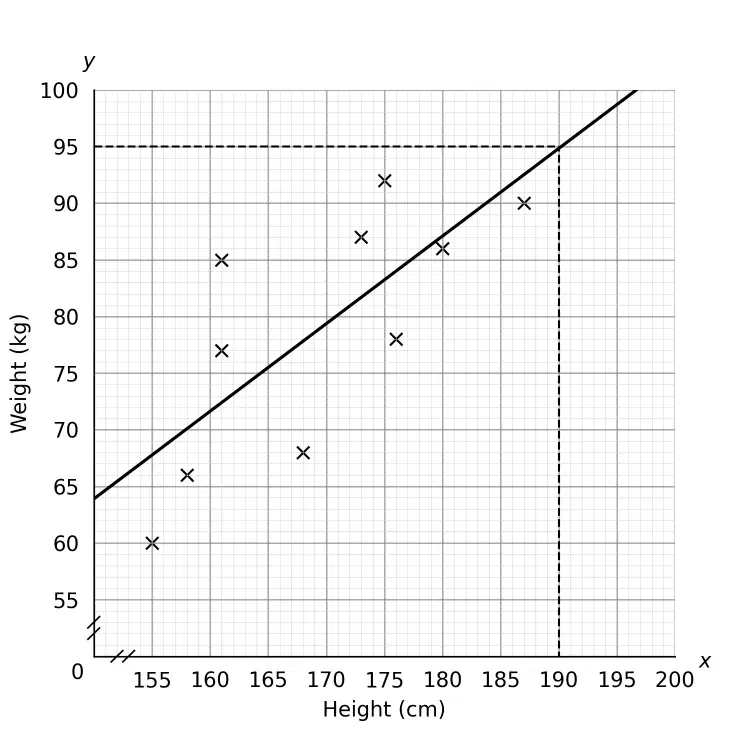
15. What type of graphs is the picture below?
a)
Line graph
b)
Scatter graph
c)
Graph
d)
Bar Graph
16.

16. What type of Graph is the illustration show below
a)
Line graph
b)
Scatter graph
c)
Graph
d)
Pie graph
17.
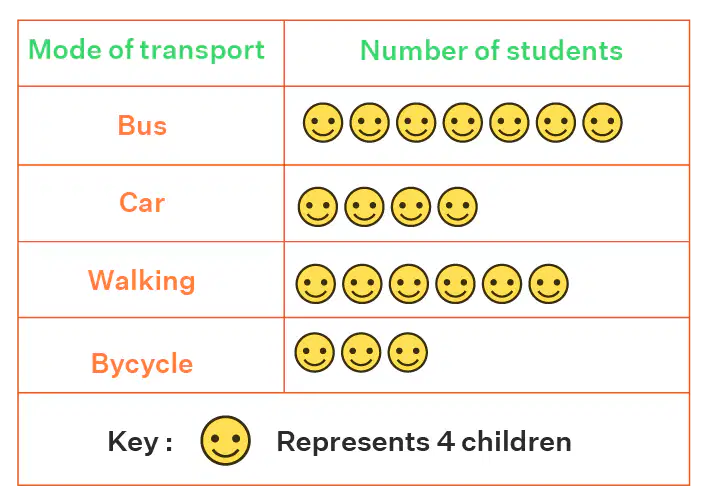
17. What type of graph is the picture below?
a)
Bar graph
b)
Pie graph
c)
Pictograph
d)
Line graph
18.
18. It consists of two or more components that are physically combined in variable proportion.
a)
mixtures
b)
heterogeneous mixture
c)
homogeneous mixture
d)
pure substances
19.
19. Sand in water
(a)
20.
20. Salad
(a)
21.
21. Coffee
(a)
22.
22. Apple Juice
(a)
23.
23. A techniques that involves spinning a container with a mixture in circles at high speed.
a)
Centrifugation
b)
Evaporation
c)
Distillation
d)
Filtration
24.
24. Method of separating the components of homogeneous mixtures with one or more dissolved solids
a)
Filtration
b)
Evaporation
c)
Distillation
d)
Paper Chromatography
25.
25. This technique is used to isolate a compound from a mixture
a)
Filtration
b)
Physical separation
c)
Extraction
d)
Paper chromatography
26.
26. What separation technique is used for muddy water?
a)
Filtration
b)
Evaporation
c)
Distillation
d)
Paper chromatography
27.
27. What separation technique used for dry garbage?
a)
Filtration
b)
Extraction
c)
Physical separation
d)
Decantation
28.
28. What is a saturated solution?
a)
A solution that contains more solute than it can normally hold at a given temperature
b)
A solution that can dissolve more solute at a given temperature
c)
solution that cannot dissolve any more solute at a given temperature
d)
A solution that contains no solute
29.
29. Which of the following is an example of a supersaturated solution?
a)
Saltwater that has no visible salt crystals
b)
A soda that releases bubbles when opened
c)
Sugar dissolved in hot water, with excess sugar forming crystals upon cooling
d)
Pure water with no solutes
30.
30. Which of the following best describes an unsaturated solution?
a)
A solution where no more solute can be dissolved at a specific temperature
b)
A solution that contains less solute than it can dissolve at a specific temperature
c)
A solution that has more solute than the solvent can hold
d)
A solution that is at equilibrium with both dissolved and undissolved solute
31.
31. Candy is what type of solution?
a)
Saturated
b)
unsaturated
c)
Supersaturated
d)
none of the above
32.
32. What happens to an unsaturated solution if more solute is added?
a)
The solution becomes supersaturated
b)
The solute will precipitate out of the solution
c)
The solute will dissolve until the solution becomes saturated
d)
The solution will remain the same
33.
33. What type of pure substance is the Carbon?
a)
Element
b)
compound
c)
mixture
d)
none of the above
34.
34. Ductile and malleable
a)
metals
b)
nonmetals
c)
colloids
d)
all of the above
35.
35. Poor conductor of heat and electricity
a)
metals
b)
nonmetals
c)
colloids
d)
all of the above
36.
36. The line which divides metals from nonmetals
a)
Metalloids
b)
Sanderson line
c)
Anderson line
d)
Colloids
37.
37. Type of compound that react to metals
a)
Acid
b)
Base
c)
Salt
38.
38. Hydrochloric acid
a)
Acid
b)
Base
c)
Salt
39.
39. Sodium hydroxide
a)
Acid
b)
Base
c)
Salt
40.
40. Nitric acid
a)
Acid
b)
Base
c)
Salt
41.
41. Limewater
a)
Acid
b)
Base
c)
Salt
42.
42. Lemon, orange, and lime
a)
Acid
b)
Base
c)
Salt
43.
43. What is the pH value of gastric juice?
a)
1
b)
2
c)
3
d)
4
44.
44. pH value of black coffee
a)
4
b)
5
c)
6
d)
7
45.
45. pH value of pure water
a)
7
b)
8
c)
9
d)
10
46.
46. pH value of soapy water
a)
10
b)
11
c)
12
d)
13
47.
47. pH value of vinegar
a)
2
b)
3
c)
4
d)
5
48.
48. All are parts of animal cell EXCEPT
a)
nuclear membrane
b)
cell membrane
c)
cell wall
d)
cytoplasm
49.
49. Organelle that is found ONLY in plant cell
a)
cell membrane
b)
nucleus
c)
chloroplast
d)
ribosomes
50.
50. All organelles given below is bacterial cell EXCEPT
a)
Pili
b)
flagellum
c)
nucleoid
d)
vacuole
51.
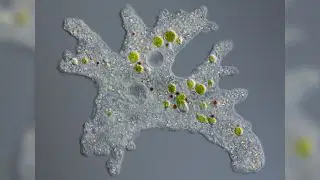
51. What type of Animal like protists is the given below?
a)
Amoeba
b)
Paramecium
c)
Trypanosome
d)
Sporozoan
52.

52. What type of Plant like protists is the given below?
a)
amoeba
b)
euglena
c)
diatom
d)
dinoflagellate
53.
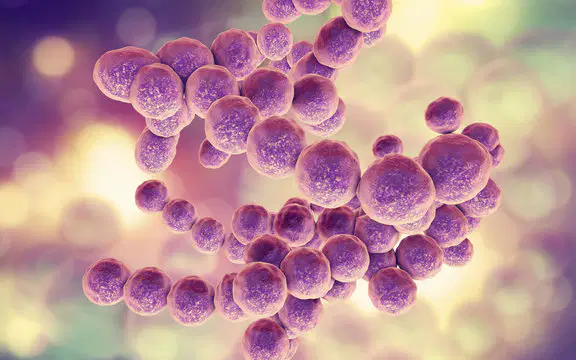
53. What kind of Bacteria is the given below?
a)
spirillum
b)
coccus
c)
bacillus
d)
fungi
100 %

