
 Worksheets
Food Ad Design
Total questions: 26
Worksheet time: 18mins
Key components of a powerful food ad are visual appeal, brand awareness, message delivery to a target audience and......
storytelling
showing many food options

Which Ad Marketing technique is the following advertisement using?
Health or Nutrient Claim
Slogans, Catchphrases, Jingle
Connection to Pop Culture
Promotions or Rewards

Which Ad Marketing technique is the following advertisement using?
Health or Nutrient Claim
Slogans, Catchphrases, Jingle
Connection to Pop Culture
Promotions or Rewards

Which Ad Marketing technique is the following advertisement using?
Health or Nutrient Claim
Slogans, Catchphrases, Jingle
Connection to Pop Culture
Promotions or Rewards

Which Ad Marketing technique is the following advertisement using?
Health or Nutrient Claim
Slogans, Catchphrases, Jingle
Connection to Pop Culture
Promotions or Rewards

What can increase visual appeal and impact the consumer's perception of the food/brand?
(a)

Rice Krispies slogan is...

Lay's slogan is...
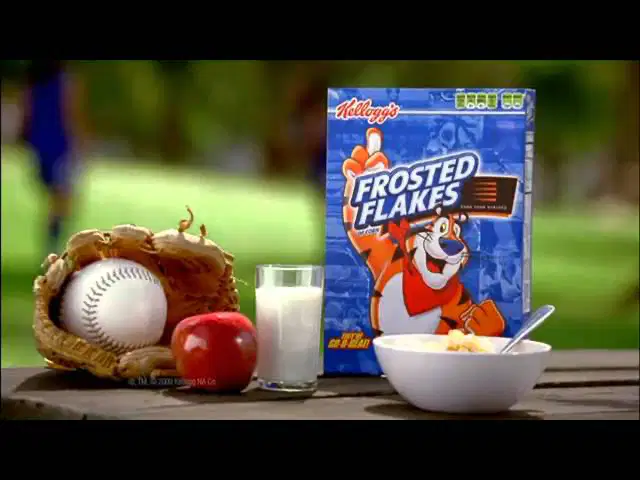
Frosted Flakes slogan is...

This food ad uses the visual food effect of (a)

This food ad images uses the visual food effect of (a)
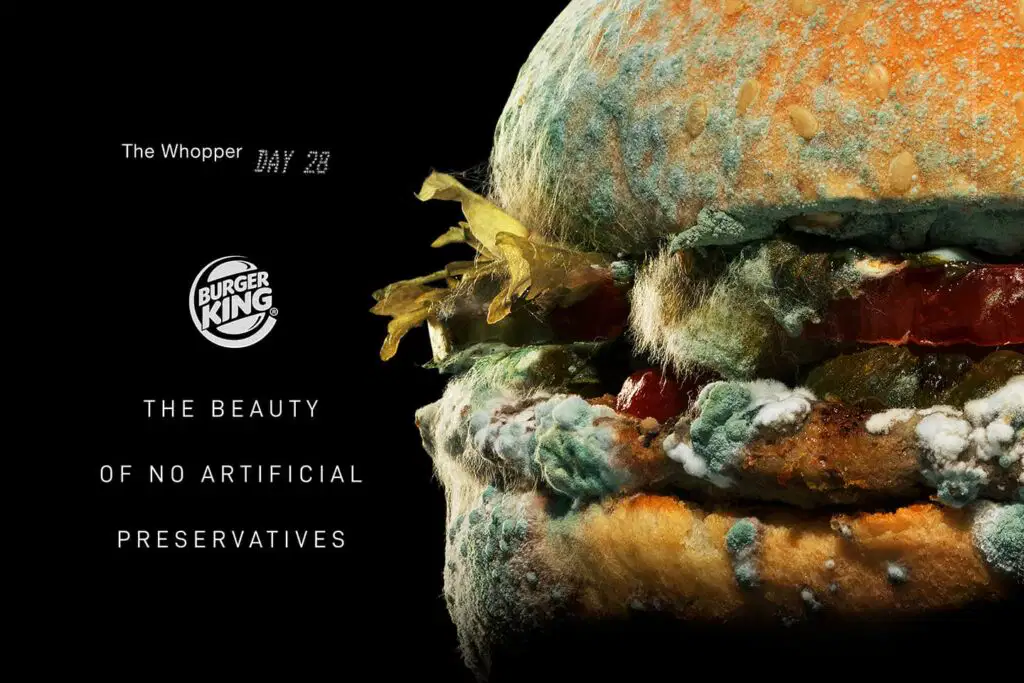
Visual Hierarchy is an important Design Principle because it captures the viewers attention and guides them through the rest of the design.
What captures the viewers attention in this ad?
Company Logo
"The Whopper Day 28"
"The Beauty of no Artificial Preservatives."
Burger Image

Which line of text has a stronger visual Hierarchy?

What are 2 ways to create strong visual Hierarchy in a food ad?
Use contrasting colors for key elements and Vary sizes of text/ images to emphasize important information.
Place a lot of text and images, filling up the entire page.

We can create strong visual Hierarchy in a food ad by utilizing the empty space in the background. This creates focus on the main subject- which is the food. The design word for empty space/background is…
(a)

Copyright laws in design protect creative original works from unauthorized use and copying. The attached copyright licenses mean that a creative work…
Can be used, modified and altered.
Forbid modifying the image.
Can be used for commercial use.
Author does not need to be named when sharing.
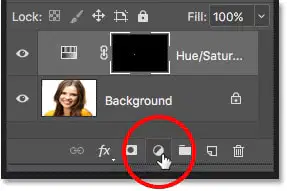
Adjustment Layer in Photoshop is a non-destructive way to edit the photo’s …
Color
Tone
Background Effects
Color and Tone
Non-Destructive editing in Photoshop means…
You are making changes to the original image and cannot go back.
You can make changes to an image without overwriting the original image.
You make permanent changes to the original image.
You don’t make any changes or edits to the image.
Brightness/Contrast, Exposure, Levels and Curves are examples of…
Color Adjustments
Filters
Tonal Adjustments
Visual Effects
Hue/Saturation, Vibrance, Color Balance, and Selective Color are examples of…
Color Adjustments
Filters
Tonal Adjustments
Visual Effects
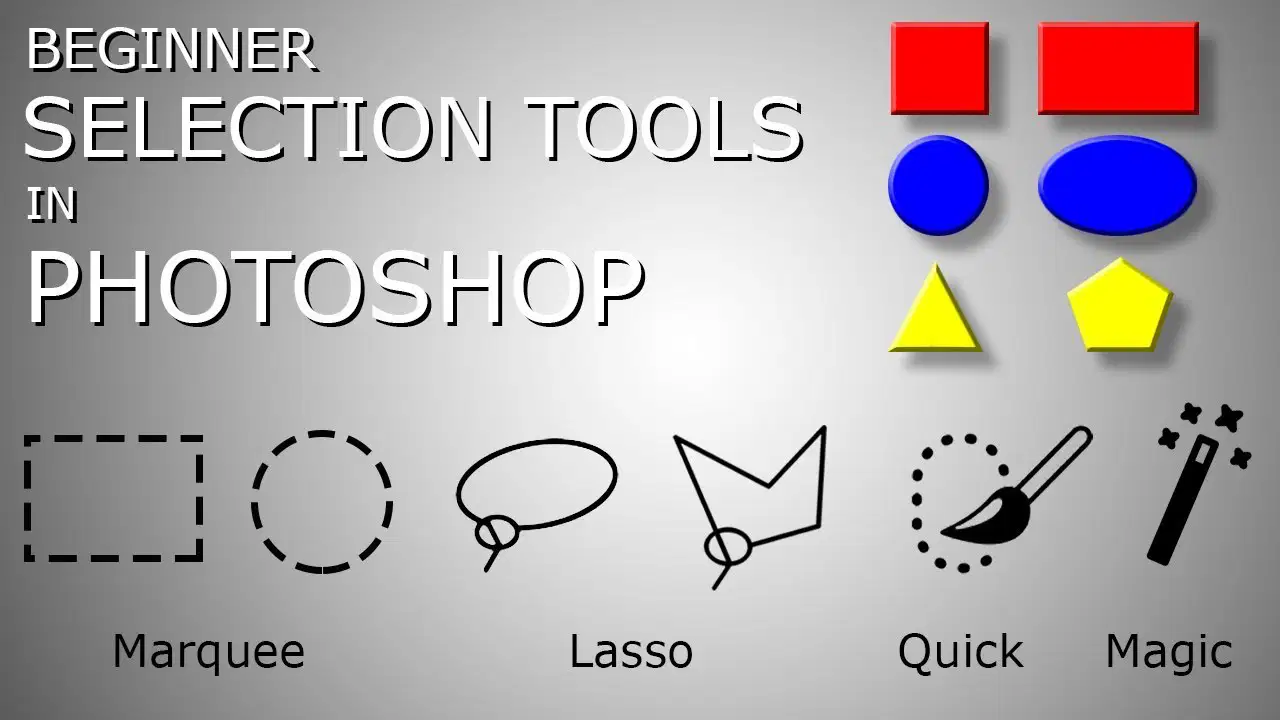
Selection Tools in Photoshop allow you to…
Change only the background of an image.
Edit, move or apply effects to an entire image.
Choose an portion of an image to edit, move or apply effects without affecting the rest of the image.
Add new filters and subjects to an image.
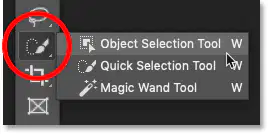
Object Selection Tool is best for….
Selecting basic geometric shapes.
Selecting outlines of subjects like people and animals.
Selecting irregular shapes.
Selecting areas with similar color.
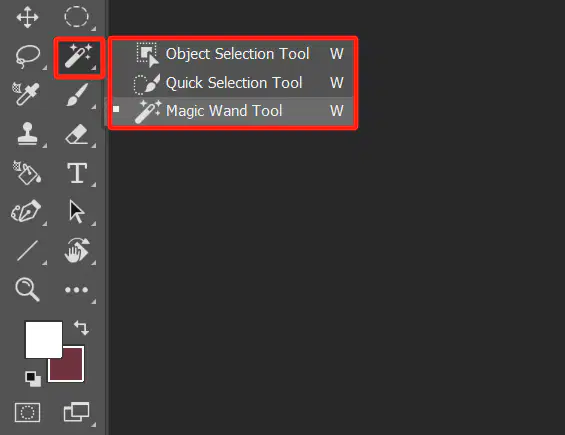
The Magic Wand Tool is best for selecting....
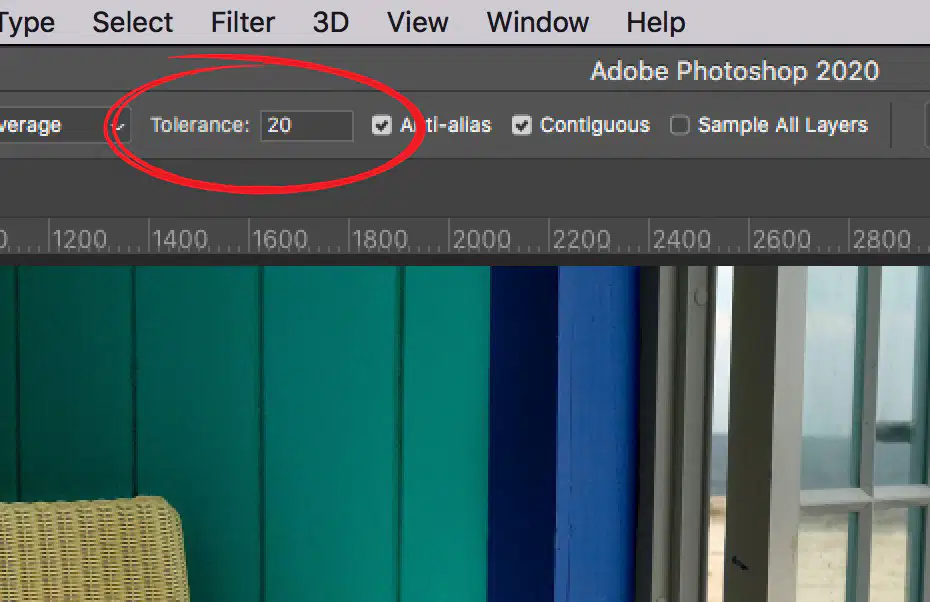
Tolerance in Photoshop controls the sensitivity of selection tools like the Magic Wand. A higher Tolerance number will.....
Select a fewer range of similar colors.
Select a broader range of similar colors. (Selects more similar colors)
Select all of the colors.
Selects no colors.
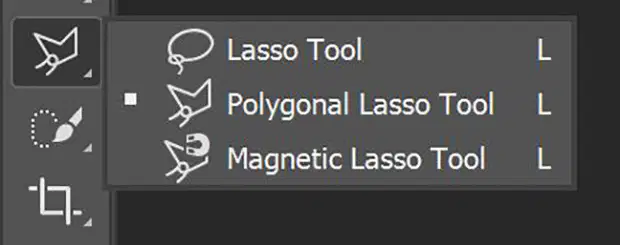
Magnetic Lasso Tool is best for....
Selecting objects with irregular shapes or straight lines.
Selecting objects that are basic geometric shapes.
Selecting objects that are main subjects, like people and animals.
Selecting areas of similar color and texture.

Quick Selection Tool is ideal for...
Selecting objects with irregular shapes or straight lines.
Selecting areas with distinct color or texture contrasts.
Selecting large areas of solid color.
Selecting main subjects, like people and animals.

