
 Worksheets
Sun-Moon-Earth Review Quiz
Total questions: 44
Worksheet time: 25mins
Which statement explains the position of the side of Earth where it is night?
The side of Earth is facing the Moon
The side of Earth is facing away from the Sun
The side of Earth is being blocked by the moon
The side of Earth is between the sun and the moon
What causes Earth’s seasons?
Earth’s distance from the Sun
the solstices and equinoxes
Earth’s tilted axis
the Moon’s gravitational pull
On March 21 Earth has its vernal equinox. Which of the following is the next event?
summer equinox
winter solstice
summer solstice
autumnal solstice
Which would best describe solstices and equinoxes?
They mark the beginning of a season
They mark the end of Earth’s revolution
They mark the beginning or the end of a season
They mark the beginning or the end of Earth’s revolution
What eclipse happens when the Sun-Moon-Earth are aligned? (SOLSME)
Solar Eclipse
Lunar Eclipse
What eclipse happens when the Sun-Earth-Moon are aligned? (LUNSEM)
Lunar Eclipse
Solar Eclipse
Solar eclipse occurs during what time of day and what moon phase?
daytime
new moon
daytime
full moon
night time
new moon
night time
full moon
Lunar eclipse occurs during what time of day and what moon phase?
daytime
new moon
daytime
full moon
night time
new moon
night time
full moon
If a full moon occurred on June 5th, when should another full moon occur?
June 13
June 21
July 4
July 19
How does the shape of the Moon appear to be changing every night in the sky?
due to the rotation of the Moon on its axis
due to the revolution of the Earth around the Sun
due to the rotation of the Earth on its axis
due to the revolution of the Moon around the Earth
A student reads that the shape of the Moon in the sky is a waning gibbous. How would the Moon appear before the waning gibbous from the students view?
crescent
half illuminated
completely dark
completely illuminated
About how many days does a full moon phase take?
around 7 days
around 45 days
around 28 days
around 14 days
Earth rotates on its axis gives us which of the following?
1 hour
1 day
1 week
28 days
1 year
Earth revolves around the Sun gives us which of the following?
1 hour
1 day
1 week
1 year
The moon revolves around Earth gives us which of the following?
1 hour
1 day
1 month
1 year
During a “leap year” we add an extra day to our calendar because.....
Earth takes 24 hours to rotate
The moon takes 27.3 days to orbit
Earth takes 365.25 days to revolve
The moon takes 29.5 days to orbit
The approximate tilt of the Earth on its axis is _____?
66.5 degrees
29.7 degrees
23.5 degrees
Where does the moon get its light?
It produces it
it is reflected from the sun
from nuclear reactions at its core
What is the nearest celestial object to Earth?
Sun
Moon
Planet
Asteroid
What moon phase is next to the Sun?
Gibbous
Crescent
New Moon
Full Moon
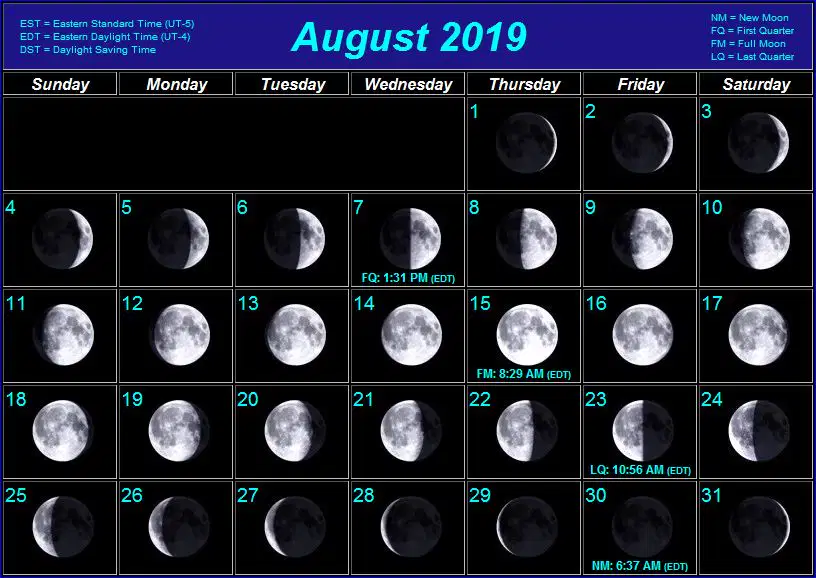
What moon phase is the calendar showing on August 5, 2019?
Waxing Gibbous
Waxing Crescent
Waning Gibbous
Waning Gibbous
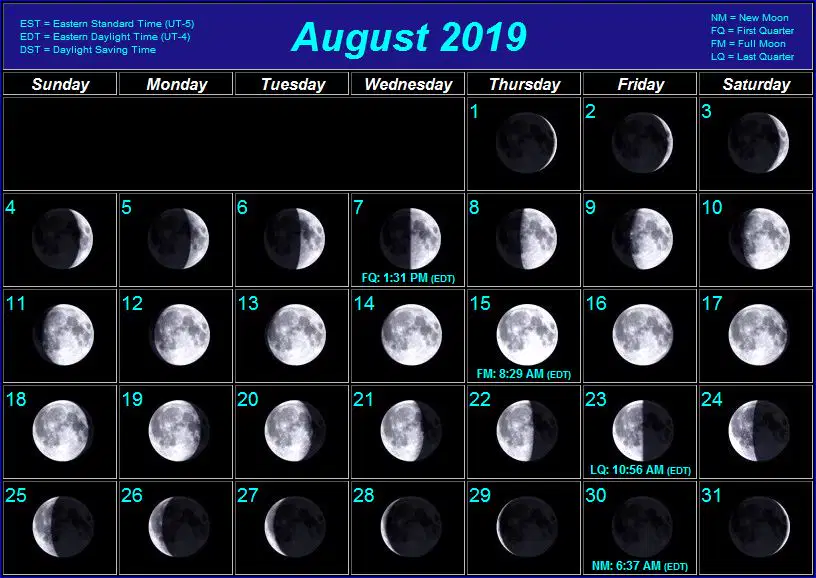
What moon phase is about 4 days prior to August 15,2019?
Last Quarter
1st Quarter
Waxing Gibbous
Waning Crescent
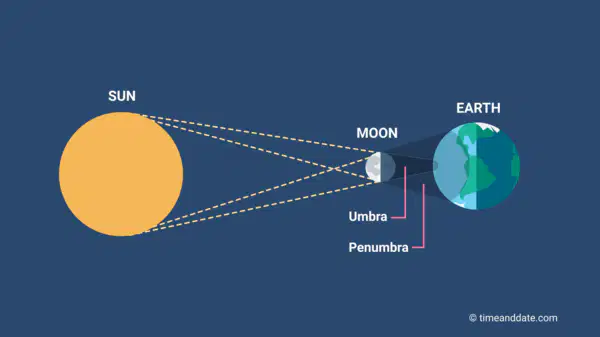
What eclipse is shown in the picture?
Solar
Lunar
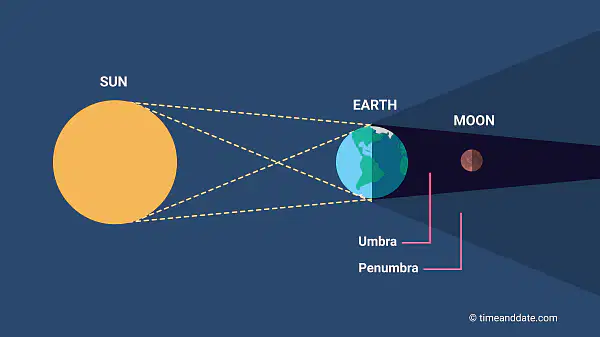
What eclipse is shown in the picture?
Lunar
Solar
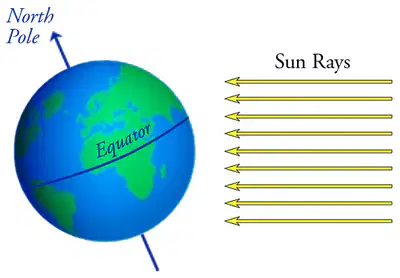
In this picture what season is in the northern hemisphere?
Spring
Fall
Summer
Winter
When the Southern Hemisphere is experiencing Winter, what season is the Northern Hemisphere experiencing?
Fall
Spring
Summer
Winter
When the Moon is in waxing crescent moon phase it is illuminated on the ____ side.
Left
Right
When the Southern Hemisphere is experiencing Spring, what season is the Northern Hemisphere experiencing?
Fall
Spring
Summer
Winter

The events labeled 1 and 3 are called
solstices
equinoxes


What season is it in the Southern Hemisphere in this image?
Winter
Fall
Spring
Summer

In the attached illustration, which hemisphere is experiencing summer?
Northern
Southern
Western
Eastern
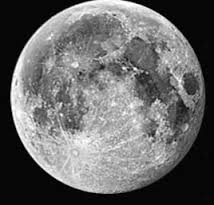


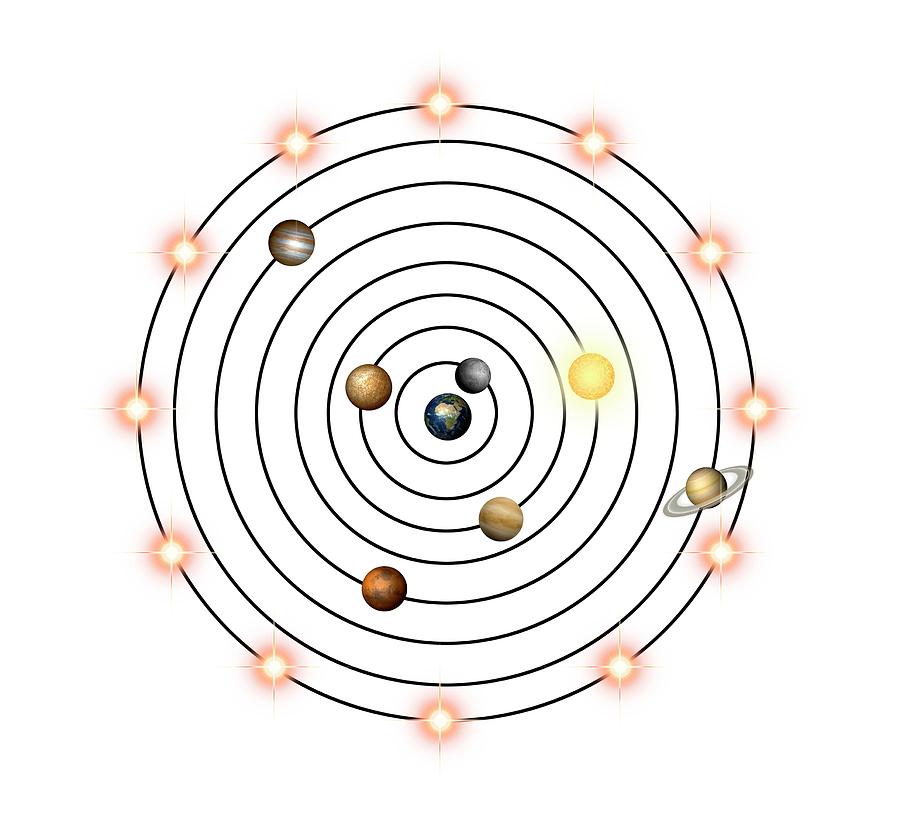
What view of solar system places the sun at the center?
Heliocentric
Elliptical
Geocentric
Astronomical
What view of solar system places the Earth at the center?
Heliocentric
Elliptical
Geocentric
Astronomical
Aristotle, Ptolemy, and Plato believed in what view of the solar system?
Solis centric
Geocentric
Heliocentric
Acrocentric
Galileo, Copernicus, and Newton believed in what view of the solar system?
Solis centric
Geocentric
Heliocentric
Acrocentric
What does the Geocentric system look like?
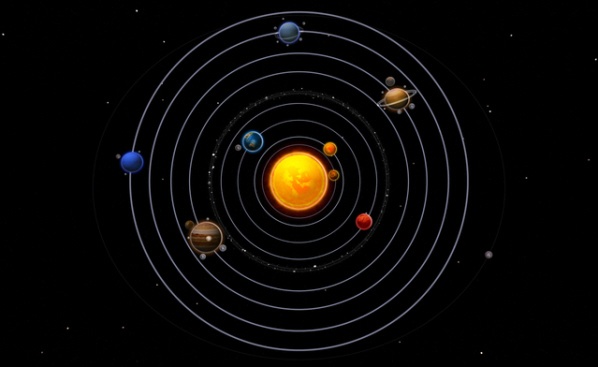
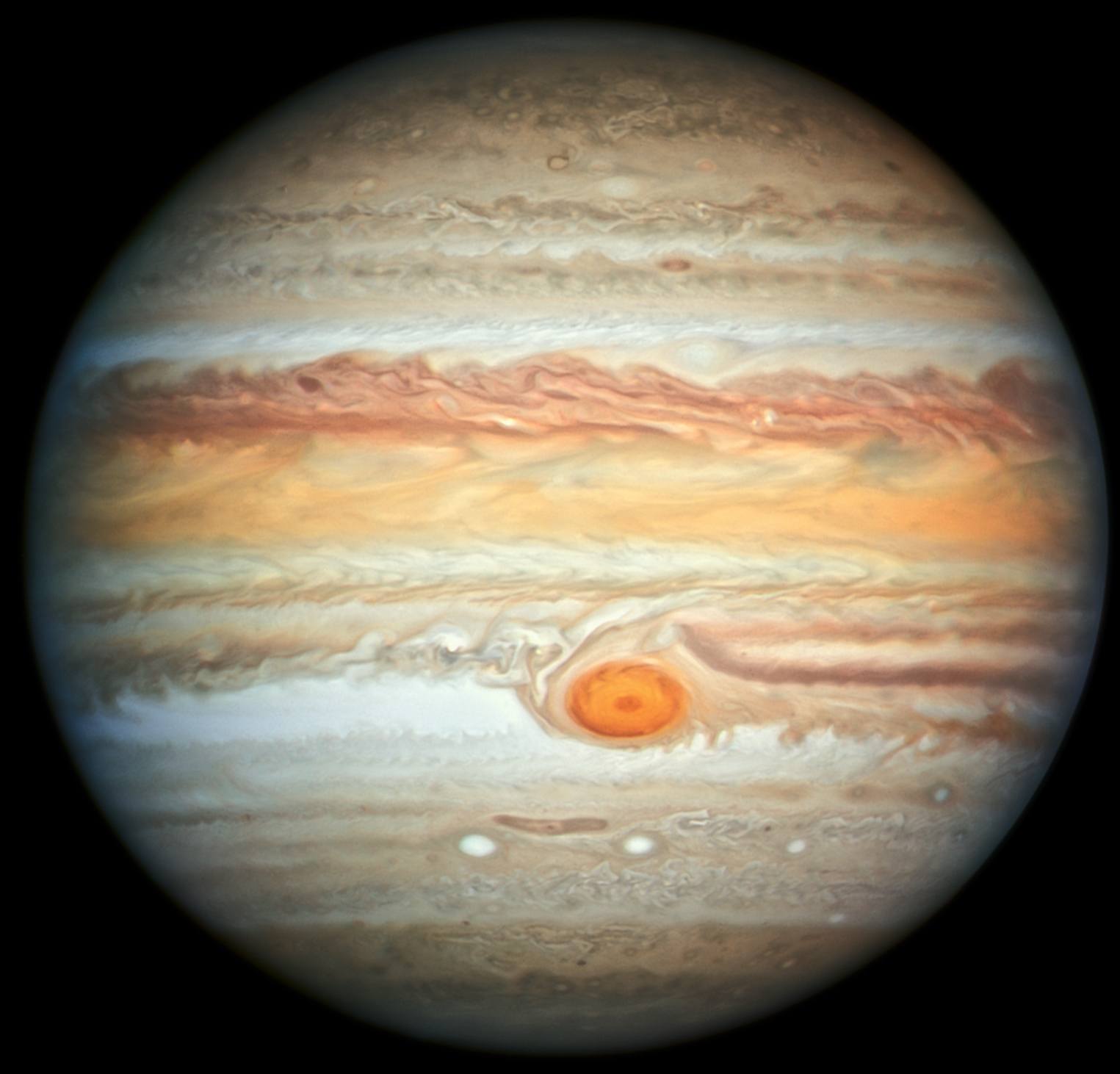
What does the Heliocentric system look like?



