
NEW
Font size
 Worksheets
Unit 2 Quiz #2
Total questions: 25
Worksheet time: 13mins
The Civil Service Act resulted in the end of what form of political corruption?
Graft
Spoils System
Voter Fraud
Ballot Stuffing

____________ is a negative term to describe the industrial tycoons of the Gilded Age and __________ is a positive term to describe them.
Robber Barons; Captains of Industry
Captains of Industry; Robber Barons

Cornelius Vanderbilt made his fortune in...
flight.
oil.
railroads.
steel.

This monopoly system means the company owns every step in production.
Horizontal Integration
Vertical Integration
Lassiez faire
Corporation
After his retirement, Andrew Carnegie donated most of his money (over $350 million) to establish schools, libraries and universities.
Captain of Industry
Robber Baron
In 1901 JP Morgan's US Steel was the first billion dollar company in the world. The size and productivity allowed the United States to compete globally against other industrialized countries like Great Britain and Germany
Captain of Industry
Robber Baron
In response to a strike at Carnegie's Homestead (Pennsylvania) Steel Plant in 1892, Carnegie and his plant manager Henry Frick hired a private security company, the Pinkertons, to help break the strike, leading to ten dead union workers and hundreds of injuries
Captain of Industry
Robber Baron
In 1895, at the depth of the Panic of 1893, JP Morgan loaned the US Treasury $65 million in gold to help safeguard the collapse of the US Government
Captain of Industry
Robber Baron
John D Rockefeller often resorted to using spies and extortion to influence railroads to work in his favor by offering kickbacks and rebates that were denied to his competitors
Captain of Industry
Robber Baron
By 1890, the richest 9% of Americans held over 75% of the nation's wealth. The average income for a factory workers was $380 a year, whereas Andrew Carnegie had a yearly income of $25 million
Captain of Industry
Robber Baron
What was the main source of power in big city governments during the Gilded Age?
Political Machines
Industrial Capitalists
Robber Barons
Labor Leaders
During the Gilded Age there was an increase in ____________________ and ___________________ as people moved to U.S. cities looking for economic opportunities.
Work and Infrastructure
Corruption and Laissez-Faire
Urbanization and Immigration
Monopolies and Political Bosses
During the Gilded Age, the expansion of ___________________ led to corruption in government, but also improvements in basic services and urban infrastructure.
Infrastructure
Nativists
Monopolies
Political Machines
The growth of cities is called . . .
rural
technology
immigration
urbanization
During the Gilded Age, people moved from _____ areas to ______ areas.
Urban, rural
Western, eastern
Eastern, western
Rural, urban
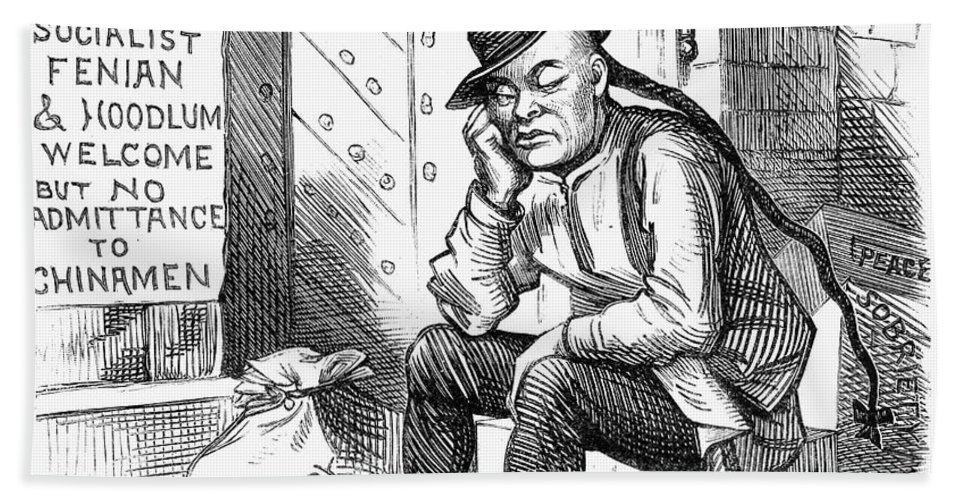
This law was made to reduce competition for jobs on the West Coast because it prohibited immigration from China-
Pendleton Act
Homestead Act
Mexican Repatriation Act
Chinese Exclusion Act
A law that gave settlers 160 acres of land for $10 with a promise to live and develop the land for a period of time.
Texas Empressarios
Land Act of 1885
Homestead Act
Dawes Act
Who is most associated with political machines in New York City?
"Boss" Tweed
John Rockefeller
Jane Adams
Andrew Carnegie
What was a common criticism of the business practices of Gilded Age industrialists?
They promoted fair competition.
They engaged in monopolistic practices.
They supported labor unions.
They focused on small-scale production.
Which industrialist is known for his significant contributions to the steel industry during the Gilded Age?
Andrew Carnegie
John D. Rockefeller
J.P. Morgan
Cornelius Vanderbilt
What term describes the economic policy of minimal government interference in business during the Gilded Age?
Socialism
Mercantilism
Laissez-faire
Protectionism
What was a common method used by political machines to maintain power during the Gilded Age?
Offering public services in exchange for votes
Supporting labor unions
Promoting fair competition
Encouraging small-scale businesses
Which term describes the practice of a company buying out its competitors to control an entire industry?
Vertical Integration
Horizontal Integration
Monopoly
Laissez-faire

