
 Worksheets
Understanding Food Waste Management
Total questions: 19
Worksheet time: 2hrs 35mins

What is the main topic discussed in the passage?
The benefits of recycling plastic waste
The issue of food waste and its management
The importance of reducing water usage
The impact of air pollution on health
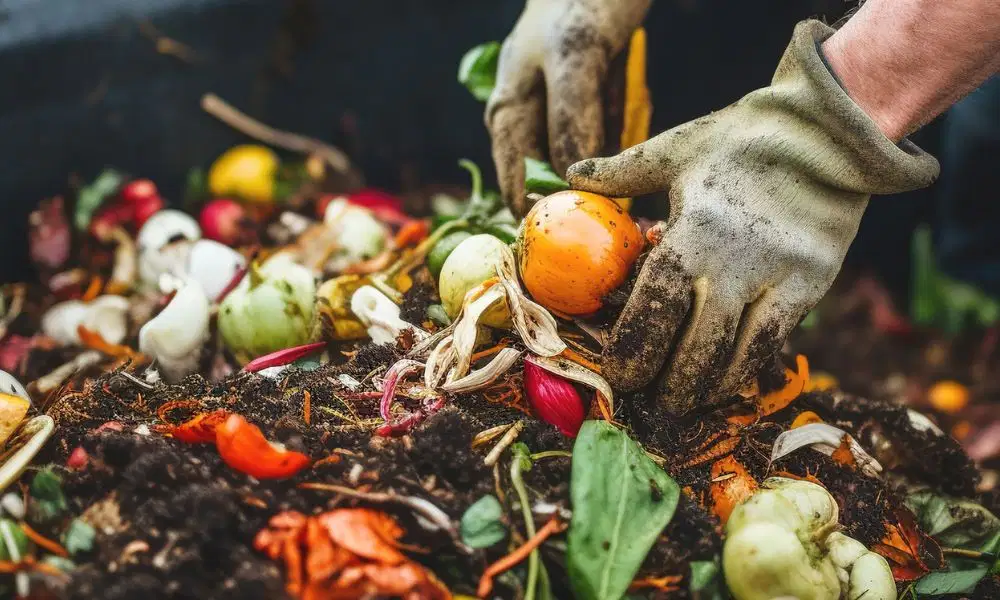
How much food waste is produced daily according to the passage?
1,500 tons
3,300 tons
5,000 tons
11,130 tons
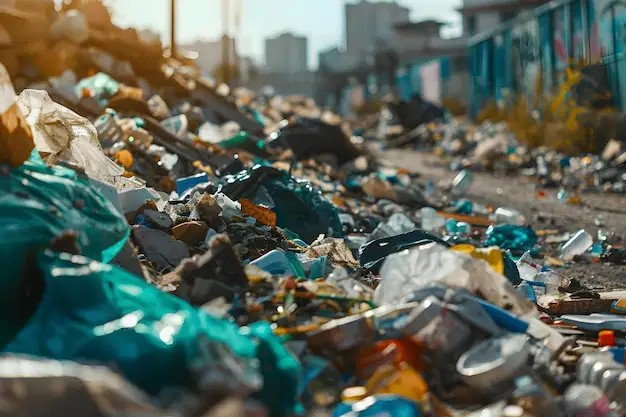
What percentage of the total waste generated by households and food businesses is food waste?
10%
20%
30%
40%
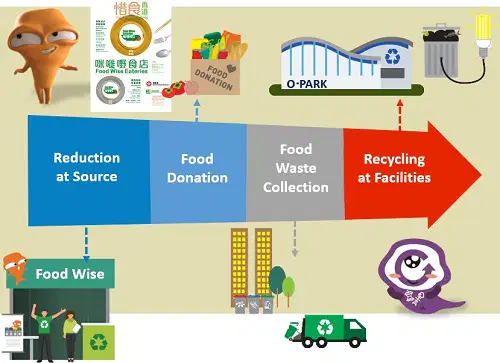
What solution is proposed for managing food waste in the passage?
Burning it in incinerators
Dumping it in the ocean
Turning it into energy and compost
Burying it in landfills

What is the purpose of the Smart Food Waste Bins mentioned in the passage?
To reduce the amount of plastic waste
To collect biodegradable food waste
To increase the recycling of paper
To monitor air quality
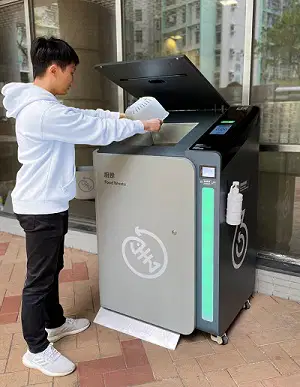
How many Smart Food Waste Bins have been installed as of April?
100
250
530
700
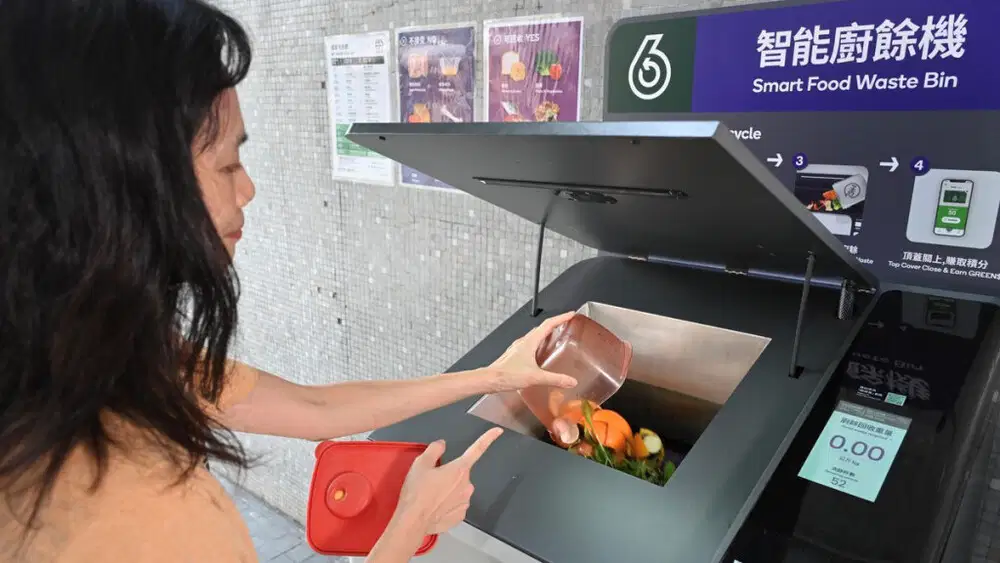
How many households can the inner bins sufficiently serve?
60
70
120
500

What does effective use of the collectors depend on?
citizen's cooperation
raw food and leftovers
cleaning staff
big data platforms

How quickly will the technicians come to repair a bin?
Within 72 hours
A week
Within 48 hours
Within 24 hours
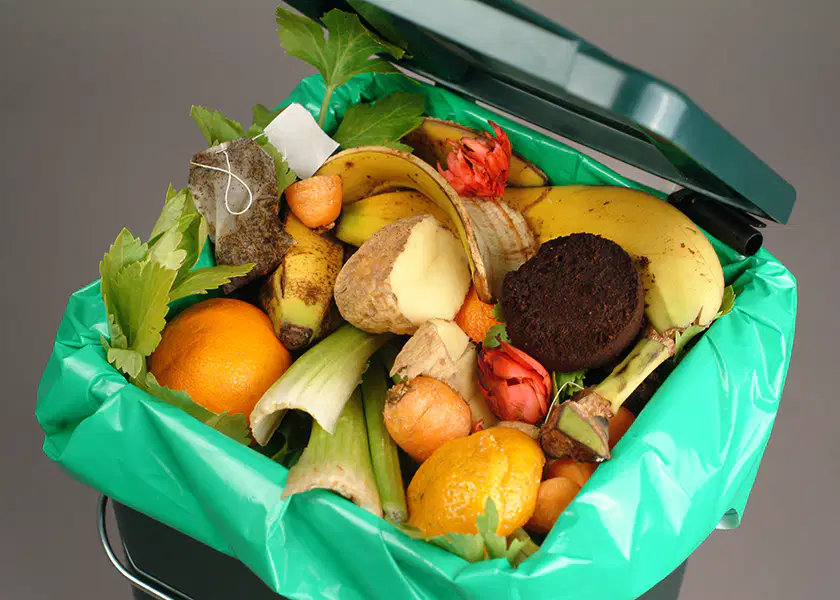
What does the word ‘pips’ mean?*
A fruit’s small, hard seeds
The fat on a piece of meat
The skin of a fruit
The leaves of a green vegetable
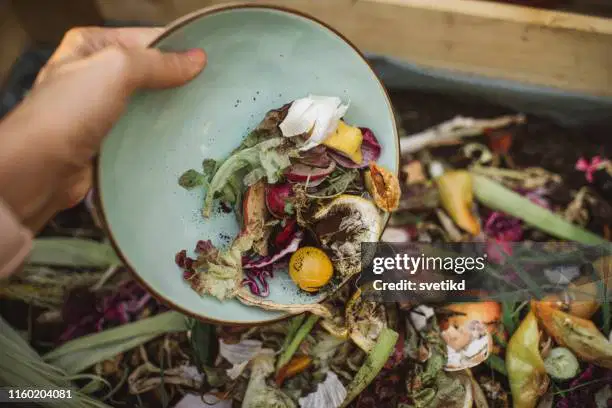
Food waste often ends up in ordinary waste bins.
True
False
Not Given

Hongkongers make 3,300 tons of food waste every day.
True
Falso
Not Given

The government has introduced modern food waste collection bins.
True
False
Not Given
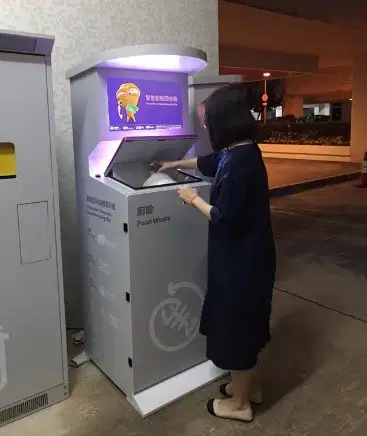
Half of the public housing estates will get Smart Food Waste Bins during 2024.
True
False
Not Given
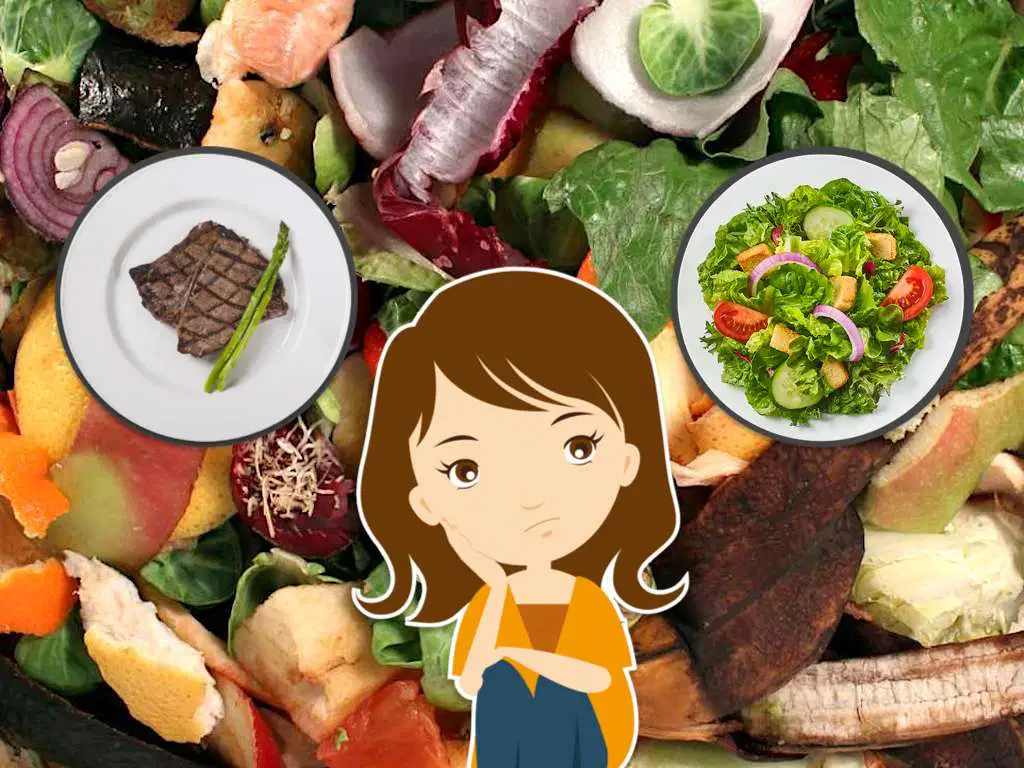
Each Smart Food Waste Bin can take 120 litres of food waste.
True
False
Not Given
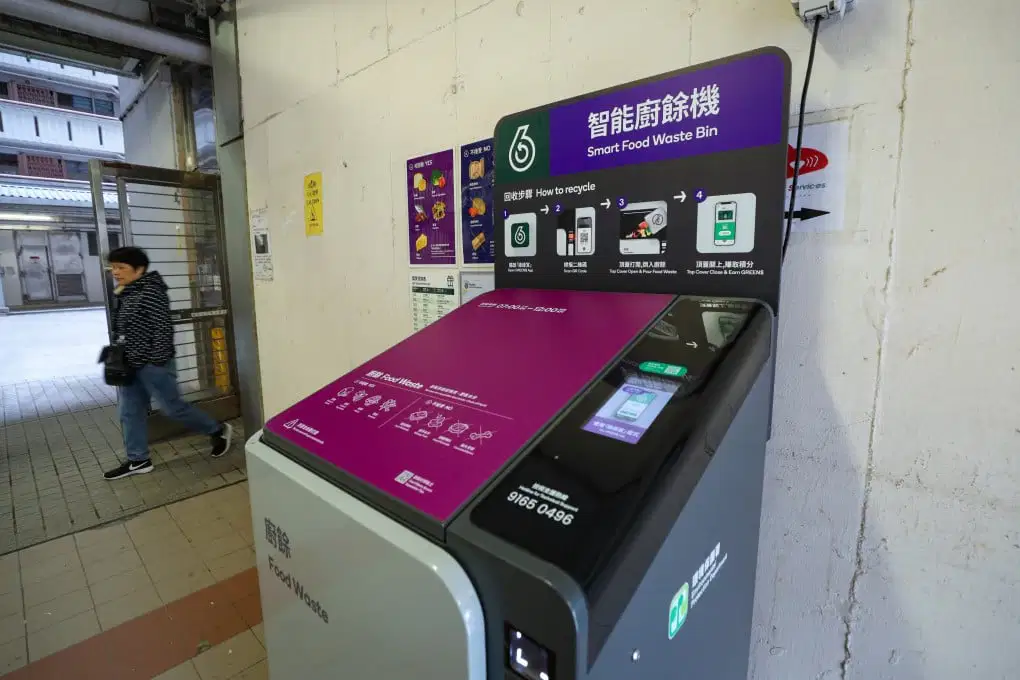
Some smart bins have experienced _ in operation, like filling up too fast.
(a)
EPD will review the provision of smart food waste bins when _ rates increase.
(a)
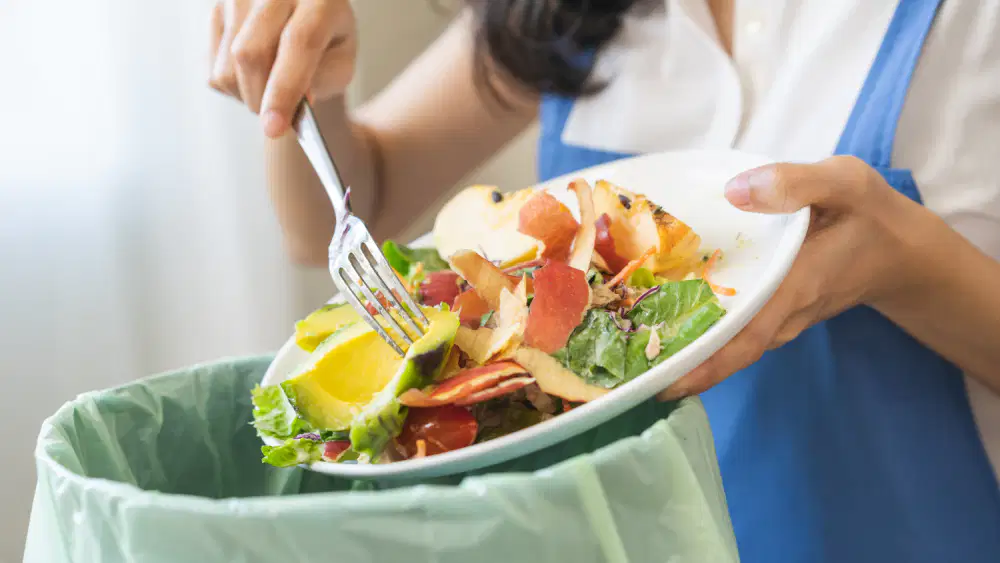
Only food waste that are considered “_” should be dumped into the smart bins.
(a)

Food with _ liquid must not be put into the smart bins.
(a)

