
 Worksheets
Reading Quiz
Total questions: 10
Worksheet time: 6mins
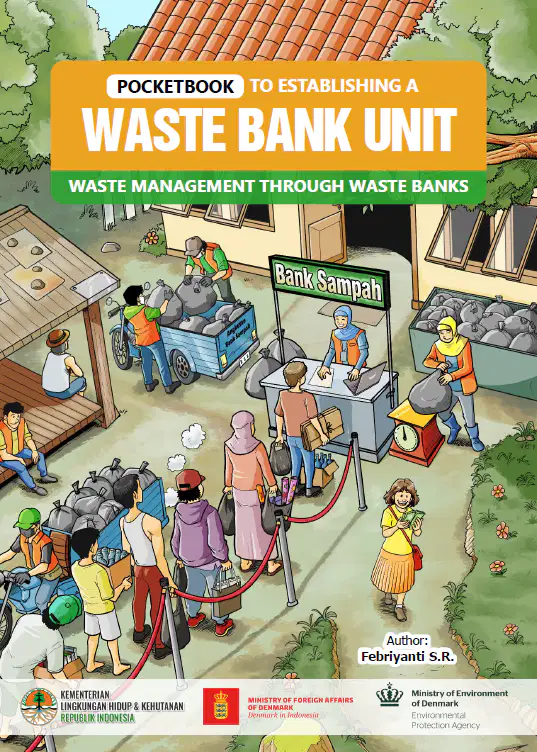
What is a ‘waste bank’? Waste banks – or “bank sampah” as they are called in Indonesian – can be found in neighbourhoods across Indonesia at waste banks, the waste created by the household is divided into two categories – organic and non-organic. Organic waste gets turned into compost, while non-organic waste is divided further into three categories: plastic, paper, plus bottles and metal.
What is the main purpose of a waste bank in Indonesia?
To collect and incinerate all waste
To separate and compost all household waste
To divide waste into organic and non-organic categories for recycling and composting
To store waste for future use

What is a ‘waste bank’? Waste banks – or “bank sampah” as they are called in Indonesian – can be found in neighbourhoods across Indonesia at waste banks, the waste created by the household is divided into two categories – organic and non-organic. Organic waste gets turned into compost, while non-organic waste is divided further into three categories: plastic, paper, plus bottles and metal.
How is non-organic waste further categorized in Indonesian waste banks?
Glass, metal, and wood
Plastic, paper, bottles, and metal
Organic, non-norganic, and hazardous
Food waste, garden waste, and recyclables

In Indonesia, your garbage gets mixed together with the garbage of millions of households, creating mountains of toxic waste too large to contain in municipal landfills. As experts in the field would argue, solid waste management is not the sole responsibility of a municipal government, but a collective one. As populations grow and consumption patterns increase, more and more solid waste is created– and landfills can only take so much waste! So, what to do? The World Bank in Indonesia is currently exploring how to improve solid waste management, and scaling up ‘waste banks’ is one option.
What is the main idea of the paragraph?
The World Bank's influence on Indonesia's economy
The collective responsibility of managing solid waste in Indonesia
The technological advancements in waste management
The decrease in waste production due to recycling

In Indonesia, your garbage gets mixed together with the garbage of millions of households, creating mountains of toxic waste too large to contain in municipal landfills. As experts in the field would argue, solid waste management is not the sole responsibility of a municipal government, but a collective one. As populations grow and consumption patterns increase, more and more solid waste is created– and landfills can only take so much waste! So, what to do? The World Bank in Indonesia is currently exploring how to improve solid waste management, and scaling up ‘waste banks’ is one option.
What is the topic sentence of the paragraph?
As populations grow, more solid waste is created.
Solid waste management is not the sole responsibility of municipal governments
The World Bank is exploring waste management solutions.
In Indonesia, garbage creates mountains of toxic waste.

In Indonesia, your garbage gets mixed together with the garbage of millions of households, creating mountains of toxic waste too large to contain in municipal landfills. As experts in the field would argue, solid waste management is not the sole responsibility of a municipal government, but a collective one. As populations grow and consumption patterns increase, more and more solid waste is created – and landfills can only take so much waste! So, what to do? The World Bank in Indonesia is currently exploring how to improve solid waste management, and scaling up ‘waste banks’ is one option.
What does "scaling up ‘waste banks’" refer to in the paragraph?
Reducing the number of waste bank
Increasing the size and number of waste banks
Closing existing waste banks
Privatizing waste management

What is a ‘waste bank’? Waste banks – or “bank sampah” as they are called in Indonesian – can be found in neighbourhoods across Indonesia at waste banks, the waste created by the household is divided into two categories – organic and non-organic. Organic waste gets turned into compost, while non-organic waste is divided further into three categories: plastic, paper, plus bottles and metal.
What happens to organic waste at a waste bank?
It is incinerated
It is turned into compost
It is stored for later use
It is sent to landfills
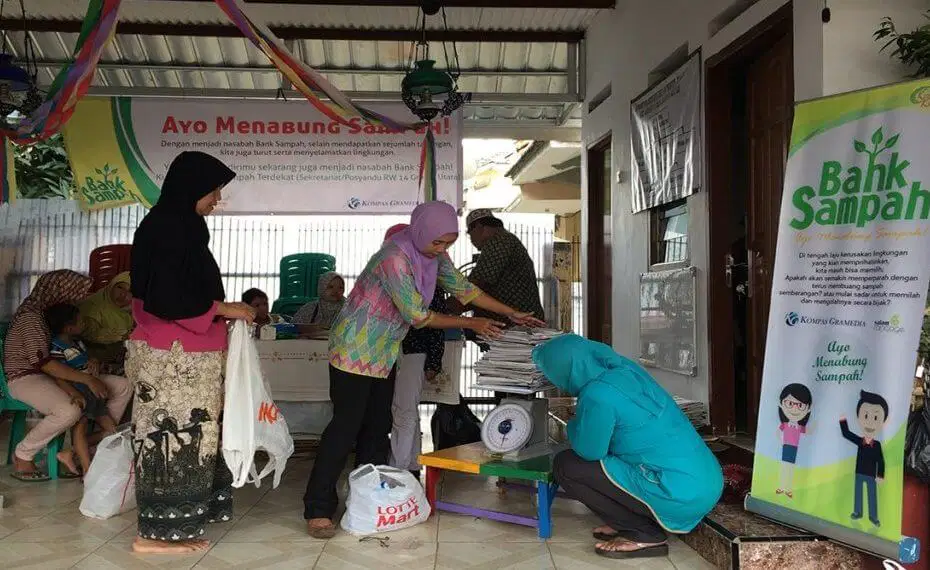
The vast majority of eco-friendly households in Indonesia keep three bins or three large garbage bags in their homes; over time they began separating their waste into three different sections. Once their three bins and garbage bags are filled up, they bring their haul to a neighbourhood waste bank where they then “make a deposit”.
What is the main idea of the paragraph?
The use of technology in waste management
The financial benefits of waste banks
The practice of waste separation in eco-friendly households
The challenges of recycling in urban areas

The vast majority of eco-friendly households in Indonesia keep three bins or three large garbage bags in their homes; over time they began separating their waste into three different sections. Once their three bins and garbage bags are filled up, they bring their haul to a neighbourhood waste bank where they then “make a deposit”.
What is the topic sentence of the paragraph?
The vast majority of eco-friendly households in Indonesia keep three bins or three large garbage bags in their homes.
Once their three bins and garbage bags are filled up, they bring their haul to a neighbourhood waste bank.
Waste banks provide financial incentives for recycling.
Households in Indonesia struggle with waste separation.
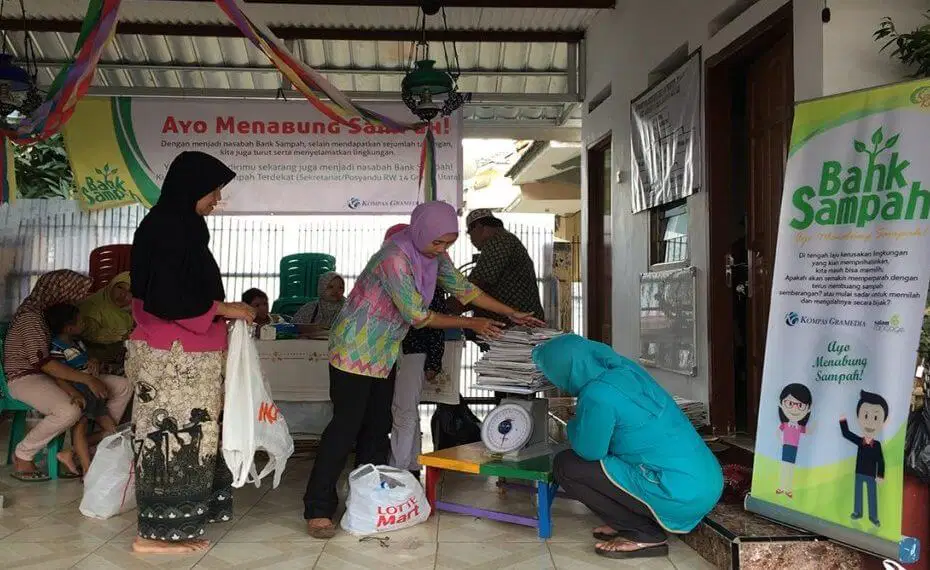
The vast majority of eco-friendly households in Indonesia keep three bins or three large garbage bags in their homes; over time they began separating their waste into three different sections. Once their three bins and garbage bags are filled up, they bring their haul to a neighbourhood waste bank where they then “make a deposit”.
In the context of the paragraph, what is a synonym for "haul"?
Throw
Purchase
Hide
Load

The vast majority of eco-friendly households in Indonesia keep three bins or three large garbage bags in their homes; over time they began separating their waste into three different sections. Once their three bins and garbage bags are filled up, they bring their haul to a neighbourhood waste bank where they then “make a deposit”.
What does “make a deposit” refer to in the paragraph?
Selling waste to private companies
Discarding waste illegally
Bringing sorted waste to a waste bank
Saving money in a bank account

