
Font size
 Worksheets
Review Game: Q1 Summative
Total questions: 25
Worksheet time: 13mins

An organism from the past that is related to all the organisms in the group
Fossil
Common ancestor
Cladogram
Descendent
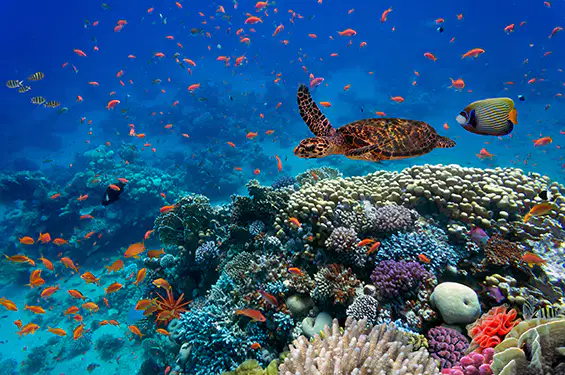
The variety of life forms that exist on Earth is known as _____.
Chromosome
DNA
Biodiversity
Evolution
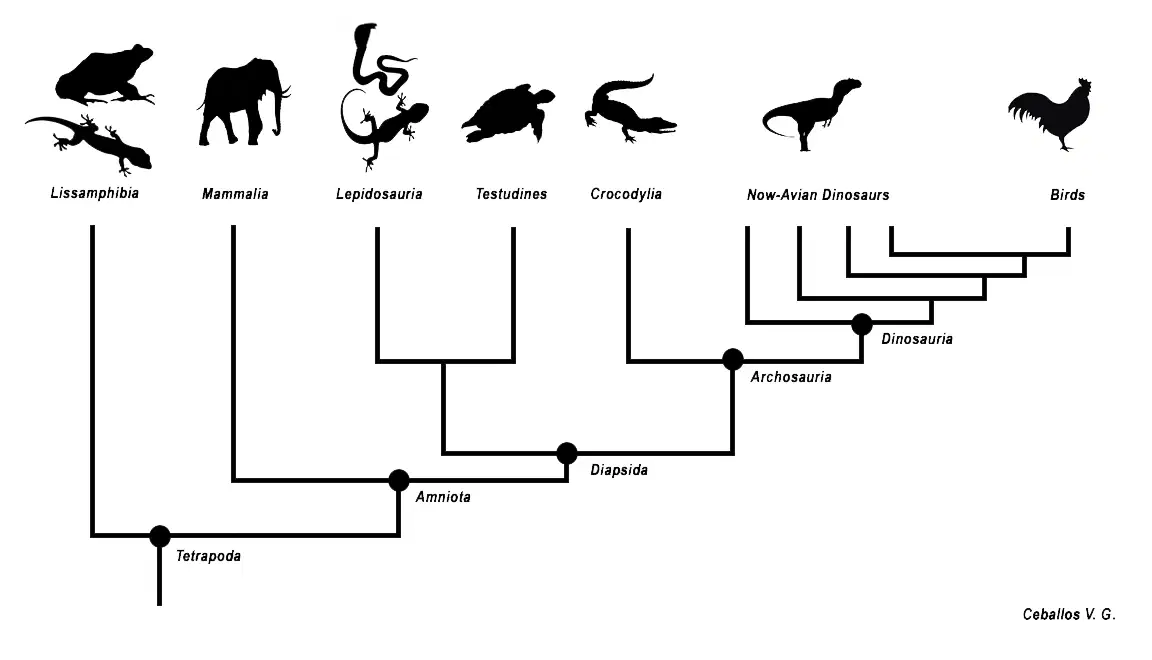
An evolutionary tree diagram based on shared characteristics.
Family Tree
Chromosome
DNA
Cladogram
A trait that helps identify an organism
Characteristic
Genetics
Gene
Allele

Variations of genes that determine traits in organisms
DNA
Allelle
Chromosome
Nucleus
The basic unit of heredity carried by chromosomes, codes for proteins which determine the traits of organisms.
Nucleus
Cell
Genes
Chromosomes

A vertebrate with 4 limbs is called a _____.
Amphibian
Tetrapod
Fish
Microorganism
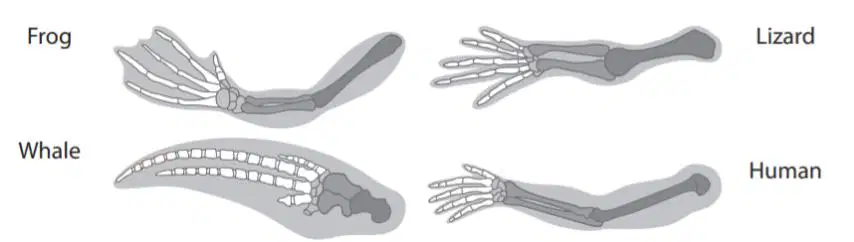
Compare the limbs of the modern vertebrates. Which statement best explains the similarities between the limbs? (Mark the one best answer.)
All four vertebrates move in the same way.
These four vertebrates share a common ancestor.
The limbs can be used in water or on land.
A lizard is an ancestor of a frog.
A scientist who studies fossils is known as....
Geologists
Paleontologist
Evolutionist
Conservationist
A broad time span based on typical life forms
Period
Fossil record
Variation
Era
Rock made from parts of an organism such as bones and teeth.
Sedimentary rock
Body fossil
Trace fossil
Isotope

In a cladogram what does a line represent?
Age
Organism
Time
Relationship
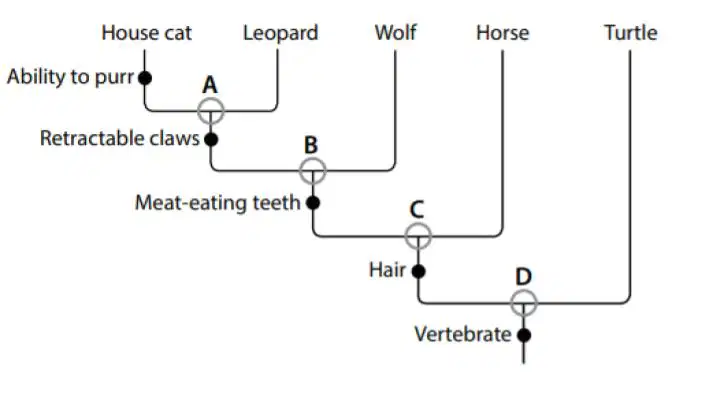
The circles at A, B, C, D on the cladogram represent _____ for the leopard and the cat.
Descendants
Common Descendants
Common Ancestors
Most Recent Common ancestors
The preserved remains or traces of ancient organisms are called _____.
Fossils
Artifacts
Remnants
Specimens
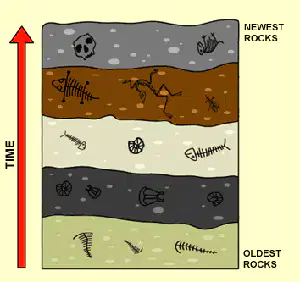
In relative dating, the age of a fossil is determined by its position in relation to other layers of rock. This is known as _____ dating.
Absolute
Relative
Chronometric
Geochronology
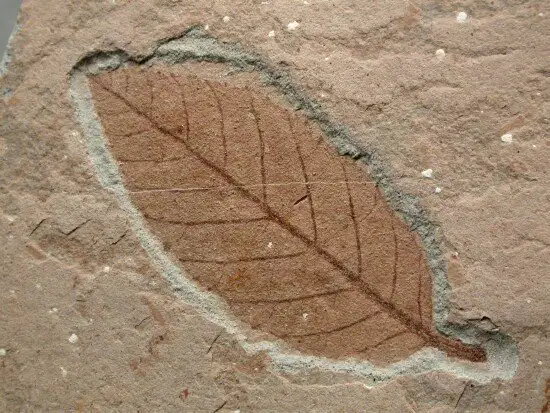
The preserved evidence of an organism's activity, such as footprints or burrows, is referred to as a _____.
Body fossil
Trace fossil
Sedimentary fossil
Chemical fossil
In relative dating, which principle states that in undisturbed layers of rock, the oldest layers are at the bottom?
Law of Superposition
Law of Original Horizontality
Law of Cross-Cutting Relationships
Law of Faunal Succession
What type of fossil is formed when an organism is preserved in amber?
Body fossil
Trace fossil
Amber fossil
Preserved fossil
Which of the following best describes the significance of limb structure in transitional fossils?
It shows the evolutionary relationship between species.
It indicates the age of the fossil.
It determines the habitat of the organism.
It provides information about the diet of the organism.

What is a common feature found in the limb structure of both aquatic and terrestrial transitional fossils?
Webbed digits
Reduced limb size
Similar bone structure
Presence of claws
What does the presence of a 'one bone, two bone, many bone' pattern in fossils suggest about the evolutionary history of vertebrates?
It indicates a common ancestor.
It shows adaptation to different environments.
It reflects changes in diet.
It suggests a rapid evolution.
In a cladogram, what does a branching point represent?
Common ancestor
Species extinction
Geological event
Time period
Which of the following statements is true about cladograms?
They show the evolutionary relationships among species.
They indicate the age of fossils.
They represent the physical characteristics of organisms.
They are used to classify organisms based on habitat.
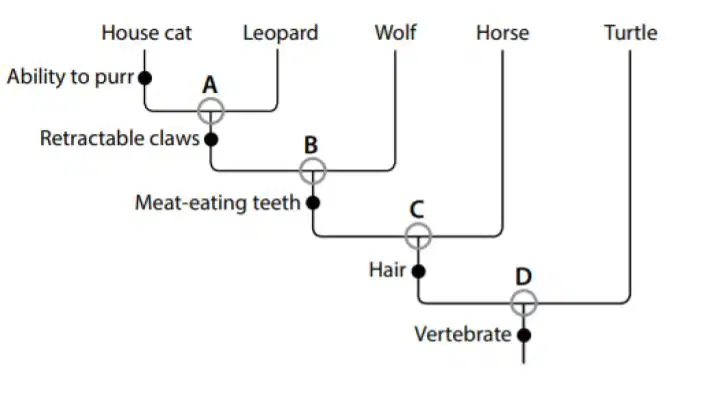
Indicate the characteristics shared by the Horse and Wolf
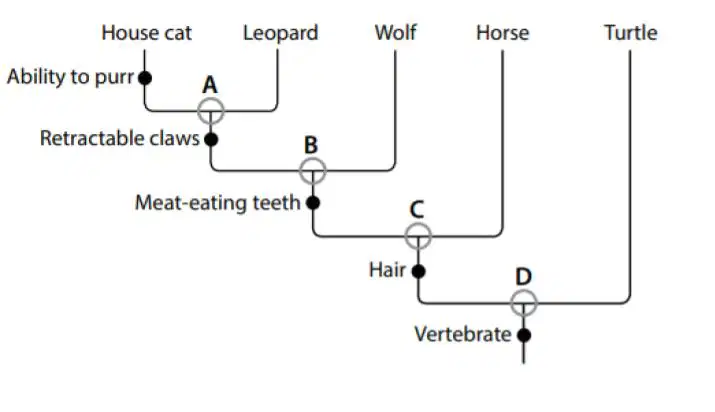
The circles at A, B, C, D on the cladogram represent _____ for the leopard and the cat.

