
 Worksheets
Rome through Medieval Europe
Total questions: 25
Worksheet time: 15mins
These are the laws that were at the base of Roman law and included the principle of "innocent until proven guilty".
Code of Hammurabi
Code of Justinian
12 Tables
Constitution
These were made from a series of pipes, tunnels, channels, and bridges. Gravity and the natural slope of the terrain allowed them to channel water from a freshwater source, such as a lake or spring, to a city.
Arches
Aqueducts
Pillars
Roman Baths
This arena was used for gladiator contests and public spectacles such as animal hunts, simulated naval battles, recreations.
Colosseum
Pantheon
Forum
Parthenon
A wealthy and upper-class person in the Ancient Roman Republic
patrician
plebeian
consul
dictator
In which sea was Rome a peninsula, allowing it to prosper in trade and interact with and conquer other lands?
Red
Black
Mediterranean
Arabian
In 509 B.C., what form of government in which citizens elect their own leaders did the Romans choose over the Etruscan monarchy?
Republic
Theocracy
Oligarchy
Empire
What were commoners like artisans, shopkeepers, and small farm owners called?
Aristocrats
Patricians
Monarchs
Plebeians
By expanding the empire and reorganizing the army and government to make it secure and strong, Caesar Augustus created a new era of peace that lasted 200 years called
Pax Romana
Golden Years
Pax Augustus
Era of Prosperity
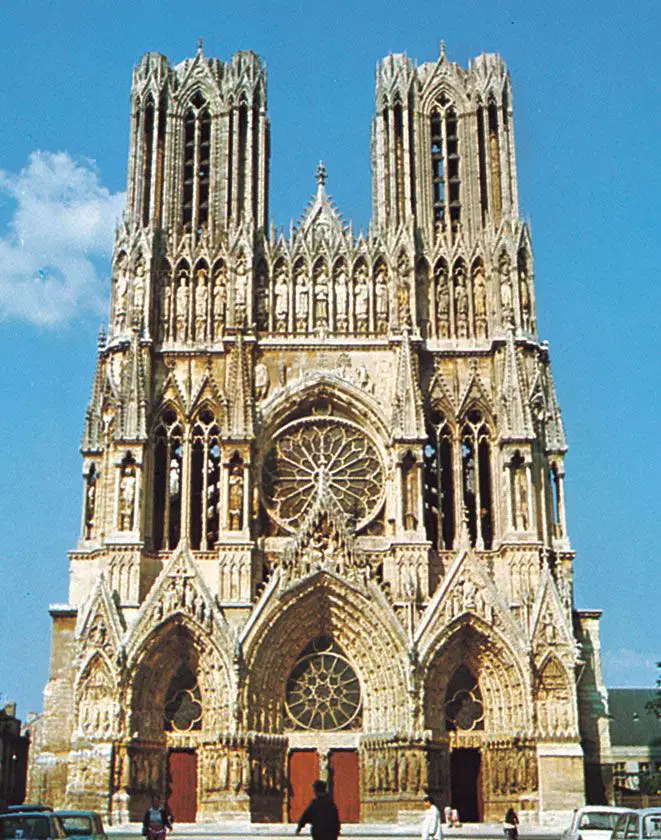
All things were under its domain as the most powerful institution during the Middle Ages...
The Germanic monarchs
The Church
The medieval lords
The authority of the knights

Feudalism was necessary because central governments lost power. What resulted from this situation?
People left the feudal society
Serfs rebelled against powerful nobles
People entered into agreements with landowning lords
Lords freed their serfs

What is happening in this image?
The serfs work for the lords who protect them
The lords work for the serfs
The serfs owned their own land
The knights worked the land when they were not fighting

The economy of a medieval manor depended on...
Trade
Pastoralism and weaving
Agriculture and self-sufficiency
Arts and crafts

Feudalism is a political and economic system. In the Middle Ages, it worked because it provided something that people needed. What did people need?
Freedom
Protection
Rights
Education
What is a highly trained mounted warrior serving a noble in medieval Europe?
serf
knight
Crusades
Clergy
The Germanic tribes were responsible for
The fall of Rome
The expansion of Christianity
The rise of the Franks
The fall of the Celts
Why was there a need for feudalism after the fall of Rome?
There was disorder and danger.
There was no monarch.
There was not enough land.
All answers are correct.
What did the lord give to the vassal?
land
money
nothing
the Divine Right to rule
The economic system of medieval Europe was _____________________.
manorialism
feudalism
democracy
capitalism

This means a moat around a castle.
turret
parapet
moat
murder hole
In feudal Europe, the manors functioned as
large estates for the poor
independent lands owned by the church
trade centers for many travelers
self-sufficient economic communities

Tournament contest with two knights charging against each other
mance
joust
melee
quintain
The main track for car races was the-
Parthenon
Pantheon
Colosseum
Circus Maximus
What did the gladiators shout to the emperor before the fights began?
The clue is in the message...
We who are about to die SALUTE YOU.
We are loyal to Rome.
I give my life for you.
We honor you, kind king.
Who were the gladiators?
slaves, criminals, volunteers
Small children
Teachers
the rich
The death of which emperor marked the end of the Pax Romana?
Julius Caesar
Commodus
Marcus Brutus
Marcus Aurelius

