
 Worksheets
Unit 4 Quiz Review
Total questions: 22
Worksheet time: 12mins

Platyhelminthes are more closely related which the following phlyum
Porifera
Cnidaria
Mollusca
Annelida
Cnidarians and Platyhelminthes share which of the following trait?
radial symmetry
bilateral symmetry
digestive system
form of locomotion

Annelids are
flatworms
segmented worms
roundworms
the phylum which includes slugs
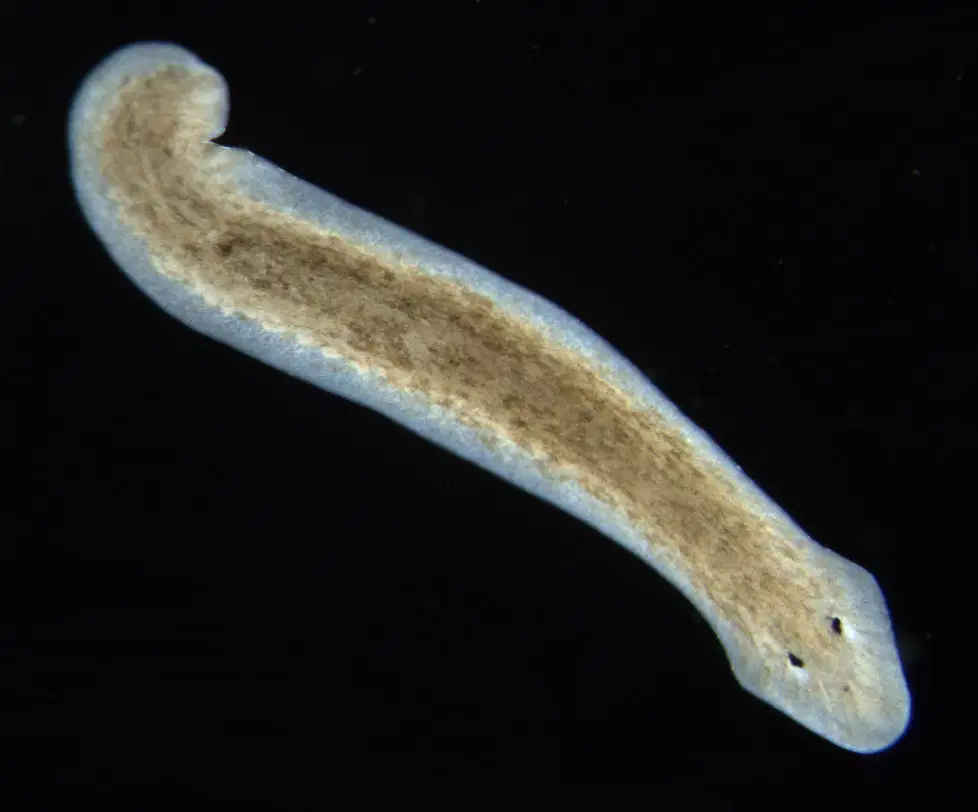
Platyhelminthes are
flatworms
segmented worms
roundworms
the phylum which includes slugs
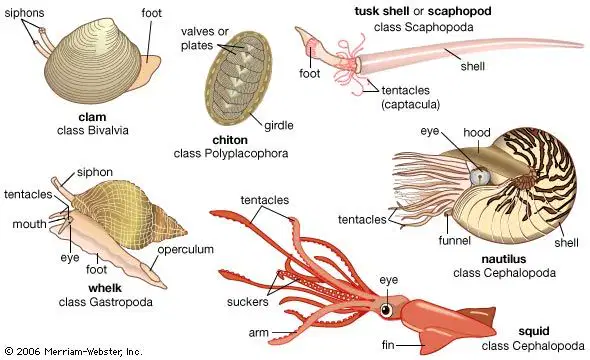
Mollusks are
flatworms
segmented worms
round worms
the phylum which includes slugs
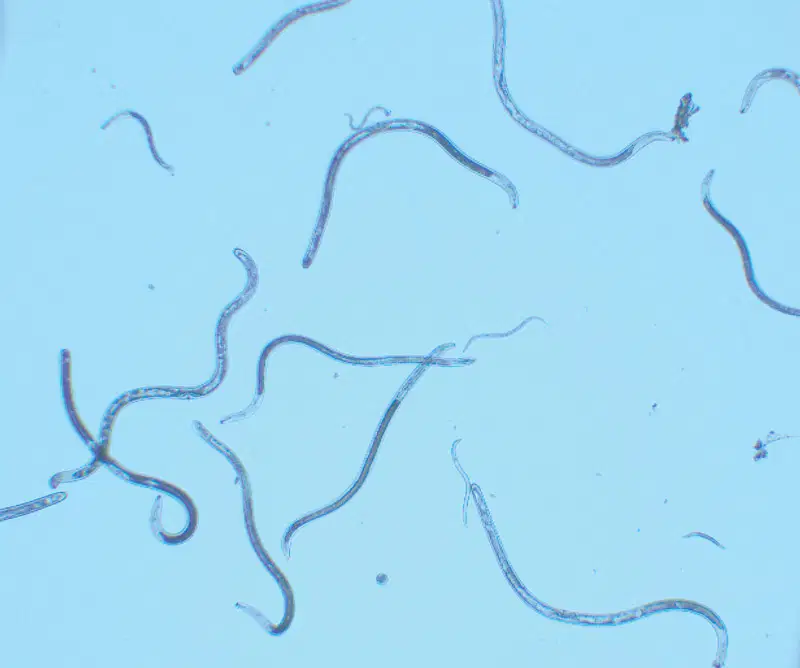
Nematodes are
flatworms
segmented worms
roundworms
the phylum which includes slugs
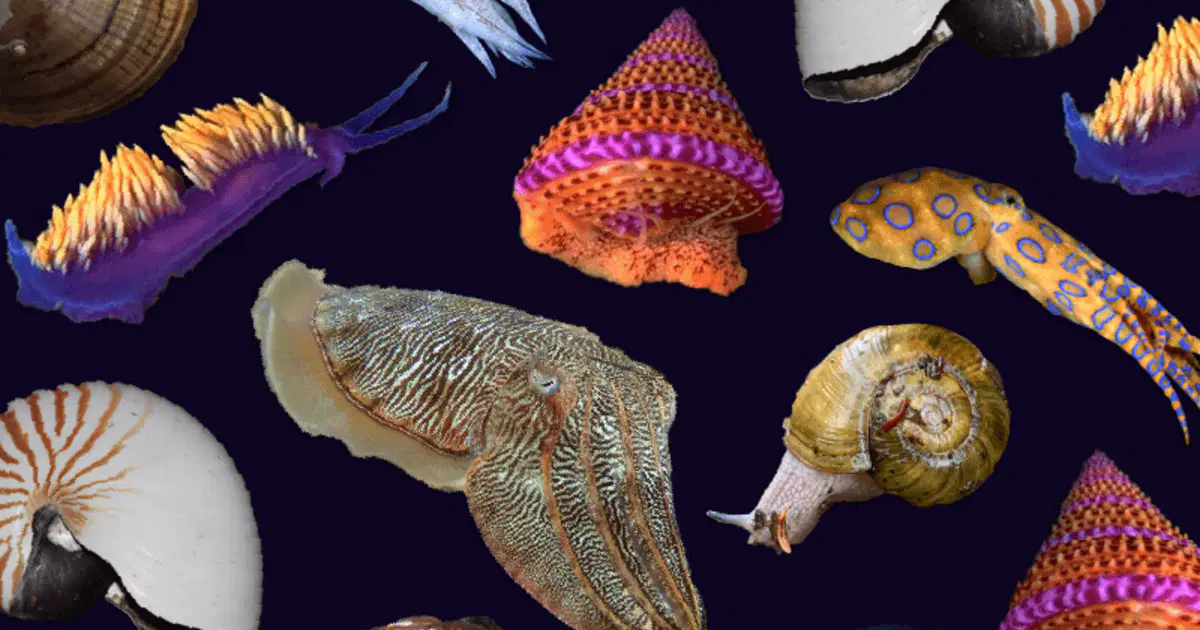
Mollusks are composed of which three Class groups?
Gastropods
Cnidarians
Bivalves
Cephalopods
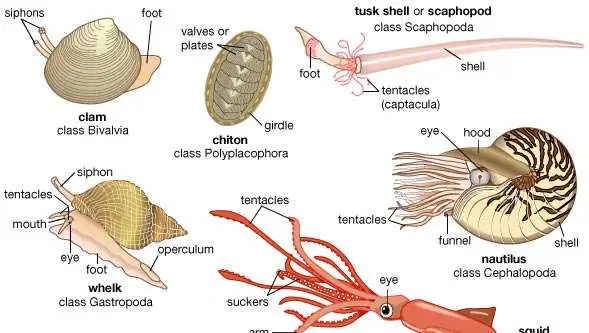
What is are common characteristic of Mollusks?
open circulatory systems
developmental stages
body is divided into two regions: head-foot adaptation and the visceral mass
bilateral symmetry
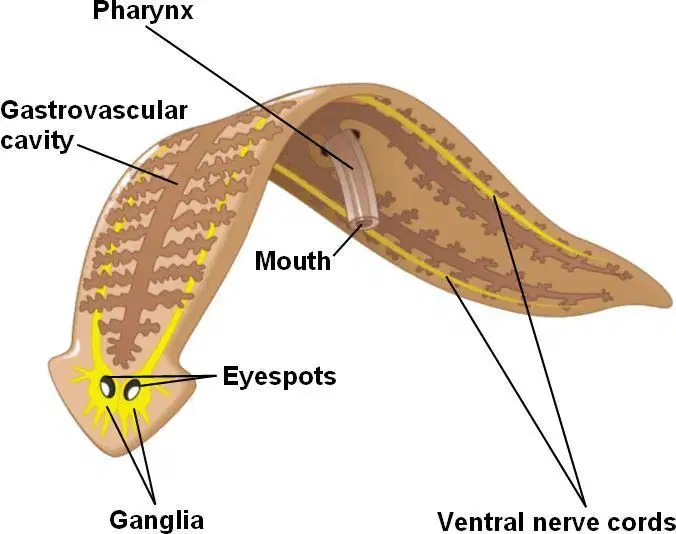
What is one new evolutionary adaptation of Platyhelminthes?
respiratory sytem
coelomates
(body cavity)
closed circulatory system
(blood and blood vessels)
cephalization
(simple brains)
What is one new evolutionary adaptation of Annelids?
respiratory sytem
coelomates
(body cavity)
closed circulatory system
(blood and blood vessels)
cephalization
(simple brains)
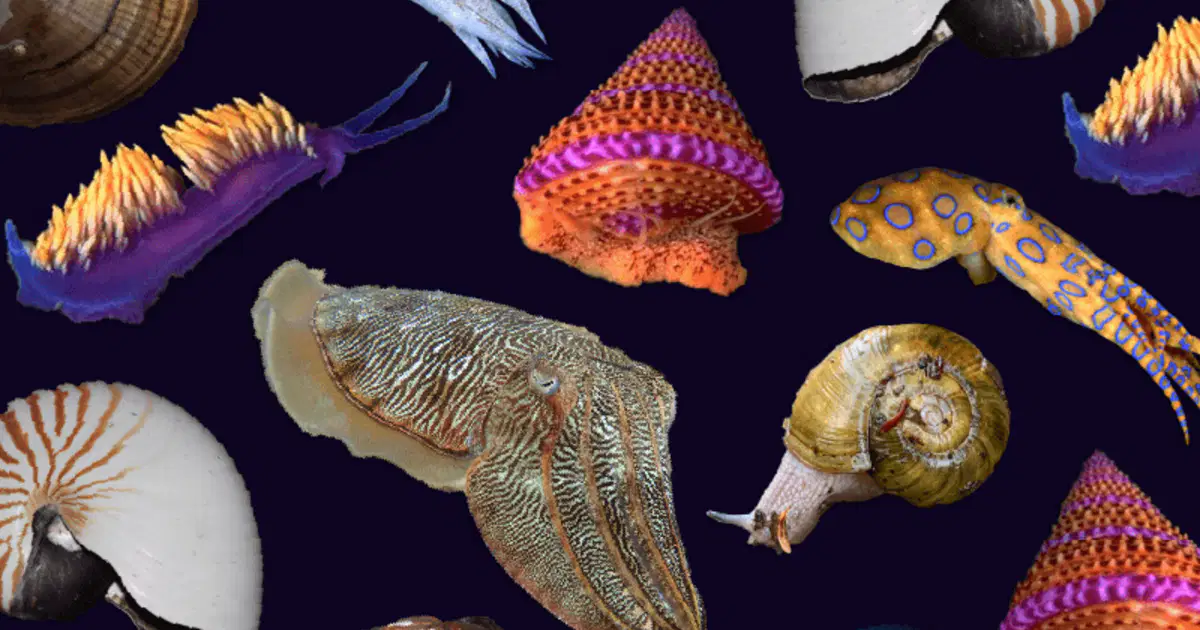
What is one new evolutionary adaptation of Mollusks?
respiratory sytem
coelomates
(body cavity)
closed circulatory system
(blood and blood vessels)
cephalization
(simple brains)
Gastropods are Mollusks characterized by having
a single shell the grows from the mantel (Ex. snails)
or having no shell (Ex. slugs)
having two shells that grow from the mantel and being stationary (Ex. clams)
having no shell and being highly intelligent (Ex. squids)
having regeneration abilities to regrow their head and body (Ex. planarians)
Cephalopods are Mollusks characterized by having
a single shell the grows from the mantel (Ex. snails)
or having no shell (Ex. slugs)
having two shells that grow from the mantel and being stationary (Ex. clams)
having no shell and being highly intelligent (Ex. squids)
having regeneration abilities to regrow their head and body (Ex. planarians)
Bivalves are Mollusks characterized by having
a single shell the grows from the mantel (Ex. snails)
or having no shell (Ex. slugs)
having two shells that grow from the mantel and being stationary (Ex. clams)
having no shell and being highly intelligent (Ex. squids)
having regeneration abilities to regrow their head and body (Ex. planarians)
Planarians are
non-parasitic flatworms, that eat other organisms & live in moist environments
parasitic flatworms, that can infect organism who eat contained raw fish
parasitic flatworms, also know as tapeworms, which live in the hosts intestines stealing nutrients
parasitic roundworms (nematodes) which can infect humans through their feet
Hookworms are
non-parasitic flatworms, that eat other organisms & live in moist environments
parasitic flatworms, that can infect organism who eat contained raw fish
parasitic flatworms, also know as tapeworms, which live in the hosts intestines stealing nutrients
parasitic roundworms (nematodes) which can infect humans through their feet
Flukes are
non-parasitic flatworms, that eat other organisms & live in moist environments
parasitic flatworms, that can infect organism who eat contained raw fish
parasitic flatworms, also know as tapeworms, which live in the hosts intestines stealing nutrients
parasitic roundworms (nematodes) which can infect humans through their feet
Cestoidia are
non-parasitic flatworms, that eat other organisms & live in moist environments
parasitic flatworms, that can infect organism who eat contained raw fish
parasitic flatworms, also know as tapeworms, which live in the hosts intestines stealing nutrients
parasitic roundworms (nematodes) which can infect humans through their feet
Earthworms are
Nematodes (roundworms) which live inside other organisms
Platyhelminthes (flatworms) which are parasitic
Annelids (segmented worms) which use a gizzard for grinding food
Platyhelminthes (flatworms) which are non-parasitic

Based on the evolutionary tree, Annelids (segmented worms) share a more recent common ancestor with which of the following Phylum?
Platyhelminthes
Mollusca
Nemertea
Cnidaria
Which is considered the "simplest" of the worms?
Platyhelminthes
Nematoda
Annelida
Which is considered the "most complex" of the worms?
Platyhelminthes
Nematoda
Annelida

