
 Worksheets
Osmosis Qiz
Total questions: 25
Worksheet time: 34mins
What is the name of a process in which water moves from high concentration of water to low concentration of water through a cell membrane?

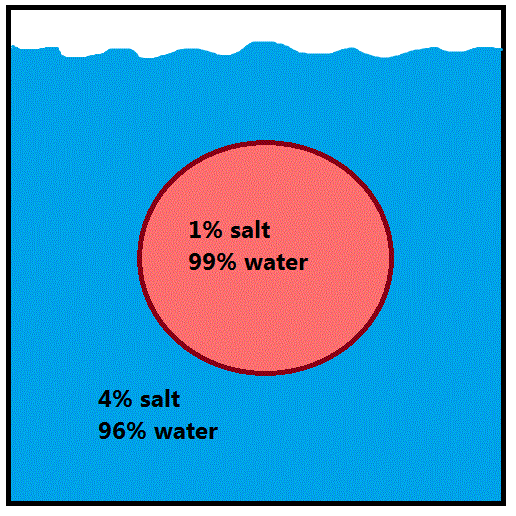
water moves from high water concentration to low water concentration
water moves from low water concentration to high water concentration
when particles move from a high concentration to a low.
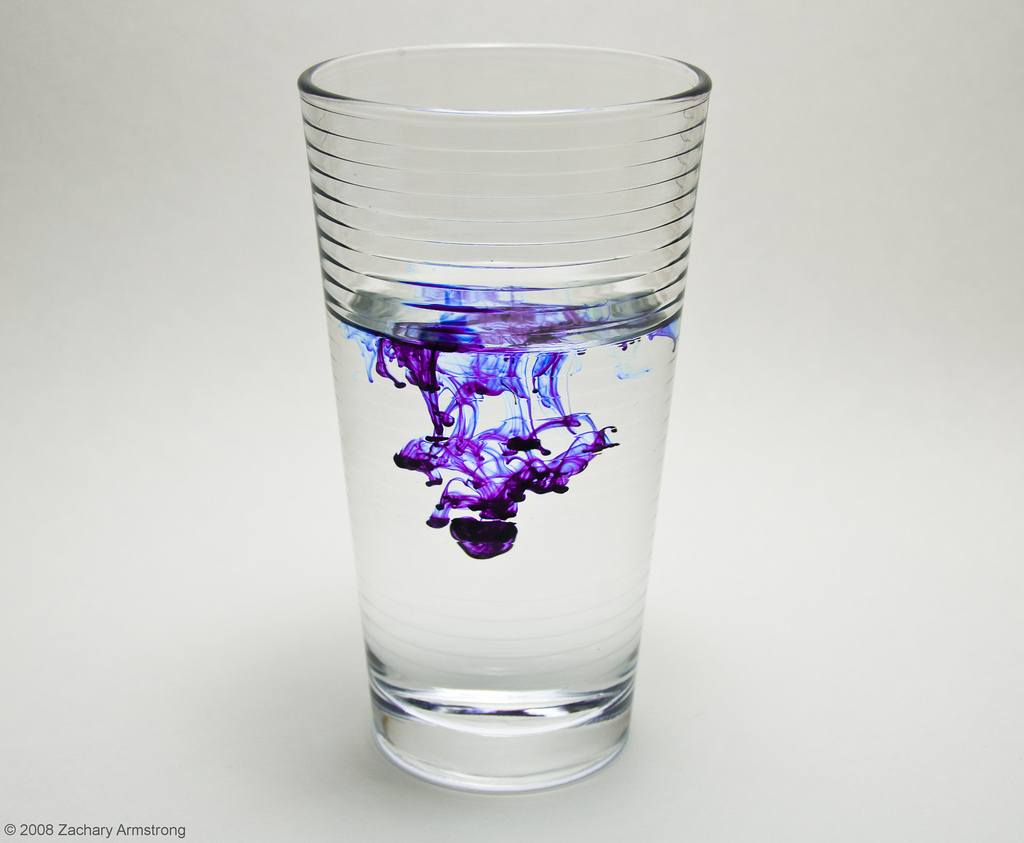
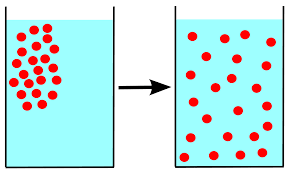
What is DIFFUSION?


Which gummy bear was left overnight in salt water?
Larger bear
Smaller bear

By what process does the water move in to or out of the potato cells?
Active transport
Osmosis
Diffusion
Transpiration
Which of these has the highest water concentration?
0.1M sugar
0.2M sugar
0.3M sugar
0.4M sugar
Why would a potato gain mass?
Water leaves the potato because the concentration of water is higher outside
Water enters the potato because the concentration of water is lower outside
Water leaves the potato because the concentration of water is lower outside
Water enters the potato because the concentration of water is higher outside
Why would a potato lose mass?
Water leaves the potato because the concentration of water is higher outside
Water enters the potato because the concentration of water is lower outside
Water leaves the potato because the concentration of water is lower outside
Water enters the potato because the concentration of water is higher outside
Why do we dab the potatos with a dry paper towel when taking them out of the solution? Choose the best answer.
To remove mass
To remove excess mass
To remove excess water
To dry them
What is the independent variable of this required practical?
Concentration of the solution
Percentage change in mass
Volume of the solution
Time the potato is left in the solution
What is the dependent variable of this required practical?
Concentration of the solution
Percentage change in mass
Volume of the solution
Time the potato is left in the solution
What are the control variables of this required practical?
Concentration of the solution
Percentage change in mass
Volume of the solution
Time the potato is left in the solution
Why do we calculate percentage change instead of just change in mass?
It is quicker
It is more accurate
It takes into account differences in starting mass
How do we describe the cell membrane that the water molecules travel through?
Permeable
Non-permeable
Partially permeable

