
 Worksheets
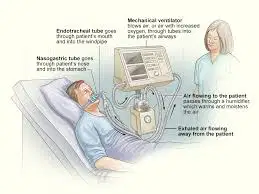
Mechanical Ventilators
Total questions: 15
Worksheet time: 8mins

What is the primary function of a mechanical ventilator?
To provide medication
To replace or assist in spontaneous breathing
To monitor heart rate
To measure blood pressure
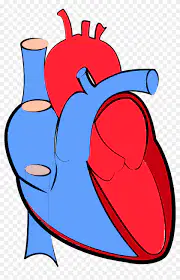
What type of blood flows from the right atrium to the lungs?
Nutrient-rich blood
Deoxygenated blood
Carbonated blood
Oxygenated blood
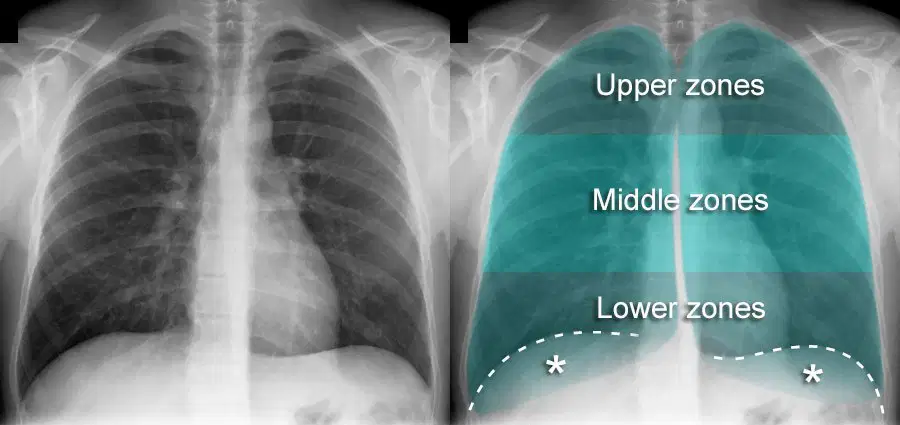
In which lung zone does blood flow intermittently during the cardiac cycle?
Zone 1
Zone 2
Zone 3
Zone 4
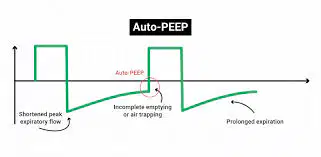
What happens if the pressure at the patient connection exceeds 125 cmH2O?
The ventilator shuts down
Patient is disconnected
The pressure is maintained
An alarm sounds
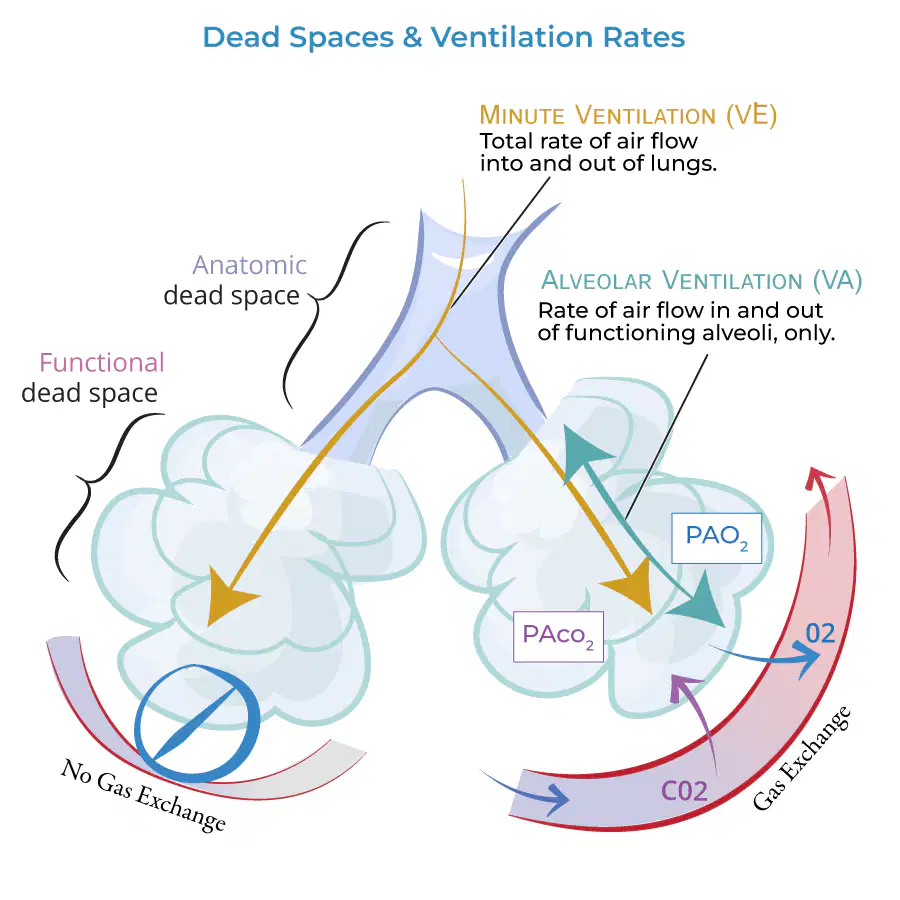
What is the significance of the physiological dead space volume?
It participates in gas exchange
It does not participate in gas exchange
It increases tidal volume
It decreases respiratory rate
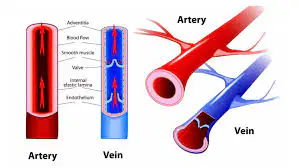
Do arteries always carry oxygenated blood?
Yes, all arteries carry oxygenated blood.
Yes, except in the lungs.
No, only systemic arteries carry deoxygenated blood
No, pulmonary arteries carry deoxygenated blood

What occurs to the alveolar pressure during normal expiration?
It decreases to negative pressure
It increases to positive pressure
It remains constant
It fluctuates wildly

In which zone of the lung does blood flow continuously?
Zone 1
Zone 2
Zone 3
Zone 4
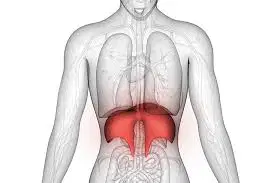
How does the diaphragm contribute to expiration?
It creates a vacuum in the chest
It contracts to pull air in
It relaxes, causing the lungs to compress
It remains static during expiration

What is the primary purpose of a pressure sensor in the patient circuit?
To measure oxygen levels
To provide feedback for maintaining PEEP
To control respiratory rate
To monitor heart rate
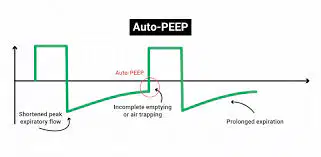
What does PEEP stand for?
Partial End-Exhalation Pressure
Positive End-Expiration Pressure
Positive End-Expiratory Pressure
None of the above
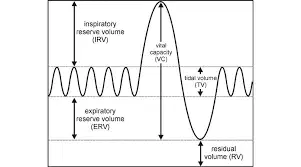
What is tidal volume (VT) in normal breathing?
About 250 mL
About 500 mL
About 1000 mL
About 1500 mL
What is the primary muscle involved in normal inspiration?
Abdominals
Intercostals
Pectorals
Diaphragm
What is the normal cardiac output in pulmonary circulation?
7 L/min
5 L/min
3 L/min
10 L/min
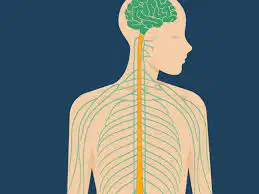
What type of ventilation is indicated for patients with apnea due to CNS damage?
Assisted ventilation
Spontaneous ventilation
Non-invasive ventilation
Invasive ventilation

