
NEW
Font size
 Worksheets
Quiz on Topic 3 & 4
Total questions: 25
Worksheet time: 13mins
What is the primary focus of geography education in early childhood?
Understanding mathematical concepts
Developing a sense of history
Exploring personal and local spaces
Learning foreign languages
Which of the following is NOT one of the five fundamental themes of geography?
Place
Regions
Economics
Location
What is one of the key reasons for teaching history in early childhood?
To develop a sense of understanding about the past
To discourage curiosity
To memorize dates and events
To focus solely on local history
Which age group is associated with the development of personal space awareness?
Preschoolers
Primary age children
Infants
Toddlers
Which of the following describes the concept of 'place' in geography?
The movement of people and goods
The study of regions
Unique human and physical traits of an area
The position of people on Earth
What is the definition of social studies according to the National Council for the Social Studies (NCSS)?
The study of arts and crafts of different societies.
The study of political, economic, cultural, and environmental aspects of societies.
The study of only the political history of societies.
The study of modern technology and its impact on society.
What are the two essential elements that social studies aim to integrate?
Knowledge and creativity
Skills and technology
Knowledge and attitudes
Art and music
Identify two reasons why learning social studies is important for young children.
To become famous and travel the world.
To learn survival skills and understand themselves and others.
To learn mathematics and physics.
To improve physical strength and balance.
What are the four stages of childhood social constructs?
Person, Family, School, Society.
Economics, History, Geography, Identity.
Government, Education, Technology, Society.
Individuality, Family Membership, Peer Group Membership, National Membership.

At the stage of peer group membership, the focus on social construct is for a person _____.
for a person to have belonging to a group of biological and social status
to be recognize as an individual
for a person to have recognition of family members and awareness of belonging to a family.
to be identify by the community, neighbourhood, town, state and the country where the individual lives
Explain why understanding the past is important in social studies education.
It makes history more complicated.
It helps children plan their careers.
It helps children cope with the present and plan for the future.
It allows children to understand their present only.

How childhood period is a part of social constructs?
As through childhood period, children go through socialisation process and learn the ways to be a part of a group.
As childhood is a biologically determined phase with no influence from societal norms.
During childhood period is focusing solely on their individual development to become a social being
Childhood is a universal experience that is the same across all cultures, unaffected by social norms or expectations.
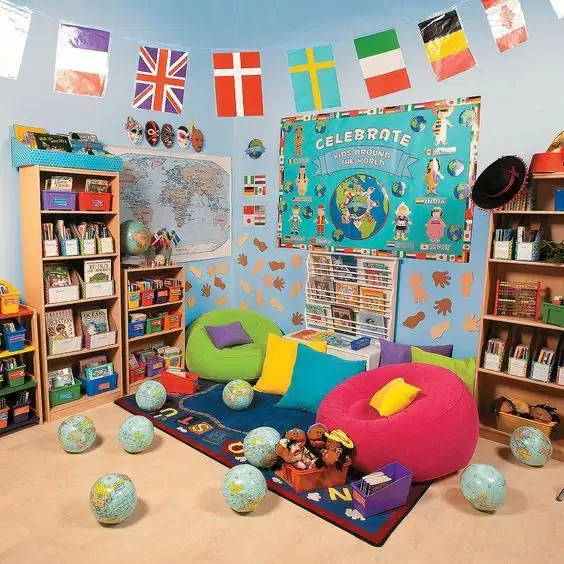
Summarize the role of a teacher in social studies education for young children.
To only focus on teaching historical events.
b)
To make social studies complex and challenging.
To make social studies relatable, simple, and engaging for children.
To focus on memorizing facts.
How do social studies help children understand their relationship with society and institutions?
By isolating them from societal concepts.
By teaching them to be self-reliant and indvidualism.
By focusing solely on facts about the world.
By helping them relate to people and institutions such as family, schools, and government.
How can learning about different cultures help young children become global citizens?
By making them to know the culture of the majority instead of the minority .
By teaching children that their own culture is superior to others, helping them feel more confident globally.
By reinforcing the idea that all cultures are exactly the same, eliminating the need for understanding diversity.
By allowing children to recognize global issues and encouraging them to engage with people from various cultural backgrounds.
How can a teacher incorporate the concept of "People, Places, and Environments" in a classroom activity?
By focusing solely on economic principles.
By teaching children to avoid interacting with their environment.
By having children draw maps of their community and discuss human-environment interaction.
By discussing only the political systems of different countries.

Provide an example of how a teacher can foster respect for human diversity through social studies lessons.
By teaching children that all cultures are the same, so there is no need to focus on their differences.
By organizing group activities where students learn about and celebrate the main cultural traditions, holidays, and customs of the country only.
By focusing only on the dominant culture in the classroom, as it is the most relevant to the students’ lives.
By encouraging students to share stories from their cultural backgrounds and discussing the similarities and differences between them.
How can a teacher help children understand the difference between needs and wants using the "Production, Distribution, and Consumption" strand?
By teaching them that all wants are more important than needs.
By creating a shopping game where children categorize items as needs or wants.
By explaining that resources are unlimited.
By avoiding discussions about consumption because the topic is a complex topic.
Create a simple classroom activity that allows children to explore the idea of civic responsibilities and rights.
By organizing a mock election where children vote on class rules.
By exposing their rights as a consumer.
By focusing solely on the rights without responsibilities as they are still young to carry the responsibilities.
By asking children to memorize laws.
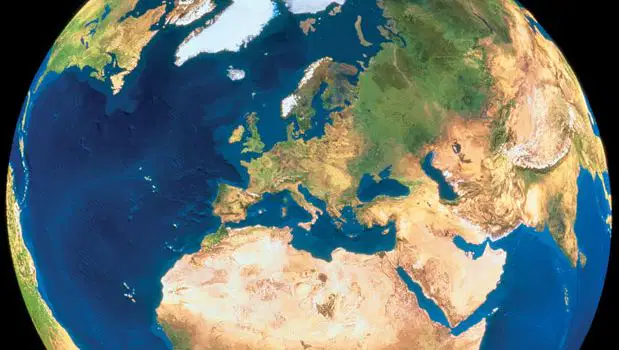
Why is geography important for young children according to social studies?
It focuses only on understanding physical features like mountains.
It helps them learn how to calculate distances in math.
It fosters an understanding of their environment and spatial relationships.
It teaches them the history of different countries.
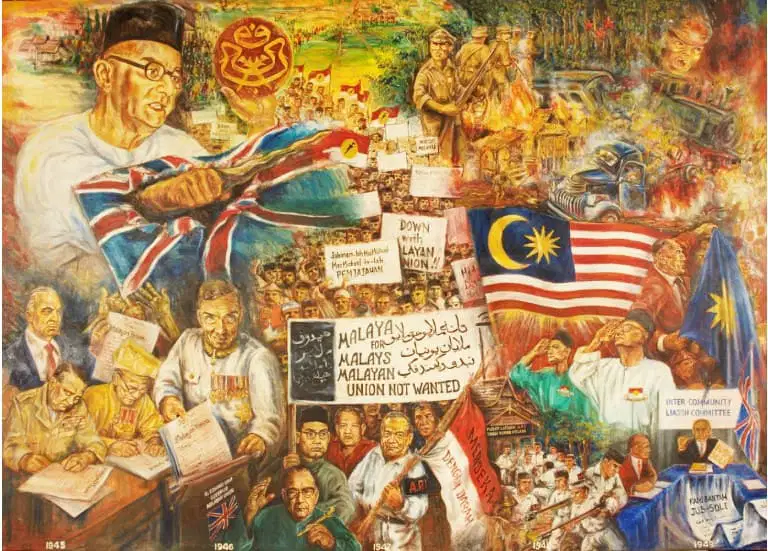
What is the significance of teaching history in early childhood education?
It teaches them about economic theories.
It focuses only on famous historical figures.
It helps children memorize important dates and events.
It encourages children to ask questions and understand past events that shape the present.
What does the theme of "Human Environment Interaction" in geography emphasize?
How to build cities without considering environmental factors.
How people and animals communicate with each other.
The relationship between people and their environment, including how they use and impact it.
How people avoid interacting with the environment.
How can a teacher help young children develop a sense of history in the classroom?
By allowing children to explore their neighborhood and interact with historical artifacts.
By limiting history lessons to textbook reading.
By focusing only on teaching them historical dates and events.
By watching the video of history event only.
Which of the following activities can best help children understand the concept of "place" in geography?
Asking children to memorize capital cities of different countries.
Reading stories about famous explorers without discussing their impact.
Teaching them to locate countries on a map without context.
Encouraging children to describe and compare natural and human-made characteristics of their local area.
What is an example of fostering children's understanding of "Time" in history?
Only discussing events from their lifetime.
Avoiding discussions about past events as they are abstract.
Focusing on teaching the children abstract concepts like the Big Bang.
Using a class timeline to track significant events throughout the year, such as holidays and birthdays.

