
Font size
 Worksheets
Ancient Greece Formative Review Quizizz 2024
Total questions: 41
Worksheet time: 37mins
What do we call land with water on 3 sides?
Archipelago
Island
Peninsula
What is a city with political and economic control over the surrounding countryside?
colony
town
city-state
city
What continent is Greece on?
Africa
North America
Asia
Europe
The three seas that surround Greece:
Adriatic, Mediterranean, Ionian Sea
Mediterranean, Ionian, Aegean Sea
Mediterranean, Ionian, Black Sea
Aegean, Black, Adriatic Sea
This term is also known as a city-state in Ancient Greece
Polis
Poli
Pole
Poland
Which of the following is NOT TRUE about the geography in Greece?
They became excellent fishermen, sailors, and traders.
Trade was very important.
There was lots of farmland to grow crops.
The mountains made it difficult to communicate and travel.
Ancient Greece was a
peninsula with many islands
tropical rainforest
city found in the Arctic Circle
desert region
How did the Greek mountains affect communication?
They promoted road building.
They made farmers stop speaking.
They isolated the city-states
They led people to write letters.

How did living by the sea influence/impact Greek life?
They became great explorers and shipbuilders
They became good traders
They became great sailors, shipbuilders, traders, and explorers
They became great sailors and traders
the condition of being alone
isolation
polytheism
slavery
metic
"High city" in Greek refers to the upper part of an ancient Greek city, where public buildings and defenses were located.
acropolis
polis
city-state
isolation
independent state consisting of a city and its surrounding territory
city-state
polis
acropolis
peninsula
A legal member of a country or city-state.
citizen
politics
submission
slaves
Match the following
aristocracy
hereditary class of rulers
oligarchy
small group of people rule
tyranny
One strong ruler
democracy
rule by the people
Match the correct definition to the word
Direct Democracy
Citizen take part directly in government
Representative Democracy
people elect people for government
Authority
the power to make decisions and rules
Label Athens and Sparta
Which Greek city-state was known for its strong military culture and society?
Athens
Corinth
Sparta
Delphi
Which city-state is considered the birthplace of democracy?
Sparta
Athens
Corinth
Mycenae

Communities in ancient Greece were separated by
rivers and deserts
rugged mountains and valleys
rivers and forests
deserts and mountains
Which city-state was known for its focus on education, art, and philosophy?
Sparta
Athens
Corinth
Thebes


Had a Democracy for its government
Athens
Sparta
Had an Oligarchy for its government
Athens
Sparta
Had a very powerful navy
Athens
Sparta
Started military training at age 7
Athens
Sparta
Women had more rights.
Athens
Sparta
Loved the arts.
Athens
Sparta
Women had fewer rights.
Athens
Sparta
In which city-state were boys (when they finished school) expected to take an active role in government?
Athens
Sparta
Which city-state was an oligarchy (where a small group of wealthy people ruled)?
Athens
Sparta

Where is Athens located on the map of Greece?
Northwest near Macedonia
Southeast Greece on the Mainland near the Aegean Sea
Northern Greece

Where is Sparta located?
Southwestern Greece on the Mediterranean coast
Western part of Asia Minor
Near the island of Crete

What type of government did Athens have?
Totalitarian Monarchy
A Republic
A Democracy

A "soldier city-state" refers to:
Athens
Macedonia
Sparta

At what age did Sparta kids begin Army training
Age 7
Age 18
Age 3
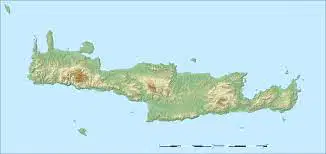
From previous lessons on Greece, on what island did the Minoans live?
Cyprus
Crete
Sicily
Sardinia
True or False: In Athens, women could vote.
True
False
How long did the Spartan men have to stay in the army?
Until the age of 22
Until the age of 30
Until the age of 50
until the age of 35

